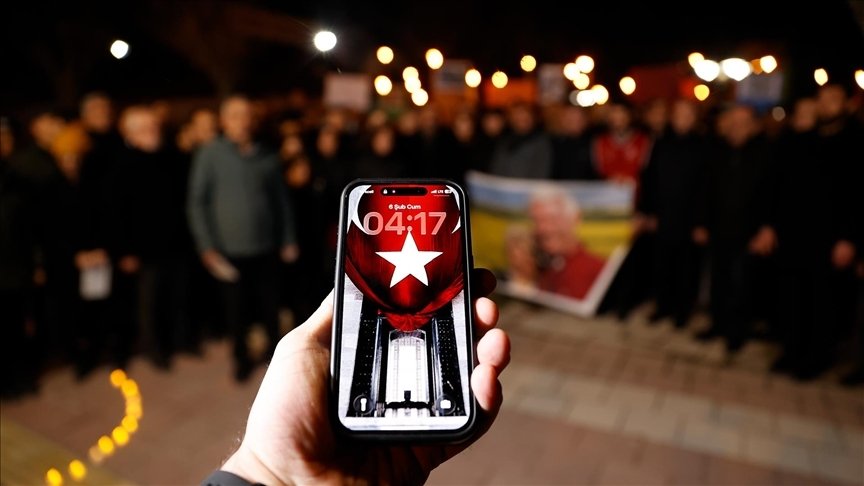
Türkiye on Thursday marked the third anniversary of the Feb. 6, 2023 earthquakes that killed tens of thousands of people and caused widespread devastation across 11 provinces, with nationwide ceremonies, silent marches and prayers held in memory of the victims.
The twin earthquakes, measuring 7.7 and 7.6 in magnitude and centered in Kahramanmaraş province, struck southeastern Türkiye in the early hours of the morning, toppling entire neighborhoods, collapsing critical infrastructure and leaving millions displaced. The disaster, the deadliest in the country’s modern history, also affected northern Syria.
Across the quake-hit region, commemorations were held at 4:17 a.m., the exact time the first tremor struck three years ago. In several cities, sirens sounded and residents observed moments of silence, many holding photographs of loved ones lost beneath the rubble.
In Adıyaman, one of the hardest-hit provinces, senior government officials, opposition leaders and survivors gathered for a silent walk from the governor’s office to the city’s clock tower, which stopped at the moment of the earthquake. Participants laid carnations and released balloons into the sky, while prayers were recited for the dead. Emotional scenes unfolded as families clutched framed portraits of relatives they lost in the disaster.
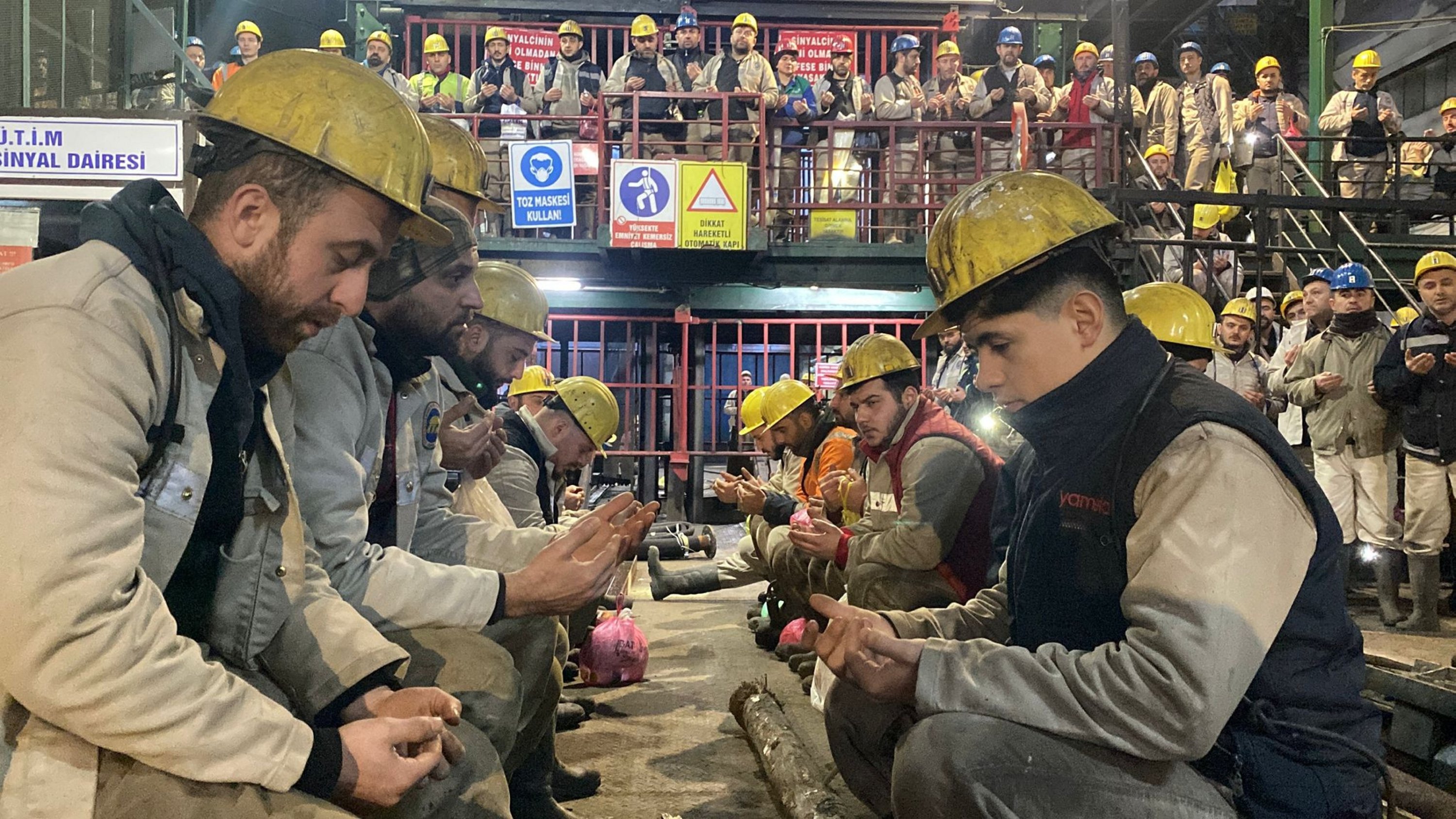
Similar ceremonies were held in Kahramanmaraş, where crowds gathered near damaged sites and temporary memorials. In the Pazarcık district, ground zero of the first quake, residents placed flowers and stood in silence as Quranic verses were recited.
In Hatay province, where entire districts were flattened, a ceremony was held in the provincial center, with Muslim, Christian and Jewish religious leaders offering prayers together. Attendees later threw red carnations into the Asi River in memory of those who died. Many survivors said the pain of the disaster remains raw, despite ongoing reconstruction efforts.
In Gaziantep, Adana and Osmaniye, memorial services were held at the sites of collapsed apartment buildings where dozens of residents lost their lives. Clerics read prayers, and families gathered near rubble-cleared plots that have since become informal memorial grounds.
Commemorations also took place far beyond the disaster zone. In Van, emergency responders gathered at the provincial disaster management office for a moment of silence, while a group of mountaineers unfurled a Turkish flag at the summit of Mount Erek in tribute to the victims. In Zonguldak, civil society groups organized a memorial at the city’s miners’ monument, laying flowers and reading statements calling for stronger disaster preparedness.
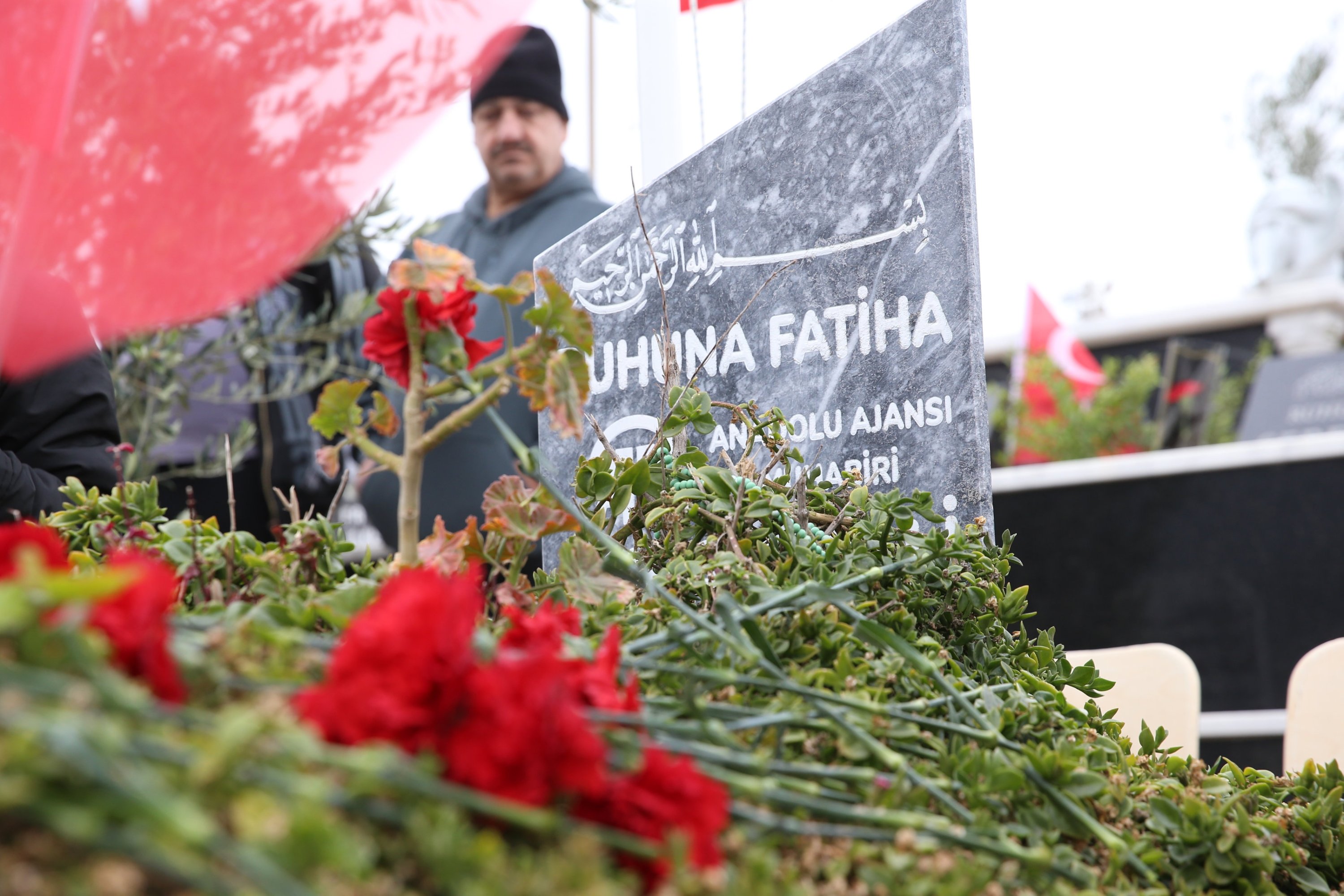
Schools across the country marked the anniversary with brief ceremonies and lessons focused on earthquake awareness and disaster readiness.
Officials attending the events reiterated pledges to rebuild the affected regions and strengthen Türkiye’s resilience to future disasters, emphasizing the importance of safer construction practices and scientific planning. Reconstruction projects have been underway for more than two years, with tens of thousands of housing units completed.
For families who lost loved ones, the anniversary served as a reminder that while physical rebuilding continues, the emotional scars of the disaster endure. “Time passes, but the absence does not,” said one attendee at a memorial in Hatay, standing silently as candles flickered in the early morning darkness.