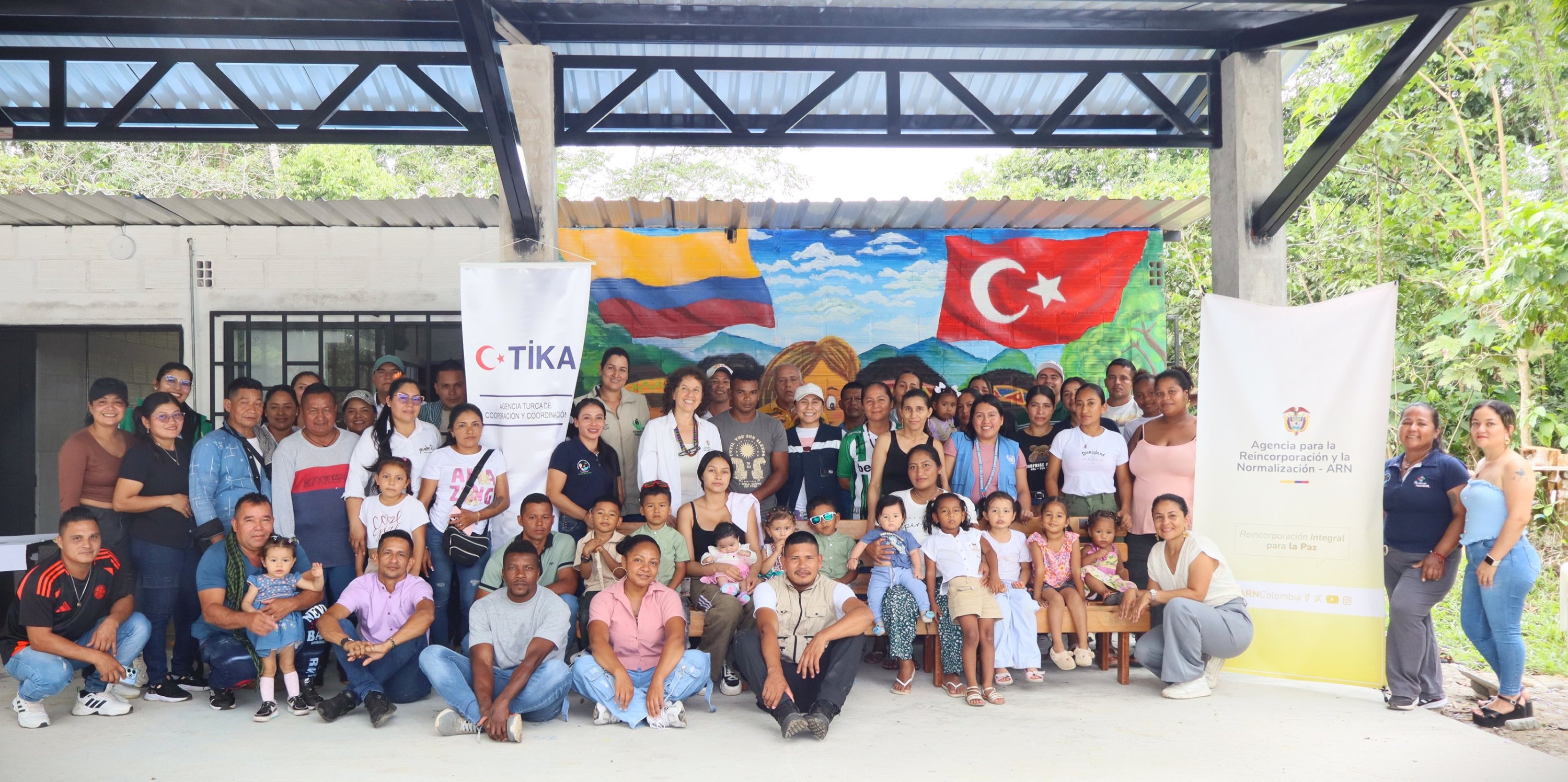
The Turkish Cooperation and Coordination Agency (TIKA) continues its global efforts to support youth development, social progress and community welfare through multiple projects implemented last week.
In Nigeria’s Nasarawa state, TIKA established a vocational training workshop in the Dakwa region, targeting 100 boys and girls who are unable to attend school. The program offers training in sewing, embroidery and tailoring, providing participants with skills that can help them build independent and sustainable livelihoods.
Speaking at the launch ceremony, TIKA Nigeria Project Coordinator Ali Kurt emphasized that TIKA’s work extends beyond economic development to social and cultural progress. “Through this program, we aim to help children take stronger steps in life. We continue to develop sustainable projects for disadvantaged groups, including women, children, people with disabilities, orphans and low-income communities,” he said.
Elif Durdu, deputy head of mission at Türkiye’s Embassy in Abuja, highlighted the broader impact of the program, noting that it fosters self-confidence, economic independence and the ability for young participants to contribute meaningfully to their communities.
“This project goes beyond teaching a skill. It opens a door to self-confidence, economic independence and the ability to stand on one’s own feet. This journey, which begins today, will allow our young participants to create a lasting impact in their own lives and communities,” Durdu explained.
The six-month program will conclude with graduates receiving sewing machines and tailoring materials, ensuring that participants can continue honing their skills and potentially establish their own businesses, contributing to local economic development.
In Colombia, TIKA signed a cooperation protocol with the United Nations World Food Programme (WFP) in Bogota to strengthen the fight against hunger and malnutrition. The first project under this agreement will take place in the La Guajira region, which national and international assessments identify as the area with the highest food insecurity in the country.
Indigenous children, who form a majority of the population, are particularly vulnerable to malnutrition. The program will renovate kitchen furniture and equipment in public school cafeterias and support continuous, free meal services through WFP’s School Feeding Program (PAE).
The initiative ensures that children have access to safe, nutritious and sufficient meals, directly contributing to the U.N. Sustainable Development Goal of “Zero Hunger” while supporting long-term educational and community welfare objectives.
In Lebanon, TIKA completed the “Development of Sports Education Infrastructure at the Ayn ed-Delb Cultural Club” project in the town of Ayn ed-Delb, in the southern Sidon district. Sports activities had previously come to a halt due to Israeli airstrikes, but the project has restored opportunities for young people to participate in organized sports and local leagues.
The renovated facilities include basketball hoops, football goals, volleyball posts, modern stands, changing rooms, and waiting areas for families and spectators. Ambassador Murat Lütem highlighted the project’s broader significance, describing it as opening “a door to the dreams and future of our youth” and emphasizing its role in fostering friendship, healthy living and stronger Türkiye-Lebanon ties.