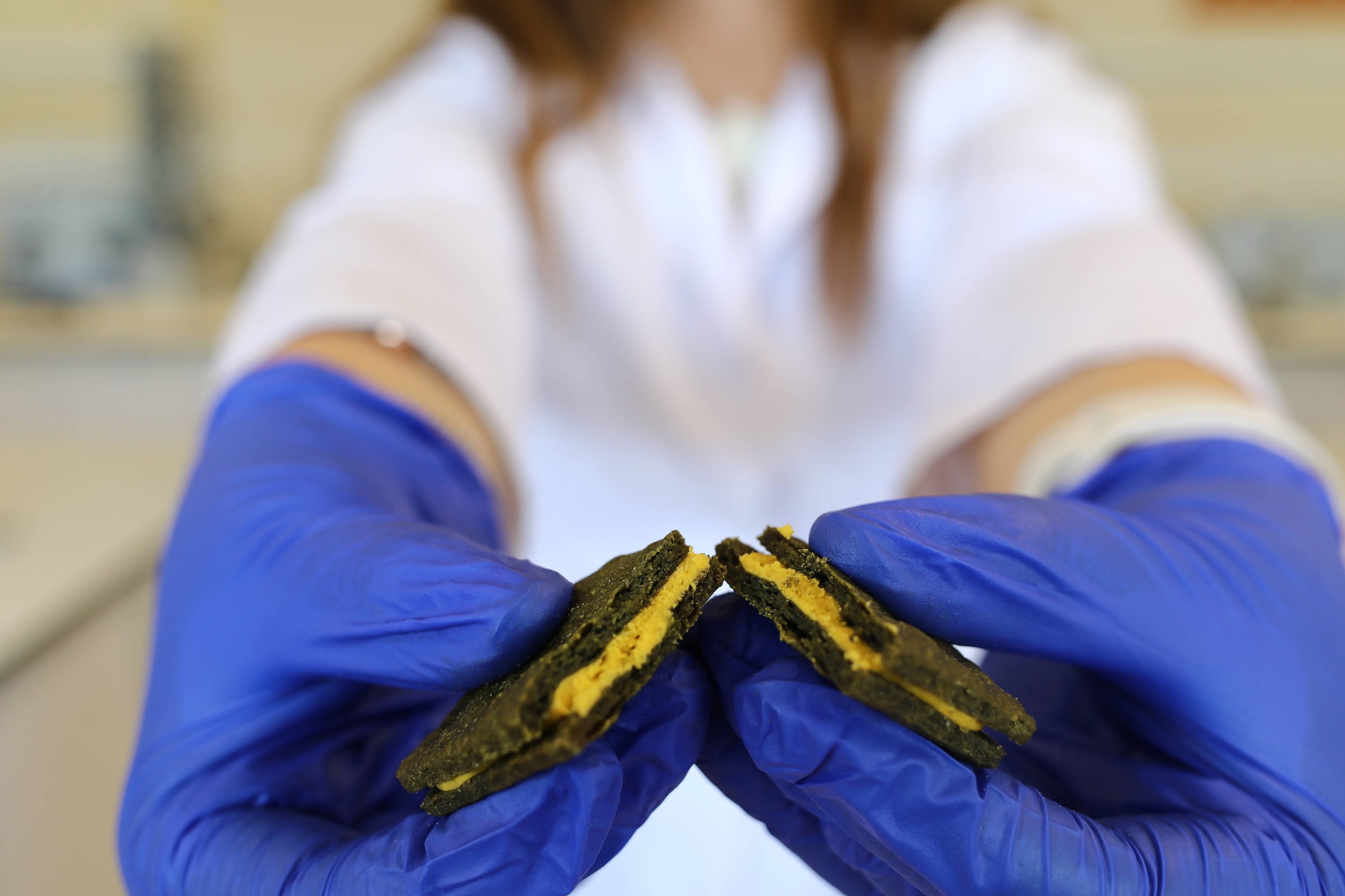
Academics at Gaziantep University (GAÜN) have developed a nutrient-rich functional cream-filled biscuit designed to help meet people's energy and nutritional needs during earthquakes and other disasters.
Developed under the Scientific and Technological Research Council of Türkiye (TÜBITAK)-supported research project, the biscuit is enriched with proteins, amino acids, vitamins, polyunsaturated fatty acids and antioxidant compounds, offering a long-lasting emergency food option for disaster preparedness kits.
The project was launched following the devastating Feb. 6, 2023, Kahramanmaraş-centered earthquakes, which highlighted the need for shelf-stable foods capable of providing essential nutrients during emergencies.
Project coordinator Dr. Hüseyin Bozkurt of GAÜN's Department of Food Engineering said the team aimed to create a functional food that not only provides energy but also helps address common nutritional deficiencies.
"Our main objective is to produce a functional food enriched with health-promoting ingredients and transform it into a product suitable for emergency kits," Bozkurt said. "We hope it will help meet people's protein, energy and nutritional needs during disasters."
Researchers selected a cream-filled biscuit as the final product because of its long shelf life and portability. According to Bozkurt, the biscuit can be stored for up to 12 months, making it suitable for emergency supplies and disaster response efforts.
To improve its nutritional value, the team incorporated three species of microalgae into the recipe.
The first, Spirulina, is known for its high protein and essential amino acid content. The second, Schizochytrium, provides vitamin D and beneficial polyunsaturated fatty acids, while the third, Dunaliella, contributes beta-carotene and natural pigments.
Bozkurt said the combination of the 3 microalgae gives the biscuit significantly higher levels of protein, amino acids and healthy fats than conventional biscuits while also enhancing its visual appeal through natural coloring.
Researchers also carried out extensive biochemical, physical, sensory and aroma analyses to evaluate the product's quality and suitability for emergency use.
Bozkurt described the simultaneous use of 3 different microalgae species as one of the project's most innovative aspects, adding that the findings are expected to contribute to scientific research while creating a value-added product with commercial potential for the food industry.