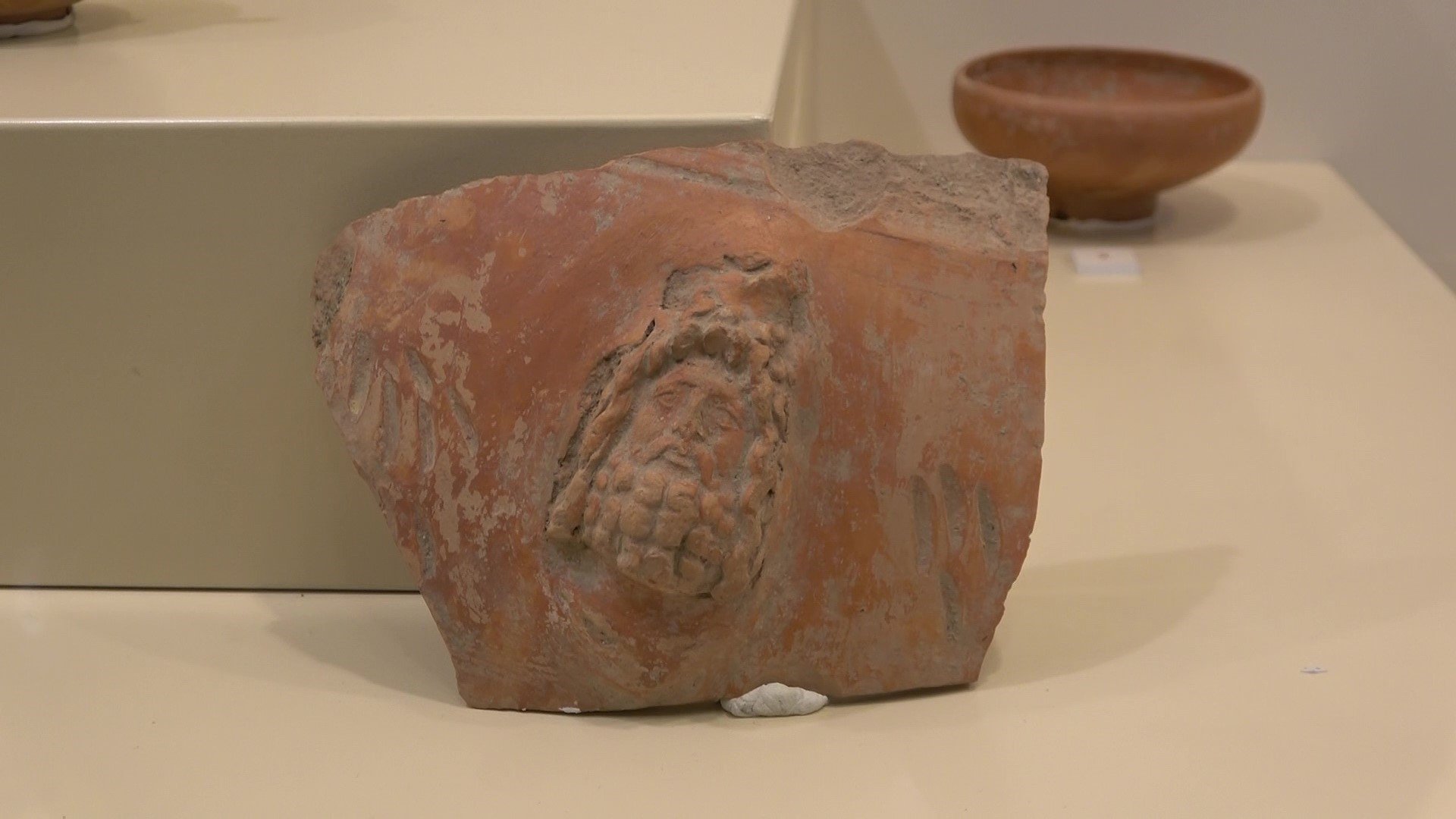
More than 1 million historical artifacts are prevented from being smuggled abroad from Türkiye each year, most of them coins, as authorities intensify efforts to combat the illicit trafficking of cultural property, a senior official said.
Zeynep Boz, head of the Department for Combating Smuggling at the Ministry of Culture and Tourism, said ongoing operations and coordinated enforcement measures have significantly strengthened the country’s ability to intercept artifacts before they leave its borders.
Speaking in Gaziantep last week during the “Turkish Cultural Heritage Strategic Cooperation Conference and Technical Workshop: Program for Combating the Illicit Trafficking of Cultural Property,” Boz said Türkiye has made notable progress in tackling antiquities smuggling through both domestic operations and international initiatives.
She said efforts include law enforcement actions, institutional cooperation and awareness programs aimed at reducing illegal excavations and trafficking networks.
“The return of artifacts from abroad represents one of the most symbolic outcomes of these efforts and sends the strongest message to the international community,” Boz said.
She noted that since 2002, a total of 13,453 artifacts have been returned to Türkiye, reflecting the growing effectiveness of international cooperation and legal frameworks.
Boz emphasized that coordination among institutions has played a key role in increasing seizures within the country.
“Thanks to this cooperation, a large number of artifacts are intercepted domestically. Each year, more than 1 million items, mostly coins, are seized. If these were not captured in Türkiye, they would be smuggled abroad, and we might or might not be able to recover them,” she said.
She added that preventing artifacts from leaving the country is as critical as securing their return, as recovery processes can be lengthy and uncertain.
Authorities say raising public awareness is also a central component of the strategy. Boz highlighted the importance of education programs designed to inform citizens about the cultural and historical value of such artifacts and the risks associated with illicit trade.
“We need to ensure that people understand the importance of cultural heritage. Through education initiatives targeting all age groups, we aim to build long-term awareness,” she said.
Boz noted that perceptions around antiquities trafficking have shifted globally in recent years. What was once considered a minor or overlooked offense is now subject to greater scrutiny, particularly as museums and international institutions increasingly question the origin of artifacts.