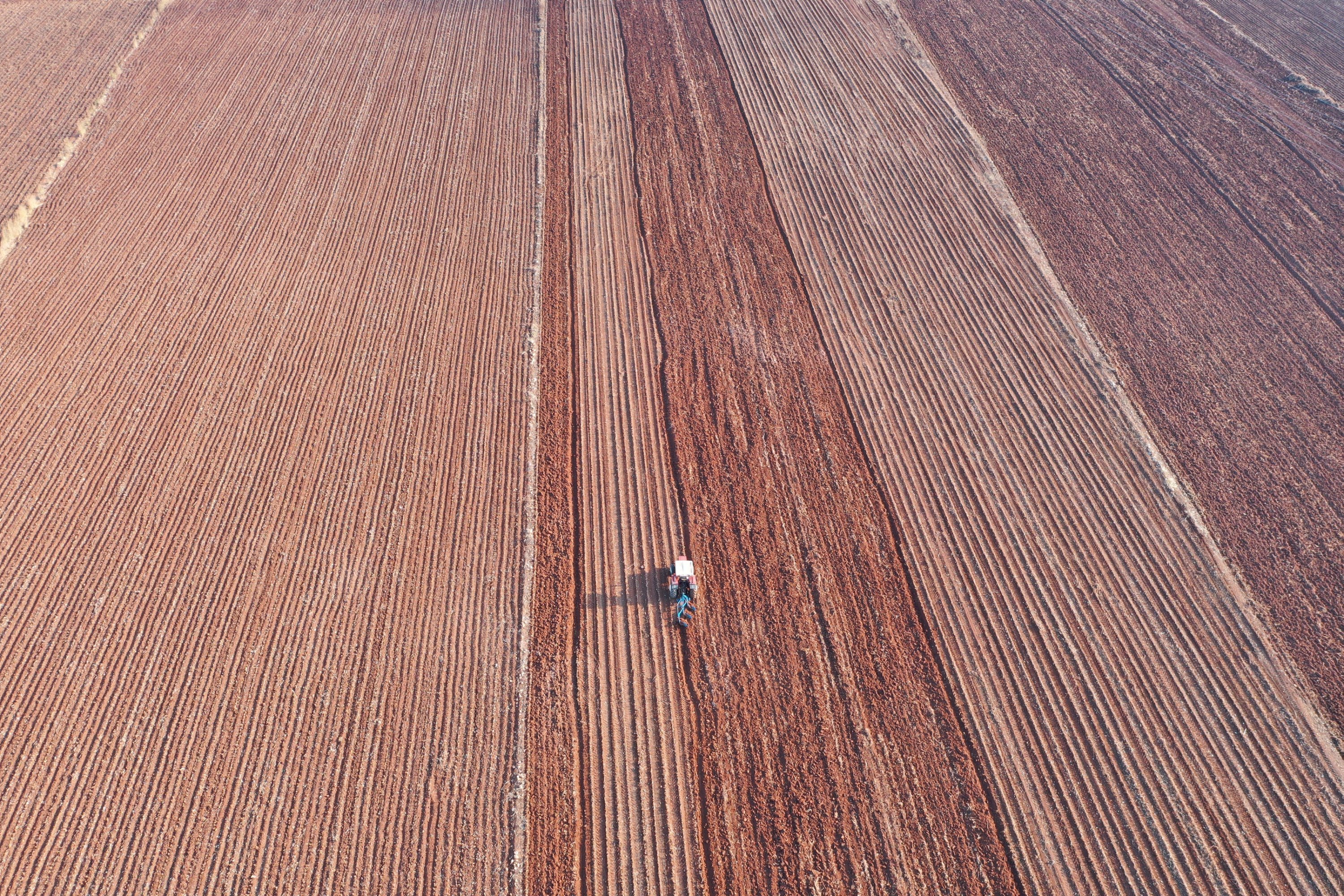
Türkiye is experiencing an accelerated rate of soil erosion, posing significant risks to its agricultural productivity, environmental sustainability, and climate mitigation efforts. Hikmet Öztürk, a forest engineer, reported that while the natural formation of 1 centimeter (0.39 inches) of soil requires approximately 500 years, Türkiye is currently losing this vital layer every 16 years, an alarming pace that demands immediate strategic intervention.
Soil functions as the world’s second-largest carbon sink after the oceans, underscoring its indispensable role within Türkiye’s climate resilience framework. Protecting and restoring soil health is critical for ensuring food security, safeguarding biodiversity, and sustaining urban ecosystems essential for climate adaptation.
Globally, approximately 75 billion tons of soil erode annually, with Türkiye contributing 642 million tons to this total each year. This scale of degradation undermines rural agricultural lands, diminishes pasture quality, and threatens natural resources fundamental to Türkiye’s livestock sector. Moreover, soil degradation compromises urban areas by reducing the capacity of green spaces to mitigate heat islands and improve air quality.
Öztürk emphasized that urban resilience is heavily dependent on conserving soil and green infrastructure, particularly as climate change intensifies heatwaves and associated health risks. Expanding green spaces, supported by healthy soils, remains a pivotal element in Türkiye’s urban climate adaptation strategy.
Looking ahead, projections indicate that if current erosion trends continue, Türkiye’s soil productivity will decline by 50% by 2050, while national food demand is expected to increase by the same margin. This stark divergence underscores the urgency for comprehensive soil protection policies and sustainable land management practices.
Addressing Türkiye’s soil crisis requires coordinated, multisectoral efforts encompassing government, civil society and private sectors. Integrating soil health into national climate strategies will not only secure agricultural productivity and biodiversity but also enhance urban livability and long-term sustainability across Türkiye.