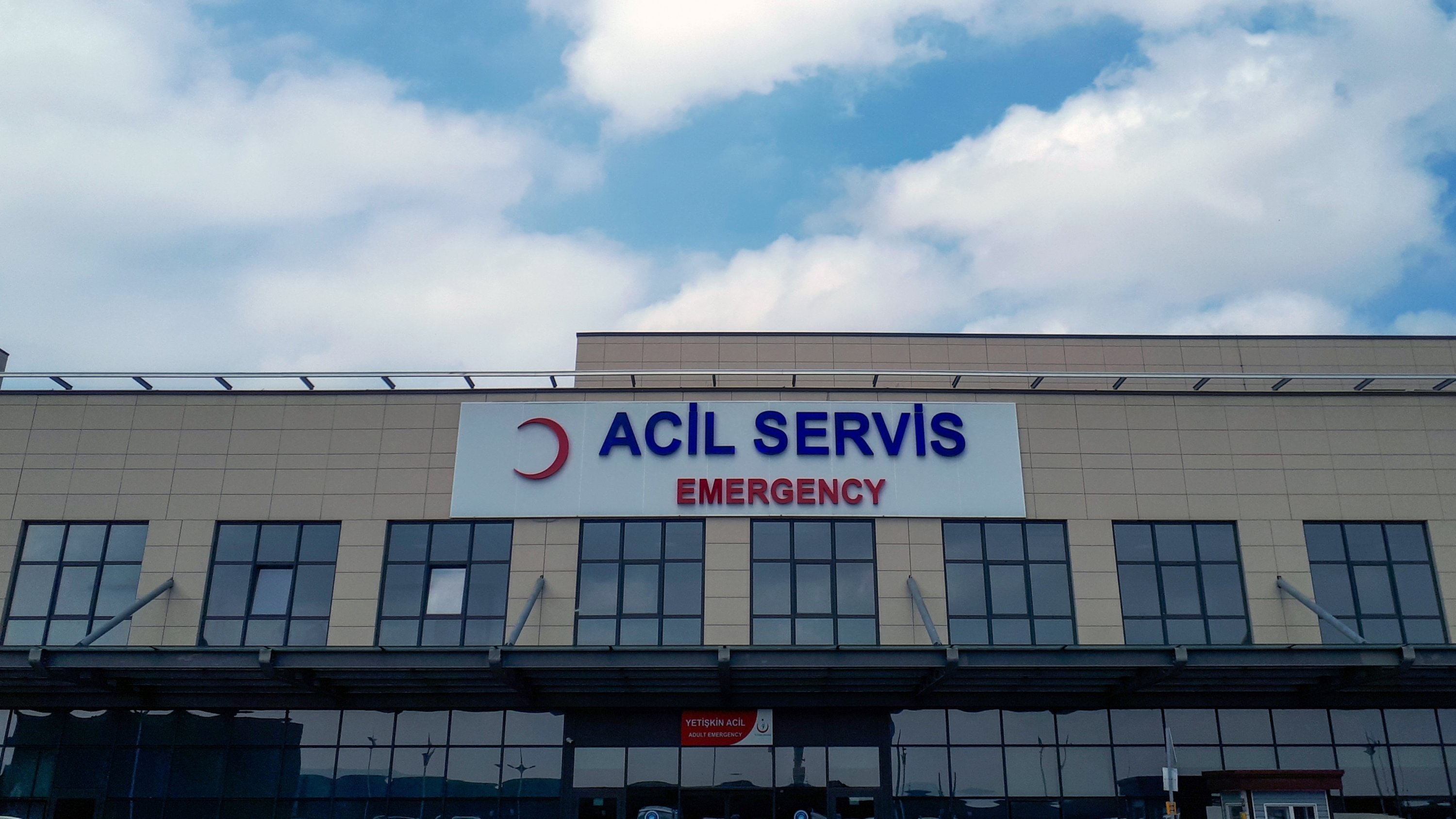
Türkiye has made remarkable progress in emergency medicine, reaching advanced levels in both scientific standards and patient care, according to professor Şahin Çolak, chair of the Emergency Medicine Foundation of Türkiye (TEMF).
“When compared to Europe and the U.S., we are very advanced in emergency departments both in terms of science and patient care,” he said.
Çolak explained that the foundation, established to promote emergency medicine, support its development and contribute to scientific research in the field, encourages scientific studies, backs educational activities, and raises public awareness about emergency health services.
He noted that Türkiye has made significant health care investments in recent years, with emergency departments benefiting directly. “Emergency medicine in Türkiye has made substantial progress. The high patient volume in our emergency departments, handled by specialists and emergency physicians, provides valuable experience. Education and research hospitals in the country handle around 2,000 patients daily, which results in substantial practical expertise,” Çolak said.
He added that this experience improves specialists’ ability to admit, treat, guide and hospitalize patients. “When we evaluate emergency medicine specialists in Türkiye, their capabilities place them at an extreme level compared to colleagues in the U.S. and Europe,” he noted.
Çolak also pointed out that Türkiye’s hospital infrastructure is strong. He emphasized that well-managed hospitals with excellent patient intake procedures and modern facilities exist across the country, and that Türkiye’s performance during the global pandemic reflected this strength.
He added that, while increasing hospital bed capacity is challenging in Europe and the U.S., Türkiye has successfully opened hospitals with capacities of 5,000-6,000 patients, further facilitating health care delivery.
In addition to infrastructure, emergency departments in Türkiye are well-equipped technically. Çolak said that the country’s emergency medicine academics are also highly advanced, with about 3,900 specialists and academics, around 1,800 residents and roughly 6,000 emergency medicine professionals overall. This number is steadily increasing, ensuring a sufficient workforce in both academic and clinical roles.
“These specialists and academics work across different universities and research hospitals, often at the critical line between life and death. They play a vital role in saving lives,” Çolak said.
In a related development, the TEMF recently signed a cooperation protocol with the Turkish Red Crescent (Kızılay). The agreement aims to strengthen coordination during disasters and crises, increase emergency response capacity and expand educational initiatives.
“Within this partnership, joint projects are planned in disaster preparedness, field training, first aid and volunteer management. The protocol combines the expertise of both institutions in humanitarian aid, education and health services to enhance society’s resilience to disasters,” Çolak explained.