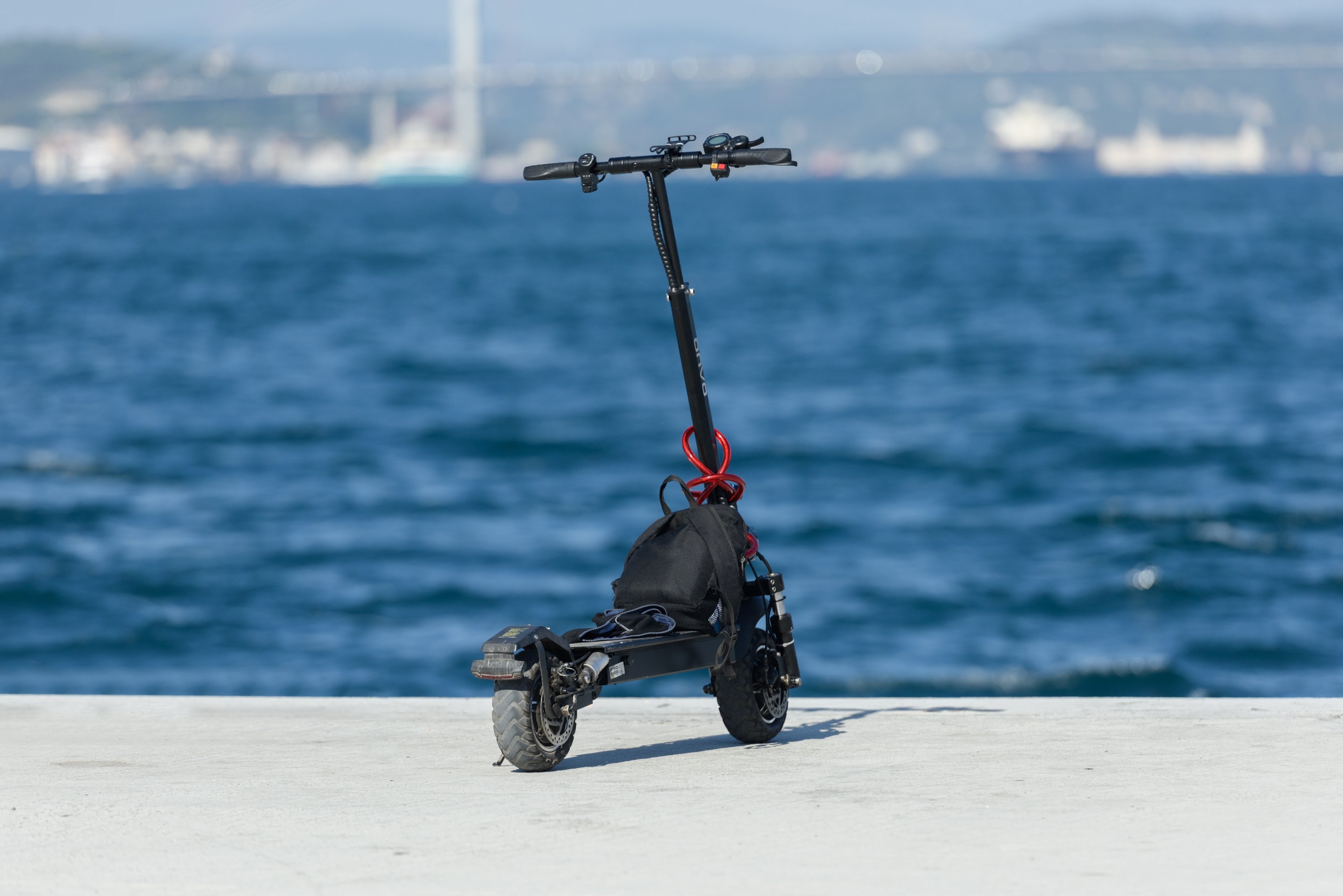
A new regulatory framework for electric scooters has been implemented to improve safety and operational oversight through mandatory speed controls, geofencing and enhanced data-sharing requirements.
Issued jointly by the Ministry of Transport and Infrastructure, the Ministry of Environment, Urbanization and Climate Change, and the Ministry of Interior, the regulation was published in the Official Gazette. Operators must install automated speed limiters and integrate restricted-zone geofencing data into scooter software via the U-Net platform.
Riders approaching prohibited areas will receive audible alerts from handlebar devices, and scooters entering these zones will slow to 6 kph (3.73 mph) to ensure a safe exit. Local traffic authorities and UKOME boards will designate restricted areas.
The regulation requires continuous location tracking, with scooter serial numbers, ID details and position data recorded in U-Net and shared with municipalities, the General Directorate of Geographical Information Systems, national police and the gendarmerie. Location data must be updated every three minutes during rides and within 10 minutes after trips end.
Operators must contact riders immediately if a tip-over alert is detected, confirm any emergencies and record related accident information.
Mobile applications are required to display battery levels, estimated range, carbon footprint and dynamic pricing before rides. Scooters with battery levels below 20% cannot be used. The requirement for 30% domestic manufacturing of fleets has been postponed to July 1, 2026.
Transport Minister Abdulkadir Uraloğlu stated that speed limits and restricted-zone rules will be mandatory and enforced in coordination with local traffic authorities.
Non-compliance may result in administrative fines of TL 6,923 ($163.09).