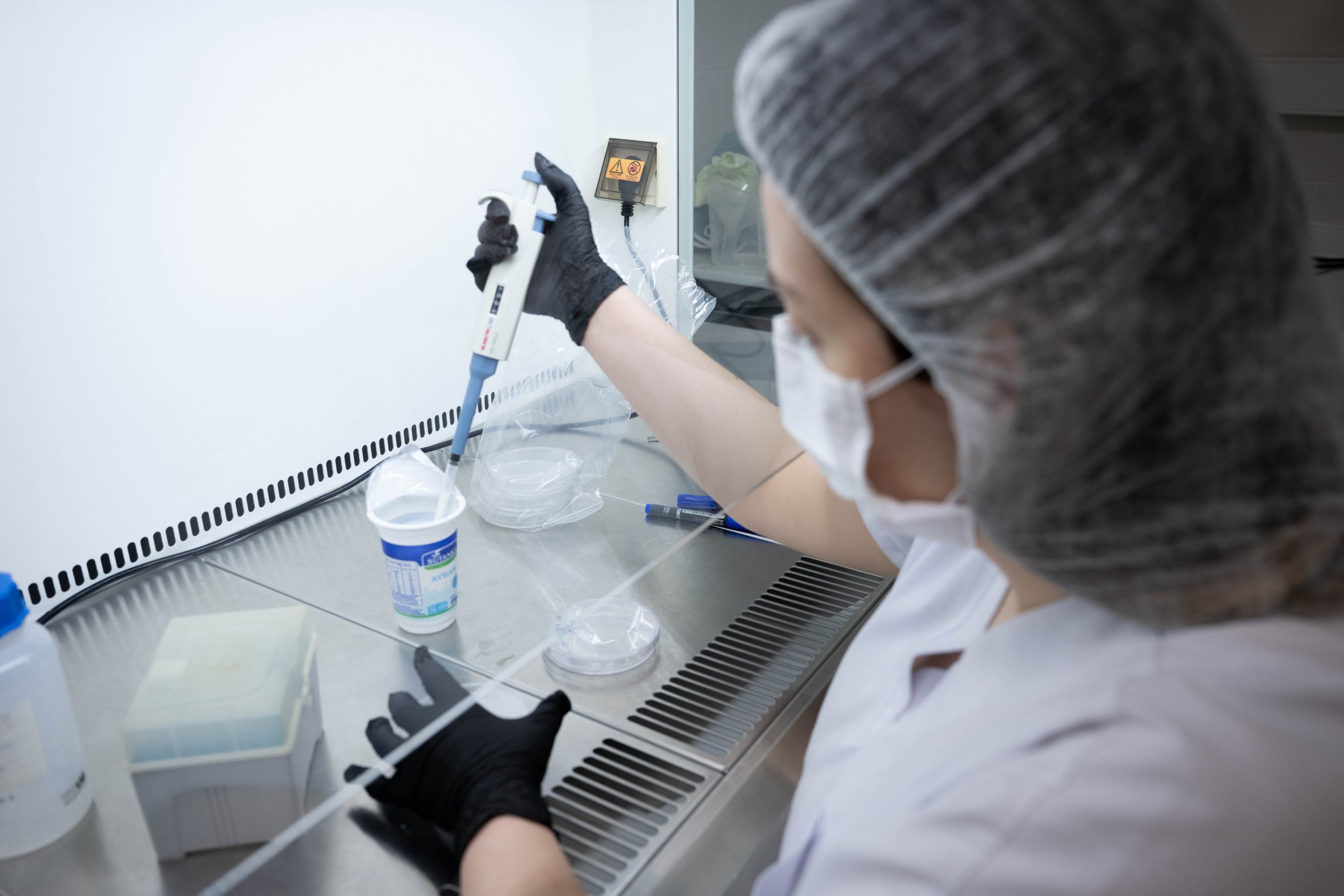
As the world prepares to mark International Women’s Day on March 8, new data from the Turkish Statistical Institute (TurkStat) reveals both achievements and persistent challenges for women in Türkiye.
According to the “Women in Statistics, 2025” report, women now account for 49.98% of Türkiye’s population, totaling 43,032,734, while men comprise 50.02%, at 43,059,434. Women’s longer life expectancy results in a female-majority in older age groups, 51.9% in the 60-74 age bracket and 69.7% among those aged 90 and above.
Education continues to advance for women. The proportion of individuals aged 25 and above who have completed at least one level of education increased from 67.5% for women in 2008 to 88.3% in 2024, while men’s rate rose from 82.8% to 97%.
Higher education attainment also grew; in 2008, only 7.1% of women aged 25 and above held a higher education degree, compared with 23.6% in 2024. Parental education remains a strong factor, 84.4% of individuals whose mothers had higher education also completed higher education.
In governance and diplomacy, women’s representation shows steady progress. Female members of Parliament make up 19.9% of Türkiye’s legislature in 2025, up from 9.1% in 2007, while female ambassadors now constitute 28.4% of Türkiye’s diplomatic corps, rising from 11.9% in 2011.
Academic and corporate leadership reflect similar trends; female professors in higher education increased to 34.9%, female associate professors to 43.3%, and women in senior or mid-level management roles rose from 14.4% in 2012 to 21.5% in 2024. Among the BIST 50 companies, women now hold 18.3% of board positions, up from 12.2% in 2016.
Labor market participation shows both progress and gaps. In 2024, 36.8% of women aged 15 and above were active in the workforce, compared with 72% of men.
Employment rates were 32.5% for women and 66.9% for men, with substantial regional differences. Women’s employment peaked at 39.3% in Antalya, Isparta, Burdur and was lowest at 20.9% in Van, Muş, Bitlis, and Hakkari. Education strongly correlates with workforce involvement; women with higher education had a 68.7% employment rate, compared with 14.6% for illiterate women. Part-time work was also higher among women 18.3% than men, 9%.
The report further examines family and social dynamics. Among 25-49-year-olds with a child under 3, 2024 employment rates were 26.9% for women and 90.9% for men.
Average age at first marriage in 2025 was 26 for women and 28.5 for men, with the highest ages in Tunceli, 29.6 for women, 32.4 for men, and lowest in Kilis, 23.7 for women and Şanlıurfa 26.4 for men.
Education gaps in marriage are notable, 38.3% of women are married to more educated men, 17% are more educated than their spouses, and 43.3% share the same education level. Custody data from finalized divorces shows 74.6% of children are awarded to mothers.
Gender-based violence remains a pressing issue. Among women who have experienced violence at any point, 28.2% reported psychological, 18.3% economic, 12.8% physical, 10.9% persistent stalking, 8.3% digital and 5.4% sexual violence.
Education influences these patterns. Domestic violence decreases with higher education, while stalking and digital harassment increase. Perpetrators vary by type. Spouses or partners commit the majority of physical, psychological and sexual violence, while family members commit most economic violence, and strangers are the main perpetrators of stalking and digital harassment.
Health and longevity statistics show women’s overall life expectancy exceeds men’s, at 80.7 years versus 75.5, but men have a higher healthy life expectancy at birth, 58.9 years versus 56.3.