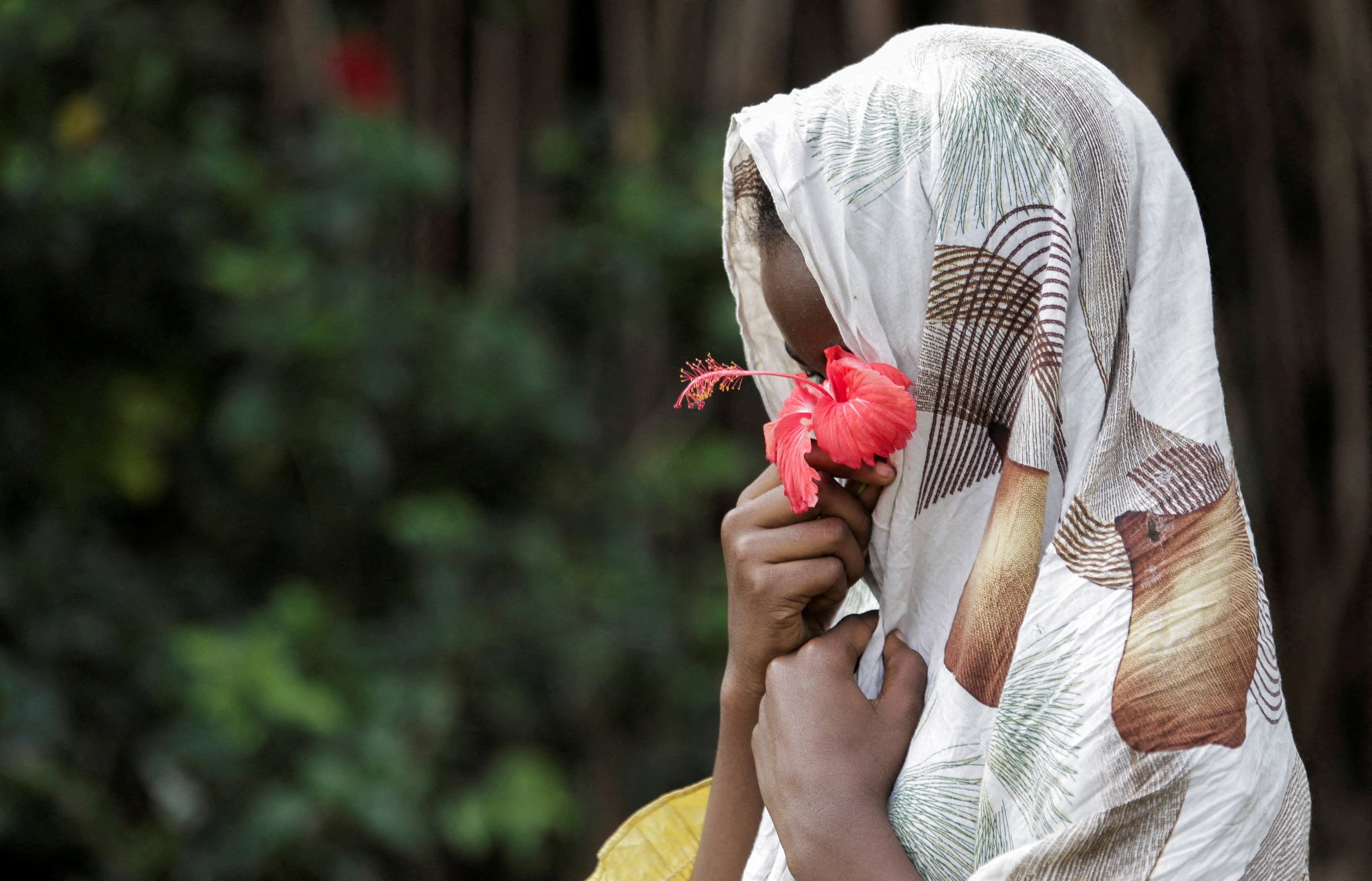
The gunfire returned before dawn, cracking through the thick forest where Salima, then 17, had been held for months.
The teenager crouched low in the underbrush, her heart hammering, listening as M23 rebels traded fire with Congolese troops and a government-aligned militia.
When a shell exploded nearby that January morning, she and another captive girl seized the one chance they had: they ran.
Their escape carried them 20 kilometers across bare earth and sharp rock to a sprawling displacement camp outside Goma.
But even now, nearly a year later, Salima lives in hiding in rebel-held territory – a survivor of sexual violence, still carrying the weight of nearly eight months under the control of M23 combatants.
“They would rape us whenever they wanted,” she said quietly, looking down. “Every day. Different men.”
Her story is just one thread in a conflict that has brutalized eastern Congo for decades.
In a nation of more than 112 million people – rich in minerals but shredded by war – rape has been used as a strategic weapon by soldiers, militias and insurgent groups alike.
The violence traces back to the 1994 Rwandan genocide, when Hutu extremists massacred Tutsis and triggered a refugee crisis that spilled over into Congo, igniting waves of conflict that have yet to fade.
The toll has only grown since the Rwanda-backed M23 movement launched a sweeping offensive this year, seizing a vast stretch of territory in an effort to unseat the government in Kinshasa.
UNICEF warns that a child is raped every 30 minutes in eastern Congo – a staggering pace it calls the world’s worst conflict-related sexual violence crisis in decades.
Dr. Denis Mukwege, the 70-year-old Congolese gynecologist who won the 2018 Nobel Peace Prize for treating survivors of wartime rape, said today’s violence is the most extreme he has ever seen.
Having lived through two Congolese wars and treated tens of thousands of victims at his Panzi Hospital in Bukavu, he said the current wave of atrocities is unprecedented.
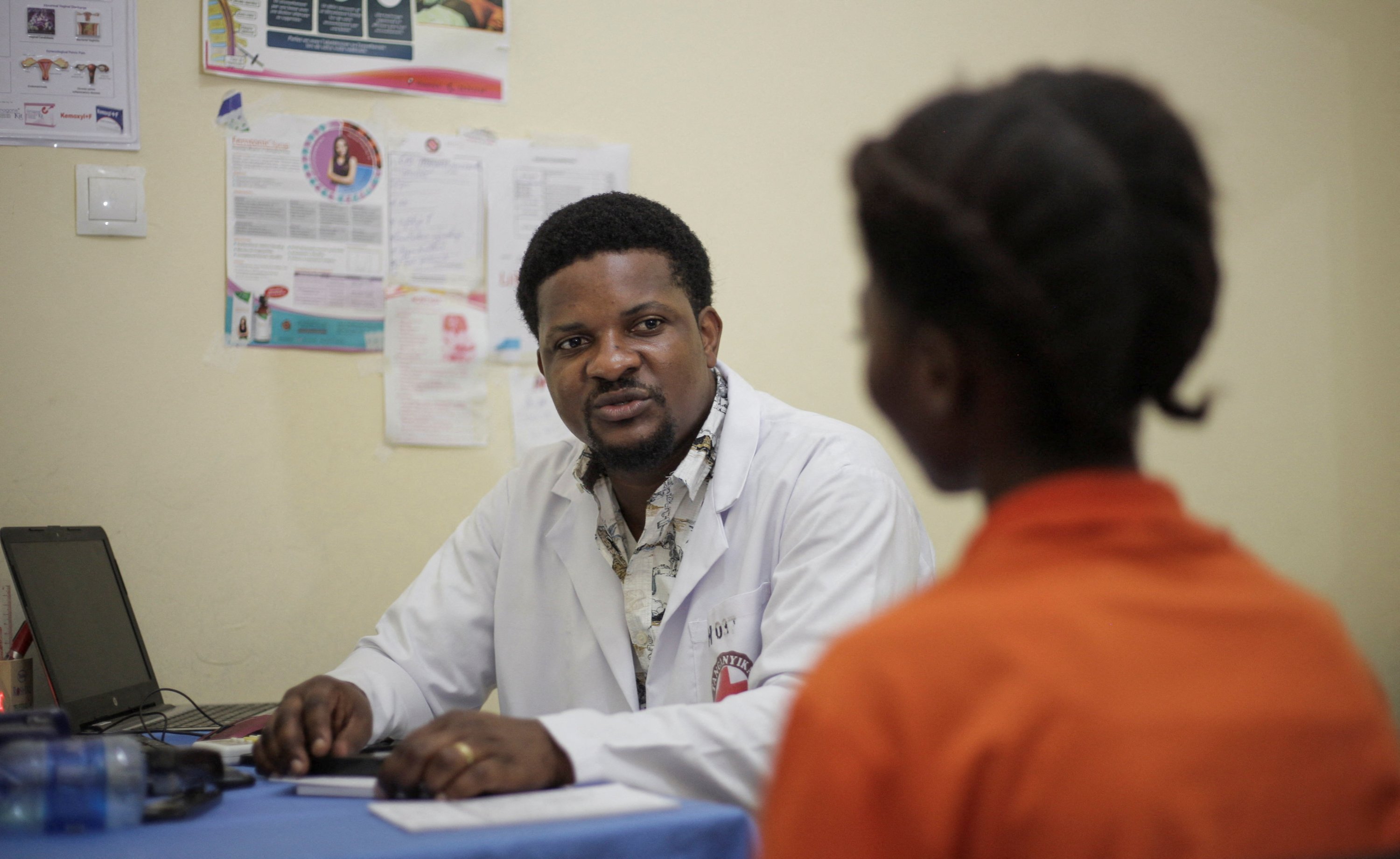
“Congo is experiencing the most difficult and gruesome moment in its history,” said Mukwege, who left Congo earlier this year amid heavy fighting. “Our children are being massacred. Our women are being raped or raped and then killed. It is one of the most dramatic crises our country has ever known.”
Through the first nine months of 2025, at least 81,388 rapes were reported in eastern Congo – a 31.5% increase over the same period the year before, according to the United Nations Population Fund. One-third of the victims were under 18. Aid agencies say the real number is far higher; fear, stigma and threats against medical staff keep many survivors silent.
James Elder, a UNICEF spokesman, said in April that sexual violence against children in Congo “has never been higher,” describing it as a “deliberate tactic of terror.”
The bloodshed persists even after Congo and Rwanda signed a U.S.-brokered agreement on Dec. 4, hailed by President Donald Trump as a “great miracle.”
He said the deal would end a war that has ravaged the region for decades.
Qatar is hosting additional talks aimed at halting fighting between Congo’s government and M23.
On the ground, the opposite appears true.
Battles have intensified across eastern Congo in the weeks since the signing, with each side blaming the other.
M23 – sanctioned by the U.S. and European Union – now controls more territory than any rebel force has in 20 years.
On Wednesday, M23 fighters entered Uvira, a major military hub near Burundi, marking another milestone in their advance.
The conflict has drawn in forces from Rwanda, Burundi, Uganda, South Africa and Congo itself, killing thousands this year alone and displacing hundreds of thousands more.
Sexual violence continues unabated.
UNFPA’s Noemi Dalmonte calls eastern Congo “one of the most dangerous places in the world to be a woman or girl.”
In an emailed statement, a senior Trump administration official insisted the peace deal “secured commitments” from both nations to stop the violence and said the U.S. expects “immediate action.”
Reuters interviewed 46 female survivors raped between 2023 and May 2025.
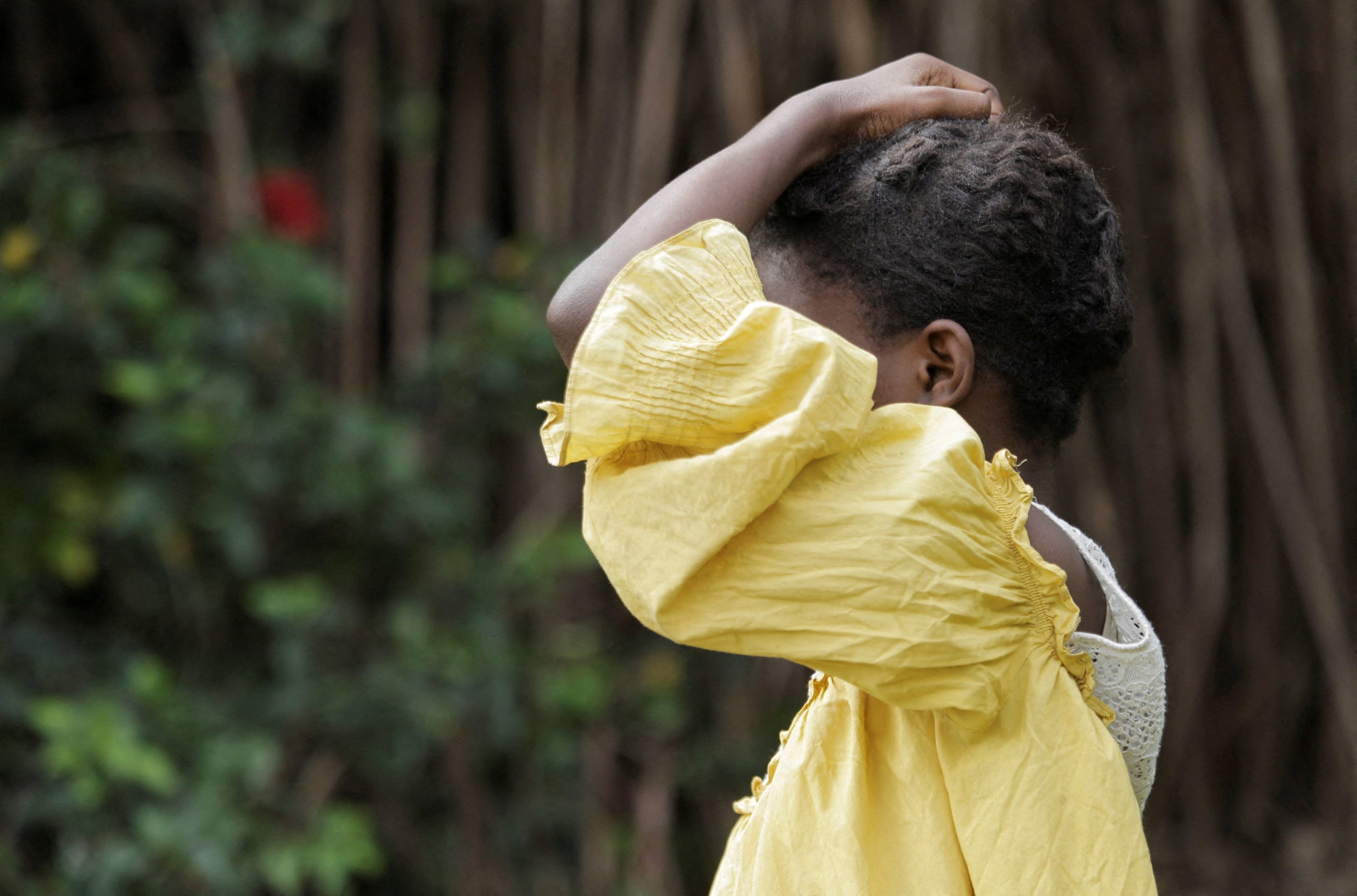
Their testimonies paint a stark picture: half said they were assaulted by M23 rebels.
Thirteen said their attackers were Congolese government soldiers.
Two pointed to the government-backed Wazalendo militia. Others could not identify their attackers.
The armed affiliations, the victims said, were recognizable through language, accents, uniforms and weapons.
M23 did not respond to requests for comment.
Corneille Nangaa, leader of an insurgent alliance that includes M23, acknowledged that “some incidents” of sexual violence may have occurred in the chaos of war but insisted such acts violate the group’s internal code.
He said some fighters had been punished, but gave no details.
The Congolese government said it condemns rape and the forced conscription of minors “in the strongest terms.”
Rwanda’s foreign minister, Olivier Nduhungirehe, dismissed allegations against M23 as “propaganda” driven by anti-Tutsi sentiment.
Nearly half of the victims interviewed were minors.
The youngest was 10.
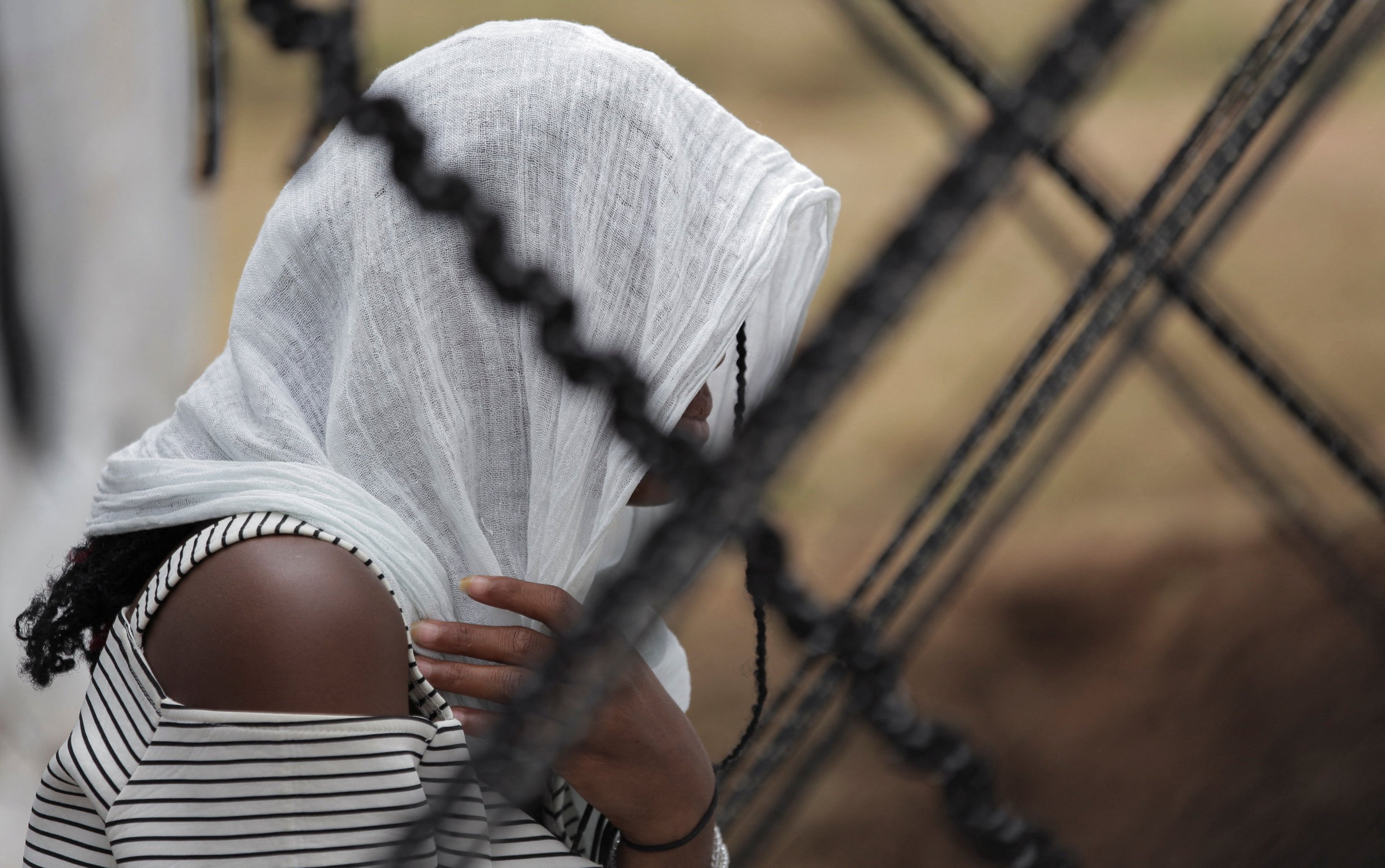
Among the most difficult stories was that of Simon, who was 15 when M23 insurgents stormed her home in Kamanyola last March.
She, her mother and her 8-year-old sister were raped.
Simon was found naked and unconscious in a nearby field, having been penetrated with knives and tree branches.
A Congolese doctor in Burundi who trained under Mukwege performed two reconstructive surgeries on her, calling her injuries the worst he had ever seen.
“She can’t walk properly. She can’t sit,” her uncle said. “She is in terrible pain, but we cannot afford more treatment.”
Salima’s suffering began in June 2024, when M23 fighters blocked her motorcycle taxi on the road home.
When she asked why she was being detained, she was beaten and dragged into the forest.
For months, she cooked, fetched firewood and carried ammunition for a mobile unit of rebels moving steadily toward Goma.
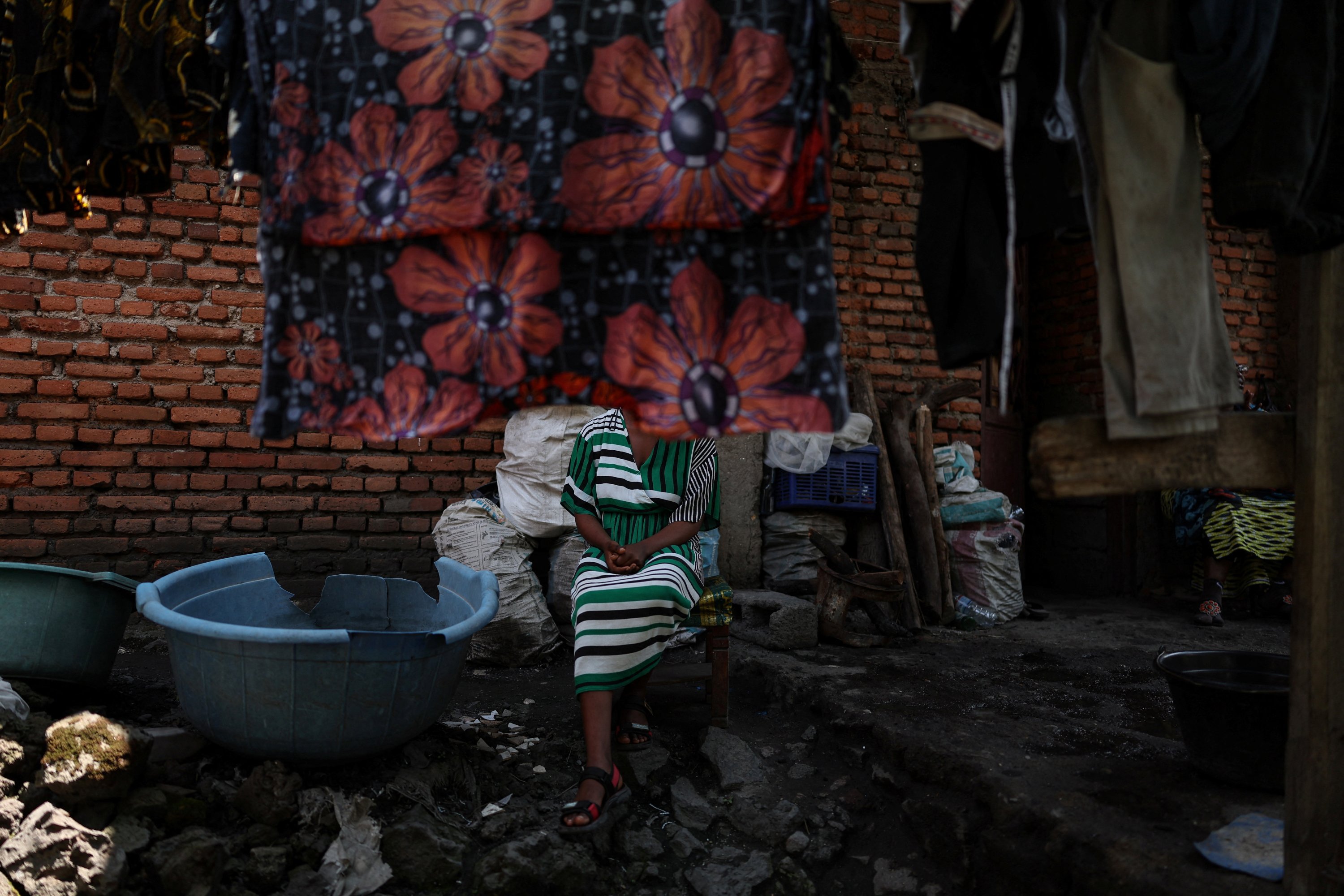
She and two other girls – one just 13 – were raped “three times a day,” she said.
A month into captivity, she and the other girls planned an escape. A fighter overheard them. One of the girls, 15-year-old Safi, tried to run. She was shot dead. Her body was left to rot, a warning.
“They would kill people like animals,” Salima said.
Her account was corroborated by Robert, a former M23 child soldier who was part of the same unit.
In January 2025, amid intense fighting, Salima and 13-year-old Nsimire finally escaped.
They reached Mugunga displacement camp, where Salima reunited with relatives.
But weeks later, M23 captured Goma, killing thousands and burning nearly 90 displacement camps, according to Congo’s prime minister.
Mugunga was destroyed.
Salima and her family fled again and now live under rebel control. She does not know what happened to Nsimire or her baby.
Robert said he was forcibly conscripted by M23 at age 16 and assigned to round up girls in captured villages – a job he carried out under threat of death.
He admitted to helping assault at least three women. He now moves between relatives’ homes in rebel-held territory, terrified M23 will find him.
“Many of us were children,” he said. “I live in hiding.”
Aid agencies estimate more than 10,000 children are in armed groups in North and South Kivu.
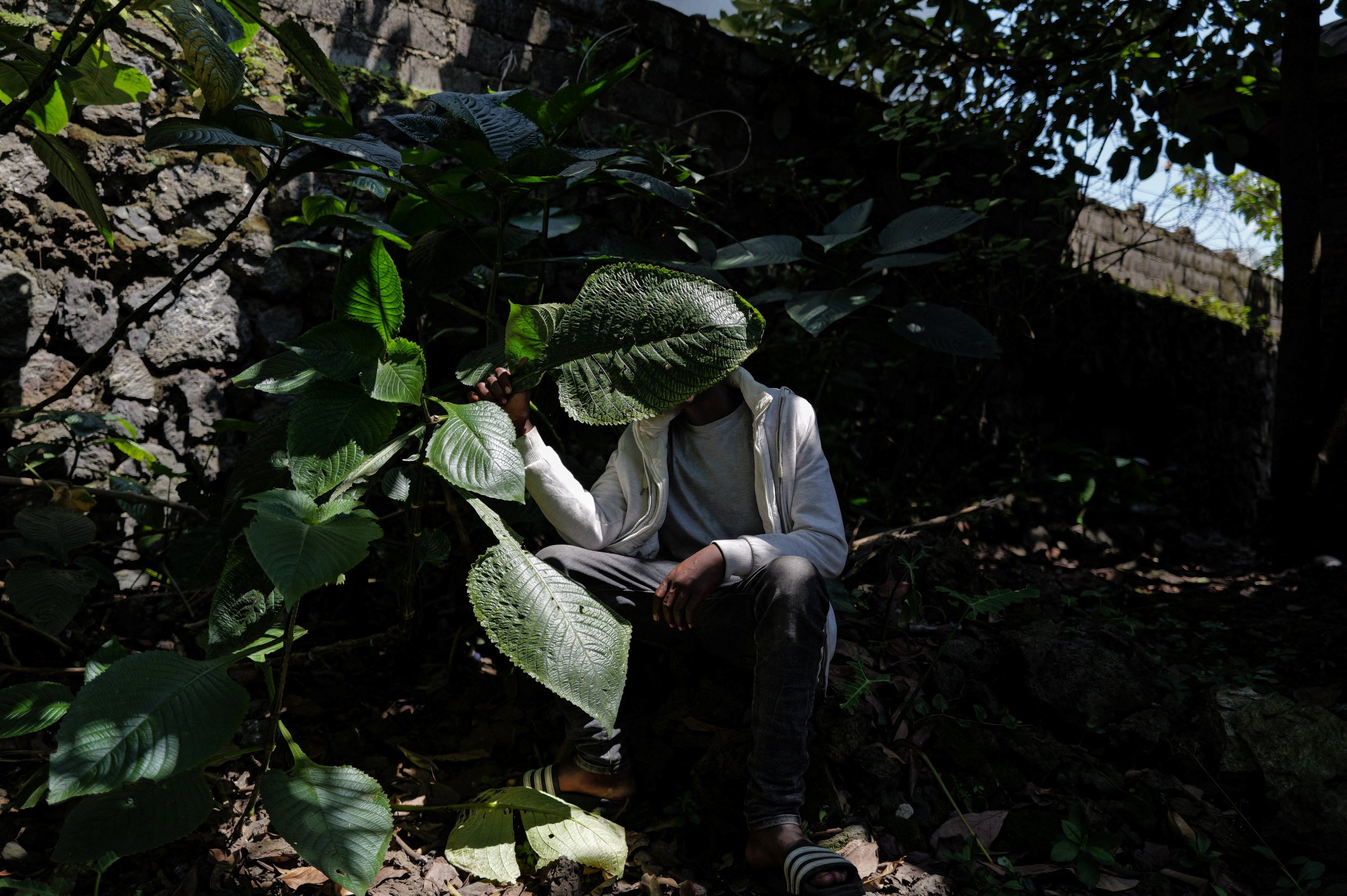
Reuters reviewed demobilization certificates, medical records, and interviewed psychologists, doctors, diplomats and aid workers who corroborated the stories of survivors like Salima and Robert.
Doctors and humanitarian workers say they too are being intimidated.
A Goma doctor showed earlier hospital registries where perpetrators’ affiliations were noted – and newer ones where that column is blank after M23 officials ordered staff to stop documenting rebel involvement.
A civil society group said rebels forced them to delete databases tracking rape, executions and kidnappings.
A U.N. report in September found serious rights violations by all parties – abuses that may amount to war crimes.
M23 and Congo’s army both denied the allegations.
Mukwege said peace talks in Qatar and the U.S. are unfolding without input from Congolese civil society.
“The process is neither inclusive nor sustainable,” he said. “The victims are completely ignored.”