The Democratic Republic of the Congo and Rwanda convened their first talks Friday following the signing of a landmark peace agreement aimed at ending decades of deadly conflict in eastern Congo’s mineral-rich region.
The eastern DRC, which shares a border with Rwanda, has endured more than 30 years of violence fueled by its abundant natural resources, resulting in thousands of casualties.
On Thursday, representatives from both countries, alongside international observers, met in Washington for the first time since signing their peace deal on June 27 in the U.S. capital, the two nations announced in a joint statement shared on social media Friday.
The agreement was hailed as a significant milestone by the African Union and the United Nations and follows a long series of truces and ceasefires that have been systematically broken.
The deal outlines provisions for “respect for territorial integrity and halting hostilities” in eastern DRC, which have yet to be implemented.
It also includes economic measures but offers few details.
Violence intensified at the beginning of the year in the DRC’s volatile east with the capture of the major city of Goma by the M23 armed group and Rwandan troops in January, followed by Bukavu in February.
According to the Congolese government and the U.N., the violence has left thousands dead and worsened a humanitarian crisis affecting hundreds of thousands of displaced people.
Since February, the front has stabilized, but violence has continued between the M23 and a motley group of pro-Kinshasa militias engaged in guerrilla warfare.
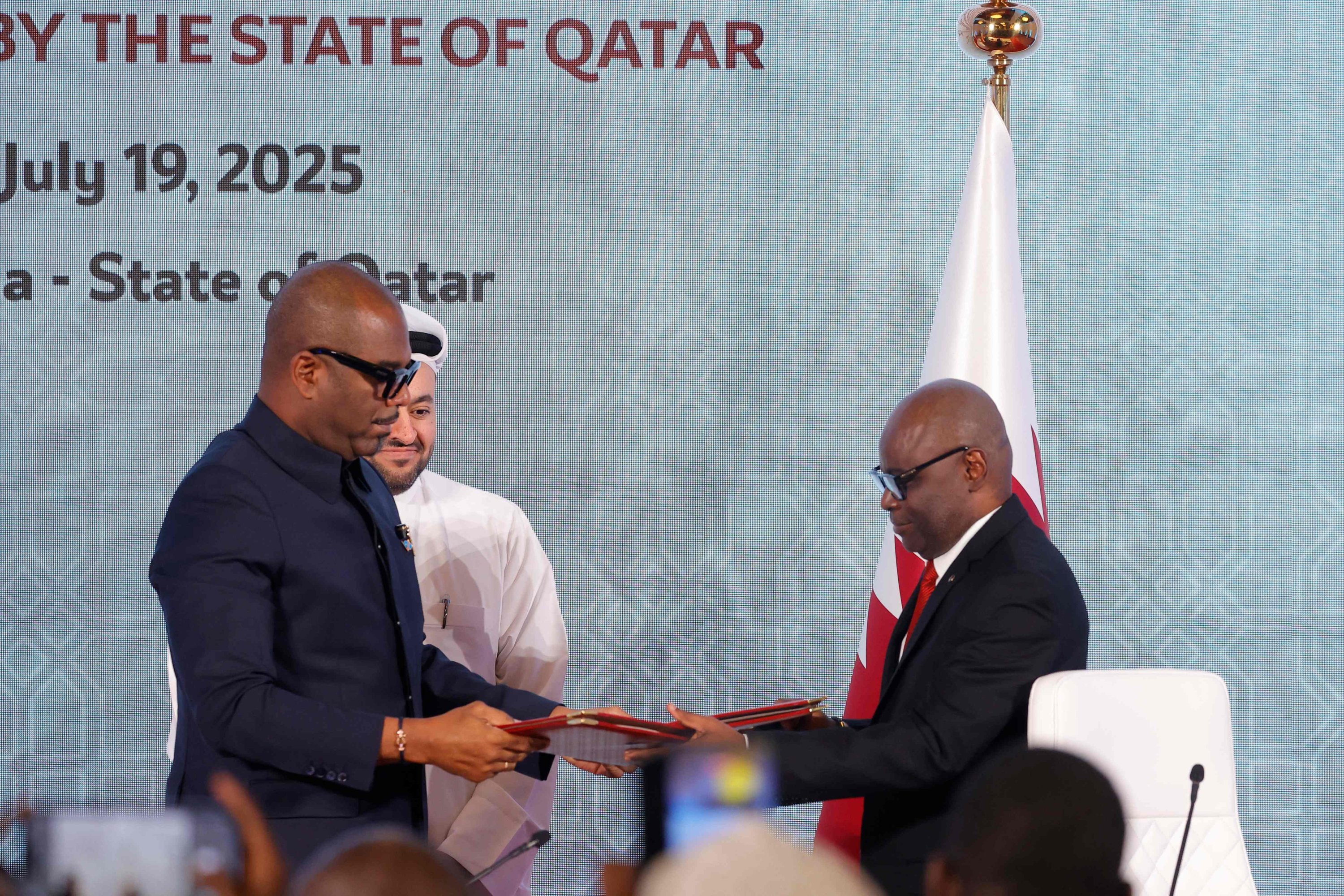
The Rwandan-backed M23 armed group and Kinshasa also signed a declaration of principles in Qatar earlier this month, including a commitment to a permanent ceasefire.
Rwanda denies providing military support to the M23 but says its security has long been threatened by armed groups, including the Democratic Forces for the Liberation of Rwanda (FDLR), established by ethnic Hutus linked to the massacres of Tutsis in the 1994 Rwanda genocide.
The DRC is the world’s leading producer of cobalt and has deposits of gold and other valuable minerals, including coltan, a metallic ore vital in making phones and laptops.