Daily Sabah logo

Politics
Diplomacy Legislation War On Terror EU Affairs Elections News Analysis
TÜRKİYE
Istanbul Education Investigations Minorities Expat Corner Diaspora
World
Mid-East Europe Americas Asia Pacific Africa Syrian Crisis Islamophobia
Business
Automotive Economy Energy Finance Tourism Tech Defense Transportation News Analysis
Lifestyle
Health Environment Travel Food Fashion Science Religion History Feature Expat Corner
Arts
Cinema Music Events Portrait Reviews Performing Arts
Sports
Football Basketball Motorsports Tennis
Opinion
Columns Op-Ed Reader's Corner Editorial
PHOTO GALLERY
JOBS ABOUT US RSS PRIVACY CONTACT US
© Turkuvaz Haberleşme ve Yayıncılık 2025

Daily Sabah - Latest & Breaking News from Turkey | Istanbul

  • Politics
    • Diplomacy
    • Legislation
    • War On Terror
    • EU Affairs
    • Elections
    • News Analysis
  • TÜRKİYE
    • Istanbul
    • Education
    • Investigations
    • Minorities
    • Expat Corner
    • Diaspora
  • World
    • Mid-East
    • Europe
    • Americas
    • Asia Pacific
    • Africa
    • Syrian Crisis
    • Islamophobia
  • Business
    • Automotive
    • Economy
    • Energy
    • Finance
    • Tourism
    • Tech
    • Defense
    • Transportation
    • News Analysis
  • Lifestyle
    • Health
    • Environment
    • Travel
    • Food
    • Fashion
    • Science
    • Religion
    • History
    • Feature
    • Expat Corner
  • Arts
    • Cinema
    • Music
    • Events
    • Portrait
    • Reviews
    • Performing Arts
  • Sports
    • Football
    • Basketball
    • Motorsports
    • Tennis
  • Gallery
  • Opinion
    • Columns
    • Op-Ed
    • Reader's Corner
    • Editorial
  • TV
  • World
  • Mid-East
  • Europe
  • Americas
  • Asia Pacific
  • Africa
  • Syrian Crisis
  • Islamophobia

Food security in tatters as locusts ravage East Africa

by Anadolu Agency

NAIROBI Oct 16, 2020 - 3:53 pm GMT+3
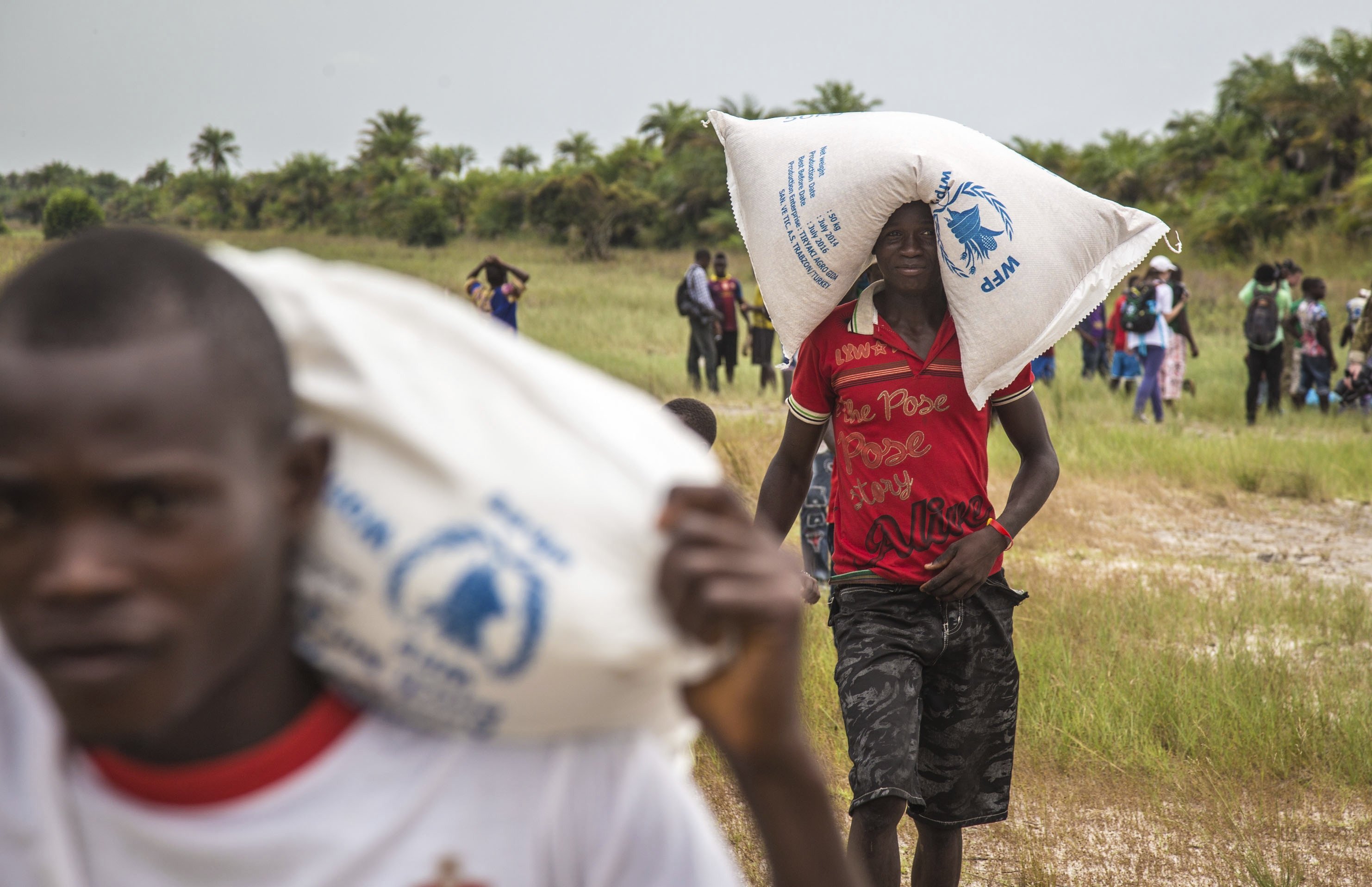
People carry food aid from the United Nations World Food Program agency, Dec. 7, 2014. (AP Photo)
by Anadolu Agency Oct 16, 2020 3:53 pm

As the world marks World Food Day on Friday with the aim of achieving "zero hunger," millions of people in East Africa are facing growing food insecurity due to desert locust invasions.

In Kenya, locust swarms – said to be the worst in 70 years – ravaged farmlands just before the harvest period, destroying huge swathes of food crops.

According to the World Bank, the country's northern region is the worst-hit and the food security of some 3 million people is under threat.

East Africa's food basket region received copious rainfall over the summer, promising farmers a good yield and giving nomadic pastoralists abundant grazing land.

The downpour, though, also provided fodder for desert locust swarms that originated in Yemen, moved to Somalia and spread across East Africa.

The U.N.'s food assistance agency has warned that a new wave of locusts is about to hit the region, saying the imminent insect invasion will aggravate existing food shortages.

In May, the World Food Programme (WFP) said 20 million people were food insecure in Kenya, Uganda, Ethiopia, Djibouti, Rwanda, Sudan, Burundi, South Sudan, Somalia and Eritrea.

In Kenya, where locusts have torn through more than a quarter of the country's counties, farmers and nomadic pastoralists have been left devastated.

"The locusts have eaten everything in my farm; an acre of maize, millet, watermelons, and vegetables was just gone in a single day," Anne Ajele, a farmer in the Turkana East county, told Anadolu Agency.

"Even thieves would not have taken this much from me. I will sleep hungry and so will you because your food comes from farms like mine."

According to the U.N.'s Food and Agriculture Organization (FAO), locust swarms can range from less than 1 square kilometer to over 1,000 square kilometers. Each square kilometer of a swarm can have between 40 million to 80 million locusts.

A desert locust adult can consume roughly its own weight in fresh food per day-about two grams every day, so a small swarm eats the same amount of food in a day as about six elephants, 20 camels, or 35,000 people, according to FAO.

"The damage that desert locusts can cause is not an exaggeration. Many farmers are facing grave threats to their food security. We have to support them through this crisis and the recovery period," said Tobias Kavarsha, a representative of the U.N. agency in Kenya.


  • shortlink copied
  • KEYWORDS
    world food day africa locust food insecurity world bank world food programme kenya
    The Daily Sabah Newsletter
    Keep up to date with what’s happening in Turkey, it’s region and the world.
    You can unsubscribe at any time. By signing up you are agreeing to our Terms of Use and Privacy Policy. This site is protected by reCAPTCHA and the Google Privacy Policy and Terms of Service apply.
    No Image
    Holy journey: Muslims flock to Mecca for hajj
    PHOTOGALLERY
    • POLITICS
    • Diplomacy
    • Legislation
    • War On Terror
    • EU Affairs
    • News Analysis
    • TÜRKİYE
    • Istanbul
    • Education
    • Investigations
    • Minorities
    • Diaspora
    • World
    • Mid-East
    • Europe
    • Americas
    • Asia Pacific
    • Africa
    • Syrian Crisis
    • İslamophobia
    • Business
    • Automotive
    • Economy
    • Energy
    • Finance
    • Tourism
    • Tech
    • Defense
    • Transportation
    • News Analysis
    • Lifestyle
    • Health
    • Environment
    • Travel
    • Food
    • Fashion
    • Science
    • Religion
    • History
    • Feature
    • Expat Corner
    • Arts
    • Cinema
    • Music
    • Events
    • Portrait
    • Performing Arts
    • Reviews
    • Sports
    • Football
    • Basketball
    • Motorsports
    • Tennis
    • Opinion
    • Columns
    • Op-Ed
    • Reader's Corner
    • Editorial
    • Photo gallery
    • DS TV
    • Jobs
    • privacy
    • about us
    • contact us
    • RSS
    © Turkuvaz Haberleşme ve Yayıncılık 2021