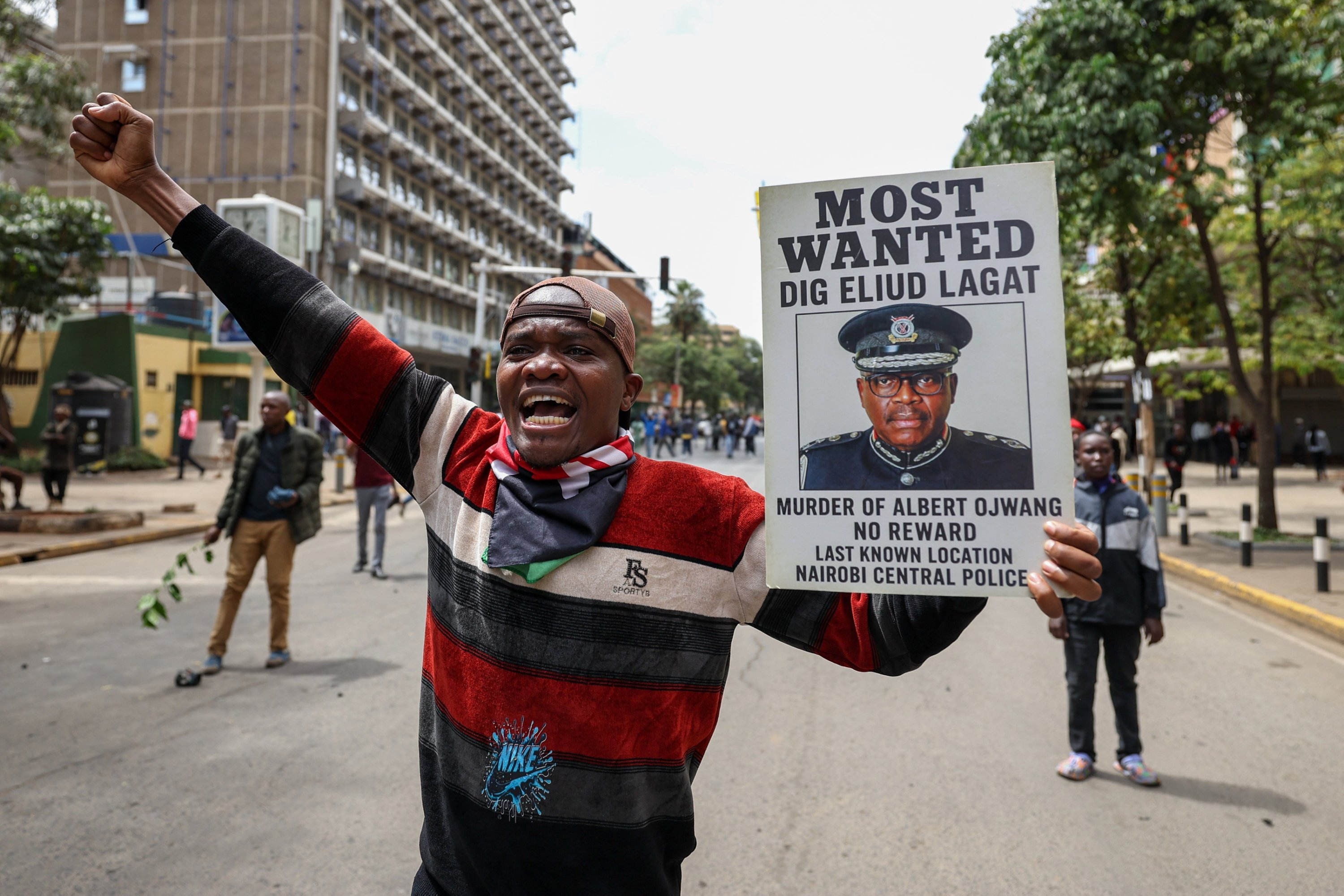
Kenyans flooded the streets of Nairobi on Thursday, demanding justice for Albert Ojwang, a political blogger who died in police custody under highly disputed circumstances.
Ojwang, 31, was arrested on June 6 in Homa Bay, western Kenya, for allegedly spreading false information about Deputy Inspector General Noor Gabow.
Police transported him 400 kilometers to Nairobi, where he died days later at Central Police Station – officials initially claimed he fatally "hit his head against the cell wall."
But that version is collapsing.
A government pathologist’s report contradicted the police narrative, citing head trauma, neck compression, and soft tissue injuries consistent with assault.
The Independent Policing Oversight Authority (IPOA) has launched a formal investigation and identified five officers involved in Ojwang’s arrest and transfer.
"This was not suicide," Police Inspector General Douglas Kanja told a Senate hearing on Wednesday, retracting earlier claims. He issued a rare public apology on behalf of the police force.
President William Ruto, under increasing public pressure, broke his silence midweek:
"This tragic occurrence, at the hands of the police, is heartbreaking and unacceptable," Ruto said. "We must follow the investigation with vigilance, without rushing to judgement."
But the streets have already judged.
Protesters blocked roads leading to Parliament as Kenya’s national budget was being tabled. At least two vehicles were torched near the city center, and police deployed tear gas in chaotic scenes echoing last year’s deadly finance bill protests.
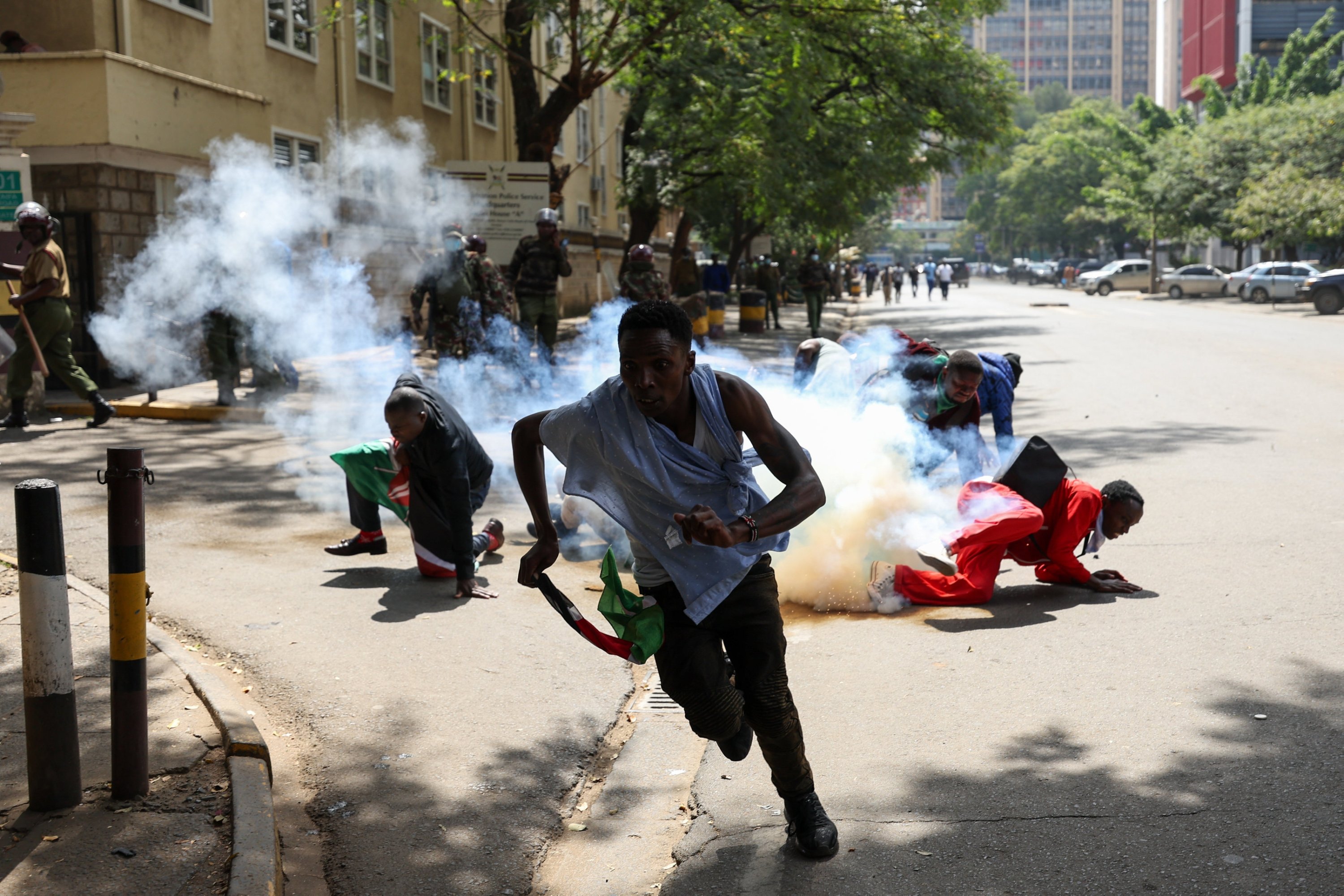
Ojwang’s death has become a flashpoint in the nation’s long battle with police violence. His final post had criticized high-ranking police officials – one of many he wrote addressing Kenya’s political and social fault lines. He never got a chance to post again.
On June 8, two days after his arrest, he was taken to a Nairobi hospital and declared dead. IPOA officials attended the autopsy and confirmed injuries incompatible with the initial police claims.
Interior Minister Kipchumba Murkomen promised accountability.
“We are committed to ensuring that everyone involved in this crime is brought to justice – without interference from any quarter,” he told lawmakers.
Rights groups, already on edge after a string of enforced disappearances and killings, say Ojwang’s case fits a disturbing pattern of repression under Ruto’s administration.
The president, elected on reformist promises, now faces a familiar reckoning: whether to protect the people – or the system that protects his power.