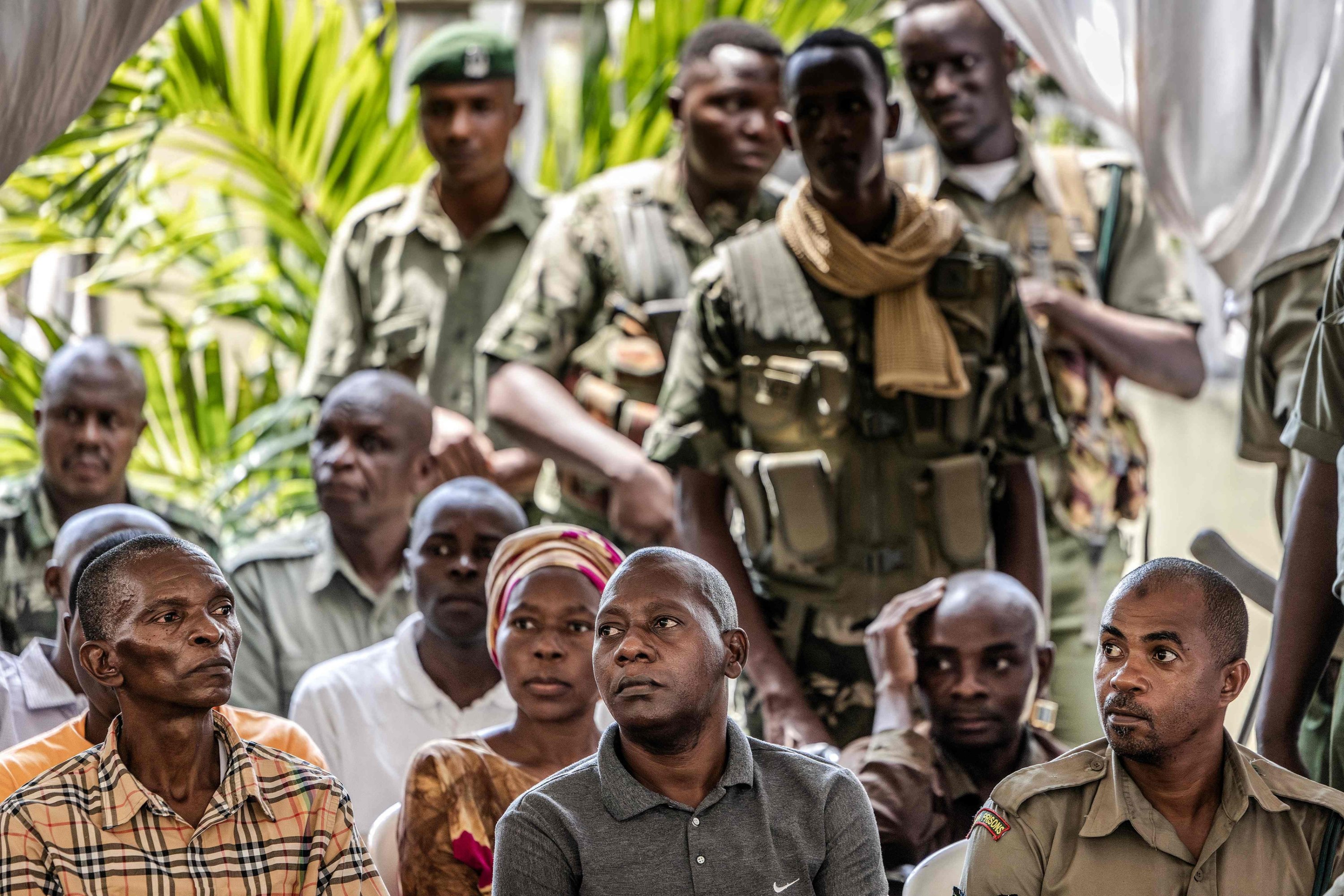
Self-proclaimed Kenyan pastor Paul Mackenzie faces a possible death sentence Friday for orchestrating a starvation cult that killed 190 children and an adult, as grieving families fear his influence could survive behind prison walls.
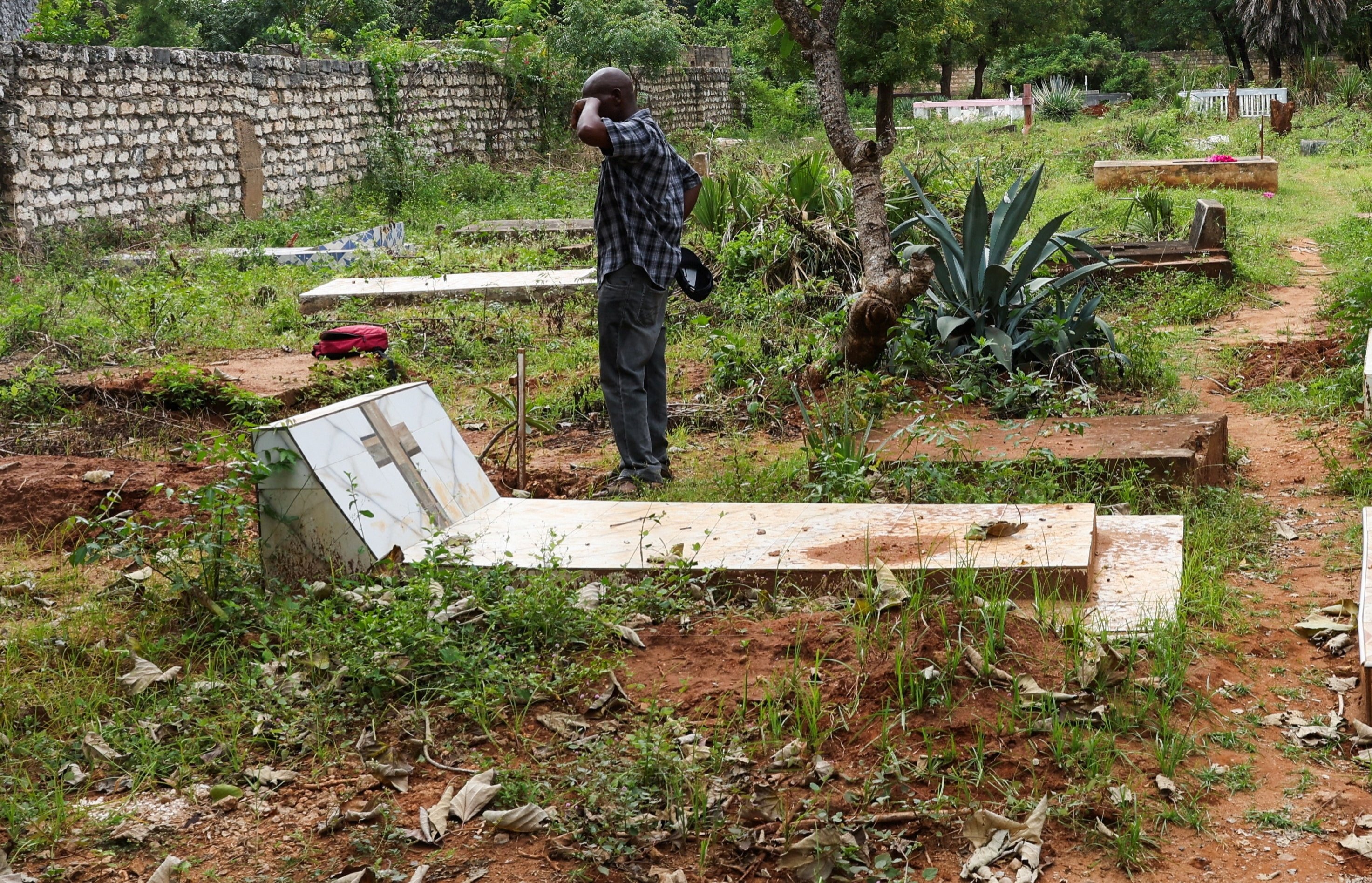
For Stephen Mwiti, whose six children died in the Shakahola Forest after his wife took them there in 2022, no punishment can undo the devastation. Even if Mackenzie is executed, the father says, he will never get his children back.
"Even if he were to be hanged, I will never see my children again," Mwiti, 48, told Reuters this week while visiting the grave of his son Samuel in the coastal city of Malindi.
Samuel, who was about 7 when he entered the forest, was the only one of Mwiti's six children whose remains could be identified.
Severe decomposition made it difficult for investigators to identify most of the victims, with authorities confirming the identities of only 26 of more than 400 bodies recovered from the area.
Mwiti is also concerned that Mackenzie and his followers could continue spreading their beliefs if they are imprisoned.
He hopes the cult leader and his co-defendants, including his wife, will be kept in solitary confinement to prevent them from recruiting or influencing other inmates.
The case, known as the Shakahola Forest Massacre, is among the deadliest cult-related tragedies in recent history. Prosecutors said Mackenzie instructed followers to starve themselves and their children to death so they could reach heaven and meet Jesus before the world ended.
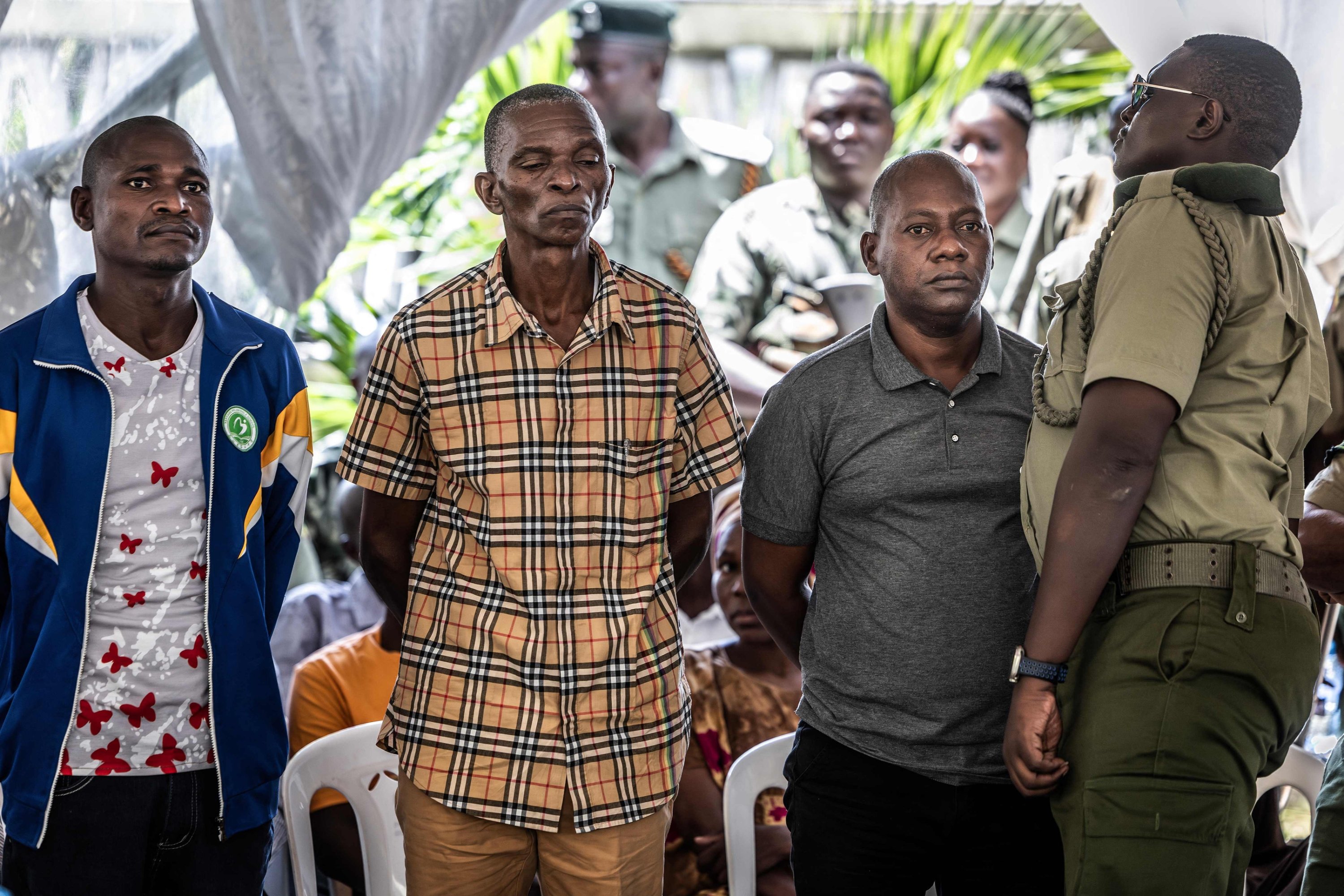
Mackenzie and 28 co-defendants were convicted last month of murdering 190 children and an adult between January 2021 and September 2023. His lawyer has said he intends to appeal.
The former taxi driver has denied forcing anyone to starve, while most of his co-defendants, including Mwiti's wife, also denied the charges.
But Mwiti rejected Mackenzie's defense, questioning how children could have voluntarily participated in the fasting and pointing to evidence of physical violence against some victims.
"Assuming the adults he had converted agreed to fast without being forced, what about the children?" he said. "The post mortem even revealed that ... Samuel died after being strangled. Was that also by will?"
Kenya's Office of the Director of Public Prosecutions has urged the court to impose the death penalty on Mackenzie, citing the extraordinary loss of life and the threat his actions posed.
Deputy Director of Public Prosecutions Jami Yamina said prosecutors supported capital punishment, subject to the court's consideration of Mackenzie's mitigation, remorse, regret and prospects of rehabilitation.
Although the death penalty remains part of Kenyan law, the country has not carried out an execution since 1987.
Prosecutors have also asked the court to sentence Mackenzie's co-defendants to life imprisonment, arguing that they were deeply indoctrinated and could pose a risk of reoffending.

About 120 prosecution witnesses testified during the trial, describing a religious movement that rejected formal education as satanic, portrayed modern medicine and hospitals as instruments of the devil and encouraged followers to isolate themselves from the outside world.
Mackenzie was arrested in April 2023 after a rights organization alerted authorities, leading to the rescue of several followers from his 325-hectare (800-acre) ranch in Shakahola Forest, on Kenya's coast.
The investigation uncovered hundreds of graves and bodies. The Kenya National Commission on Human Rights put the death toll at 429 in 2024, although some victims remain unidentified.
Authorities also reported that Mackenzie's followers continued promoting his teachings after his arrest. Last year, investigators discovered dozens more bodies in a nearby village, which they linked to the cult.
The discoveries have intensified concerns about the movement's lasting influence and raised questions about how it operated for so long.
Mackenzie had previously been arrested twice but was released, a history that has fueled demands for tighter regulation of religious organizations and greater scrutiny of self-proclaimed religious leaders.
For Mwiti, the legal proceedings offer little comfort as he struggles with the loss of all six children.
Four years after he last saw them, reminders of his family remain difficult to bear. Seeing children while walking home from work can trigger painful memories, particularly when one resembles a son or daughter he lost.
"When I leave work and come across children, I get startled," he said. "At times, a child looks so much like one of my children that it shocks me."
At Samuel's grave, marked by a wooden cross, Mwiti held photographs of his children alongside some of their old school uniforms. He had hoped to bury the belongings with them but was left with little to remember them by.
"These are all the memories I have left," he said.
Other families share his grief and anger. Francis Wanje, a 62-year-old teacher who lost two grandchildren, told AFP he hoped Mackenzie would receive the death penalty to prevent similar tragedies.
"Nothing can ease the pain," Wanje said, while blaming authorities for failing to intervene sooner.
"I really have great (anger) towards the authorities. If they had taken action, we would not be here today," he added.
Mackenzie also faces separate manslaughter and terrorism charges, which he denies.