Hundreds of people in northwest Congo have tested positive for malaria as health officials investigate the cause of a surge that has surpassed 1,000 cases and resulted in at least 60 deaths.
While malaria, a mosquito-borne disease, is common in Congo's Equateur province, the World Health Organization has not ruled out other potential causes. The U.N. health agency said Thursday it remains unclear whether the outbreaks are connected.
"Thorough epidemiological and clinical investigations, along with additional laboratory testing, are still necessary," the WHO's Africa office said.
Nearly 1,100 cases have been reported since the first outbreaks emerged in two villages more than 100 miles apart in late January.
Africa’s top public health agency said infections have been detected in at least five villages, and it is investigating whether water or food could be the cause of the infections, along with flu and typhoid.
However, tests are "pointing toward malaria," Dr. Ngashi Ngongo of the Africa Centers for Disease Control and Prevention said in an online briefing Thursday.
The first outbreak was detected in the village of Boloko after three children ate a bat and died within 48 hours. WHO has recorded 12 cases and eight deaths in Boloko. Nearly half of the people who died did so within hours of the onset of symptoms, health officials said this week.
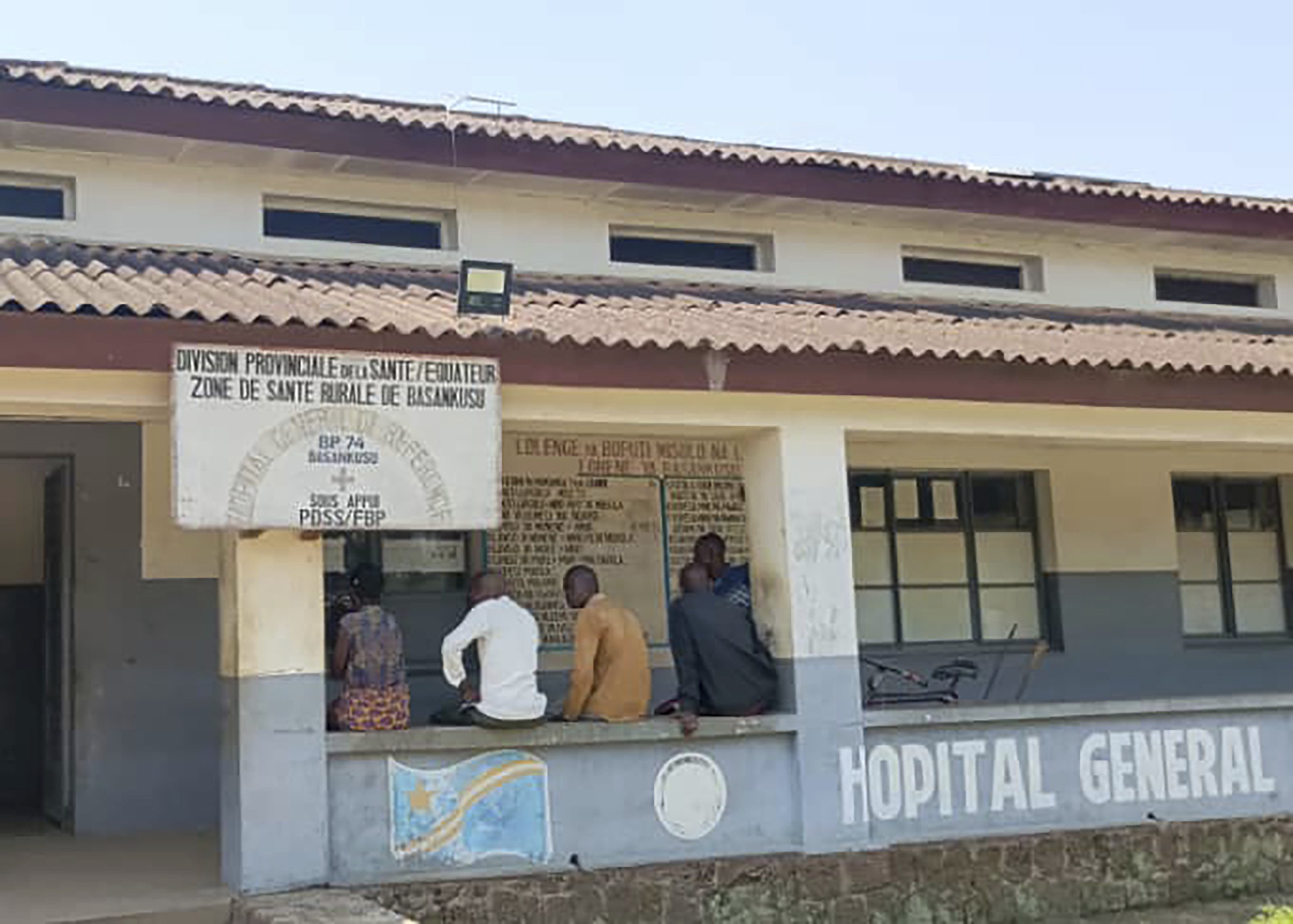
The village of Bomate, about 200 kilometers (125 miles) from Boloko, has been hardest hit: 98% of the cases and 86% of deaths have been recorded in Bomate, in the Basankusu health zone, WHO said. Of 571 patients in Basankusu who were tested for malaria, 309 – 54.1% – tested positive, it said.
Patients have shown common malaria symptoms such as fever and body aches. Other symptoms include chills, sweating, stiff neck, runny or bleeding nose, cough, vomiting, and diarrhea.
Eddy Djoboke said he and his family fled Bomate because they were afraid of falling ill. After they left, one of his children complained of neck and stomach pain, suggesting he may have been infected before they fled.
"We were asked to have tests done and we are waiting for what happens next," Djoboke said.
Marthe Biyombe said her child became infected in Bomate and was suffering from body aches and fever. She said the hospital struggled to treat her child because of a lack of medication, but that she was able to buy drugs privately, and WHO doctors eventually arrived with more supplies.
"When we arrived at the hospital, we went two weeks without medicine. There were no medicines, and we bought the medicines elsewhere before the WHO doctors came and started giving us the medicines,” Biyombe said. She did not specify the drugs given to her child.
Experts say access to the sick has been hindered by the remote locations of the affected villages, and several people died before medical teams could reach them.