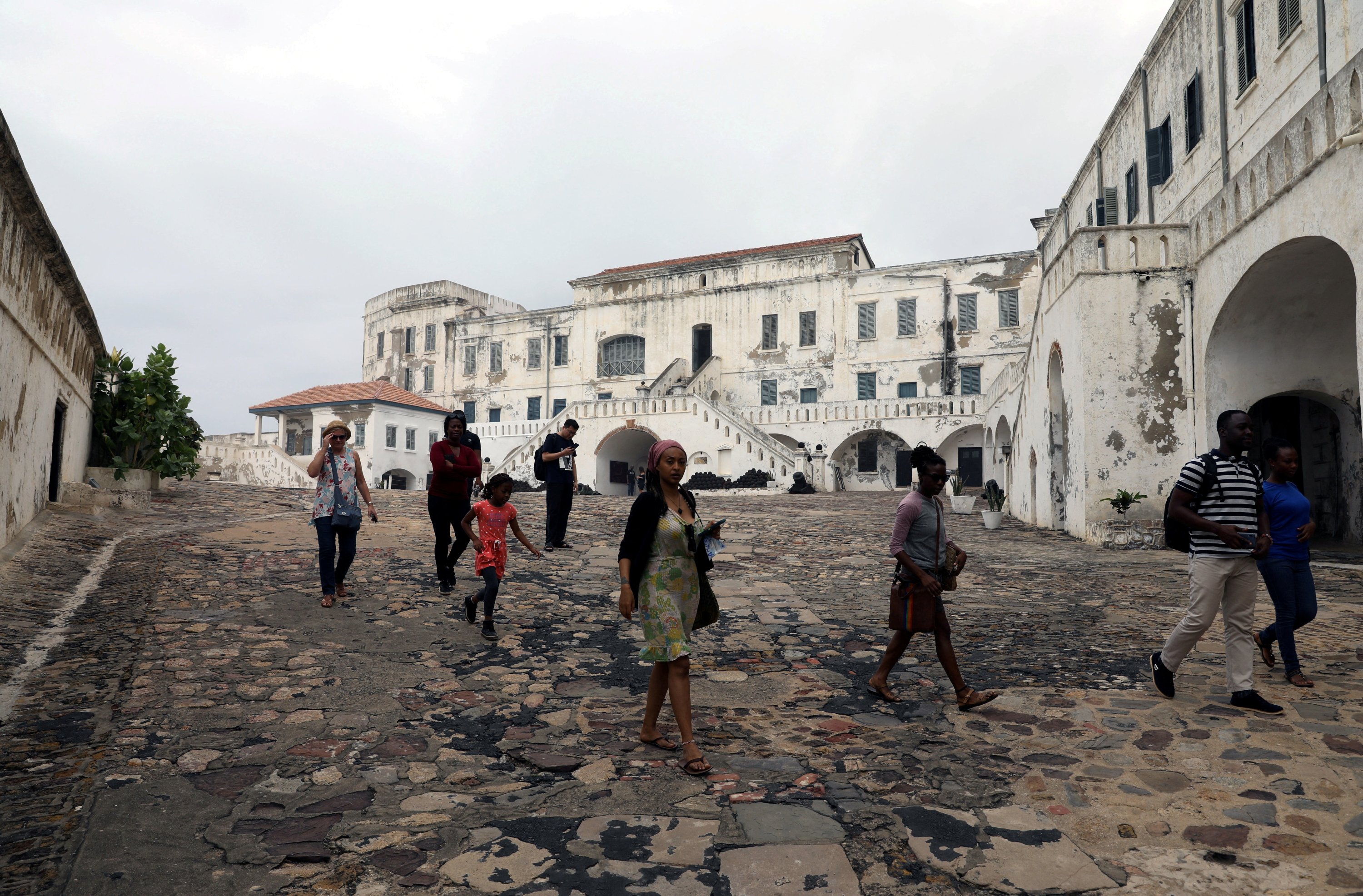
The U.N. General Assembly on Wednesday designated the trafficking of enslaved Africans as “the gravest crime against humanity” and called for reparations as a “concrete step towards remedying historical wrongs."
The resolution also urges "the prompt and unhindered restitution" of cultural items - including artworks, monuments, museum pieces, documents and national archives - to their countries of origin without charge.
The vote in the 193-member world body was 123-3, with 52 abstentions. Argentina, Israel and the United States were the three members voting against the resolution. The United Kingdom and members of the European Union were among those that abstained.
In the United States, support for reparations gained momentum in the wake of the murder of George Floyd by a Minneapolis police officer in 2020. However, the issue has been a difficult one and has been caught up in a broader conservative backlash over how race, history and inequality are handled in public institutions.
Unlike Security Council resolutions, General Assembly resolutions are not legally binding but they are an important reflection of world opinion.
"Today, we come together in solemn solidarity to affirm truth and pursue a route to healing and reparative justice," Ghana's President John Dramani Mahama, a key architect of the resolution, told the assembly before the vote.
"The adoption of this resolution serves as a safeguard against forgetting," he said. "Let it be recorded that when history beckoned, we did what was right for the memory of the millions who suffered the indignity of slavery."
The United Kingdom's acting U.N. Ambassador James Kariuki, speaking on behalf of mainly Western nations, said the history of slavery and "its devastating consequences and long-lasting impacts" must never be forgotten.
Western nations are committed to tackling the root causes that persist today, he said, pointing to racial discrimination, racism, xenophobia and intolerance. He said "the scourge of modern slavery" must also be addressed - trafficking, forced labor, sexual exploitation and forced criminality.
The resolution "unequivocally condemns the trafficking of enslaved Africans and racialized chattel enslavement of Africans, slavery and the transatlantic slave trade as the most inhumane and enduring injustice against humanity."
In approving the resolution, the General Assembly affirms the importance of addressing the historical wrongs of slavery "in a manner that promotes justice, human rights, dignity and healing,."
The resolution calls on U.N. member nations to engage in talks "on reparatory justice, including a full and formal apology, measures of restitution, compensation, rehabilitation, satisfaction, guarantees of non-repetition and changes to laws, programs and services to address racism and systemic discrimination."
It encourages voluntary contributions to promote education on the transatlantic slave trade and asks the African Union, the Caribbean Community and the Organization of American States to collaborate with U.N. bodies and other nations "on reparatory justice and reconciliation."