For the first time since October, a United Nations humanitarian team entered el-Fasher, the capital of North Darfur, to assess the aftermath of a violent takeover by Sudan’s paramilitary Rapid Support Forces (RSF).
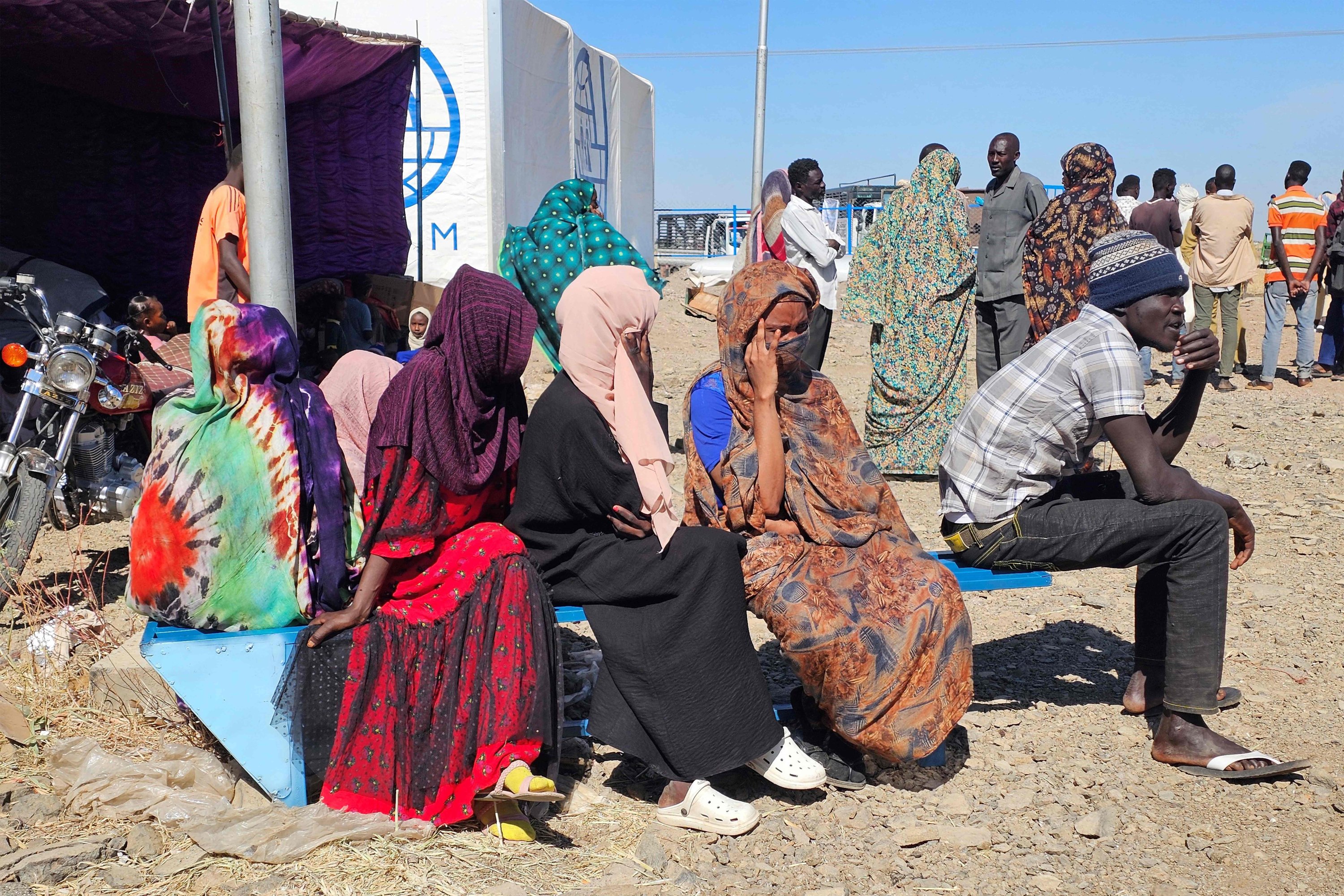
The visit offered a grim glimpse into a city largely emptied by fear, with hundreds of residents still clinging to life amid widespread destruction, shortages of food and medicine, and makeshift shelters.
The RSF’s takeover followed a year-long siege of the city by the paramilitary force, during which survivors report indiscriminate killings in homes, hospitals, and streets.
Satellite images and witness accounts suggest bodies were burned or buried in mass graves.
The U.N. said it was unable to verify the full scale of the killings, and the death toll remains unknown.
“It was a tense mission because we’re going into what we don’t know... into a massive crime scene,” said Denise Brown, U.N. humanitarian coordinator for Sudan.
Brown described the city as eerily quiet, punctuated by signs of destruction and “a lot of cleaning up” that appeared to have been conducted by RSF forces.
The Saudi Hospital, where reports say 460 patients and companions were killed during the takeover, was among the locations assessed. “The building is there, it’s clearly been cleaned up,” Brown said. “But that doesn’t erase the story, the people who fled carried that story with them.”
El-Fasher had been the last stronghold of Sudan’s military in Darfur, but it now lies under RSF control.
The paramilitary and military forces have been locked in conflict since April 2023, resulting in widespread atrocities, mass displacement, and what the United States has described as a potential genocide in Darfur.
The U.N. team’s visit focused on identifying safe humanitarian routes and conducting preliminary assessments.
Villages surrounding el-Fasher appeared abandoned, and Brown said there are indications that residents are still being detained or left injured, unable to reach medical care. Those who remain in the city live in shelters improvised from plastic sheets, blankets, and debris from destroyed homes.
The absence of toilets and clean drinking water worsens an already dire situation.
Medical care is virtually nonexistent.
Mohamed Elsheikh, spokesperson for the Sudan Doctors Network, said that hospitals in el-Fasher are paralyzed. “El-Fasher has no sign of life, the healthcare system is completely paralyzed. Hospitals barely have access to any medical aid or supplies,” he said.
Food scarcity has forced survivors to rely on a fragile market that recently reopened, selling only limited produce like tomatoes and onions.
Prices have soared, with one kilogram of rice reportedly fetching $100.
A charity kitchen recently opened in a school shelter to provide meals, food baskets, and basic supplies, with more community kitchens planned across 16 displacement centers, each sheltering dozens of residents.
Brown emphasized that the humanitarian crisis in el-Fasher is emblematic of a broader pattern of atrocities across Sudan. “This is not isolated,” she said. “We anticipate similar situations in other areas affected by this conflict.”
Rights groups accuse the RSF of war crimes during the city’s siege, while the Sudanese military has also faced allegations of rights violations. Both forces’ actions have fueled one of the world’s worst humanitarian crises.
Sudan’s Transitional Sovereignty Council chairman, Abdel Fattah al-Burhan, pledged victory over the RSF while reiterating that national reconciliation remains possible.
Speaking on the 70th anniversary of Sudan’s independence, Burhan said the war had strengthened national unity and resolve, particularly in Darfur and Kordofan.
“Victory is coming, and it will belong to the Sudanese people,” he said, praising political factions that support the army while leaving the door open for others to join a peace process.
Sudan’s war has displaced millions, killed thousands, and left large swaths of the country in chaos.
The RSF now controls most of Darfur, while the army holds northern parts of North Darfur and the remainder of the country, including the capital, Khartoum.