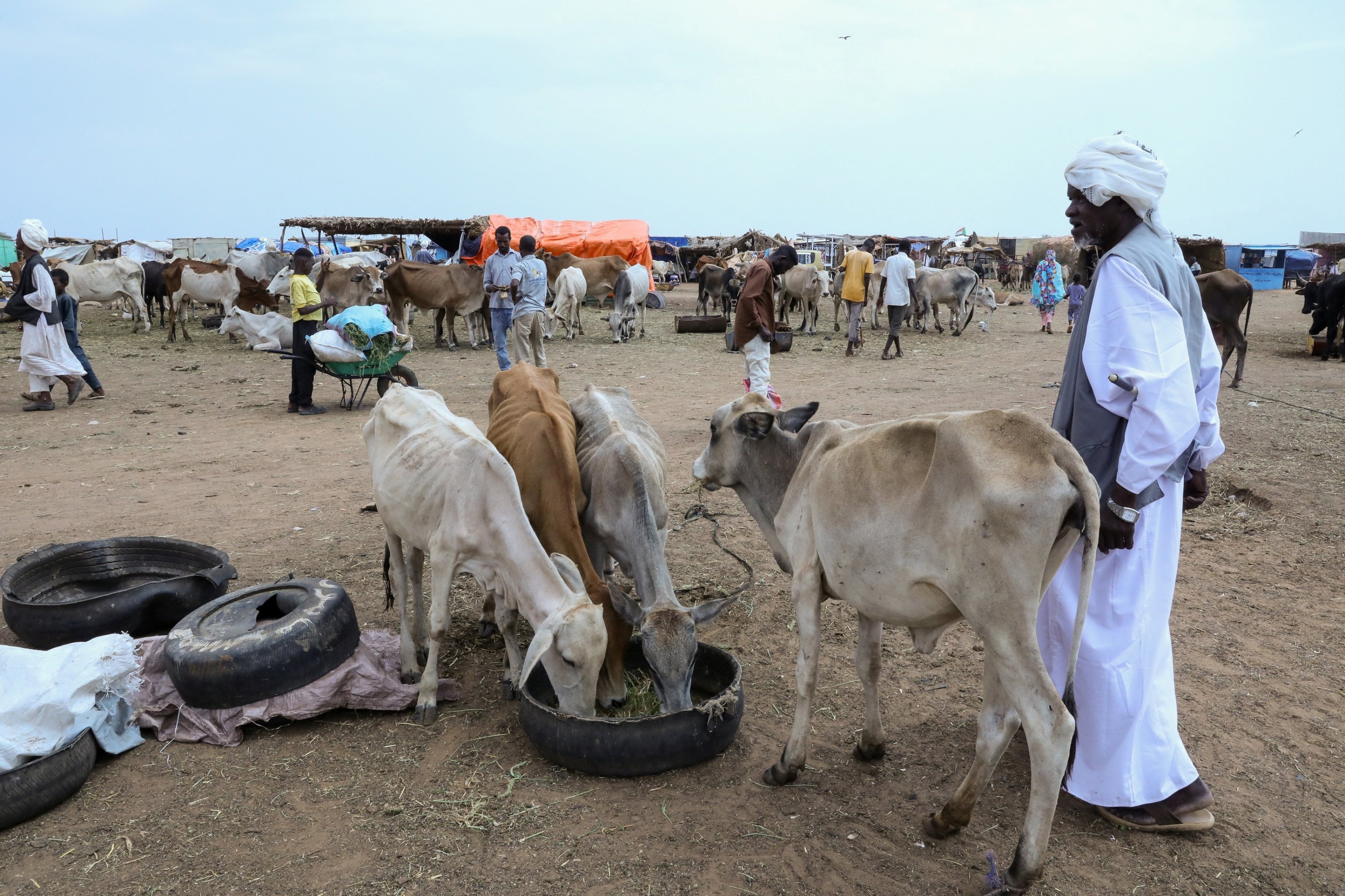
Farmers across Sudan are facing a devastating harvest as drought and soaring temperatures compound the effects of a civil war that has already pushed millions toward hunger, raising fears of a worsening famine.
El Nino, the climate pattern threatening parts of Africa with extreme weather, has brought higher temperatures and drought to Sudan, where pockets of famine have emerged during more than three years of fighting.
Rain-fed agriculture, which supplies much of the country’s food, is suffering as crops wither, livestock weaken and farmers struggle to salvage their fields.
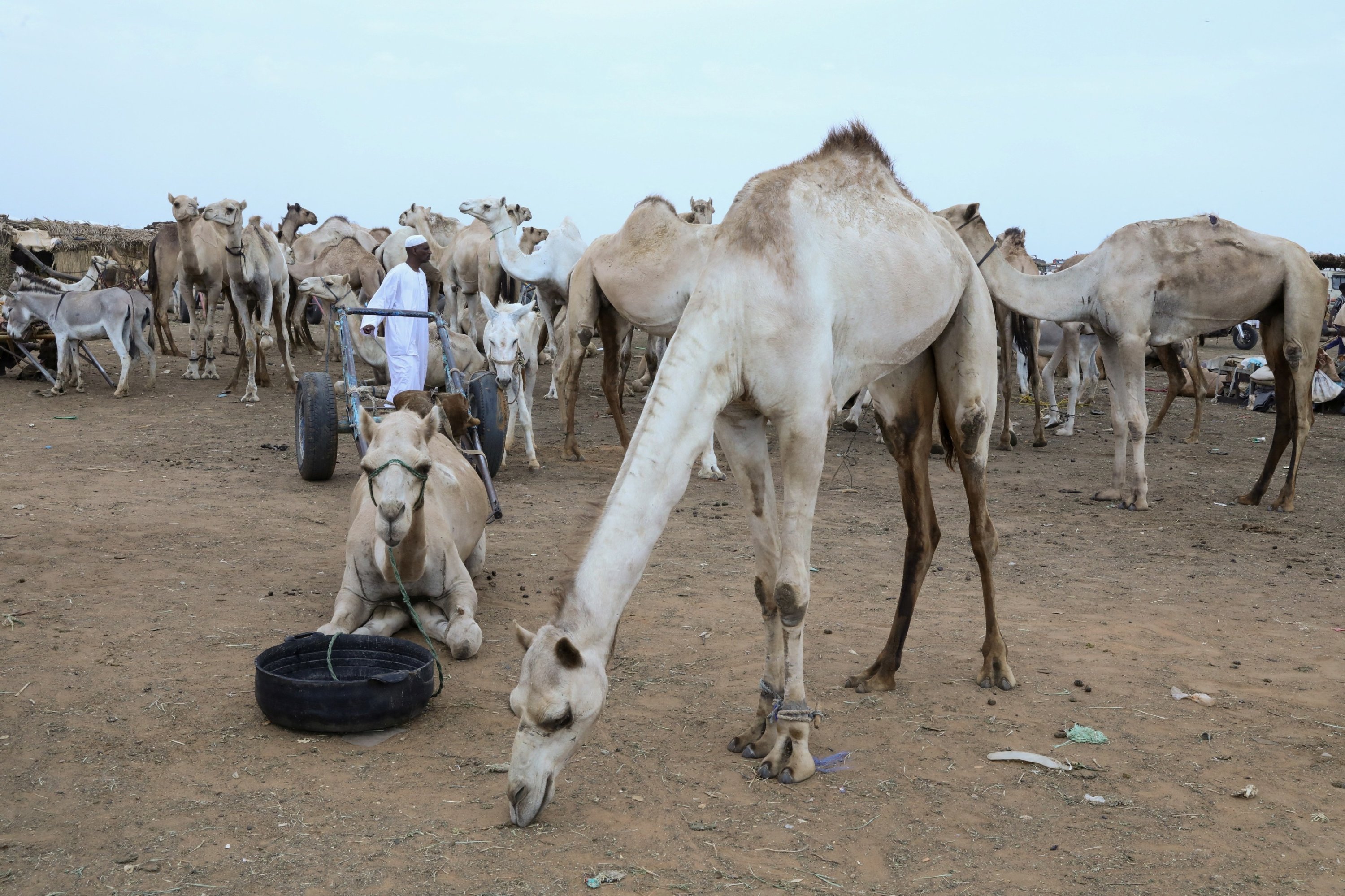
Rainfall during July through September, Sudan’s peak rainy season, was the lowest in more than three decades nationwide, according to U.S. Geological Survey data.
North Darfur recorded its lowest rainfall since 1984, the year a devastating famine struck Sudan and Ethiopia. North Kordofan experienced its lowest rainfall since 1990, while southeastern Gedaref state recorded its lowest since 1991.
“The risk of famine is growing in many conflict-affected areas of Sudan, with the impact of El Nino-induced drought compounding already dire conditions,” the U.N.-backed Integrated Food Security Phase Classification (IPC) said in an Oct. 12 alert.
In June, the IPC estimated that 5.1 million people faced severe hunger. The figure is being updated, but the drought threatens to reverse expected improvements as the harvest season begins.
The World Food Program forecasts that drought will leave an additional 350,000 people facing severe hunger by the end of 2026, rising to 1.2 million more by August 2027, Samuel Clendon, the agency’s head of program for Sudan, told Reuters in October. Darfur and Kordofan are expected to be hardest hit.
Crops wither as livestock lose value
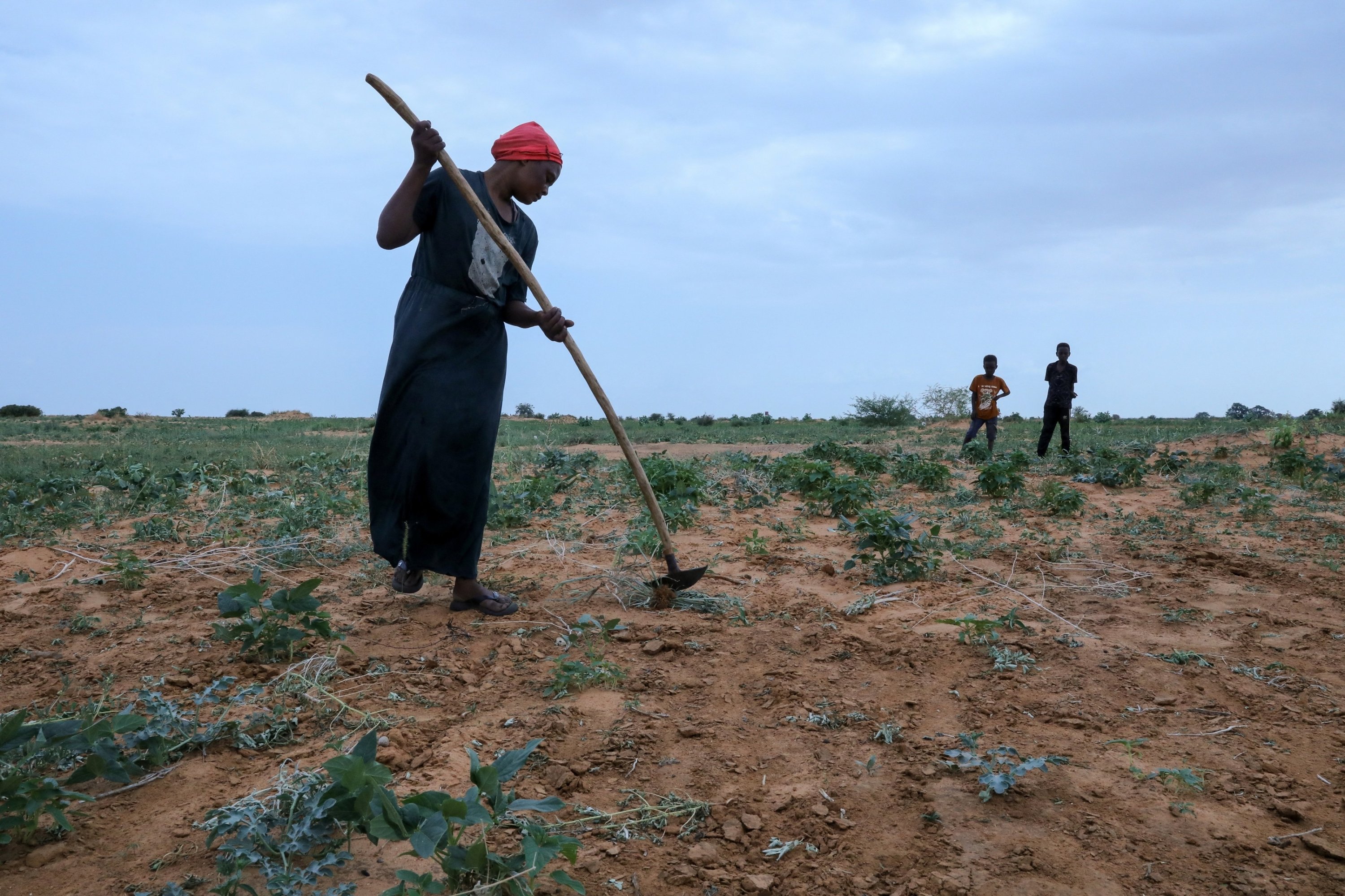
In North Kordofan, Mariam Omar pulls weeds from her smallholding near Um Ruwaba, where crops that should be nearing harvest have shriveled in the dry, sandy soil.
“This year is terrible,” she said.
Mohamed Abdelrahman, a farmer who operates about 420 hectares and finances smallholders through his sesame trading business, estimated that about 40% of farmland around Um Ruwaba would produce no harvest. Many farmers displaced by the war are returning to drought-stricken land, he said.
Livestock markets are also suffering. At El Obeid, North Kordofan’s capital, cows stand with their ribs protruding beneath dusty hides.
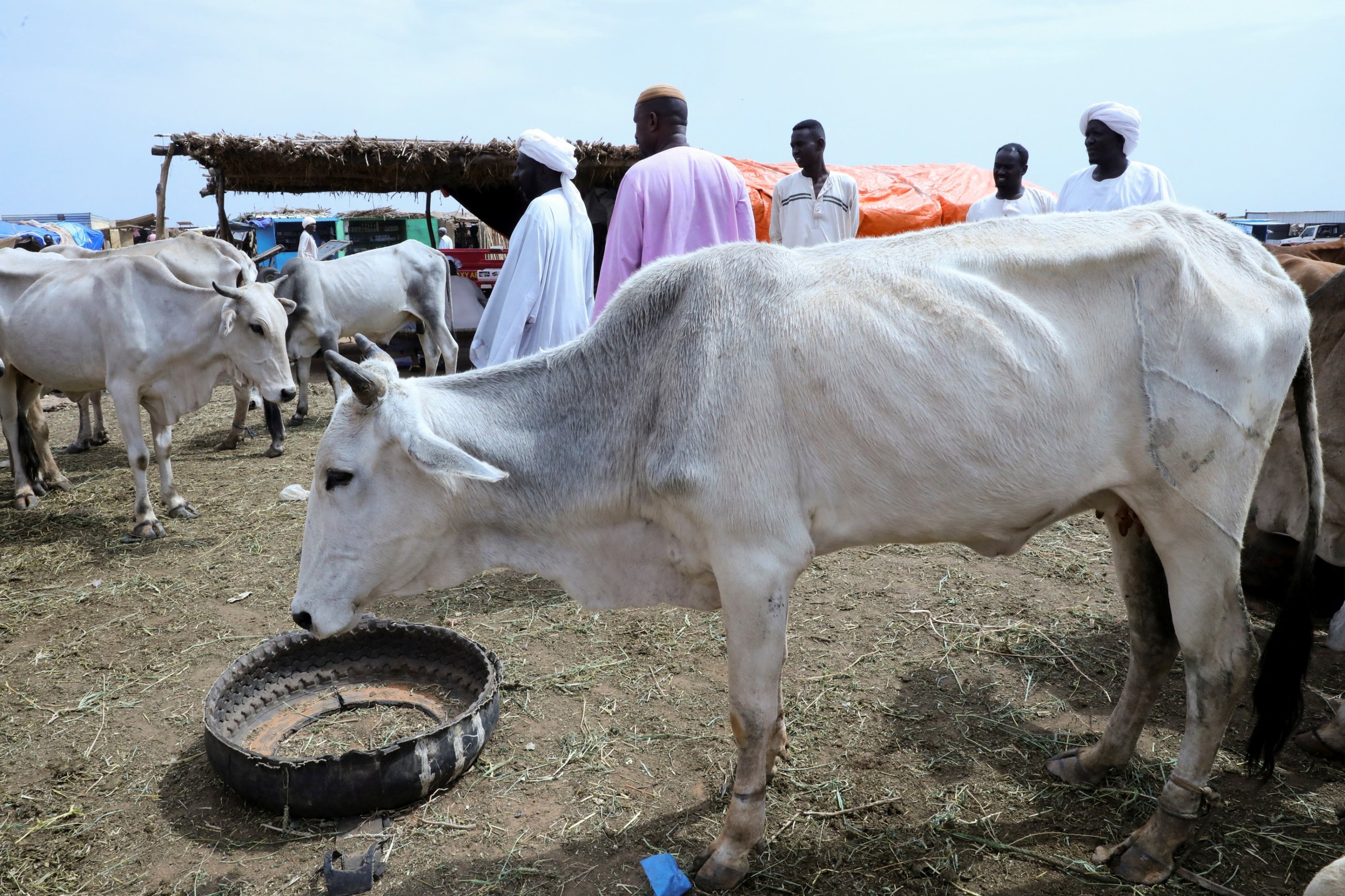
“Usually at this time the cattle are fat and everyone is making a profit. But now, with this autumn’s scarcity, the cattle became skinny,” trader Sirajaldeen Abdellateef said.
A rapidly depreciating currency and rising inflation are adding to farmers’ losses, making food and other essentials increasingly expensive.
The WFP has prioritized 5 million people most in need but says it cannot reach everyone requiring assistance. For those it serves, the agency has cut food rations to stretch limited supplies.
As of Oct. 17, the WFP had $276 million available for its Sudan operation, less than half of last year’s budget. It needs another $134 million to address hunger caused by drought.
The simultaneous decline in food aid and agricultural production is a “recipe for disaster,” the WFP’s acting executive director, Carl Skau, told Reuters after visiting Darfur.
In Tawila, a sprawling Darfur displacement camp sheltering about 700,000 people, food rations have been halved even as thousands more arrive, Skau said. Aid workers reported that 9,000 people reached the camp between early September and mid-October.
Suad Ahmed, a teacher who has been displaced several times during the war, fled her village east of al-Fashir, North Darfur’s capital, to seek food in Tawila.
“As I was coming here on the road, so many people said: ‘If you find food and drink there, please tell us,’” she said.
Adam Rojal, spokesman for the General Coordination of Displaced Persons and Refugee Camps in Sudan, said hunger was increasingly driving people from their homes.
“It’s no longer just about bullets,” he said.
Even Gedaref, a southeastern state that has largely escaped the fighting and become an important source of food during the war, has been hit by drought.
Emad Kabsoor, who operates farms covering 14,700 hectares, said scorching temperatures and a lack of rain had devastated his fields.
“Even if we get rain going forward, I’ll only have about 25% of last year’s crop,” he said. “We’ve never had a season like this.”
Temperatures in Gedaref on Oct. 20 were between 7 and 9 degrees Celsius above the historical average, according to the Reuters Climate Monitor.
Sudan’s government has downplayed the threat. Agriculture Minister Esmat Qureshi said Oct. 8 that this year’s harvest would be smaller but “not significantly less than last year’s.”
The drought is worsening conditions in a country where fighting between the military and the paramilitary Rapid Support Forces (RSF) has devastated communities, disrupted agriculture and displaced millions.
Humanitarian agencies have repeatedly accused both sides of blocking or hindering aid deliveries. Both deny the allegations.
Abdelrahman Ismail, head of the RSF’s humanitarian aid authority, told Reuters the group had sought to coordinate an early response and could do more with sufficient resources.
The IPC declared pockets of famine in Sudan in 2024 and 2025, including in al-Fashir, where government forces and their allies, along with as many as 250,000 civilians, endured an RSF siege for about 18 months before the city fell.
Famine expert Alex de Waal said Sudan’s current crisis was in many respects worse than the famine that devastated the region in 1984, killing hundreds of thousands. While the international community mobilized substantial assistance then, humanitarian budgets are now being cut.
“The situation today is in most respects much, much worse because of the conflict,” de Waal said.
Sirajaldin al-Tahir, a farmer in Um Ruwaba, remembers the 1984 famine, when failed harvests and dying livestock forced people to flee. He said U.S. food aid helped his village survive.
“But God took pity on us, and the US government brought in aid and distributed it to our village,” he said.
More than four decades later, failed rains and collapsing harvests are again threatening Sudan’s food supply, while war and shrinking aid budgets leave millions increasingly vulnerable.
“This year, 2026, we don’t know how it will end,” al-Tahir said.