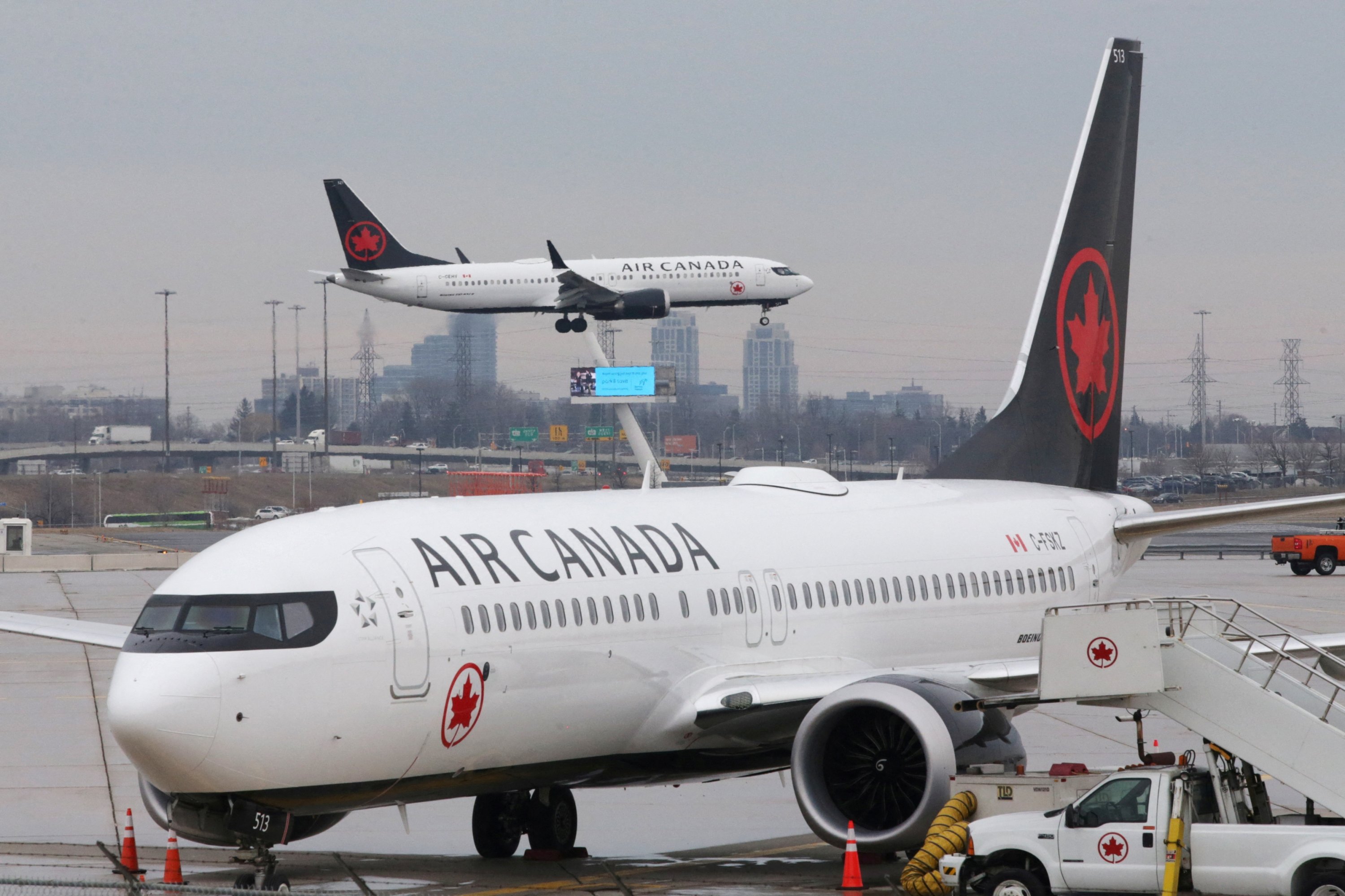
Air Canada is reviewing a complaint after a passenger objected to a flight attendant wearing a pin shaped like historic Palestine and colored with the Palestinian flag, featuring the Al-Aqsa Mosque – a symbol widely associated with Palestinian heritage and identity.
The incident occurred onboard a Toronto–Atlanta flight, where a passenger filed a formal complaint claiming the pin was a “political statement.” Images shared online quickly circulated, prompting debate over whether airline employees should be allowed to wear cultural or political symbols.
According to Travel and Tour World, the complaint drew attention amid a broader conversation about neutrality policies across major global carriers. Several airlines, including those in the United States, have faced similar disputes, particularly as more workers incorporate Palestinian symbols such as flag pins or watermelon icons to express solidarity with Palestinians facing ongoing attacks by Israel and a humanitarian crisis, despite the cease-fire.
Air Canada acknowledged the complaint and said it was examining the matter in line with its uniform policy. “We are reviewing this matter... we have a policy for uniform staff that covers which pins and symbols are permissible,” a spokesperson said, noting that the company maintains a limited list of approved items.
The passenger who lodged the complaint claimed the pin was inappropriate, but critics say such objections reflect a growing trend of attempting to suppress Palestinian symbols, even when worn peacefully or as expressions of cultural identity. Supporters on social media argued that the flight attendant’s pin did not target anyone and instead highlighted a long-standing cultural and national symbol for millions of Palestinians worldwide.
Advocates for free expression say such restrictions disproportionately affect those showing solidarity with Palestinians, especially after the humanitarian crisis deepened in Gaza following almost two years of genocidal attacks by Israel, which killed nearly 70,000 people in Gaza, mostly women and children, and injured 171,000 others in a brutal war that has left much of the enclave in ruins.