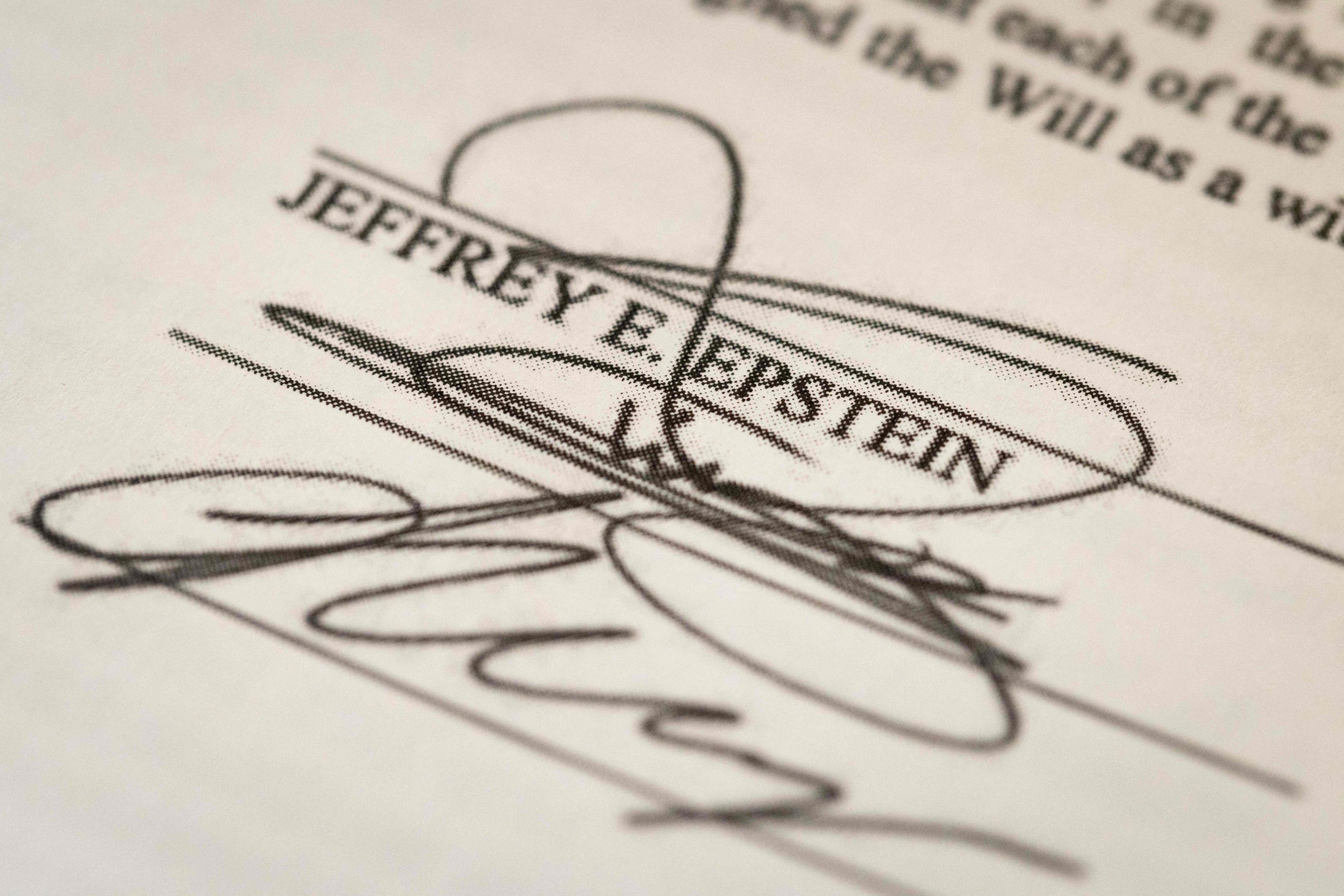
A Justice Department letter explaining redactions in newly released files tied to convicted sex offender Jeffrey Epstein has put a spotlight on an extensive list of public figures named in the documents, intensifying criticism from lawmakers who say the approach obscures rather than clarifies accountability.
The six-page letter, first reported by Politico and later detailed by The Hill, was sent to the leaders of the Senate and House Judiciary committees as required by law.
It outlines the categories of redactions applied to the Epstein files and includes a compilation of “government officials and politically exposed persons” referenced anywhere in the materials.
According to the Justice Department, the list encompasses individuals mentioned in a wide range of contexts, from direct communications with Epstein or his longtime associate Ghislaine Maxwell to indirect references such as media clippings or third-party reporting.
The letter does not specify how or why each name appears, nor does it distinguish between substantive involvement and incidental mention.
That lack of context has fueled bipartisan frustration. Lawmakers argue that placing well-known figures on a single list – without explanation – risks conflating people connected to criminal conduct with those named only tangentially.
The list includes numerous high-profile names, including President Donald Trump, despite no accompanying details about the nature of their appearance in the files.
Rep. Ro Khanna said the department was “purposefully muddying the waters on who was a predator and who was mentioned in an email,” criticizing the decision to group unrelated figures together without clarification. He urged the department to release the full records while redacting only survivors’ identities.
"To have Janis Joplin, who died when Epstein was 17, in the same list as Larry Nassar, who went to prison for the sexual abuse of hundreds of young women and child pornography, with no clarification of how either was mentioned in the files, is absurd," he added.
He urged officials to "Release the full files. Stop protecting predators. Redact only the survivor's names."
The controversy follows complaints from members of Congress who reviewed unredacted materials at a Justice Department facility this week and said large portions were masked unnecessarily.
Department officials have defended the redactions as necessary to protect victims and sensitive information, while acknowledging that the list was intended to provide transparency about who is referenced in the files.
Deputy Attorney General Todd Blanche criticized lawmakers who publicly disclosed some previously concealed names, arguing that doing so “forced the unmasking of completely random people” with no meaningful connection to Epstein or Maxwell. Assistant Attorney General Harmeet Dhillon echoed that view, accusing critics of elevating political considerations over due process.
Separately, Rep. Nancy Mace challenged the department’s legal justification for withholding additional details, questioning whether claims of work product privilege would withstand judicial scrutiny.