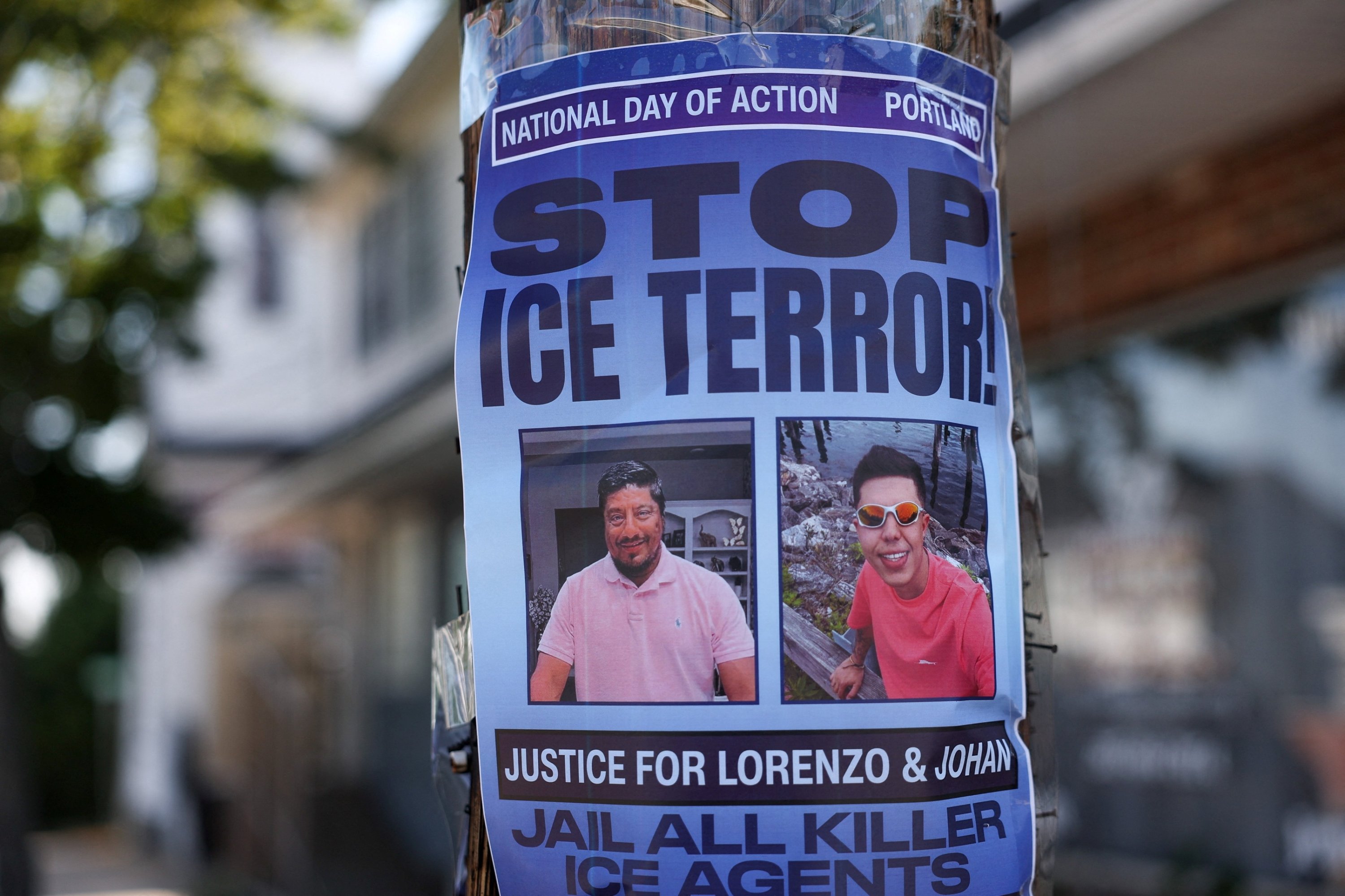
The rapid expansion of U.S. Immigration and Customs Enforcement under President Donald Trump's immigration crackdown is facing renewed scrutiny after family members of an officer involved in a fatal shooting said he had long struggled with serious mental health issues and should never have been hired.
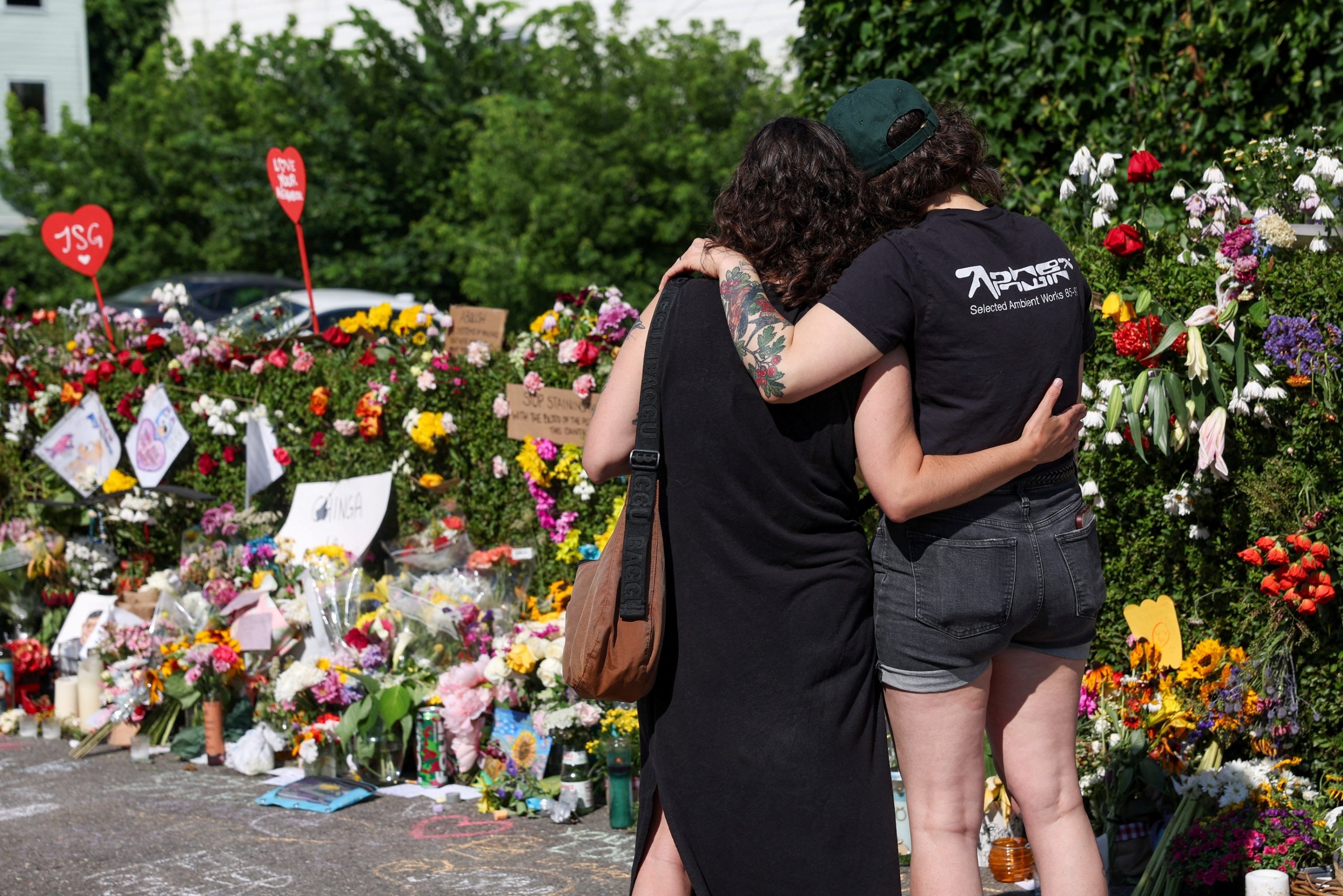
The concerns center on David Brouillette, the ICE officer who fatally shot a Colombian man in Maine this week.
Relatives told The Associated Press (AP) that Brouillette had experienced significant mental health challenges since childhood, prompting fresh questions about whether the agency's hiring and screening procedures are keeping pace with its aggressive recruitment campaign.
The Trump administration has made expanding ICE a cornerstone of its immigration enforcement strategy, with Congress providing billions of dollars to dramatically increase staffing.
While the Department of Homeland Security has defended the agency's recruitment process as rigorous, critics argue the rapid hiring effort risks allowing unsuitable candidates into law enforcement positions.
In January, the Department of Homeland Security said ICE had hired 12,000 new officers and agents since launching its recruitment drive.
The figure includes both deportation officers and agents assigned to Homeland Security Investigations, ICE's criminal investigative division.
Former acting ICE Director Todd Lyons praised the initiative during a February congressional hearing, saying the campaign attracted more than 220,000 applicants.
"This expansion of a well-trained and well-vetted workforce will help further ICE's ability to execute the president's and secretary's bold agenda," Lyons said.
ICE has said most new recruits come from military or law enforcement backgrounds. To attract applicants, the agency has offered signing bonuses of up to $50,000, lowered the minimum hiring age to 18 and eliminated the requirement for a college degree for many positions.
Despite the agency's assurances, an earlier AP investigation found evidence suggesting some applicants with troubling histories either were not fully vetted before beginning work or were hired despite concerns raised during the hiring process.
At the time, DHS acknowledged that some recruits received tentative job offers and started working in temporary status before their background investigations had been completed. The department maintained that all employees ultimately undergo comprehensive screening.
The vetting process includes criminal history reviews, credit checks, interviews with former employers and associates, drug screening and evaluations for security clearances. Applicants also may be required to undergo polygraph examinations, medical evaluations and physical fitness testing.
Federal law also bars anyone convicted of domestic violence from serving in positions requiring them to carry firearms.
According to an internal ICE memo first reported by Reuters, supervisors who receive derogatory information about newly hired employees, including prior terminations or forced resignations, are instructed to refer those cases to the agency's internal affairs office for investigation.
Meanwhile, the DHS inspector general announced last August that it would audit ICE's hiring and training procedures, though the findings have not yet been released.
Claire Trickler-McNulty, who served in ICE under the Obama, first Trump and Biden administrations, said the agency's hiring process generally mirrors that of other federal law enforcement agencies.
Applicants seeking positions that require security clearances must disclose previous drug use, contacts with law enforcement, mental health history, organizational affiliations, employment history and former addresses. Investigators also contact references and review financial records for issues such as unpaid taxes, child support obligations or significant debt.
"If there's a red flag, like a DUI or a history of debt, that can trigger a deeper investigation," Trickler-McNulty said. "You want to make sure the person is appropriate for a public trust position."
The agency's accelerated hiring has also fueled debate over whether new officers are receiving sufficient training before entering the field.
Current job postings state that new deportation officers complete a 50-day immigration law enforcement training program before beginning their duties.
However, Ryan Schwank, a former ICE attorney who helped train deportation officers, told the AP the agency reduced both the amount of instruction and the testing required for recruits to graduate. DHS has repeatedly denied those claims, insisting that training standards have not been weakened.
Trickler-McNulty said reports of shortened training concern her, particularly as ICE sought to quickly expand its workforce by an additional 10,000 deportation officers after Congress approved billions in new funding. At the time, the agency employed roughly 6,500 deportation officers.
Homeland Security and ICE have consistently rejected accusations that they sacrificed standards to speed up hiring.
The department says it is now increasing academy instruction for new recruits.
According to DHS, all academy classes beginning July 1 will complete a 71-day training program, while officers who graduated under the previous curriculum will receive additional instruction through a field officer training program.
The expanded curriculum includes crowd control tactics, high-risk vehicle stops, live-fire exercises and enhanced medical training. DHS said the changes were made in response to what it described as coordinated attacks targeting ICE officers and agency facilities.
The shooting in Maine has nevertheless intensified calls for greater transparency surrounding ICE's hiring practices, as lawmakers and outside observers continue to examine whether the agency's rapid expansion has affected the thoroughness of its screening and training standards.