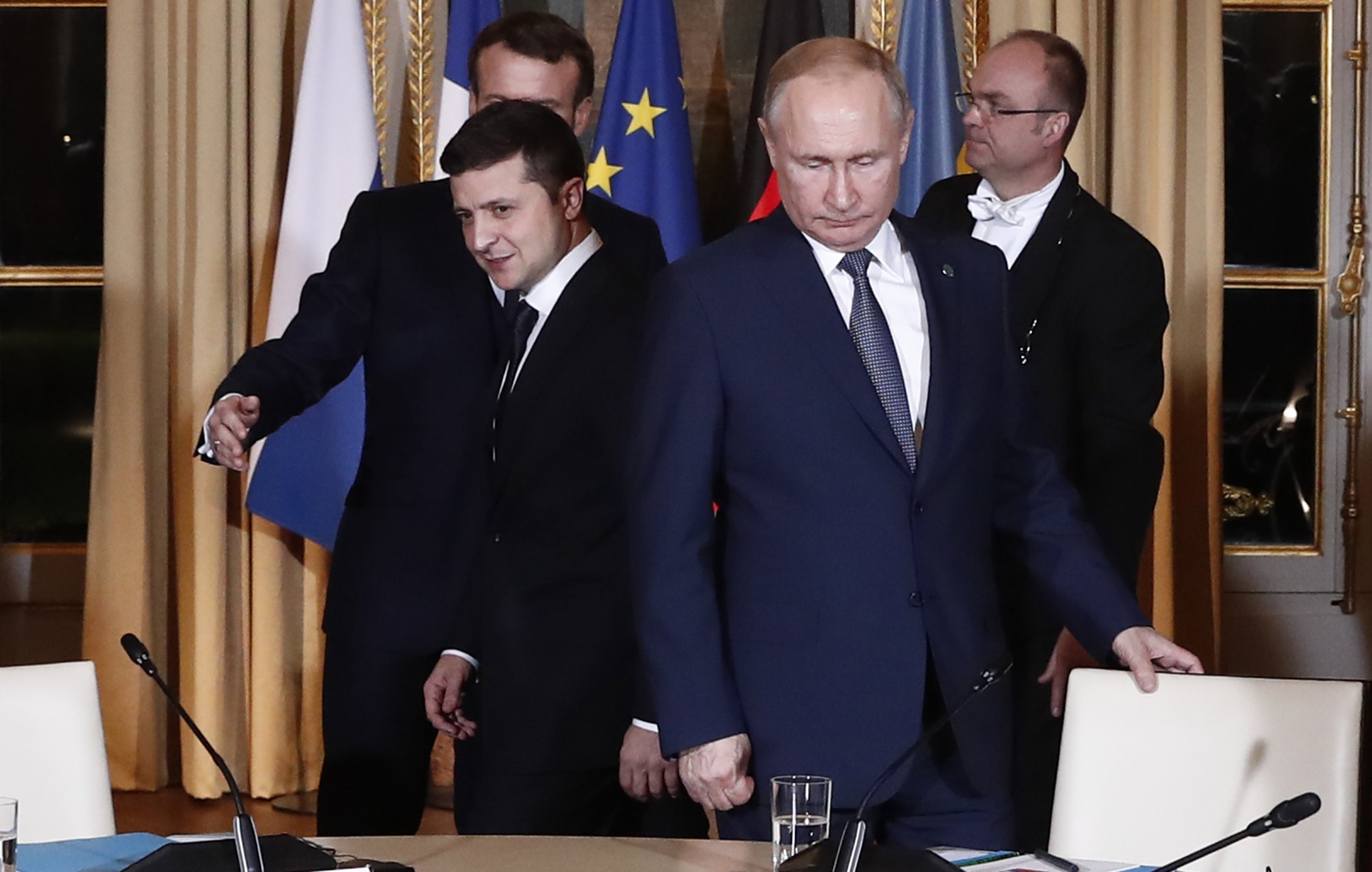
U.S. President Donald Trump said Tuesday that a meeting between Russian President Vladimir Putin and Ukrainian President Volodymyr Zelenskyy could be arranged soon, as Moscow offered to host direct talks in the Russian capital and diplomatic efforts intensified to end the war.
Trump expressed optimism about progress in negotiations but gave no date or location for a potential summit. His remarks came as Russian officials discussed resuming trilateral talks with Ukraine and the United States in Abu Dhabi, while European leaders stepped up contacts with Moscow and Kyiv.
“I think with Russia, we’re making a lot of progress with Russia-Ukraine. There’ll be a meeting set up here soon,” Trump told reporters after returning from Texas, where he had attended midterm election campaign rallies.
Asked about the timing, Trump said the meeting would happen “over the next not too long.” He added that progress could be achieved without a face-to-face meeting between the two leaders.
The comments offered no confirmation that Putin and Zelenskyy had agreed to meet. Neither Kyiv nor Moscow had publicly confirmed an arrangement for a leaders' summit following Trump's remarks.
The latest diplomatic push comes as the war, launched by Russia's full-scale invasion of Ukraine in February 2022, continues to exact a heavy human and economic toll. Trump's administration has pursued negotiations since he returned to the White House in January 2025, but efforts to secure a settlement have yet to produce a breakthrough.
Russian presidential aide Yuri Ushakov said Tuesday that Putin had invited Zelenskyy to Moscow for direct negotiations, promising that security arrangements would be made for the Ukrainian leader.
According to Russia's state-run TASS news agency, Ushakov said Norwegian Prime Minister Jonas Gahr Store and Finnish President Alexander Stubb had informed Putin during a recent telephone conversation that Zelenskyy was interested in meeting him directly.
“Our boss reiterated that if Zelenskyy truly wishes to hold direct negotiations, he should come to Moscow, where all necessary conditions, including those regarding his safety, will be provided for him,” Ushakov said, according to TASS.
The invitation leaves a major question unresolved: whether Zelenskyy would accept Moscow as the venue for negotiations with a leader whose forces continue to occupy Ukrainian territory.
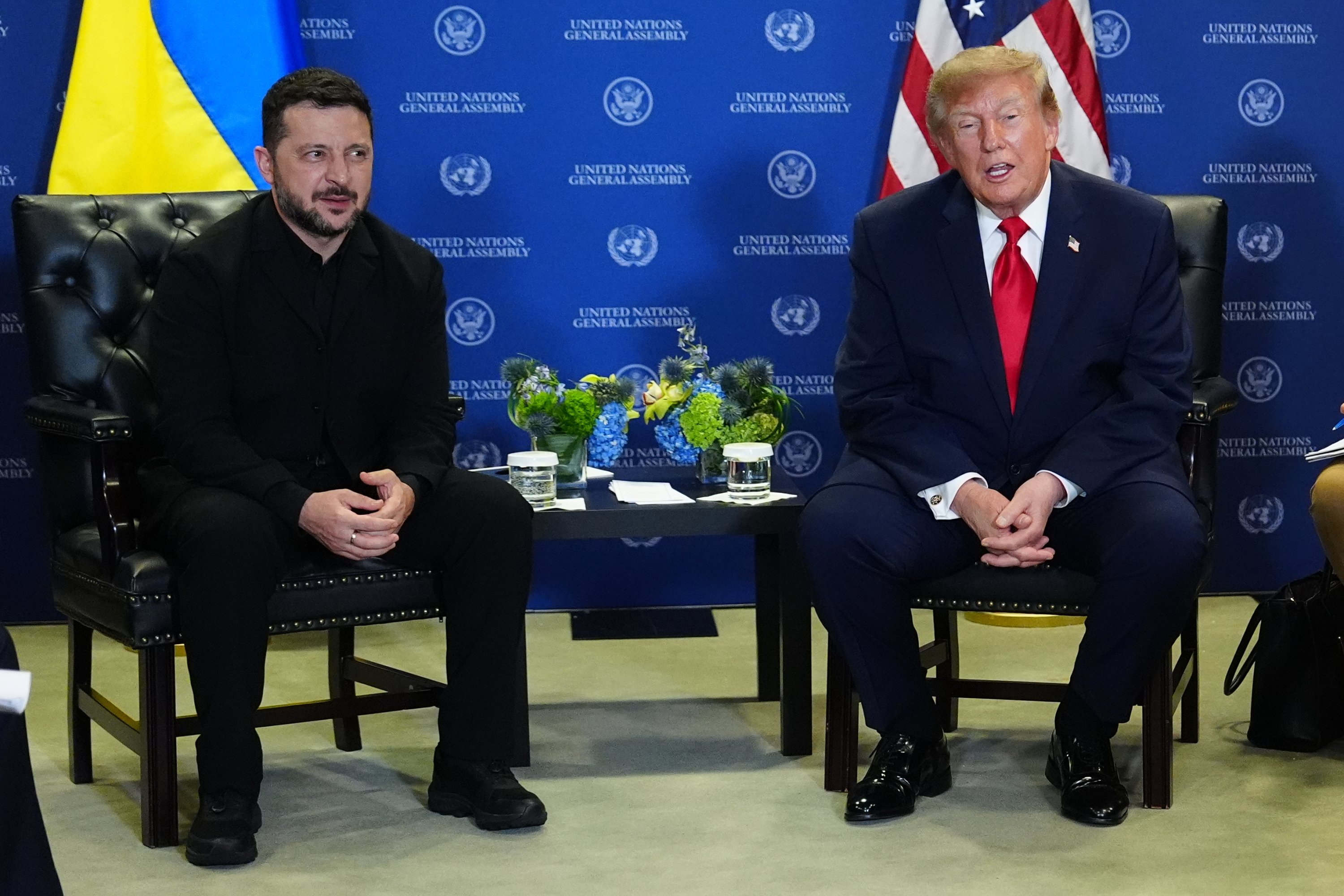
Zelenskyy has repeatedly called for direct talks with Putin, arguing that territorial disputes and other fundamental questions about the war's future require decisions at the highest level. He has also insisted that Ukraine must participate in any negotiations affecting its sovereignty and future security.
There was no immediate indication that Kyiv had accepted the Moscow invitation.
Ushakov said the recent 90-minute telephone conversation between Putin, Stubb and Støre focused largely on plans to resume negotiations involving Russia, Ukraine and the United States.
The discussions could take place in Abu Dhabi, the capital of the United Arab Emirates, in the first half of November, although a final date and venue had not been confirmed.
“There were many questions on this matter and requests for clarification from our side,” Ushakov said, describing the call as thorough and substantive.
He added that the parties had agreed to speak again if necessary.
Ushakov also said the question of European representation in future negotiations had not yet been addressed, suggesting that Moscow was not currently considering who might represent the continent at the negotiating table.
The position highlights a potential point of friction between Russia and European governments, which have sought a role in shaping any settlement because of its implications for European security.
The latest diplomatic activity follows meetings between U.S. special envoy Steve Witkoff and Ukrainian and European officials in Oslo on Oct. 20, followed by discussions with Putin in St. Petersburg the next day.
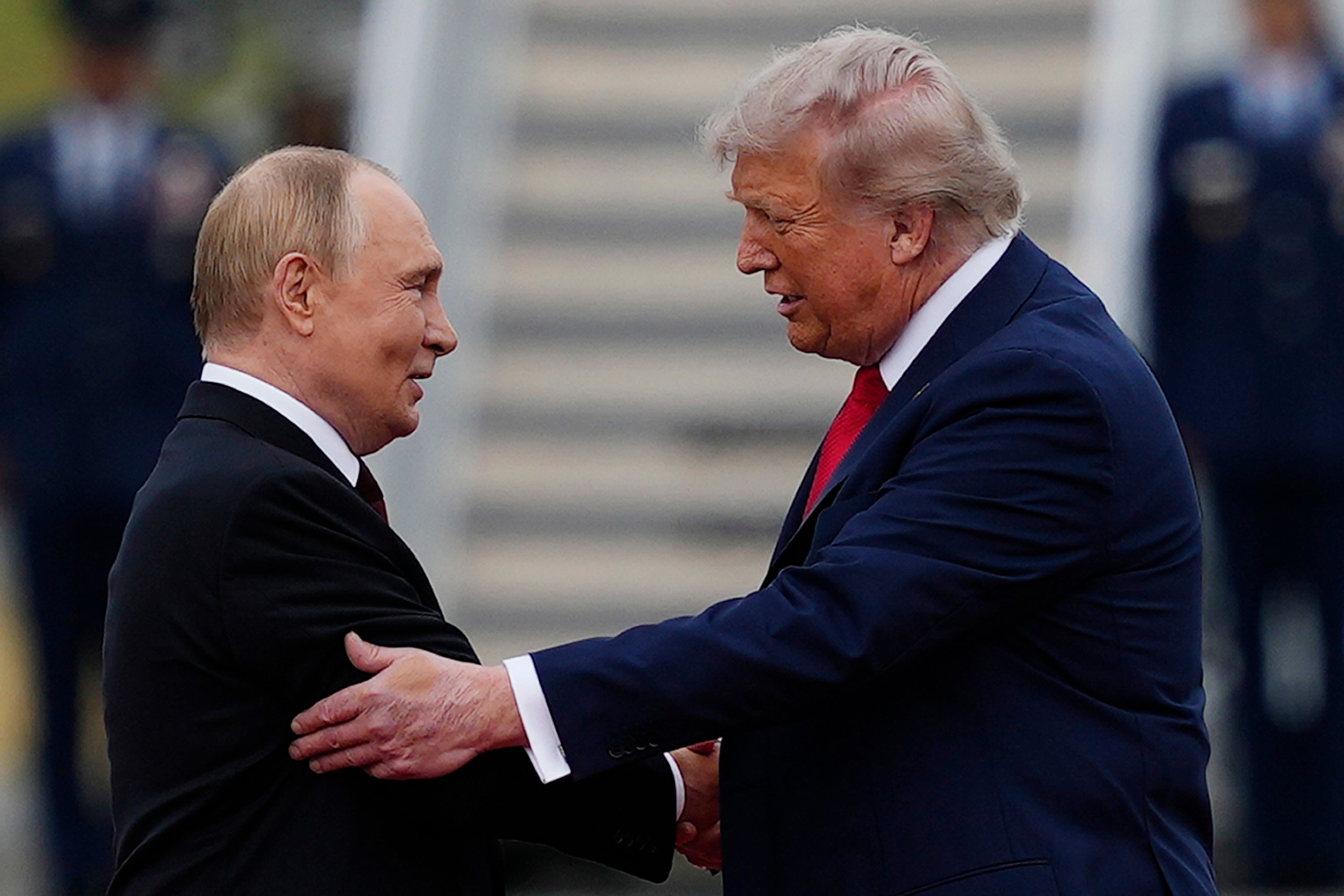
Those contacts covered possible peace arrangements, security guarantees and postwar economic issues.
Russian officials subsequently indicated that Moscow was prepared in principle to resume technical-level negotiations with Ukraine and the United States.
Zelenskyy has supported restarting the talks, while arguing that working groups should address technical matters and prepare the ground for a meeting between the leaders.
He has also maintained that any agreement affecting Ukraine must involve Kyiv directly.
Despite renewed diplomatic activity, the prospects for a breakthrough remain uncertain because Moscow and Kyiv continue to disagree over the fundamental terms of a settlement.
Putin has demanded Russian control over occupied Ukrainian territories, including areas Moscow claims but does not fully control. Russia has also opposed a broad cease-fire before an agreement on the main terms of a settlement, arguing that a pause in fighting could allow Ukraine to strengthen its military.
Ukraine has rejected demands to surrender territory and insists that any peace agreement must protect its sovereignty and provide credible security guarantees against another Russian invasion.
Zelenskyy has argued that territorial disputes cannot be resolved by treating occupied land as a matter of geography alone, pointing to the lives lost defending Ukrainian communities.
The Ukrainian president has also warned against easing sanctions on Russia before meaningful progress is made, arguing that doing so would weaken Kyiv's negotiating position.
Relations between Trump and Zelenskyy have been strained by disagreements over the pace and terms of negotiations. Trump has pressed Ukraine to reach a settlement, while Zelenskyy has resisted proposals that could compromise the country's territorial integrity or leave it vulnerable to renewed Russian aggression.
The prospect of a meeting in Moscow could prove particularly difficult given the ongoing war and the two governments' competing demands. Although Ushakov said Russia would guarantee Zelenskyy's safety, no agreement on a venue has been announced.
The renewed push for negotiations comes as fighting and attacks continue across Ukraine, with both countries facing mounting military and economic costs.
Trump's administration has pursued several diplomatic channels, while European leaders have sought to ensure that any settlement accounts for the security of Ukraine and its neighbors.
A separate, limited cease-fire around the Russian-occupied town of Oleshky in Ukraine's Kherson region has also offered a narrow opening for humanitarian cooperation. The arrangement, reached with the involvement of U.S. First Lady Melania Trump, is intended to facilitate aid deliveries and civilian evacuations.
However, local humanitarian arrangements have yet to translate into a broader halt to hostilities.
Trump's latest remarks signal Washington's continued effort to bring the Russian and Ukrainian leaders into direct negotiations. But his prediction that a meeting will take place “very soon” remains an expectation rather than a confirmed diplomatic agreement.