The White House is racing to arrange a face-to-face meeting between Russian President Vladimir Putin and Ukrainian President Volodymyr Zelenskyy, with Donald Trump poised to play mediator in Alaska this week – a diplomatic breakthrough that, if successful, could mark the first direct talks between the wartime rivals.
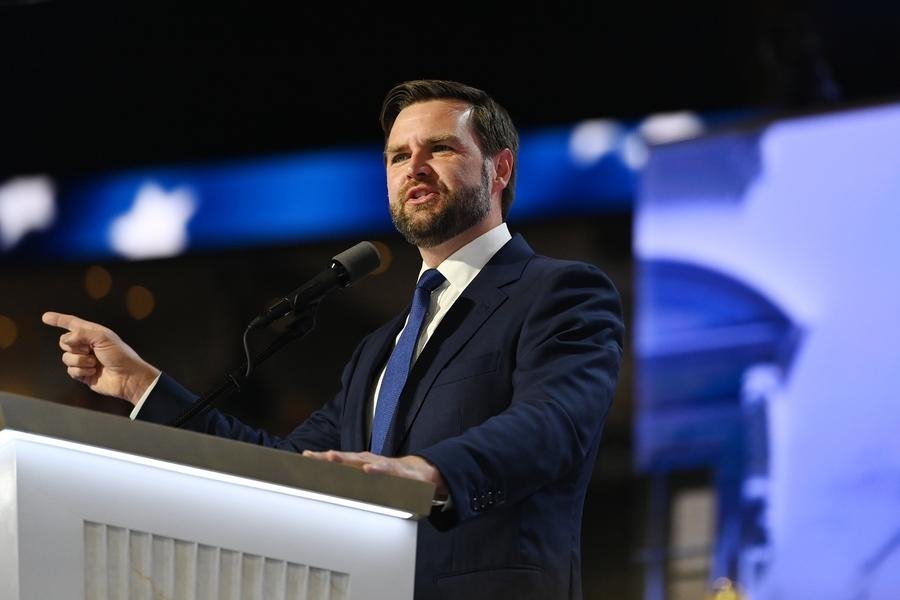
Vice President JD Vance said Sunday that Putin has dropped his long-standing refusal to sit down with Zelenskyy, clearing one of the “most important logjams” to ending the war. “We’re trying to figure out scheduling and when these three leaders could sit down and discuss an end to this conflict,” Vance told Fox News.
The trilateral meeting would coincide with Trump’s planned talks with Putin in Alaska on Friday.
While Kyiv’s absence from early summit plans had alarmed European allies – fearing a deal that might force Ukraine to give up territory – U.S. officials now say Zelenskyy could join the table.
U.S. Ambassador to NATO Matthew Whitaker told CNN it was “certainly possible” for the Ukrainian leader to attend, noting that “there can’t be a deal that everybody that’s involved in it doesn’t agree to.” German Chancellor Friedrich Merz also voiced optimism Sunday, saying he “hoped and assumed” Zelenskyy would be present.
Vance stressed that any settlement would demand compromises from both sides. “It’s not going to make anybody super happy,” he said, “but it has to be something the Ukrainians and Russians can live with – where they can live in relative peace, where the killing stops.”
The war, now in its third year, has killed tens of thousands and displaced millions since Russia’s full-scale invasion in February 2022.
The vice president also addressed questions over whether the U.S. might hit China with tariffs for purchasing Russian oil, penalties Trump recently imposed on India.
While Trump hiked Indian tariffs to 50% and threatened 100% secondary tariffs for countries trading with Russia without a Ukraine resolution, Vance said China’s case was “more complicated,” given broader U.S.-China ties.
Treasury Secretary Scott Bessent, in July, noted that Washington would not challenge Beijing’s stance on sovereignty regarding Russian oil purchases, acknowledging China “takes sovereignty very seriously.” Trump has yet to make a final decision on whether to extend the penalties.
As diplomatic maneuvering intensifies, Zelenskyy has been on a flurry of calls with world leaders, rallying support from Germany, Britain, France and other allies ahead of what could become one of the most consequential meetings since the war began.