Cambodia’s Senate President Hun Sen vowed Tuesday that his country would mount a fierce fight against Thailand as renewed clashes along the border forced tens of thousands to flee.
The fighting erupted after a skirmish Sunday night in which a Thai soldier was killed, despite a July cease-fire that had ended five days of combat over contested border territory—a conflict that previously claimed dozens of civilian and military lives and displaced more than 100,000 people.
In a statement on Facebook and Telegram, Hun Sen said Cambodia had held fire Monday but began returning fire overnight, focusing on areas of Thai advance to “weaken and destroy enemy forces through counterattacks.”
Thailand’s army reported that Cambodian forces fired artillery at a village in Sa Kaeo province early Tuesday, causing no casualties. Both sides continue to blame each other for initiating the latest clashes.
“Cambodia wants peace, but Cambodia is forced to fight back to defend its territory,” Hun Sen said. Hun Sen was Cambodia’s long-serving prime minister until 2023, when he was succeeded by his son, Hun Manet, but he is still widely seen as the country’s de facto leader.
Cambodia’s military announced Tuesday that the new fighting had killed seven civilians and wounded 20. A spokesperson for the Thai military said one soldier had been killed and 29 wounded in the renewed fighting.
Speaking at a news conference, Thai Rear Adm. Surasant Kongsiri said the navy was strengthening its position in eastern Thailand near the border with Cambodia.
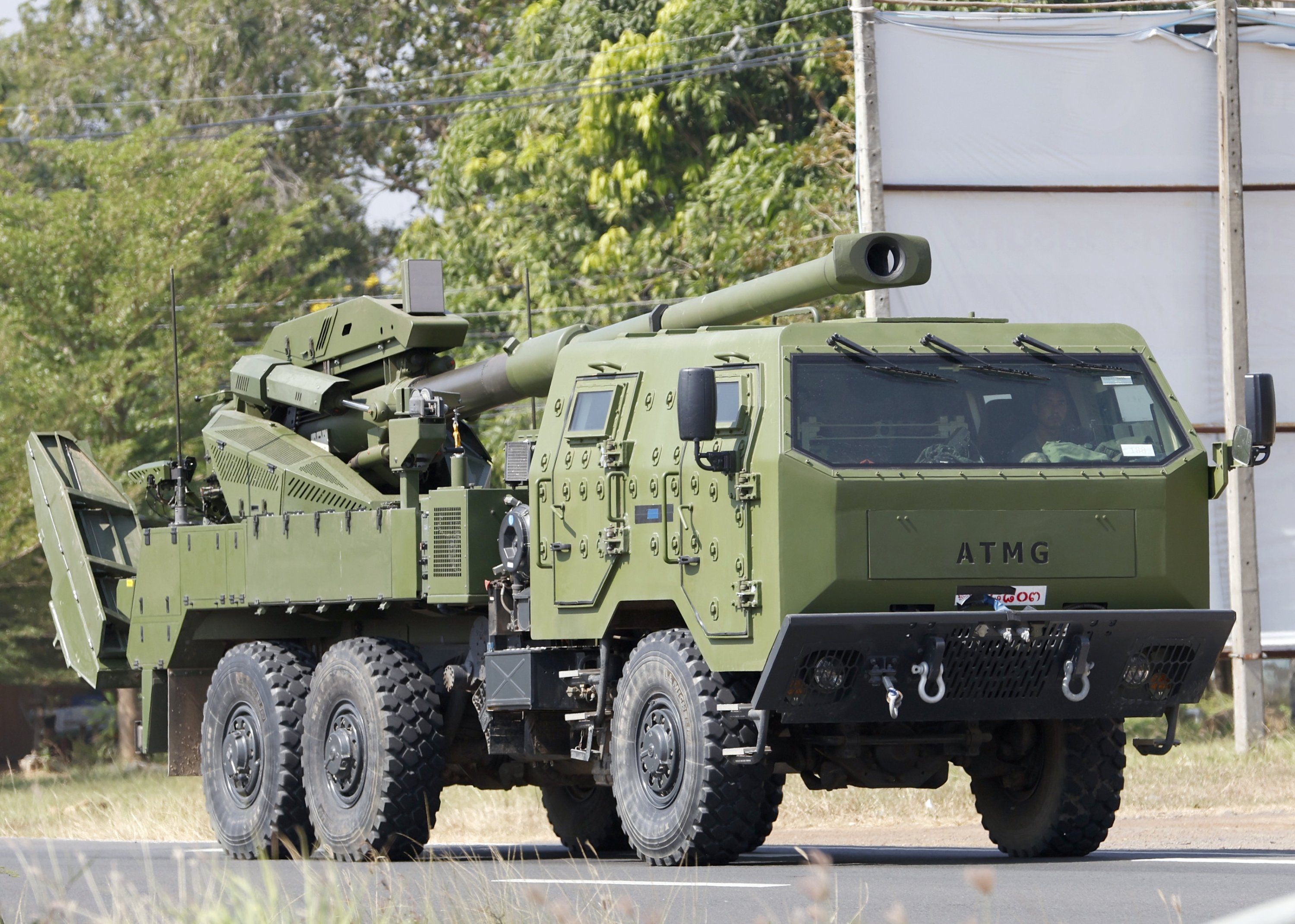
Thailand carried out airstrikes along the frontier Monday, which it said were a defensive action targeting military installations. Surasant said the operations would continue “until attacks stop.”
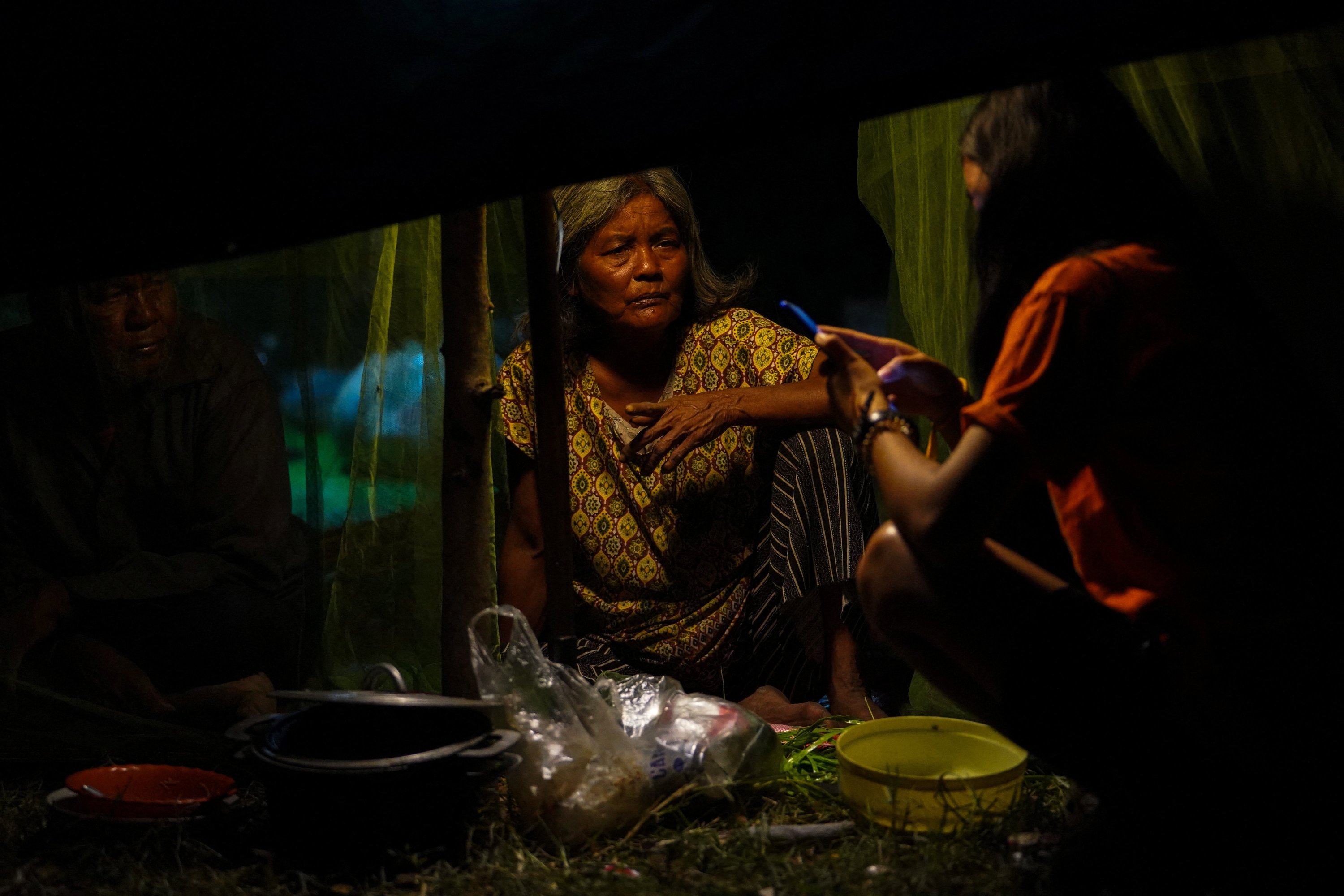
A separate statement from Thailand’s 2nd Army Region, situated along the border, said nearly 500 temporary shelters have been set up in four border provinces, accommodating 125,838 people. Additional refugees are expected to stay with relatives in safe areas.
The statement said Cambodia attacked Thai positions with rockets and drones, while Cambodia said people fled villages near the border.
Thai Prime Minister Anutin Charnvirakul said Monday in a televised speech that military operations would be carried out as necessary to defend the country and protect public safety.
“Thailand has never wished for violence. I’d like to reiterate that Thailand has never initiated a fight or an invasion, but will never tolerate a violation of its sovereignty,” he said.
Thailand and Cambodia share a history of enmity spanning centuries and experience periodic tensions along their more than 800-kilometer (500-mile) land border.
The cease-fire that ended July’s fighting was brokered by Malaysia and pressured by U.S. President Donald Trump, who threatened to withhold trade privileges from the two nations unless they agreed.
A more detailed agreement signed in October called for removing heavy weapons and equipment from the border; refraining from spreading false information, accusations, and harmful rhetoric; implementing measures to restore mutual trust and full diplomatic relations; and coordinating operations to remove landmines.
None of these measures appear to have been implemented in full or in good faith by either side. After the cease-fire, both nations continued a bitter propaganda war using disinformation, alongside minor outbreaks of cross-border violence.
A major Cambodian complaint has been that Thailand continues to hold 18 prisoners taken when the cease-fire became active. Thailand accuses Cambodia of laying new landmines in disputed areas, in several cases maiming Thai soldiers. Cambodia says the mines are remnants of the decades-long civil war that ended in 1999.
The landmine issue prompted Thailand to declare earlier this month that it was indefinitely pausing implementation of cease-fire details until Cambodia apologized.
U.N. Secretary-General Antonio Guterres expressed concern over the renewed fighting, particularly the use of airstrikes and heavy weapons, and called on the warring parties to recommit to the cease-fire.