Daily Sabah logo

Politics
Diplomacy Legislation War On Terror EU Affairs Elections News Analysis
TÜRKİYE
Istanbul Education Investigations Minorities Expat Corner Diaspora
World
Mid-East Europe Americas Asia Pacific Africa Syrian Crisis Islamophobia
Business
Automotive Economy Energy Finance Tourism Tech Defense Transportation News Analysis
Lifestyle
Health Environment Travel Food Fashion Science Religion History Feature Expat Corner
Arts
Cinema Music Events Portrait Reviews Performing Arts
Sports
Football Basketball Motorsports Tennis
Opinion
Columns Op-Ed Reader's Corner Editorial
PHOTO GALLERY
JOBS ABOUT US RSS PRIVACY CONTACT US
© Turkuvaz Haberleşme ve Yayıncılık 2025

Daily Sabah - Latest & Breaking News from Turkey | Istanbul

  • Politics
    • Diplomacy
    • Legislation
    • War On Terror
    • EU Affairs
    • Elections
    • News Analysis
  • TÜRKİYE
    • Istanbul
    • Education
    • Investigations
    • Minorities
    • Expat Corner
    • Diaspora
  • World
    • Mid-East
    • Europe
    • Americas
    • Asia Pacific
    • Africa
    • Syrian Crisis
    • Islamophobia
  • Business
    • Automotive
    • Economy
    • Energy
    • Finance
    • Tourism
    • Tech
    • Defense
    • Transportation
    • News Analysis
  • Lifestyle
    • Health
    • Environment
    • Travel
    • Food
    • Fashion
    • Science
    • Religion
    • History
    • Feature
    • Expat Corner
  • Arts
    • Cinema
    • Music
    • Events
    • Portrait
    • Reviews
    • Performing Arts
  • Sports
    • Football
    • Basketball
    • Motorsports
    • Tennis
  • Gallery
  • Opinion
    • Columns
    • Op-Ed
    • Reader's Corner
    • Editorial
  • TV
  • World
  • Mid-East
  • Europe
  • Americas
  • Asia Pacific
  • Africa
  • Syrian Crisis
  • Islamophobia

South Korea revises missile pact with US to build solid-fuel space rockets

by agencies

ISTANBUL Jul 28, 2020 - 12:16 pm GMT+3
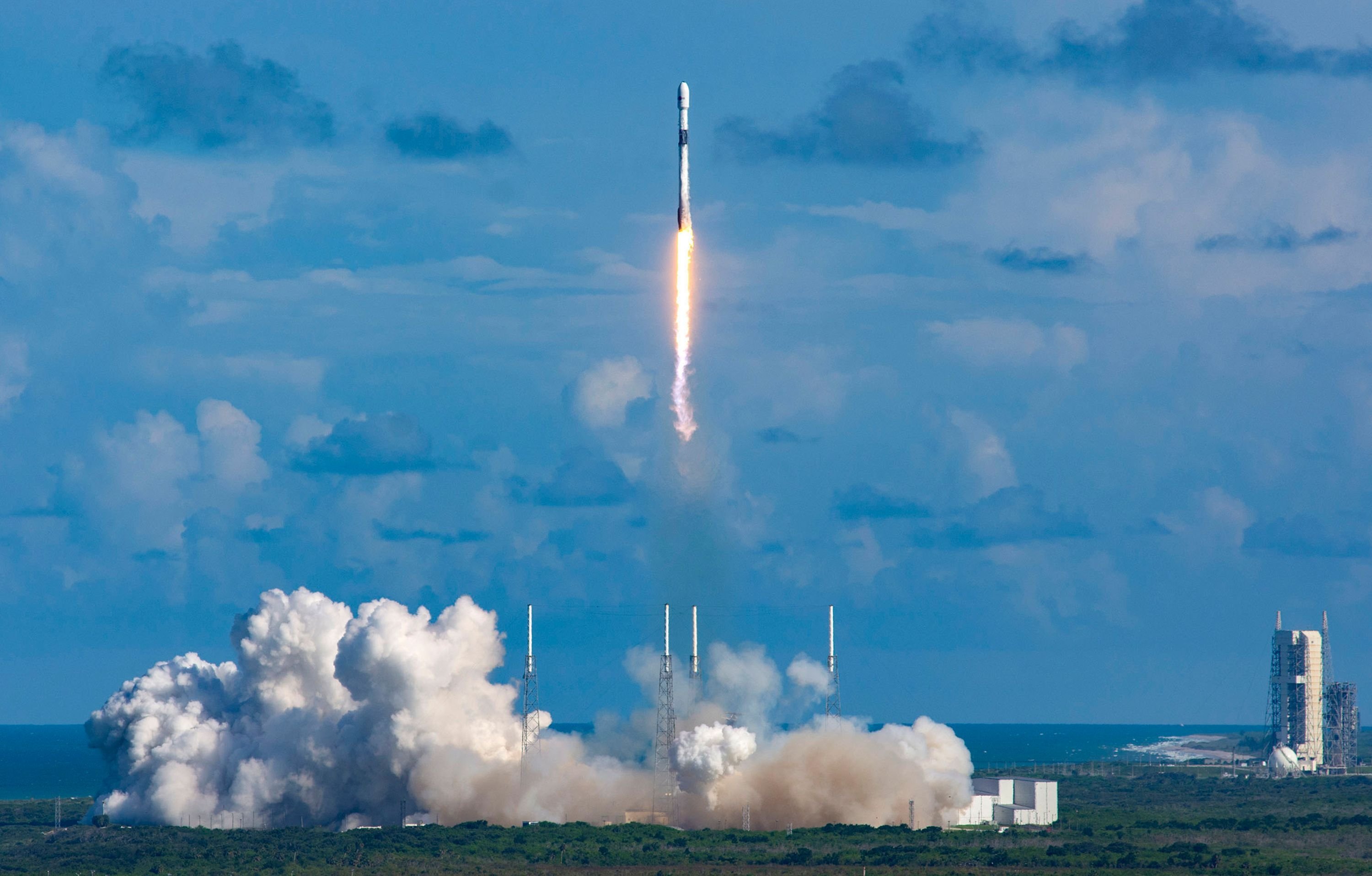
A Falcon 9 rocket carrying South Korea's ANASIS-II satellite blasts off from Cape Canaveral Air Force Station in Florida, U.S., July 20, 2020. (Handout photo from South Korea's Defense Acquisition Program Administration via AFP)
by agencies Jul 28, 2020 12:16 pm

South Korea Tuesday announced it would now be able to develop solid-fuel space rockets under revised missile guidelines, enabling enhanced surveillance capabilities over the Korean peninsula, local media reported.

The development comes after the U.S. lifted decades-old restrictions on Seoul's use of solid fuels in rockets, Yonhap news reported.

It will enable the country to fly low-orbit military spy satellites at the altitude of 500-2,000 kilometers (310-1,240 miles).

The previous guidelines, last amended in 2017, stipulated that South Korea could not build rockets using solid-fuel engines, posing a setback for its plans to develop a military spy satellite by the late 2020s.

The change in the propellant rules took effect on Tuesday, South Korea's deputy national security adviser Kim Hyun-chong said at a briefing in Seoul.

Kim told reporters that South Korean companies, research institutes and individuals could technically be capable of developing, producing and possessing space rockets using not only liquid fuels but also solid and hybrid ones "with no restrictions."

"This revision would allow us to have an unblinking eye that monitors the entire Korean peninsula 24/7," he said.

"If we fire low-altitude launch vehicles based on our own solid fuel propellant as planned, it would dramatically improve our military's reconnaissance capabilities," Kim said.

The two sides revised the missile guidelines signed first in 1979 and later amended in 2017 to scrap a payload cap of 500 kilograms (1,100 pounds) for South Korea's ballistic missiles with ranges of 800 km (500 miles).

"It would help advance the South Korean military's intelligence, surveillance and reconnaissance capabilities," he added.

Whether or not the development triggers a reaction from North Korea is yet to be seen as Pyongyang has been wary of U.S.-South Korea military ties for decades.

Last week, South Korea became the 10th country to launch a military communications satellite but it was conducted by U.S. private operator SpaceX.

Kim also said Seoul is also ready to discuss another revision to raise the range of its missiles which are currently capped at 800 km (500 miles).


  • shortlink copied
  • KEYWORDS
    south korea united states missile defence system solid-fuel space rockets korean peninsula
    The Daily Sabah Newsletter
    Keep up to date with what’s happening in Turkey, it’s region and the world.
    You can unsubscribe at any time. By signing up you are agreeing to our Terms of Use and Privacy Policy. This site is protected by reCAPTCHA and the Google Privacy Policy and Terms of Service apply.
    No Image
    Herding, capturing and shearing of vicunas in Bolivia
    PHOTOGALLERY
    • POLITICS
    • Diplomacy
    • Legislation
    • War On Terror
    • EU Affairs
    • News Analysis
    • TÜRKİYE
    • Istanbul
    • Education
    • Investigations
    • Minorities
    • Diaspora
    • World
    • Mid-East
    • Europe
    • Americas
    • Asia Pacific
    • Africa
    • Syrian Crisis
    • İslamophobia
    • Business
    • Automotive
    • Economy
    • Energy
    • Finance
    • Tourism
    • Tech
    • Defense
    • Transportation
    • News Analysis
    • Lifestyle
    • Health
    • Environment
    • Travel
    • Food
    • Fashion
    • Science
    • Religion
    • History
    • Feature
    • Expat Corner
    • Arts
    • Cinema
    • Music
    • Events
    • Portrait
    • Performing Arts
    • Reviews
    • Sports
    • Football
    • Basketball
    • Motorsports
    • Tennis
    • Opinion
    • Columns
    • Op-Ed
    • Reader's Corner
    • Editorial
    • Photo gallery
    • DS TV
    • Jobs
    • privacy
    • about us
    • contact us
    • RSS
    © Turkuvaz Haberleşme ve Yayıncılık 2021