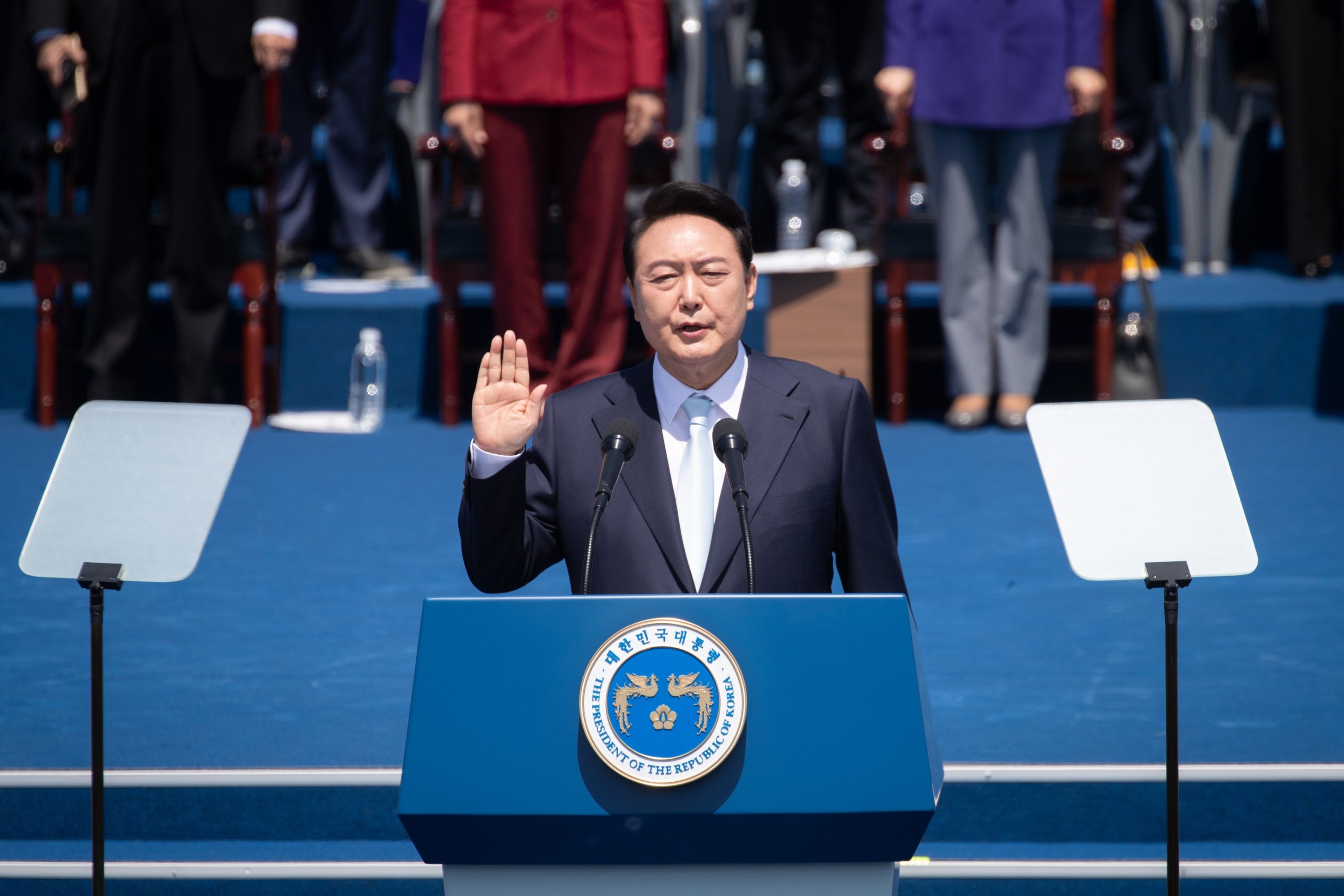
President Yoon Suk Yeol’s presidency crashed to an unprecedented end Friday, as South Korea’s Constitutional Court unanimously upheld his impeachment over a six-hour martial law declaration that stunned the nation and shook its democracy to the core.
The eight-judge panel ruled that Yoon’s attempt to use military and police force to block legislative action “gravely violated the Constitution,” with acting Chief Justice Moon Hyung-bae declaring the move a “serious threat to constitutional order.”
“The declaration of martial law blatantly defied legal thresholds,” Moon said in a nationally televised verdict. “Military interference in legislative authority cannot be justified.”
It marks the first time in South Korea’s history that a president has been impeached and removed from office over an attempted military intervention. Yoon’s downfall, barely two years into his term, ends a meteoric rise from top prosecutor to president, and now to disgraced former leader facing criminal charges.
As the verdict broke, euphoria exploded in downtown Seoul.
Protesters in blue bear costumes – now symbols of resistance – danced and cried outside the royal palace. Others marched with flags and chants echoing through the capital’s streets.
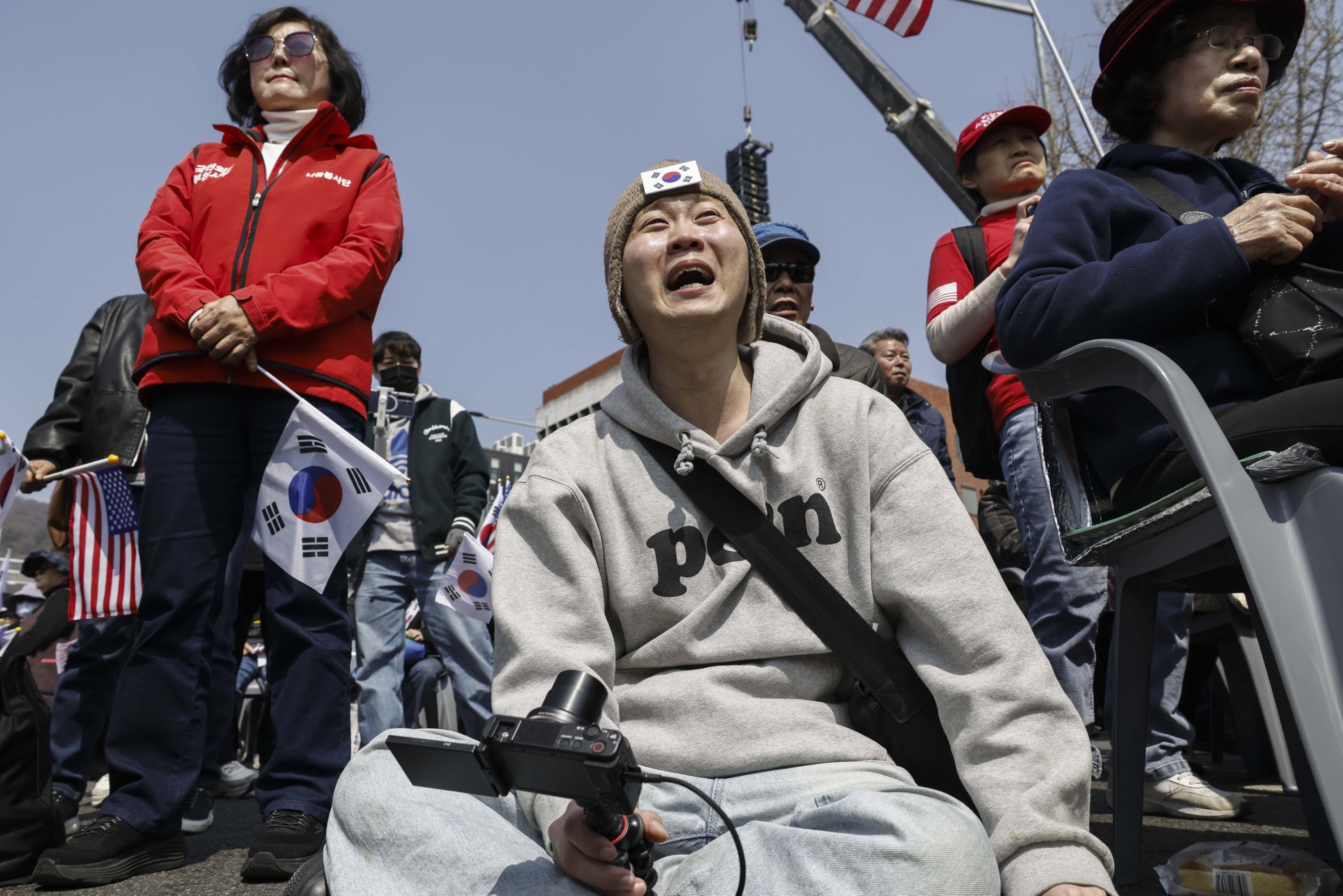
Outside Yoon’s official residence, thousands of loyalists reacted in anguish. Some sobbed beneath waving South Korean and U.S. flags. A protest leader’s voice thundered: “We will not be shaken! Anyone who accepts this ruling is the enemy.”
Despite the tension, no major violence was reported.
A new presidential election must be held within 60 days, though analysts warn the nation remains deeply fractured.
Tensions over Yoon’s removal may complicate Seoul’s foreign policy, particularly in navigating U.S. interests under Donald Trump’s "America First" stance and North Korea’s pivot toward Russia.
Prime Minister Han Duck-soo, now acting president, promised a smooth transition. “There will be no gaps in security or diplomacy,” he assured. “I will ensure a lawful and stable handover.”
In a statement via his legal team, Yoon expressed “deep regret” but didn’t accept the ruling. “It has been the greatest honor of my life to serve our nation,” he said, adding he would pray for the country.
His lawyer, Yoon Kap-keun, slammed the ruling as “purely political.” But his party, People Power, said it would respect the court’s decision.
Yoon had argued the martial law decree was a desperate stand against the opposition Democratic Party, which he accused of sabotaging his presidency. In his final court testimony, he called the National Assembly “a den of criminals.”
Observers believe the martial law move was also aimed at derailing possible probes into scandals involving his wife, Kim Keon Hee.
Now stripped of presidential immunity, Yoon could face further charges, including abuse of power and rebellion – both carrying heavy penalties.
Once seen as a tough-on-crime crusader, Yoon became president in 2022 after narrowly defeating Lee Jae-myung, the same liberal leader now favored to win the coming by-election.
Lee, himself on trial for corruption, praised the court’s decision and the courage of citizens and military personnel who refused to obey Yoon’s “unjust orders.”
“The people’s bravery lit this revolution,” Lee said.
Yoon’s martial law lasted just six hours but left deep scars. Armed soldiers stormed the National Assembly, shattered windows, and confronted protestors. Some top military officials later testified that Yoon ordered them to detain lawmakers and rival politicians – claims he denies.
Despite the chaos, a bipartisan coalition of lawmakers entered the assembly and unanimously voted to overturn the decree.
Yoon, 64, served as prosecutor-general under liberal President Moon Jae-in before switching political allegiances in 2021.
He capitalized on public discontent to win the presidency, promising transparency and reform.
Instead, his tenure was marred by scandal, infighting and vetoes.
He angered allies by refusing to sack controversial appointees and inflamed regional tensions with a hawkish North Korea policy and frosty ties with China.
Still, Yoon tried to redefine South Korea’s alliances, forging closer military bonds with the U.S. and Japan to confront Pyongyang’s nuclear threats.