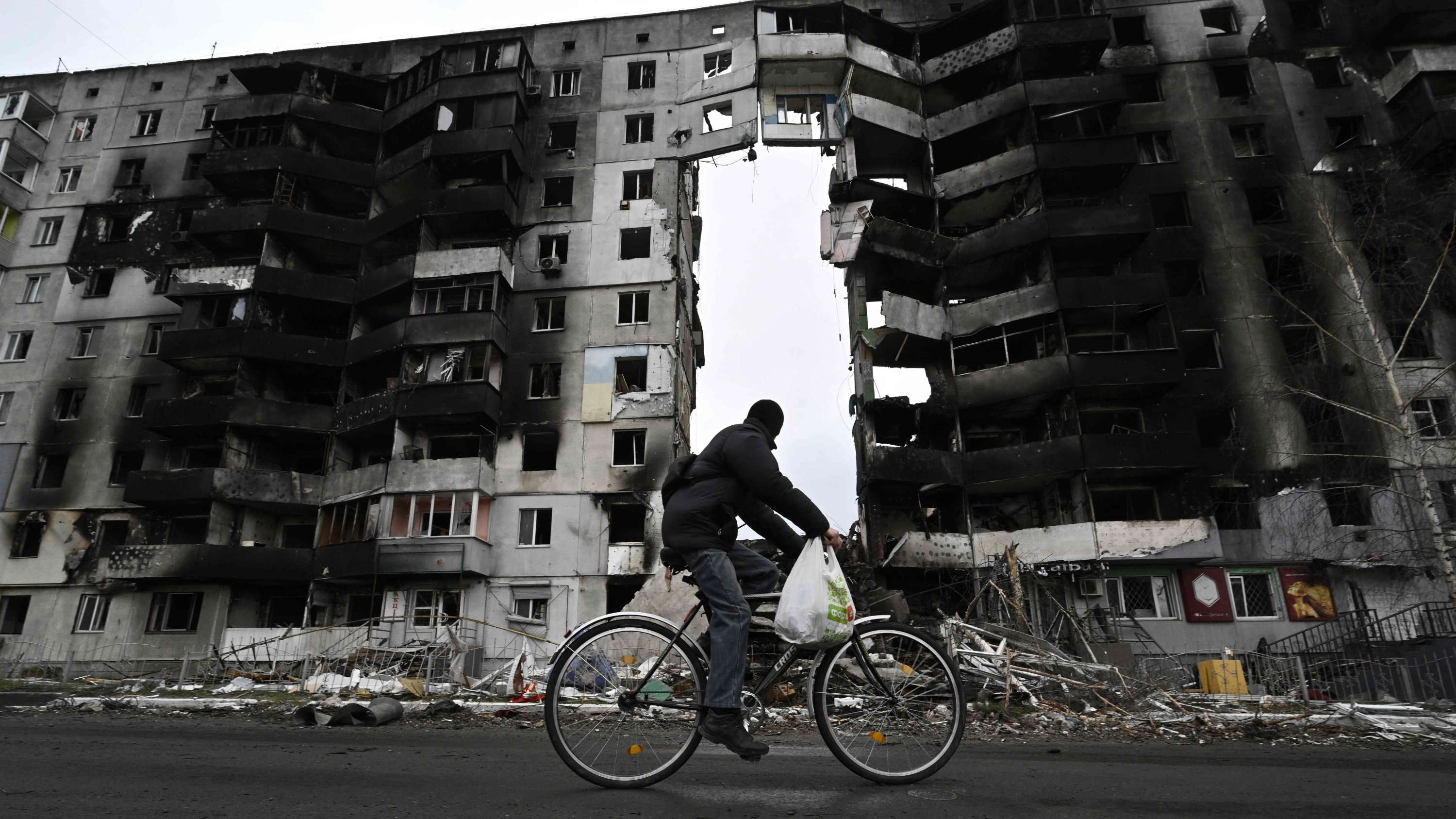
"Today, the war is this endless routine: huge numbers of casualties, destruction everywhere, constant missile and drone attacks, and funerals that never stop. The war has reached a deadlock, yet both sides still have the strength and resources to keep fighting," said Yanina, a 32-year-old Ukrainian woman living in Türkiye.
Her words illustrate the daily reality for millions as the war drags on into its fifth year. For Ukrainians and Russians, however, the impact of the conflict is starkly different.
For those still in Ukraine, life means constant bombardment, the fear of death, and winters without heat and sometimes without electricity.
For Ukrainians who have left the country, it means watching their hometowns crumble and living with the anxiety of losing loved ones.
Yanina told Daily Sabah that the war was an effort by Russia to revise the collapse of the Soviet Union and "bring Ukraine back into the circle of ‘brotherly nations.’"
Other Ukrainian interviewees expressed similar views, describing the conflict as stemming from Russia’s refusal to accept Ukraine’s independence.
In Russia, citizens grapple with moral dilemmas: the line between right and wrong, standing firm under international pressure, and questioning their state’s actions against Ukrainians.
Some openly declared their support for Ukraine, while others described the cause of the war as "complex."
Kseniya, 29, suggested that Russia's reaction to perceived military encroachment near its borders was inevitable within the context of geopolitics.
"You don’t have to morally justify anything to acknowledge that major powers react predictably to security pressure. So, part of the tragedy is that everyone acted according to their logic, and those logics were incompatible," she said.
While personal experiences vary, both governments have framed the conflict through a geopolitical lens.
Ukrainian President Volodymyr Zelenskyy and the Foreign Ministry have stated that Russia’s aggression violates international law, the United Nations Charter, and Ukraine’s territorial integrity.
Meanwhile, Russian President Vladimir Putin and officials in Moscow asserted that the "special military operation" was needed to protect Donbas and prevent NATO expansion, which they view as a national security threat.
Russia carried out a widespread assault on Ukraine on Sunday, firing numerous missiles and deploying drones against sites nationwide. The strikes hit energy facilities, railway infrastructure and residential areas, coming just two days ahead of the fourth anniversary of the invasion.
"When the full-scale invasion began, I was in Kyiv," said Olga, 55, describing how she witnessed the bombing of the city and its military bases. She and her family escaped, "hoping this madness would end within 24 hours. However, that was only the beginning of a nightmare that continues to this day," she added.
Olga returned to Kyiv and still lives there.
"Sometimes it feels like I am in some kind of horror movie," she said, adding that "waking up in the middle of the night to the sounds of air raid sirens and explosions is so terrifying."
For Daria, 35, who also lives in Kyiv, constant alerts, power outages, economic instability and a lack of heating have been mentally exhausting. Winters have been especially harsh for Ukrainians as Russia has deliberately targeted energy infrastructure, she said.
Russian assaults on Ukraine's energy networks totaled 1,225 in 2025, surpassing the combined total of the war's first three years, according to an analysis by Anadolu Agency.
Drones and long-range strikes have also targeted city centers and residential areas, causing civilian damage well beyond the front lines.
A December 2025 report from the U.N. Office for the Coordination of Humanitarian Affairs (OCHA), reveals that civilian casualties from the war rose by 27% in 2025 compared to the same period the previous year.
Since the conflict began in 2022, more than 14,500 civilians have been killed and nearly 38,500 have been injured.
Living under constant threat has changed how Daria sees life. "I no longer make long-term plans, because at any moment a missile or a drone could take my life. I've learned to live in the present, to focus on today, and not plan too far ahead," she revealed.
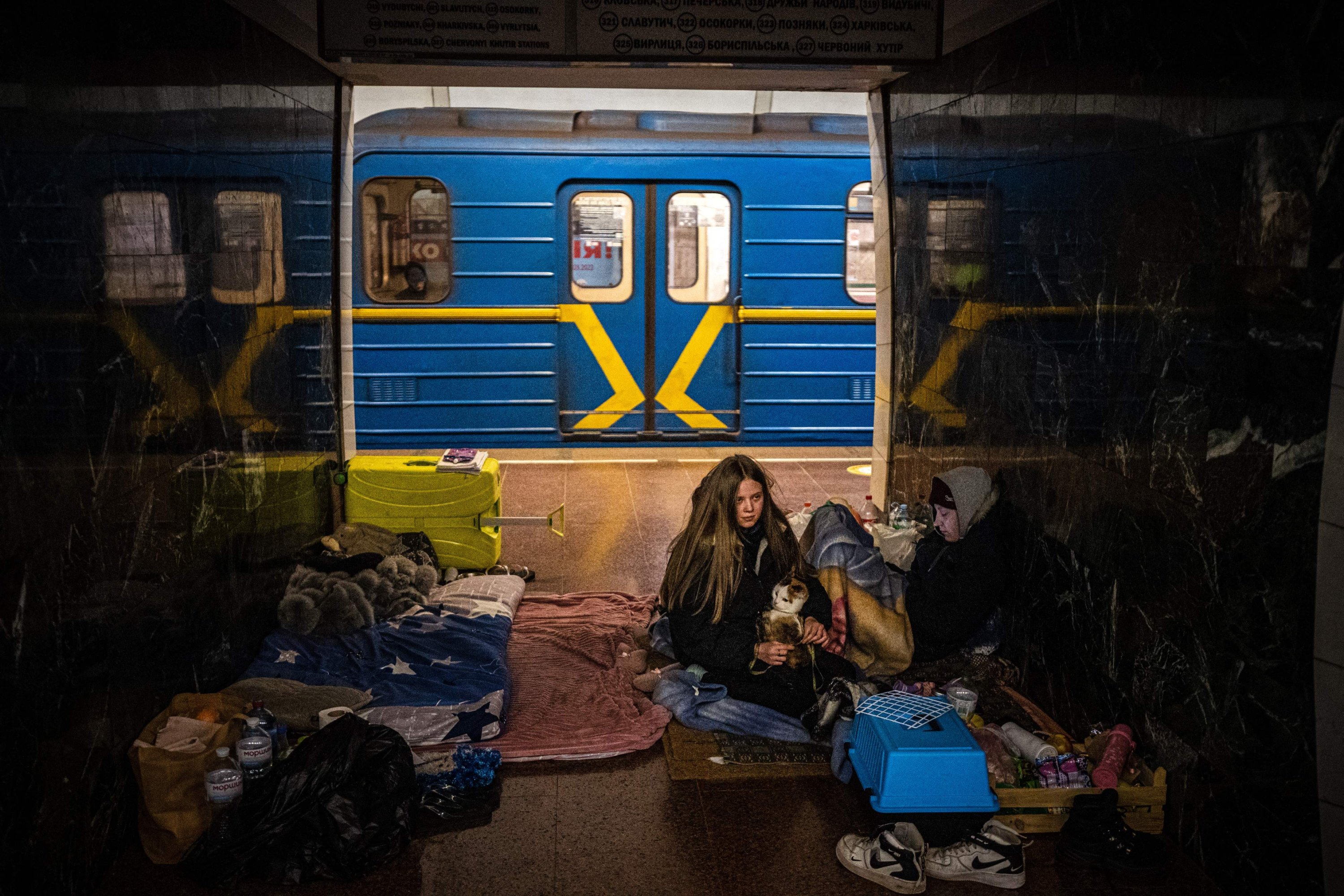
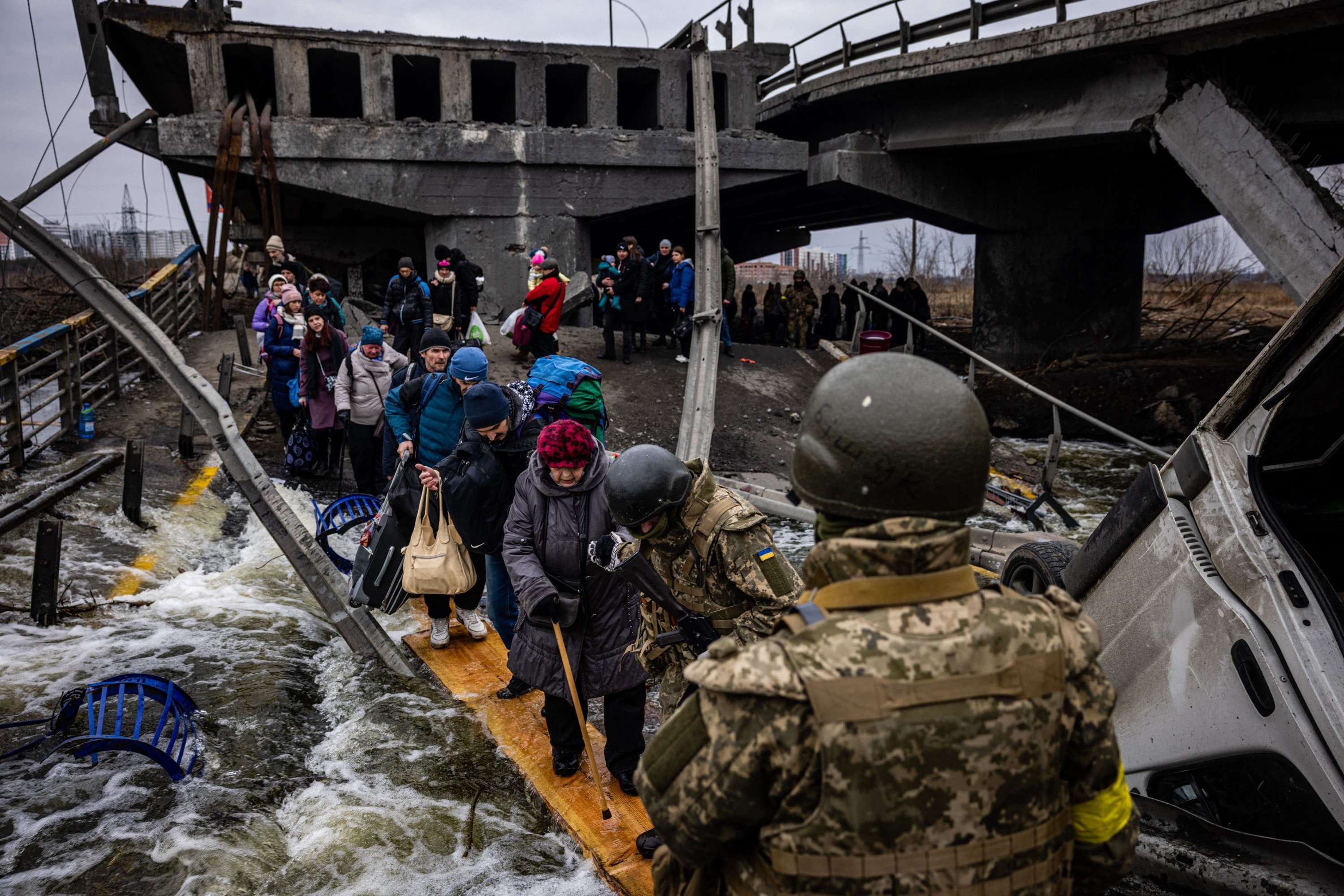
While Olga and Daria endure the war firsthand, many of their fellow citizens experience the conflict from abroad.
Nataliya, 44, who has lived in Türkiye since 2009, mentioned, "Every morning, before I have my coffee, I call my mother and relatives in Ukraine to find out if they made it through the night safely. For years, there has hardly been a single night without bombardment."
But for Inna, 50, who also moved to Türkiye long before the war began, the fear of losing loved ones has turned into a painful reality.
"Many people I know are serving in the Ukrainian army today. Unfortunately, some of them have lost their lives – people whose numbers you couldn’t bring yourself to delete from your phone," she said.
Born and raised in Donetsk, now on the front line of the war, Inna also noted that homes of many of her family members and friends were destroyed.
"Today, there is no wall left in my mother’s house, where I grew up. The only thing I could salvage from there were family photos," she recalled, adding, "The city is almost completely destroyed: not a single school, hospital or public building remains standing. After Russia’s attacks, only ruins remain."
A report from the Kyiv School of Economics, published in April 2024, estimates that the total damage to residential, non-residential real estate, and other infrastructure since the onset of Russia's full-scale invasion has exceeded $157 billion, with approximately 250,000 housing facilities destroyed or damaged.
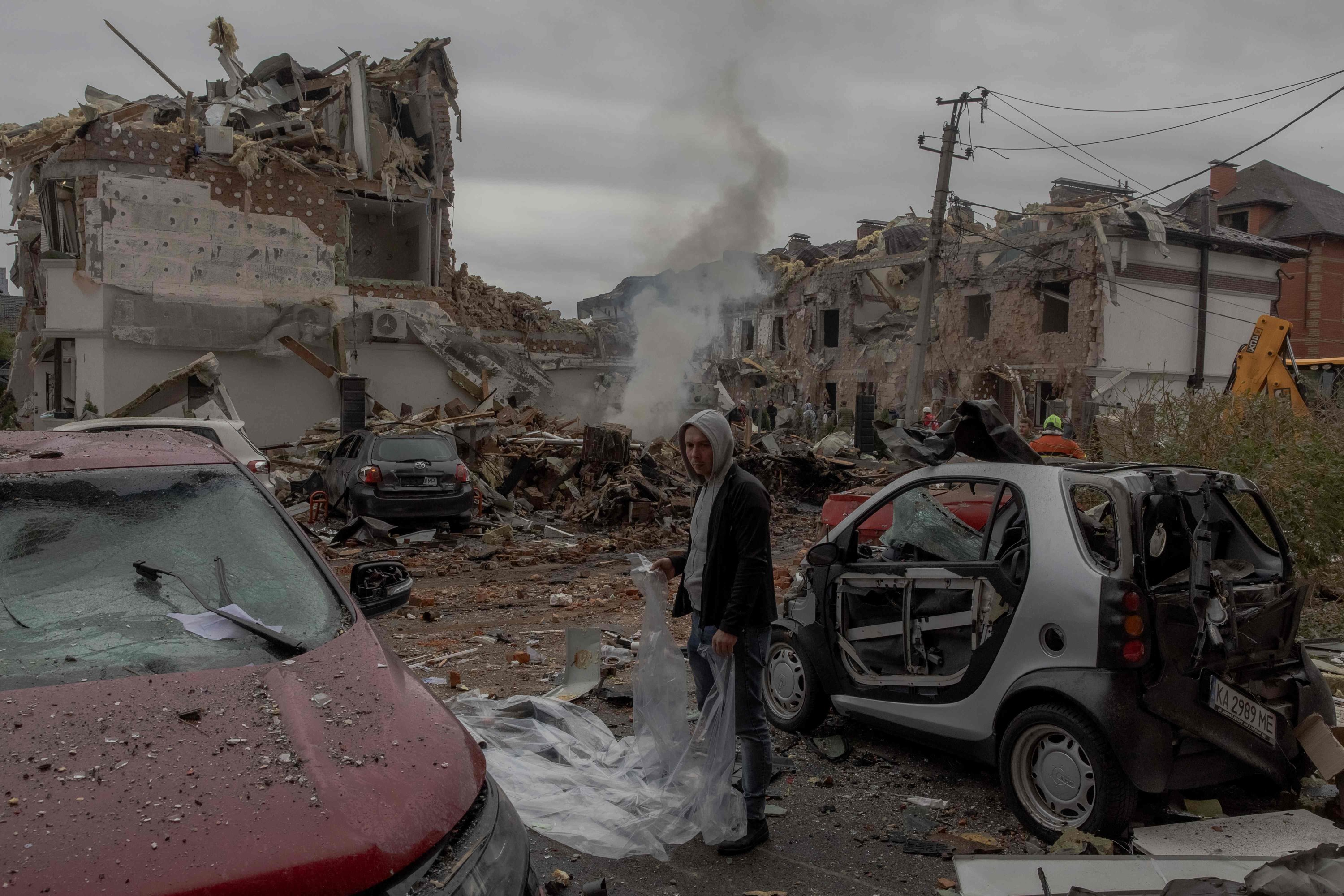
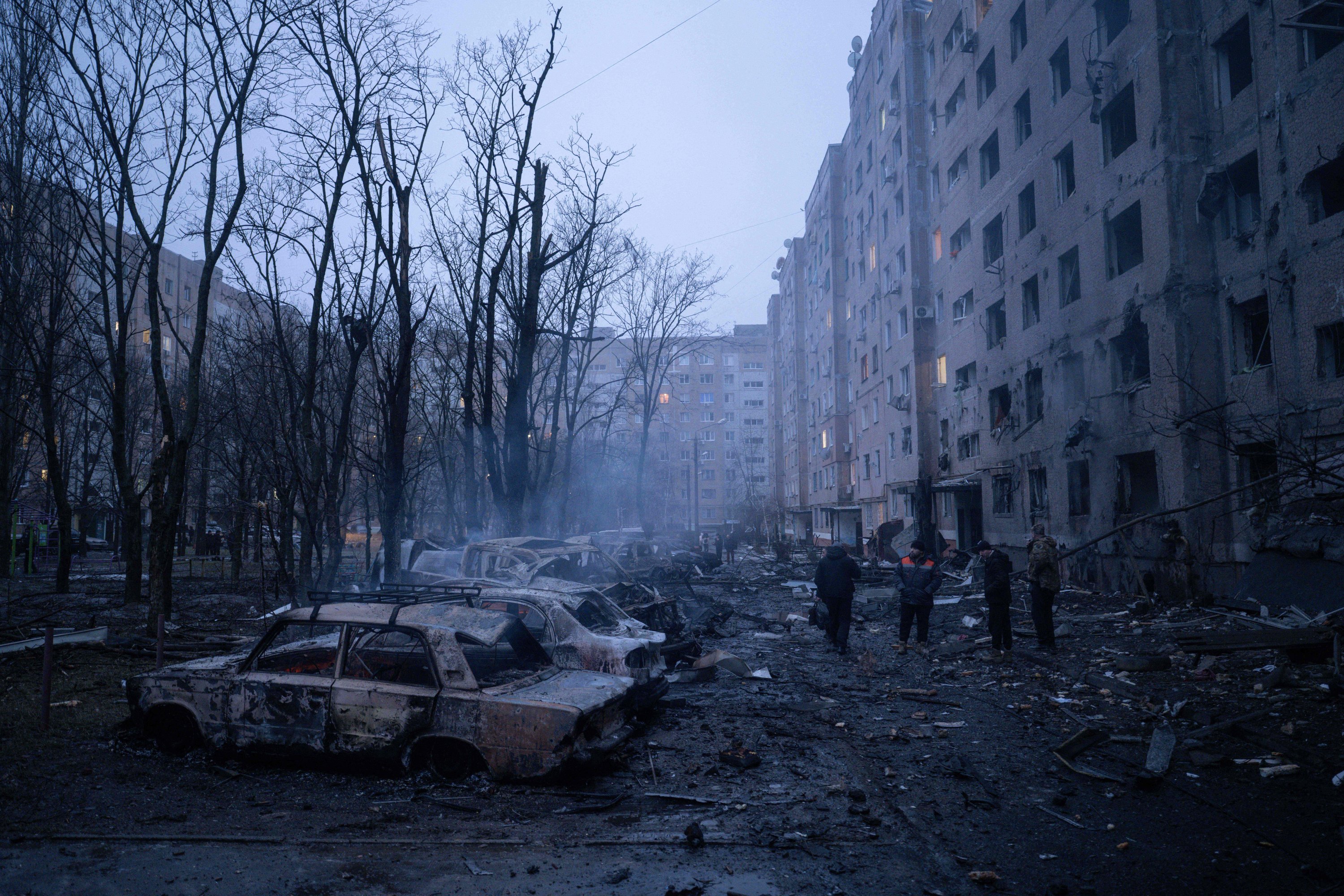
The death and destruction Ukraine has suffered have left many Ukrainians with conflicted feelings about the world.
The war has constantly changed her worldview, Yanina said, "I genuinely believed in the power of international law and in the existence of effective mechanisms to restrain an aggressor."
"Today, I see how powerless those mechanisms really are. Idealism has given way to the sober realization that global institutions have proven unable to prevent this catastrophe, and that the dangerous old principle of ‘might makes right’ is once again starting to dominate world politics," she added.
Despite the shaken trust, all the respondents said Türkiye’s role as a mediator, its support for the Ukrainian government and people, organizing initiatives like the grain corridor and prisoner exchanges, and providing Bayraktar drones to the Ukrainian army meant a great deal to them.
"These acts of support gave us real hope and strength in those hardest early days. On a personal level, I am deeply grateful to the Turkish people for their warmth and hospitality," Yanina remarked.
On the other front of the war, in Moscow, a 32-year-old teacher who chose to use the pseudonym Viktor for our interview, described his reaction to the conflict’s onset.
"On the day the war began, I admit, I was shocked and horrified," he said, hoping that all the developments were just a dream.
The following days brought a constant wait for "something bad to happen." He became even more fearful after he was detained.
"Three police officers grabbed me in the middle of the day in central Moscow and took me to the police station," he recalled.
Viktor was not alone that day. A friend who "supported the war" was also detained, he explained.
He said they were both forced to sign a statement declaring they had participated in the rally, despite having only been passing by. Referring to his friend, Viktor said, "And guess what? He stopped believing in the government."
However, he added, the change took months. According to Viktor, none of his friends supports the government's actions anymore.
Viktor eventually stopped reading the news to ease his mind, and for more than a year, neither he nor his friends discussed politics.
"If something were to happen, I wouldn't be able to influence it," he explained. Criticizing opposition leaders who urge protests on YouTube, he added, "How could anyone fall for that? None of them lives within the country."
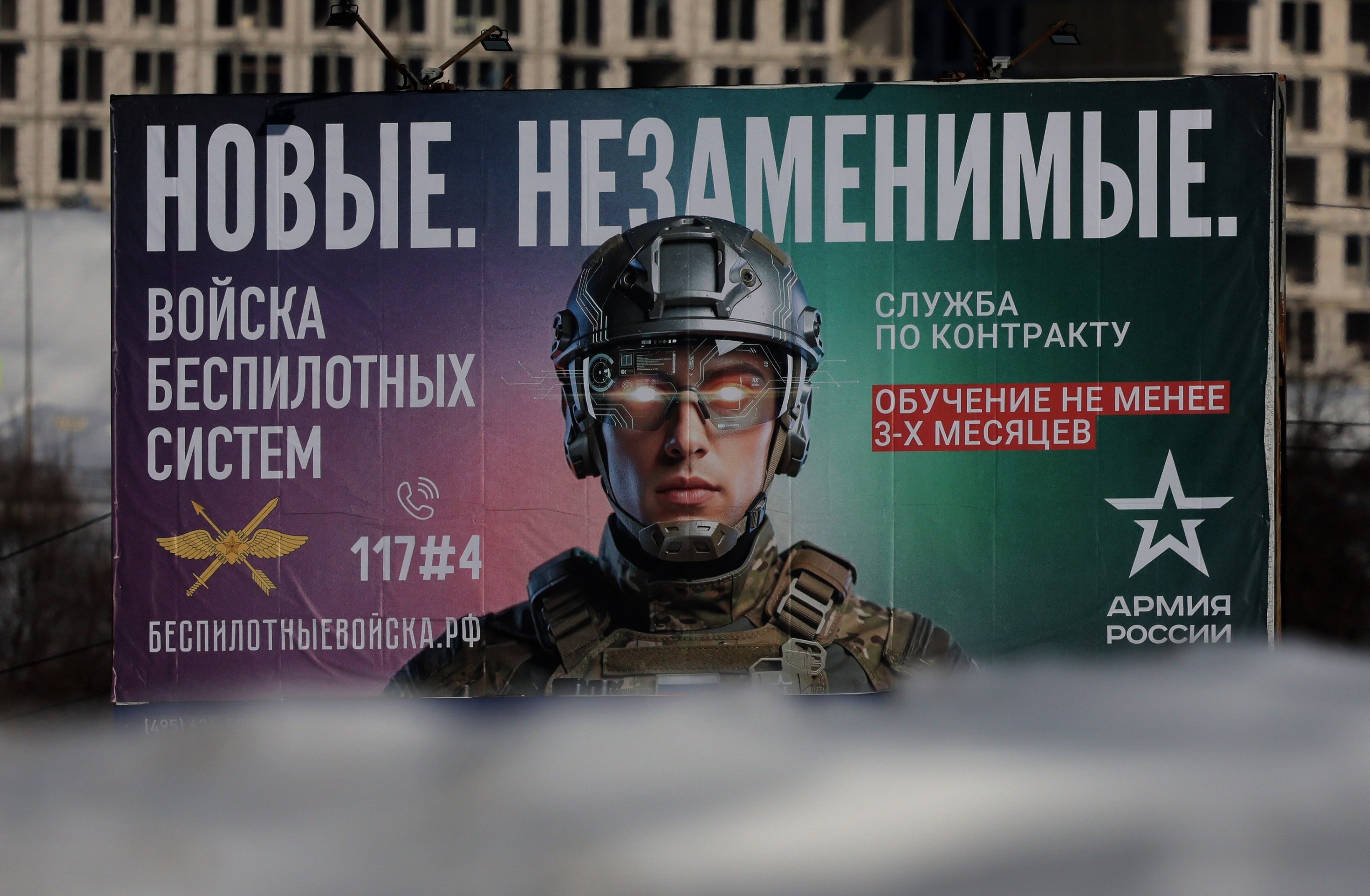
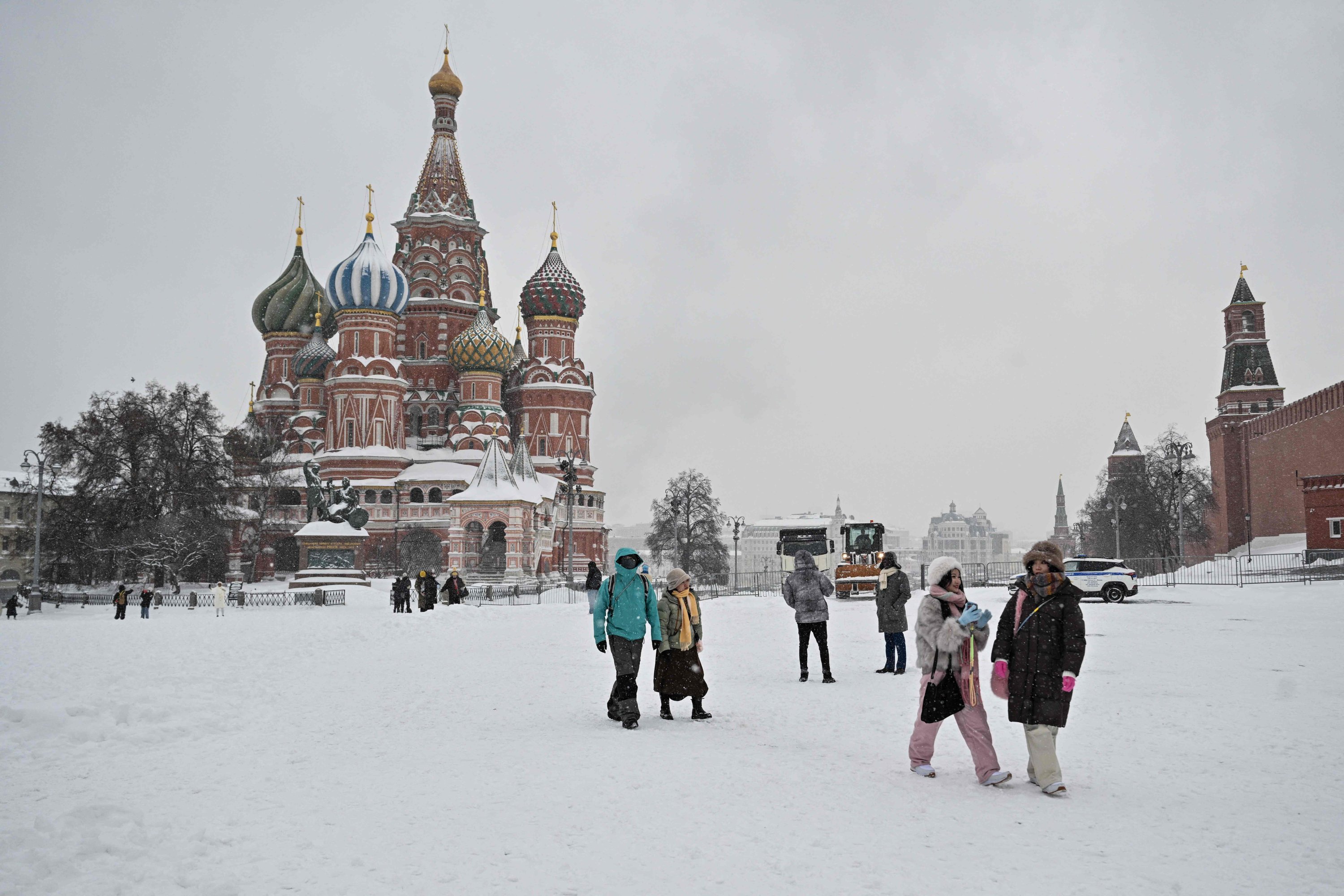
Other Russian interviewees, declining to give their names for security reasons, also indicated that opposing government policies at home has become difficult.
A 30-year-old said, "I stand with Ukraine because I cannot accept the violation of a country's sovereignty." Since expressing these views was risky in Moscow, he remarked, he moved to Türkiye after the war began.
A journalist from Moscow offered another perspective on social pressure, saying that, "The fact that people avoid giving interviews even on topics unrelated to politics and that every time I work on a news story the police and citizens ask me questions about my intentions naturally has a negative impact on my work."
The Russian government has framed its postwar laws regarding free speech and press freedom as necessary to protect national security, particularly during a time of conflict.
Officials argue that restrictions on media are designed to curb "foreign influence" and "disinformation," claiming that they protect Russian citizens from hostile foreign narratives.
Western critics, particularly organizations like Reporters Without Borders and Human Rights Watch, have accused Russia of stifling free speech and curbing press freedom, especially after the war began.
Regarding Western pressure on Russia, Elena, 29, a teacher from Moscow, said the labeling of "pro-Russian" and accusations against Russia are one-sided and unjust.
These reflect double standards in applying international law, sanctions and enforcement, she explained, and pointed out to the Western states establishing an Israeli state in the lands of Palestine and the current atrocities Israel commits in Gaza.
"Why are there no sanctions against Israel? Why isn’t it banned from international sports competitions and contests?" Elena said.
"Some Western countries came in 1947 and divided Palestine. Who gave them the right to do that? Why don’t they describe those people as ‘pro-Western’ or ‘pro-Israeli’ forces?", she asked.
Referring to the U.S. government’s abduction of Venezuelan President Nicolas Maduro, Elena added, "Imagine if Russia kidnapped Zelenskyy. The West would declare war."
Despite the negative sentiment toward the West, many Russians said Türkiye's role as a mediator, handling initiatives like the grain corridor, prisoner exchanges and not sanctioning Russia, has been vital.
"These mechanisms kept practical cooperation possible during active hostilities. Western sanctions, in comparison, apply pressure but prove ineffective," said Kseniya.