German lawmakers on Wednesday voted to abolish a fast-track citizenship process that allowed well-integrated foreign residents to apply for naturalization after just three years in the country.
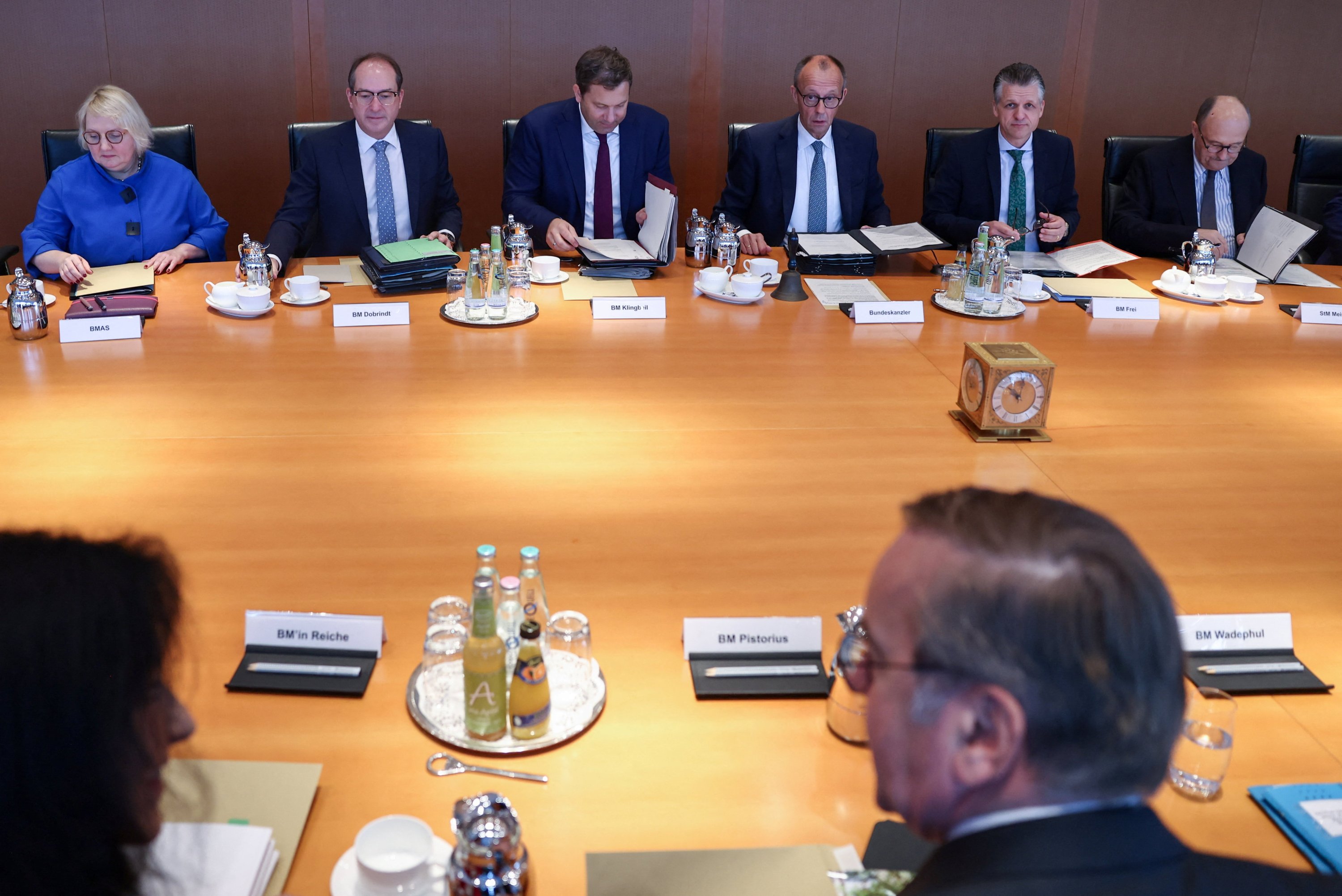
Chancellor Friedrich Merz's coalition voted to cancel the measure, just a year after it was introduced by the previous government in an effort to boost recruitment of high-skilled workers from abroad.
Merz's conservative bloc was strongly opposed to the "turbo naturalization" process. The minimum residency requirement is to be raised to five years.
Opposition parties were outraged by the decision.
Felix Banaszak, chairman of the Greens, said the move sends the "wrong signal" with Germany in desperate need of high-skilled foreign workers to fill jobs.
The reform made Germany "more modern, more open and fairer," Banaszak said.
The previous centre-left coalition under former Chancellor Olaf Scholz introduced a fast-track system for German citizenship applications, allowing particularly well-integrated immigrants to gain German nationality after just three years of residence.
Clara Bünger from The Left also criticized the lack of a transitional regulation for those who have already applied for nationality under the fast-track lane but have not yet received a decision.
"As the processing times in the naturalisation procedure are unbearably long, this is likely to affect many people," Bünger told the web.de news portal.
Of 2024's record 300,000 naturalizations, only a few hundred came through the fast track, originally planned as an incentive for the footloose and highly skilled to choose to settle in a Germany that suffers from acute labor shortages.
Candidates must demonstrate achievements such as very good German, voluntary service, or professional or scholarly success.
"Germany is in competition to get the best brains in the world, and if those people choose Germany, we should do everything possible to keep them," the Greens' Filiz Polat told legislators.
Attitudes towards immigration have soured dramatically, partly because of the strain high migration levels have placed on local services. That shift helped propel the far-right Alternative for Germany party to first place in some polls.