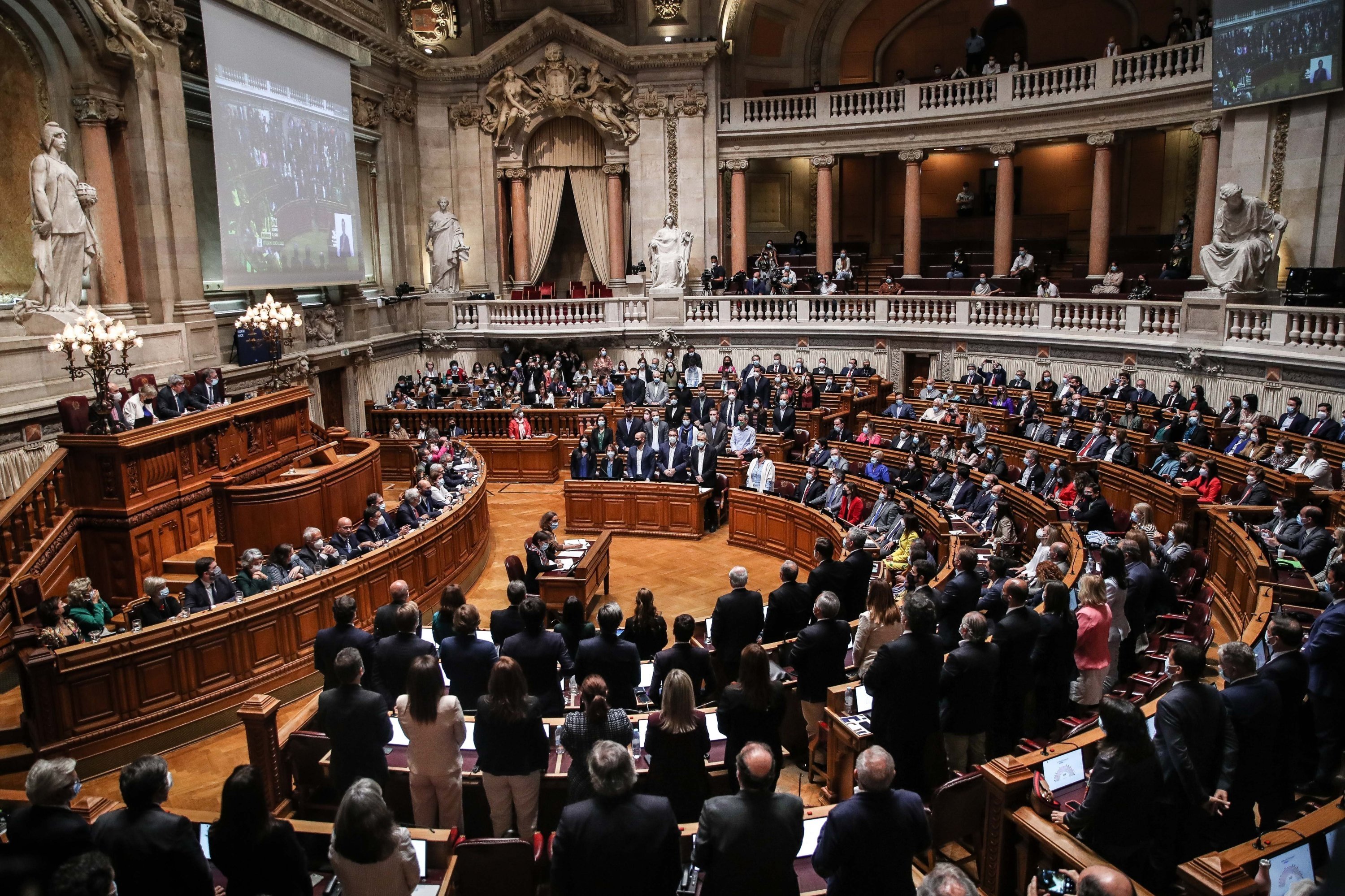
Portugal’s parliament on Friday approved a controversial bill outlawing face veils worn in public for “gender or religious” reasons, a move widely viewed as targeting Muslim women’s attire.
The measure was proposed by the far-right Chega party and would prohibit coverings such as burqas and niqabs, the full-face Islamic veil, from being worn in most public places. Face veils would still be allowed in airplanes, diplomatic premises and places of worship.
The bill stipulates fines for those wearing face veils in public ranging between 200 euros and 4,000 euros ($234 and $4,669).
President Marcelo Rebelo de Sousa still has to approve the bill. He could veto it or send it to the Constitutional Court for review.
If signed into law, Portugal would join a number of European countries, such as Austria, France, Belgium and the Netherlands, which have full or partial bans on face and head coverings.
Not many women in Portugal wear such coverings, but the issue of Islamic veils has generated controversy similar to that in other European countries.
Chega cited France and other European Union countries' rationales for banning face coverings commonly worn by Muslim women. The far-right Portuguese party received support from center-right parties.
In its bill, Chega said that hiding the face subjects individuals – especially women – "to situations of exclusion and inferiority" and was incompatible with principles such as "liberty, equality, and human dignity.”