The United Kingdom and European Union on Monday welcomed reports of U.S.-Iran talks and a temporary halt in strikes on Iran’s energy infrastructure, voicing cautious hope that diplomacy could lead to a swift end to the escalating Middle East conflict.
British Prime Minister Keir Starmer welcomed reports of talks between Washington and Tehran, stressing that the priority must be a rapid resolution to the conflict.
“The immediate priority has to be a swift resolution of the conflict and delivering a negotiated agreement which puts tough conditions on Iran, particularly in relation to nuclear weapons,” Starmer said during a parliamentary Liaison Committee session.
He added that the U.K. was aware of the reported talks and downplayed concerns over energy security, saying Britain does not have “any meaningful concerns” about supplies despite the escalation.
The diplomatic signals follow remarks by U.S. President Donald Trump, who said Washington had held “intense” and “productive” discussions with Iranian authorities. Iran, however, has rejected claims that negotiations are taking place.
Trump also announced a five-day postponement of planned strikes on Iranian power plants and energy infrastructure, citing progress in talks.
“I am pleased to report that the United States of America and the country of Iran have had, over the last two days, very good and productive conversations regarding a complete and total resolution of our hostilities in the Middle East,” he said on his Truth Social platform.
He later told CNBC that the U.S. remains “very intent” on reaching a deal with Iran and expressed hope that meaningful progress could be achieved.
The European Union also welcomed the pause in strikes, describing it as a positive step toward reducing tensions.
“Any expression of restraint is welcome,” European Commission spokesperson Anouar El Anouni said, reiterating the bloc’s call for de-escalation and maximum restraint.
El Anouni noted that the EU is maintaining active diplomatic engagement with regional and international partners, including Iran and Gulf countries, to prevent further escalation.
EU foreign policy chief Kaja Kallas has been in “constant contact” with counterparts across the region, including Türkiye, Qatar and Iran, as part of efforts to contain the crisis and promote dialogue.
Speaking separately in Nigeria, Kallas said the halt in attacks on energy infrastructure was a “very welcome development,” warning that such strikes risk deepening instability.
“I think any attacks on infrastructure are causing chaos in the region and really escalating this war even further,” she said.
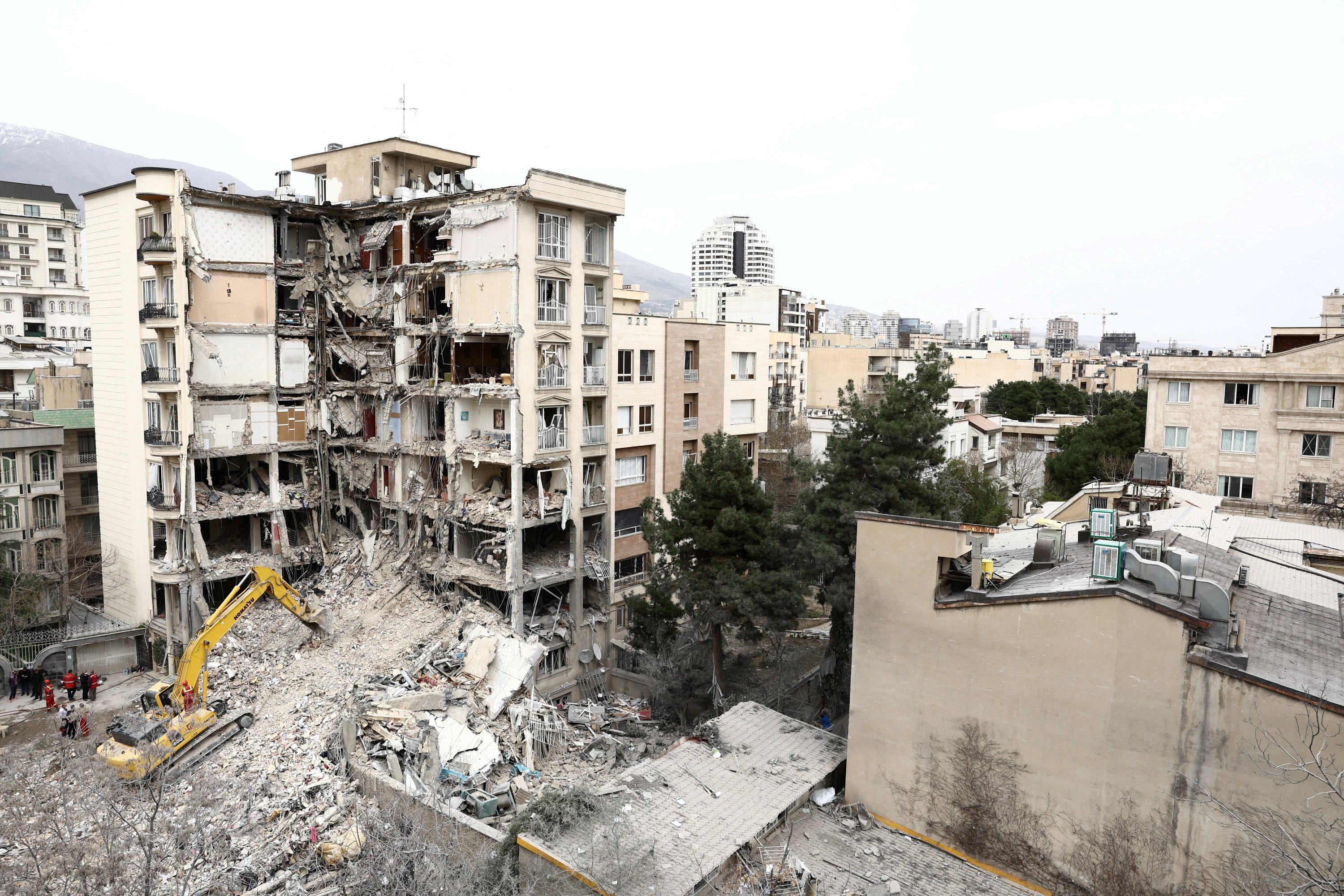
Regional tensions have surged since the United States and Israel launched a joint offensive on Iran on Feb. 28, with reported casualties exceeding 1,300 people.
Iran has responded with drone and missile attacks targeting Israel, as well as Jordan, Iraq and Gulf countries hosting U.S. military assets, leading to casualties, infrastructure damage and disruptions to global markets and aviation.
Despite conflicting claims over the existence of direct talks, reactions from London and Brussels point to a shared goal – advancing diplomacy to prevent further escalation and steer the conflict toward a negotiated outcome.