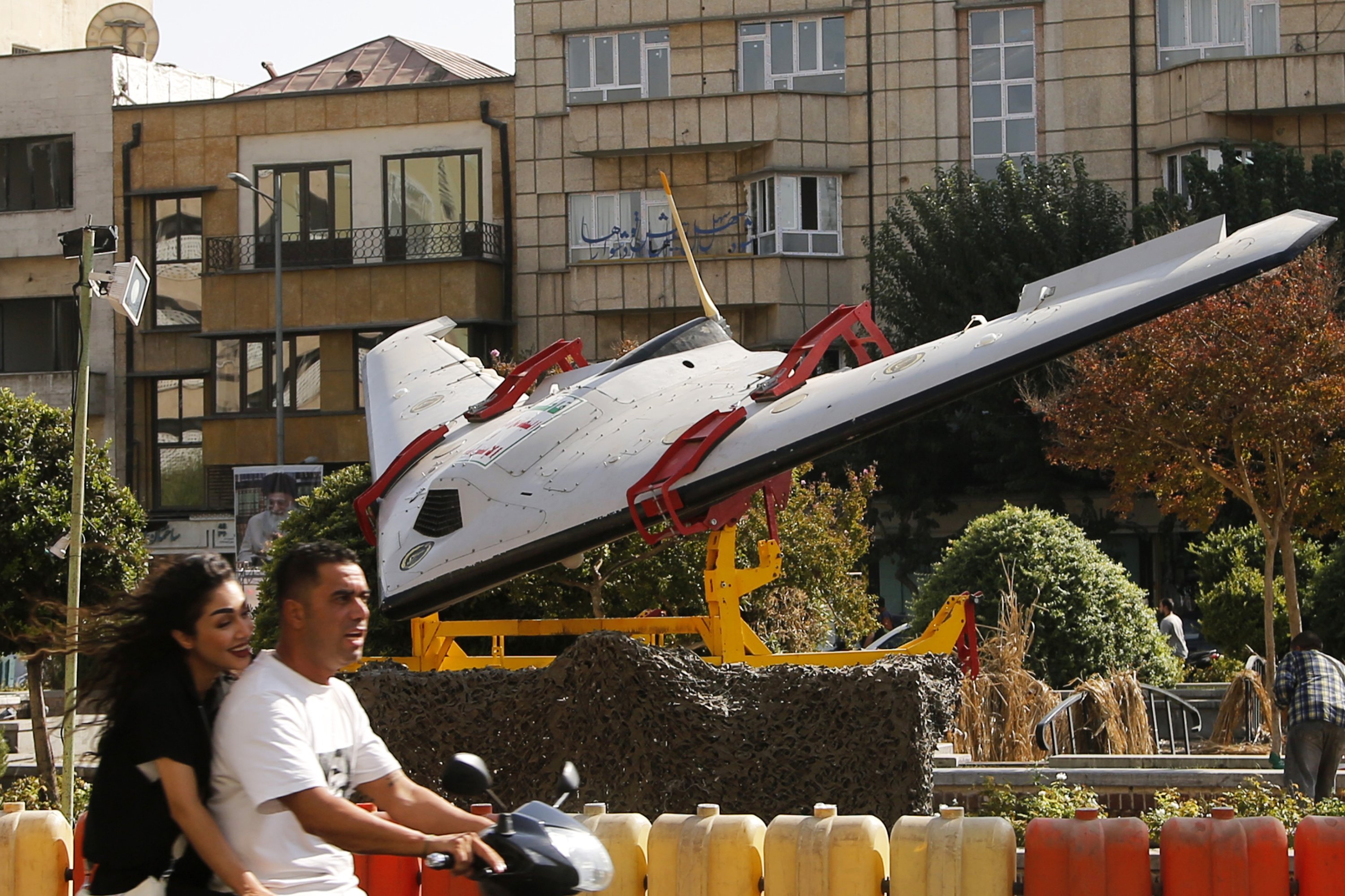
Iran is preparing a stronger military response if the U.S. resumes large-scale attacks while continuing a diplomatic push Iranian officials privately view as unlikely to succeed, sources said.
The planning reflects a conviction within Iran's leadership that any renewed U.S. campaign must be met with a stronger response than before, even as Tehran seeks to avert escalation through talks.
Senior commanders are reviewing plans to expand potential targets beyond U.S.-linked assets to countries that support U.S. military operations and possibly to locations outside the Middle East, according to three senior Iranian officials and an insider familiar with the discussions.
Since President Masoud Pezeshkian returned from New York last week, commanders and senior officials have focused on the scope and timing of any response if Washington strikes again.
No final decision has been made, but planning has intensified as neither side shows signs of willingness to compromise.
The deliberations follow seven months of conflict that began with U.S.-Israeli attacks on Feb. 28. Although an April 8 cease-fire ended the 40-day war, hostilities have continued sporadically since then.
Hamidreza Azizi, a senior Iran analyst at the International Crisis Group, said Tehran remained uncertain whether U.S. President Donald Trump would launch another major campaign or opt for more limited attacks, such as strikes on nuclear facilities.
"But they seem determined not to respond symbolically to a symbolic move and instead to escalate in the hope of reestablishing deterrence," Azizi said.
Tehran is also weighing the political risks for U.S. President Donald Trump of a prolonged conflict. Polls show the war has been unpopular with Americans, while higher fuel prices remain a concern ahead of the midterm elections.
Two of the officials said Tehran had instructed allied groups in Lebanon, Yemen and Iraq to be ready to support Iran in the event of a renewed large-scale U.S. attack.
The guidance, they said, was to prepare for a coordinated response stretching "from the Strait of Hormuz to U.S. interests in the region and outside the Middle East."
Iran's Foreign Ministry did not immediately respond to a Reuters request for comment.
However, Tehran is still keeping open a channel for negotiations even as it readies for a wider war.
Iran will never shy away from dialogue with the US, Pezeshkian said Thursday, as Tehran weighs a U.S. response to its latest proposal to resurrect the collapsed deal.
"We have never shied away from talks, and we never will, although the United States has targeted our country three times despite having signed an agreement," the semi-official Tasnim news agency quoted him as saying.
Underlying Iran's calculations is a second concern: whether its economy can withstand a prolonged confrontation under a U.S. blockade that has cut off oil exports, a critical source of revenue.
Years of sanctions and mounting economic hardship have already placed growing pressure on ordinary Iranians.
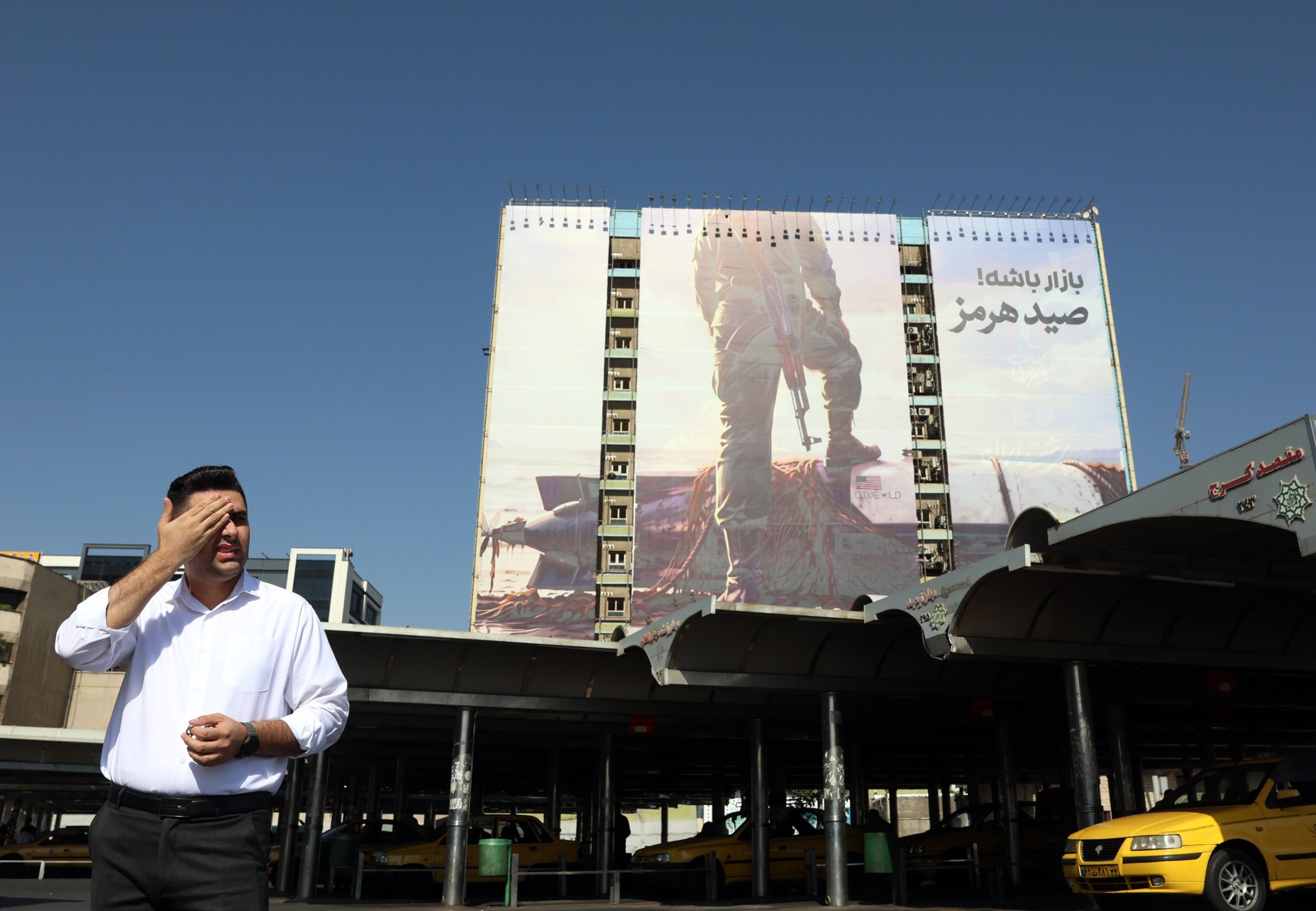
At last week's United Nations General Assembly in New York, Tehran submitted a proposal to Washington through Qatari mediators that, if accepted, could reopen the Strait of Hormuz and halt hostilities across the region within seven days.
Iranian authorities say the proposal calls for an end to fighting, the lifting of the U.S. blockade on Iranian ports, the release of at least $12 billion in frozen Iranian funds and a waiver of oil sanctions.
U.S. President Donald Trump said Saturday he had rejected the proposal. Iranian state media reported, however, that a U.S. response was delivered to Tehran through Qatar Tuesday and is now under review.
Iranian sources said Washington wants Iran's disputed nuclear program included in negotiations, but Tehran insists that the nuclear talks can only begin after its seven conditions are met, not before.
"Even if Iran does not reject the U.S. response outright and indirect talks continue, it is very unlikely that the two sides will reach an agreement," said one of the officials.
Alex Vatanka, director of the Iran program at the Middle East Institute in Washington, said prospects for diplomacy remained limited.
"Iran cannot afford continuation of U.S. blockades that could be a major game changer, essentially taking the oxygen out of the lungs of the regime. Escalation at this point is conceivable," Vatanka said.
Since hostilities began, the conflict has alternated between lulls and renewed strikes, killing thousands of civilians, degrading Iran's military capabilities and damaging an already fragile economy.
For the U.S., the war has failed to achieve U.S. President Donald Trump's shifting goals while depleting the Pentagon's missile stockpiles.
Iran and its allies have sought to raise the cost for Washington by widening the conflict across the region, disrupting oil flows through the Strait of Hormuz and increasing risks to global energy markets.
Iran has launched drone and missile attacks against U.S. allies in the Gulf, while its Houthi allies in Yemen have targeted Saudi interests.
The Houthis' advance toward Bab el-Mandeb has opened a second pressure point on global energy routes, giving the Iran-aligned group leverage over the southern gateway to the Red Sea.
An insider close to the decision-making process said the combination of military pressure and economic restrictions was becoming increasingly difficult for the clerical rulers to sustain.
That strain is also fueling concerns within the leadership about domestic stability.
A former senior reformist Iranian official said the leadership fears a repeat of the nationwide protests that erupted in January, when worsening economic conditions triggered unrest across the country.
Authorities ultimately crushed the demonstrations, killing thousands of protesters.
"Facing unrest at home while the system is under U.S. pressure and bombs could pose a very serious challenge to the legitimacy of the ruling establishment," he said.
As the anniversary of January's unrest approaches, the authorities have tightened controls while attempting to maintain public mobilization, encouraging loyalists to return to nightly gatherings.
Rights groups say the government has intensified its crackdown on dissent during the war.
Amnesty International said in May that more than 6,000 people had been arrested since hostilities began, while a September report by U.N. investigators cited mass arrests, torture and increased use of the death penalty.