The cease-fire in Gaza has brought a fragile calm after months of relentless airstrikes and blockade, offering residents a brief respite from fear – but not from hardship.
With cash in short supply, many Palestinians find themselves unable to buy even basic necessities without falling prey to wartime profiteers.
Banks – many damaged or reduced to rubble alongside homes, schools and government buildings – began reopening Oct. 16, six days after the truce took effect.
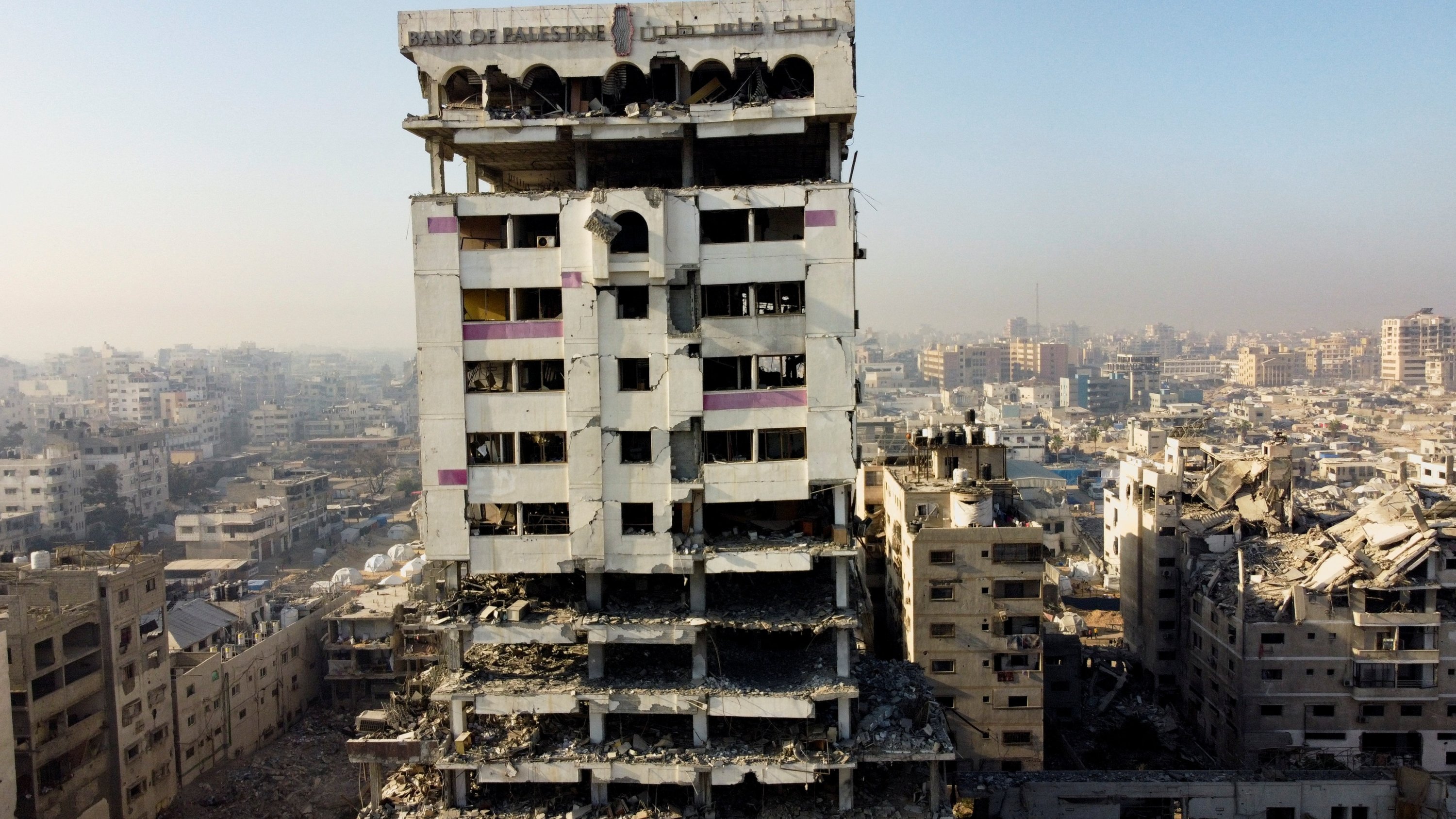
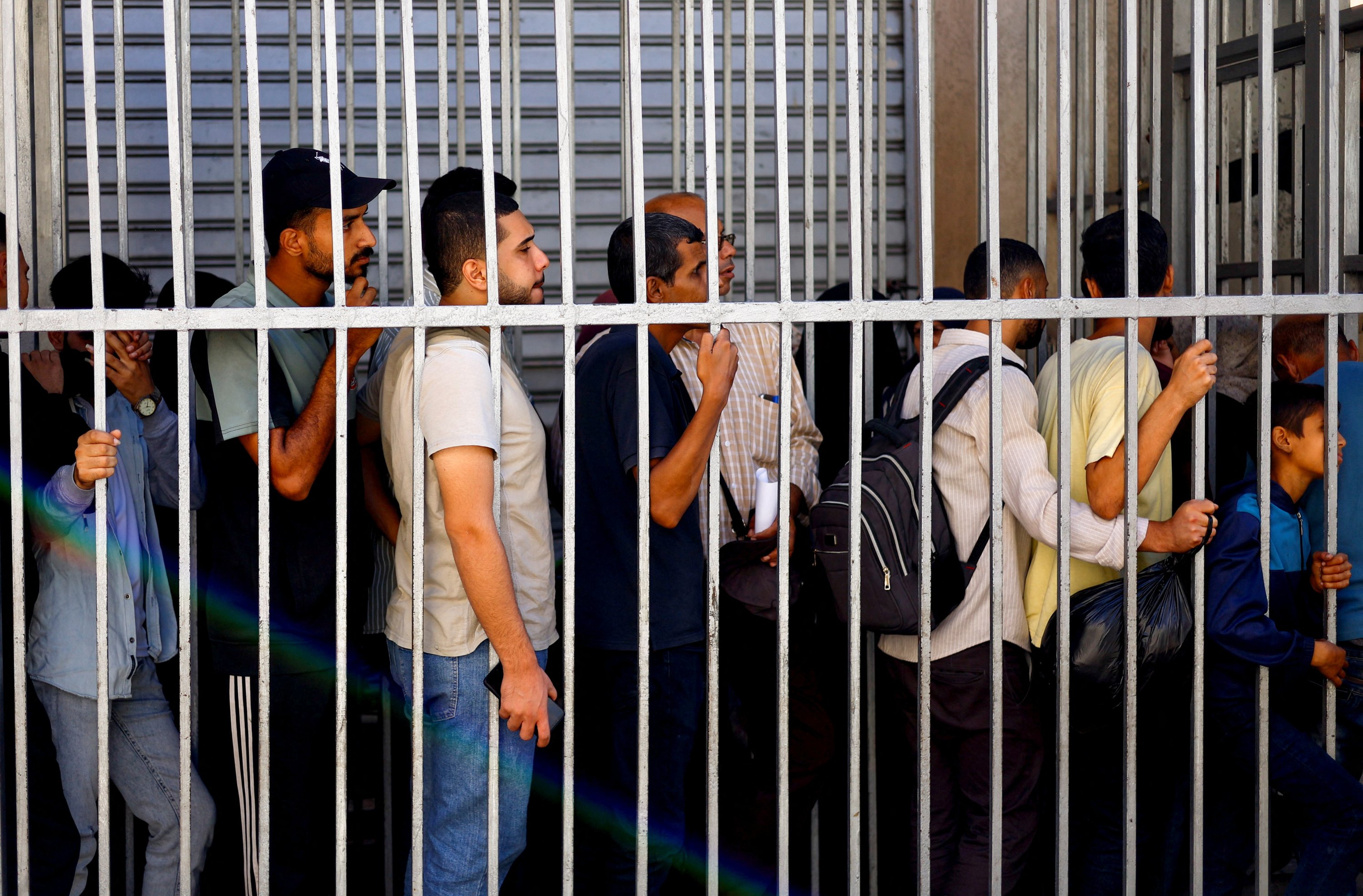
Long lines quickly formed outside, but hopes for relief soon turned to frustration as most left empty-handed.
“There is no money, no liquidity at the bank,” said Wael Abu Fares, 61, a father of six standing outside the Bank of Palestine. “You just come and do paperwork transactions and leave.”
People need cash for most everyday transactions in Gaza – whether to buy food in the market or pay utility bills – but Tel Aviv blocked transfers of banknotes along with most other goods following Hamas' Oct. 7, 2023, incursion into southern Israel.
“Banks are open, air conditioning is on, but they are mostly doing electronic business – no deposits, no withdrawals of cash,” Gaza economist Mohammad Abu Jayyab told Reuters.
“People go to some greedy merchants to cash their salaries, and they give them cash for a huge fee, which ranges between 20% and sometimes goes up to 40%.”
Iman al-Ja’bari, a mother of seven, longs for a time when transactions at banks took less than an hour.
“You need two or three days to go back and forth, spending your whole life standing there,” she said. “And in the end, you only get 400 or 500 shekels ($123 to $153). What can that buy with today’s incredibly high prices?”
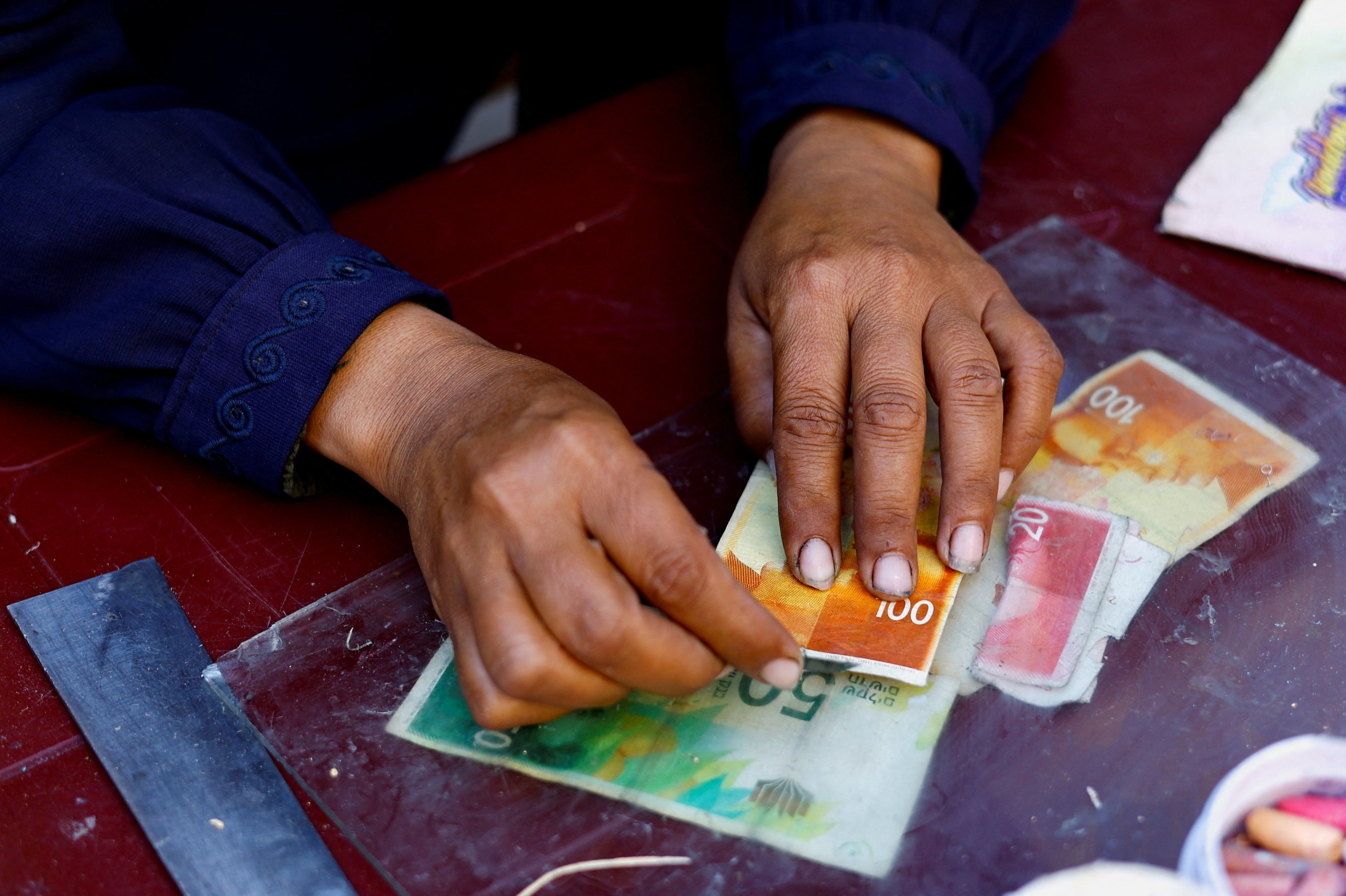
For a few Palestinians, the cash crunch has provided an opportunity to scrape by. Manal al-Saidi, 40, repairs damaged banknotes to cover basic needs.
“I work and make 20 or 30 shekels ($6 to $9), and I leave with a loaf of bread, beans for dinner, falafel – something simple,” she said, wiping notes.
“Not that I can afford vegetables or anything, no, just enough to get by.”
Some people resort to electronic transfers through bank apps for even small items such as eggs or sugar, but sellers often apply additional fees.
The issue of cash supplies into Gaza was not included in U.S. President Donald Trump’s 20-point peace plan, which also left the details of reconstruction and security to be decided.
COGAT, the branch of the Israeli military that oversees aid flows into the Gaza Strip, did not immediately respond to a request for comment on whether or when banknotes might be allowed back in.
The shortage of notes and coins has compounded the crisis for Gazans who have lost relatives, jobs and homes, used up their savings, and sold their possessions to buy food, tents and medication. Some have resorted to barter to get by.
Palestinian merchant Samir Namrouti, 53, has grown used to banknotes that are almost unrecognizable through overuse.
“What matters to me is the serial number. As long as the serial number is there, that’s it – I treat it as money,” he said.