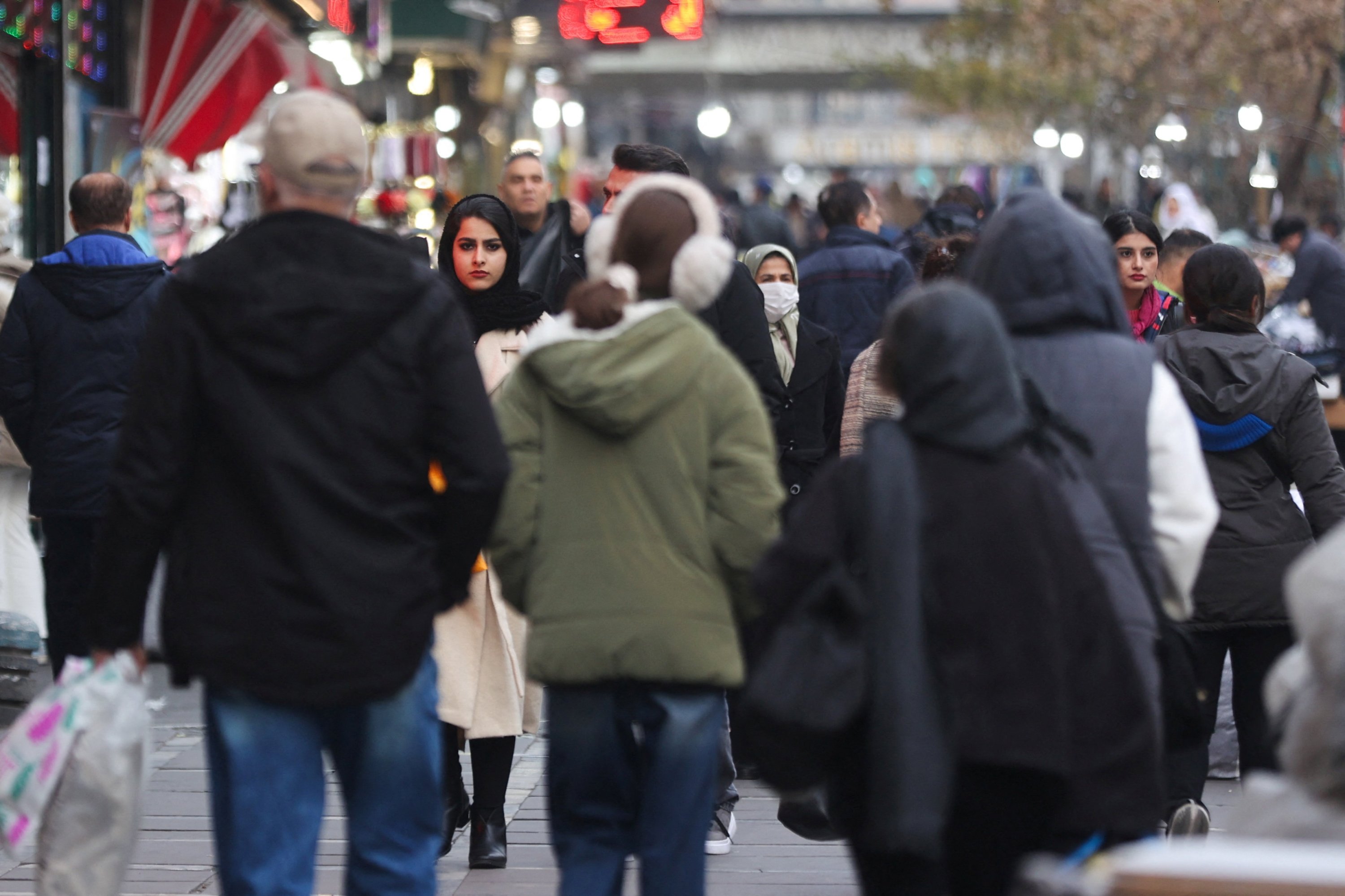
The death toll in weeklong Iran unrest has climbed to at least 16, rights groups said Sunday, as protests over soaring inflation spread nationwide and sparked violent clashes between demonstrators and security forces.
Deaths and arrests have been reported throughout the week, both by state media and rights groups, though the numbers have differed. Reuters has not been able to verify the figures independently.
The protests are the biggest in three years and while smaller than some previous bouts of unrest to rattle the Islamic Republic, they come at a moment of vulnerability with the economy in tatters and international pressure building.
U.S. President Donald Trump has threatened to come to the protesters' aid if they face violence, saying on Friday: "We are locked and loaded and ready to go" but without specifying any actions he was considering.
That warning prompted threats of retaliation against U.S. forces in the region from senior Iranian officials and Supreme Leader Ayatollah Ali Khamenei said Iran "will not yield to the enemy."
Rights group Hengaw reported that at least 17 people had been killed since the start of the protests. HRANA, a network of rights activists, said at least 16 people had been killed and 582 arrested.
Iran's police chief Ahmad-Reza Radan told state media that security forces had been targeting protest leaders for arrest over the previous two days, saying "a big number of leaders on the virtual space have been detained."
The most intense clashes have been reported in western parts of Iran, but there have also been protests and clashes between demonstrators and police in the capital Tehran, in central areas, and in the southern Baluchistan province.
Late on Saturday, the governor of Qom, the conservative centre of Iran's Shi'ite Muslim clerical establishment, said two people had been killed there in unrest, adding that one of them had died when an explosive device he had made blew up prematurely.
HRANA and the state-affiliated Tasnim news agency reported that authorities had detained the administrator of online accounts urging protests.
Protests began a week ago among bazaar traders and shopkeepers before spreading to university students and then provincial cities, where some protesters have been chanting against Iran's clerical rulers.
Iran has had inflation above 36% since the start of its year in March and its currency has lost around half its value against the dollar, causing hardship for many people.
International sanctions over Iran's expensive nuclear program have been reimposed, the government has struggled to provide water and electricity across the country throughout the year and global financial bodies predict a recession in 2026.
Authorities have attempted a dual approach to the protests – acknowledging the economic crisis and offering dialogue with demonstrators while meeting more forceful displays of dissent with violence.
Khamenei said Saturday that although authorities would talk to protesters, "rioters should be put in their place."