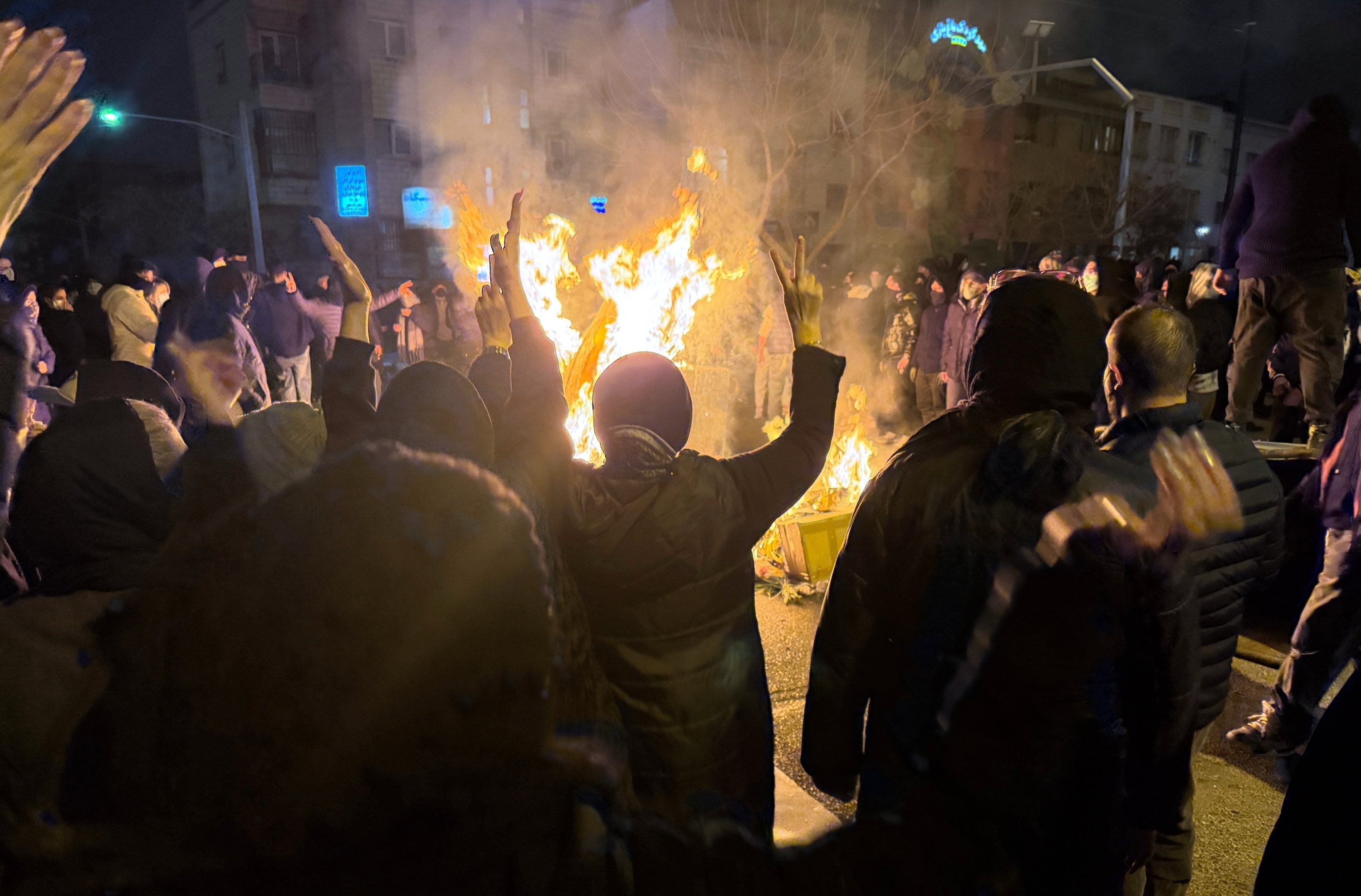
An Iranian official said authorities have verified that at least 5,000 people were killed during nationwide protests that erupted late last year, offering one of the starkest acknowledgments yet of the scale of violence surrounding one of the deadliest crackdowns in the Islamic Republic’s history.
Speaking to Reuters on condition of anonymity due to the sensitivity of the matter on Sunday, the official said the death toll included roughly 500 members of Iran’s security forces.
He blamed most civilian deaths on what he described as “terrorists and armed rioters,” accusing them of deliberately targeting “innocent Iranians” during weeks of unrest.
According to the official, the heaviest clashes and the highest number of deaths were concentrated in Iran’s northwestern Kurdish-populated regions.
Those areas have long been among the most volatile in the country, marked by historically harsh security responses.
Previous protest movements have also turned particularly violent there.
The official said authorities do not expect the final death toll to rise significantly, signaling that Tehran believes the unrest has been largely brought under control.
He also accused Israel and armed groups operating abroad of backing and supplying protesters, reinforcing a familiar narrative used by Iranian leaders during moments of internal crisis.
Iranian authorities have repeatedly blamed domestic unrest on foreign enemies, with Israel frequently singled out as a central instigator.
Those accusations have gained added resonance following Israel’s military strikes on Iranian targets in June, which marked a rare escalation into direct confrontation after years of shadow warfare.
Independent human rights groups, however, dispute the government’s framing of the violence and say the true toll remains difficult to verify amid censorship, arrests and restricted access to information.
The U.S.-based Human Rights Activists News Agency (HRANA) said on Saturday it had confirmed 3,308 deaths linked to the protests, with another 4,382 cases still under review.
The group said it had verified more than 24,000 arrests nationwide, pointing to a sweeping crackdown that extended well beyond protest leaders and organizers.
HRANA’s figures are based on reports from families, hospitals, court records and local sources and its methodology requires individual verification, a process that often lags behind events during periods of intense repression.
Other rights groups have reported similar numbers, suggesting the final confirmed toll could rise further as cases are reviewed.
The Norway-based Iranian Kurdish rights organization Hengaw said Kurdish regions in the northwest were placed under especially heavy security lockdowns during the protests in late December, with widespread reports of lethal force, curfews and military-style deployments.
The unrest began in late December after the Iranian rial plunged sharply, intensifying long-standing economic grievances fueled by inflation, unemployment and the cumulative impact of international sanctions.
What started as demonstrations over living costs quickly spread to cities and provinces across the country, evolving into broader protests against Iran’s political leadership.
Security forces responded with a sustained and forceful campaign to suppress the demonstrations, employing mass arrests, live ammunition and sweeping security operations, according to rights groups.
By mid-January, visible protests had largely subsided, though tight security remained in many areas.
Despite the apparent restoration of control, analysts warn that the depth of the unrest and the scale of the reported casualties, reflect profound economic and political pressures that remain unresolved.