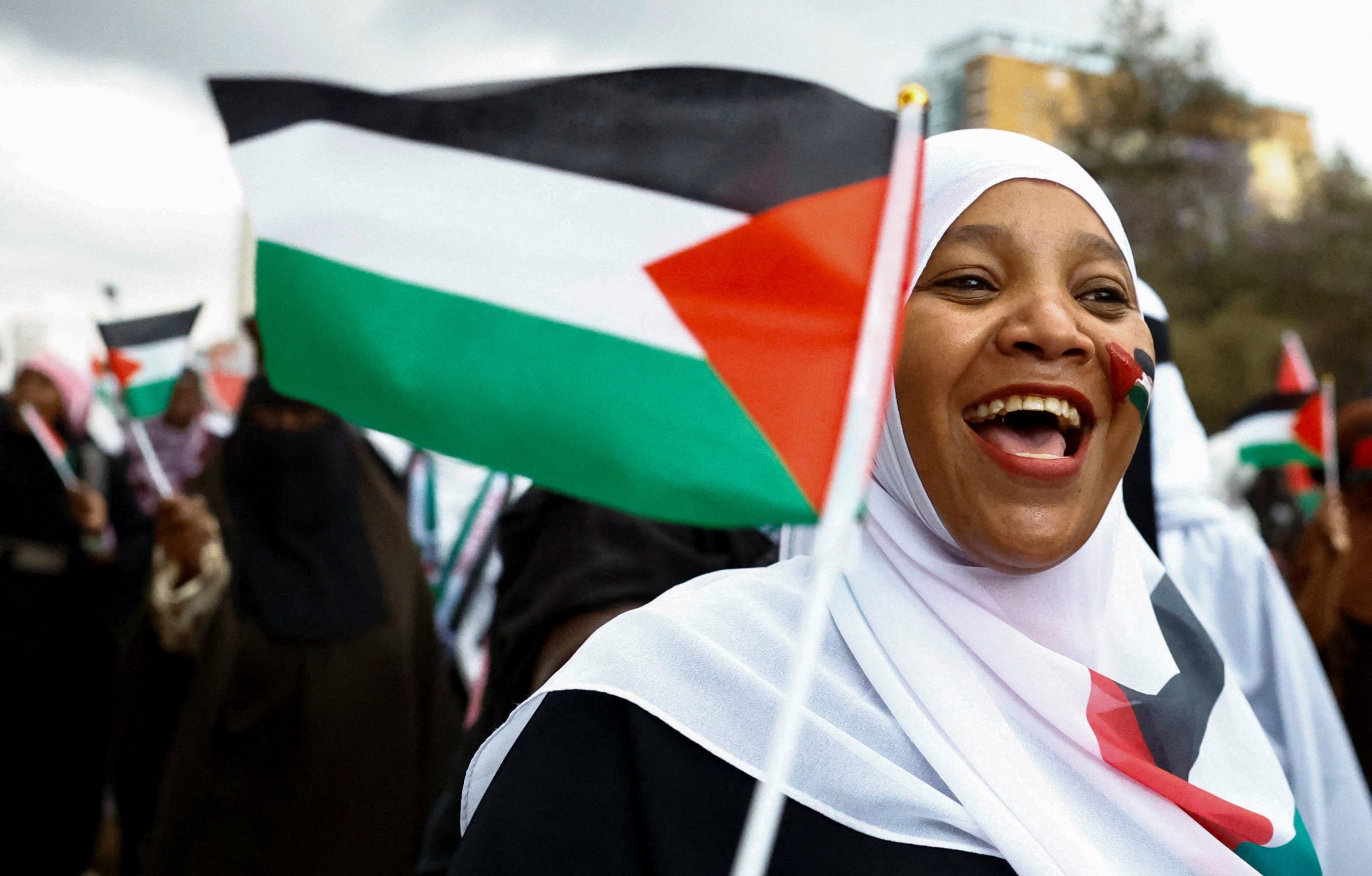
Israel and its biggest ally, the U.S., were forced to watch from the sidelines as several world leaders were expected to formally recognize an independent State of Palestine on Monday.
The decision would come at a summit convened by France and Saudi Arabia, a move Israel says already claimed will undermine the prospects of a peaceful ending to the war in Gaza.
While the summit in New York could boost the morale of Palestinians, it is not expected to deliver change on the ground, where the most far-right government in Israel's history has declared there will be no Palestinian state as it pushes on with its fight against militant group Hamas.
The two-state solution was the bedrock of the U.S.-backed peace process ushered in by the 1993 Oslo Accords. The process suffered heavy pushback from both sides and has all but died.
Israel and the United States will boycott the summit, Israel’s U.N. Ambassador Danny Danon said, describing the event as a "circus."
Britain, Canada, Australia and Portugal all recognized a Palestinian state on Sunday. France and five other states were expected to also formally do so on Monday at the meeting ahead of the United Nations General Assembly.
While the majority of European countries now recognize a Palestinian state, both Germany and Italy have signaled they are unlikely to make such a move soon.
Germany – long a strong supporter of Israel because of its responsibility for the Holocaust – has grown more critical of Israeli policy, while insisting that recognition of a Palestinian state should come at the end of a political process to agree on a two-state solution.
The German government spokesperson also said Monday there must be no further annexations in Israeli-occupied territory. Italy said recognizing a Palestinian state could be "counterproductive."
Meanwhile, Turkish Vice President Cevdet Yılmaz said broader recognition of Palestine "will be a strong response to attempts to eliminate the two-state solution through occupation and ethnic cleansing."
He added that for regional and global peace, "a stronger and more unified international response" is needed to what he described as genocide by the Israeli government and actions that undermine humanitarian values and international law.
Russia still believes that a two-state solution is the only way to settle the conflict, the Kremlin said Monday.
"This remains our approach, and we believe that it is the only possible way to find a solution to this extremely complex, long-standing conflict, which is now perhaps at its most acute and tragic stage in its entire history," Kremlin spokesperson Dmitry Peskov told reporters.
Israel has become isolated and drawn global condemnation over its Gaza genocide, killing more than 65,000 Palestinians, according to local health authorities.
Prime Minister Benjamin Netanyahu has rejected numerous calls to end the campaign until Hamas is destroyed and has said he will not recognize a Palestinian state.
Netanyahu said in a statement Sunday he will announce Israel's response when he returns from the U.S., where he is scheduled to meet U.S. President Donald Trump.

Israel is considering annexing part of the occupied West Bank as a possible response as well as specific bilateral measures against Paris, Israeli officials have said, even though the recognitions are expected to be largely symbolic.
Annexation could backfire and alienate key countries like the United Arab Emirates, a global oil power and trade hub with wide diplomatic clout across the Middle East.
The UAE, the most prominent of the Arab states that normalised ties with Israel under the U.S.-brokered Abraham Accords in 2020, has said such a move would undermine the spirit of the agreement.
The U.S. administration has also warned of possible consequences for those who take measures against Israel, including against France, whose president, Emmanuel Macron, is hosting the New York summit.
The summit follows Israel's launch of a long-threatened ground assault on Gaza City with few prospects for a cease-fire two years after Palestinian resistance group Hamas attacked Israel, triggering the war in the Palestinian enclave.
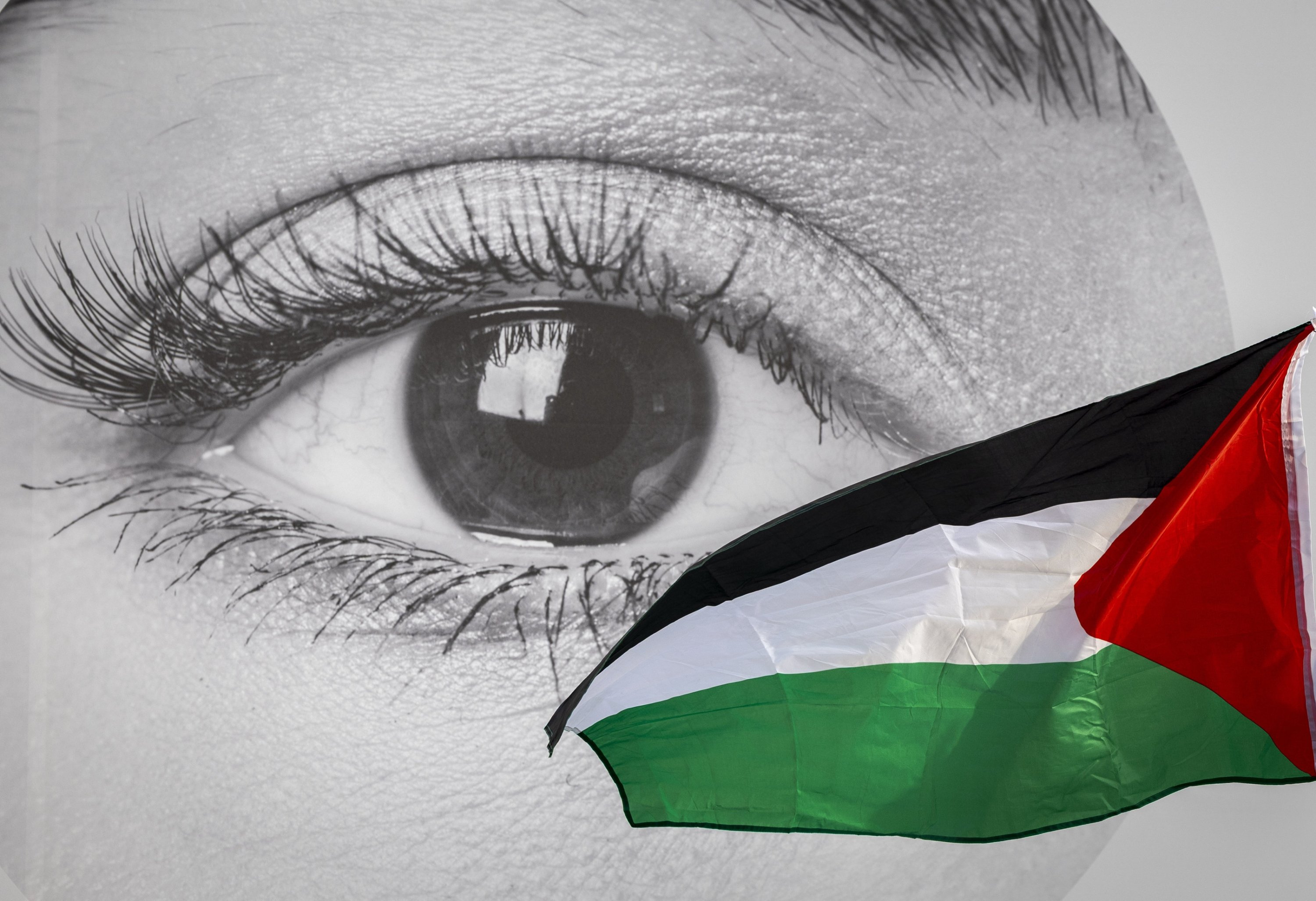
Amid Israel's intensified Gaza offensive and escalating violence by Israeli settlers in the West Bank, there is a growing sense of urgency to act now before the idea of a two-state solution vanishes forever.
"The decision that the President of the Republic will present this afternoon to the United Nations General Assembly is a symbolic, immediate, political decision that demonstrates France's commitment to the two-state solution," French Foreign Minister Jean-Noel Barrot told television channel TF1.
France has driven the move, hoping that Macron's announcement in July that he would recognize a Palestinian state would give greater momentum to a movement hitherto dominated by smaller nations that are generally more critical of Israel. In Gaza, some Palestinians found little relief in statehood recognition as they fled Israeli attacks on Gaza City on Sunday.
"Even if countries such as Australia, Canada, and France – who are now among those initiating this recognition – acknowledge Palestine, I believe there will still be no serious pressure on Israel to grant the Palestinians their rights," said displaced Palestinian Nabeel Jaber.
In Tel Aviv, Israelis said the Palestinians turned down many chances to establish a state in the past.
"We've offered them peace about five times. They could have agreed to any one of those, and they never, ever chose peace. So why do we need to choose peace with people who want to kidnap, murder, rape our people? I don't think we need to do that," said film student Tamara Raveh, 25.