Iran has sent an official response to U.S. President Donald Trump's letter in which he urged Tehran to reach a new nuclear deal, Iranian Foreign Minister Abbas Araghchi was cited as saying by state-run IRNA news agency on Thursday.
The Iranian response, seen as an attempt to jumpstart talks over Tehran's nuclear program, was "appropriately sent through Oman" on Wednesday, RNA cited Araghchi as saying.
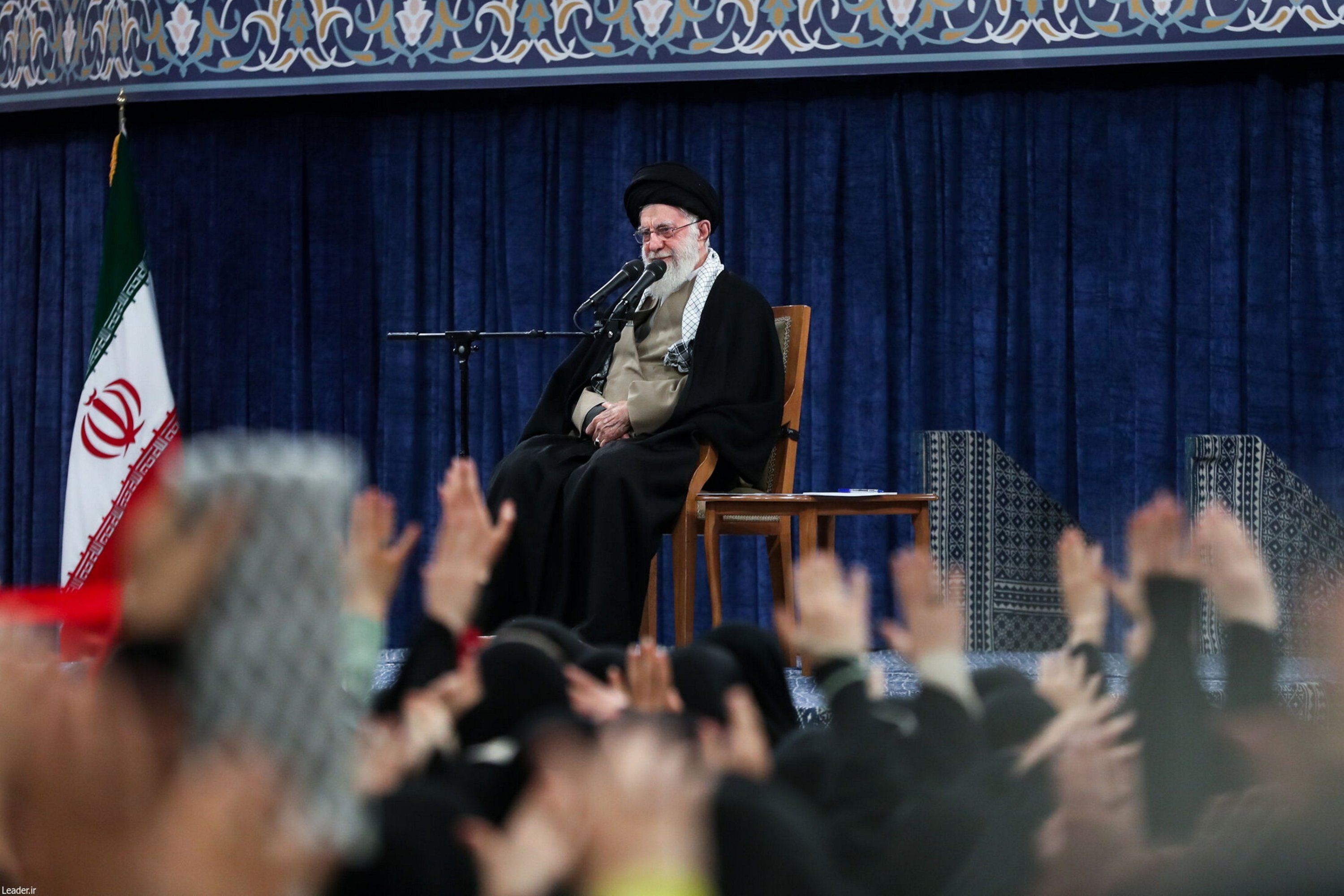
No details have been released of the Iranian response nor the contents of Trump's letter to 85-year-old Supreme Leader Ayatollah Ali Khamenei, which came as the Trump administration levied new sanctions on Iran as part of its "maximum pressure" campaign.
"Our policy is still to not engage in direct negotiations while under maximum pressure and military threats, however, as it was the case in the past, indirect negotiations can continue," Araghchi said.
Trump letter was handed to Iranian officials by Anwar Gargash, a senior Emirati diplomat, while he visited Tehran on March 12.
Trump has sought to launch talks on Tehran's rapidly advancing nuclear program. In addition to sanctions, Trump also has suggested that military action against Iran remained a possibility, while emphasizing he still believed a new deal could be reached.
Earlier on Thursday, Kamal Kharrazi, an adviser to Khamenei, said that Tehran has not closed all doors to resolve its disputes with the U.S. and is ready for indirect negotiations with Washington.
Tehran has so far rebuffed Trump's warning to make a deal or face military consequences. Khamenei called the message deceptive and Araghchi said talks are impossible unless Washington changes its "maximum pressure" policy.
"The Islamic Republic has not closed all doors. It is ready for indirect negotiations with the United States in order to evaluate the other party, state its own conditions and make the appropriate decision," Kharrazi said, according to state media.
"Our response includes a letter in which we detailed our views on the current situation and Mr. Trump's letter," Araghchi said on Thursday.
In his first 2017-21 term, Trump withdrew the U.S. from a 2015 deal between Iran and world powers that placed strict limits on Tehran's disputed nuclear activities in exchange for sanctions relief.
After Trump pulled out in 2018 and reimposed sweeping U.S. sanctions, Iran breached and has since far surpassed those limits in its escalating program of uranium enrichment.
Western powers accuse Iran of having an clandestine agenda to develop nuclear weapons capability by enriching uranium to a high level of fissile purity, above what they say is justifiable for a civilian atomic energy program.
Tehran says its nuclear program is wholly for civilian energy purposes.