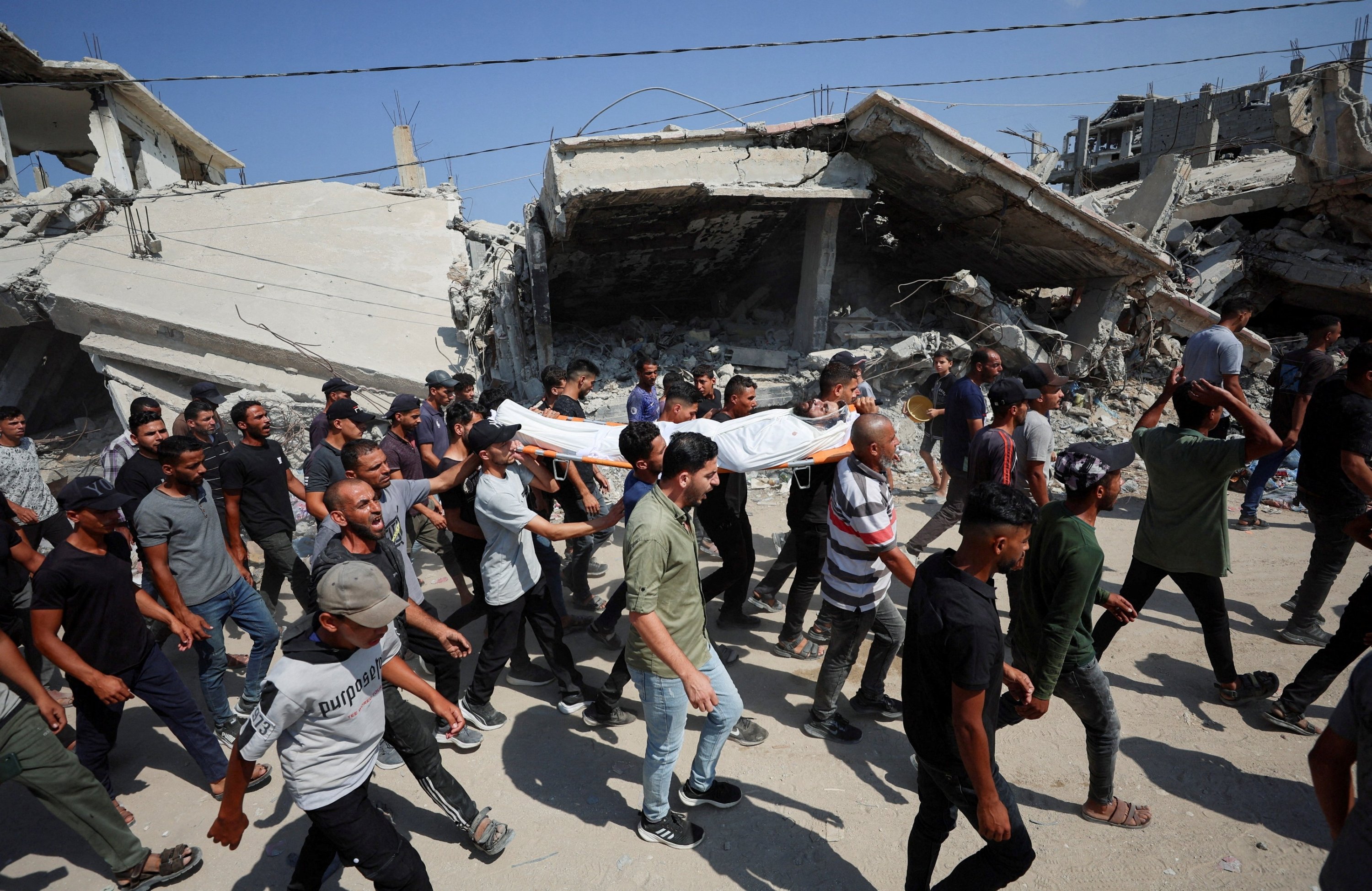
Israeli strikes across the Gaza Strip killed at least six Palestinians and wounded several others between Thursday and early Friday, Palestinian health officials and local medics said, as a U.S.-based conflict monitor reported that Israeli attacks have reached their highest monthly level since the October cease-fire took effect.
Medical officials said Israeli airstrikes and shelling killed five Palestinians on Thursday.
Two people were killed in an airstrike near Gaza City's Tuffah neighborhood, while another died in Israeli tank shelling in the nearby Zeitoun district.
A separate strike on a tent camp housing displaced families in western Gaza City killed one person and injured several others, and another airstrike targeting a vehicle in Khan Younis killed one more, according to medics.
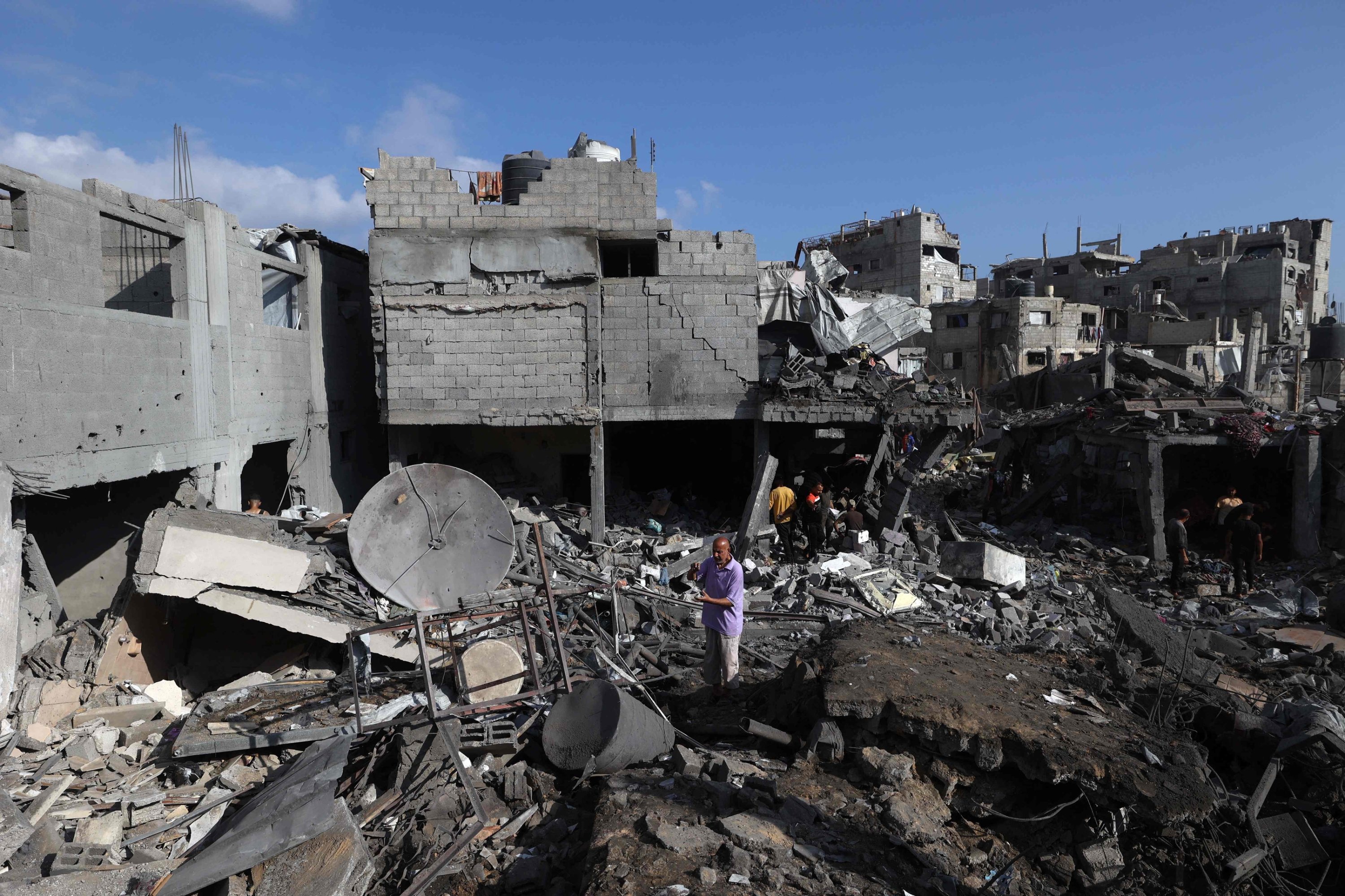
Witnesses also reported an Israeli strike on a residential building in the Nuseirat refugee camp in central Gaza, damaging several nearby homes.
The violence continued into early Friday when an Israeli drone strike hit an apartment in the Al-Taj building on Al-Yarmouk Street in central Gaza City.
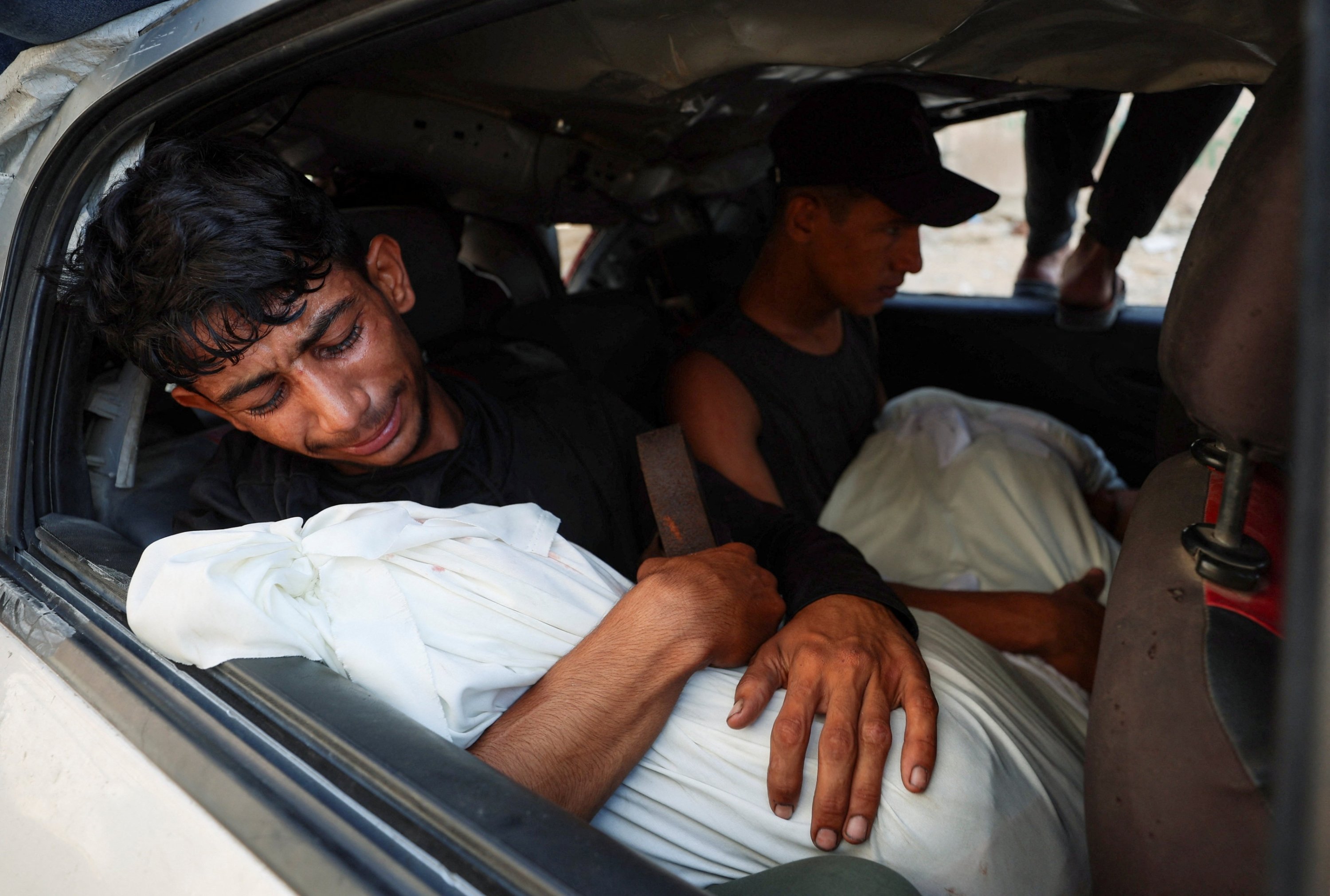
Medical officials said Mohammed Tayseer Obeid was killed and six civilians, including women and children, were injured.
Another guided missile struck an apartment in western Gaza City, although no casualties were immediately reported.
Elsewhere, Israeli artillery shelled eastern sections of Gaza City's Tuffah neighborhood and the town of Jabalia in northern Gaza. In the south, Israeli forces carried out a limited ground incursion east of Khan Younis, advancing several dozen meters near Al-Qarara before withdrawing after hours of heavy gunfire and artillery shelling, according to local residents.
Israeli artillery also targeted areas west of Rafah while military vehicles fired toward tents sheltering displaced Palestinians. Israeli naval vessels shelled the coastlines near Rafah and Khan Younis, witnesses said.
The Israeli military did not immediately comment on the reported strikes or military operations.
The latest deaths raise the number of Palestinians killed since the cease-fire began on Oct. 10, 2025, to 1,127, with another 3,643 people wounded, according to Gaza's Health Ministry.
"The entire people of Gaza have not lived a single day or a single moment of cease-fire. This cease-fire is an illusion," Jibril Khattab, a relative of one of the victims, told Reuters at Al Shifa Hospital in Gaza City. "No place in all of Gaza is safe."
Although the October cease-fire ended large-scale combat, Israeli strikes have continued almost daily. Israel says the operations are intended to prevent attacks by Hamas.
The Armed Conflict Location & Event Data Project (ACLED), which monitors global conflicts, reported that Israeli airstrikes targeting Hamas and other groups exceeded 40 in June, the highest monthly total since the cease-fire began.
ACLED Middle East Assistant Research Manager Nasser Khdour said the increase comes as Israeli Prime Minister Benjamin Netanyahu faces growing domestic political pressure ahead of October's legislative election, with opinion polls showing the opposition holding an advantage.
Nearly all of Gaza's roughly 2 million residents remain displaced, many living in overcrowded tent camps or damaged buildings along a narrow coastal strip controlled by Hamas.
The war began following Hamas' Oct. 7, 2023 incursion into southern Israel that killed about 1,200 people.
Gaza health officials say Israel's military campaign has since killed more than 73,000 Palestinians.