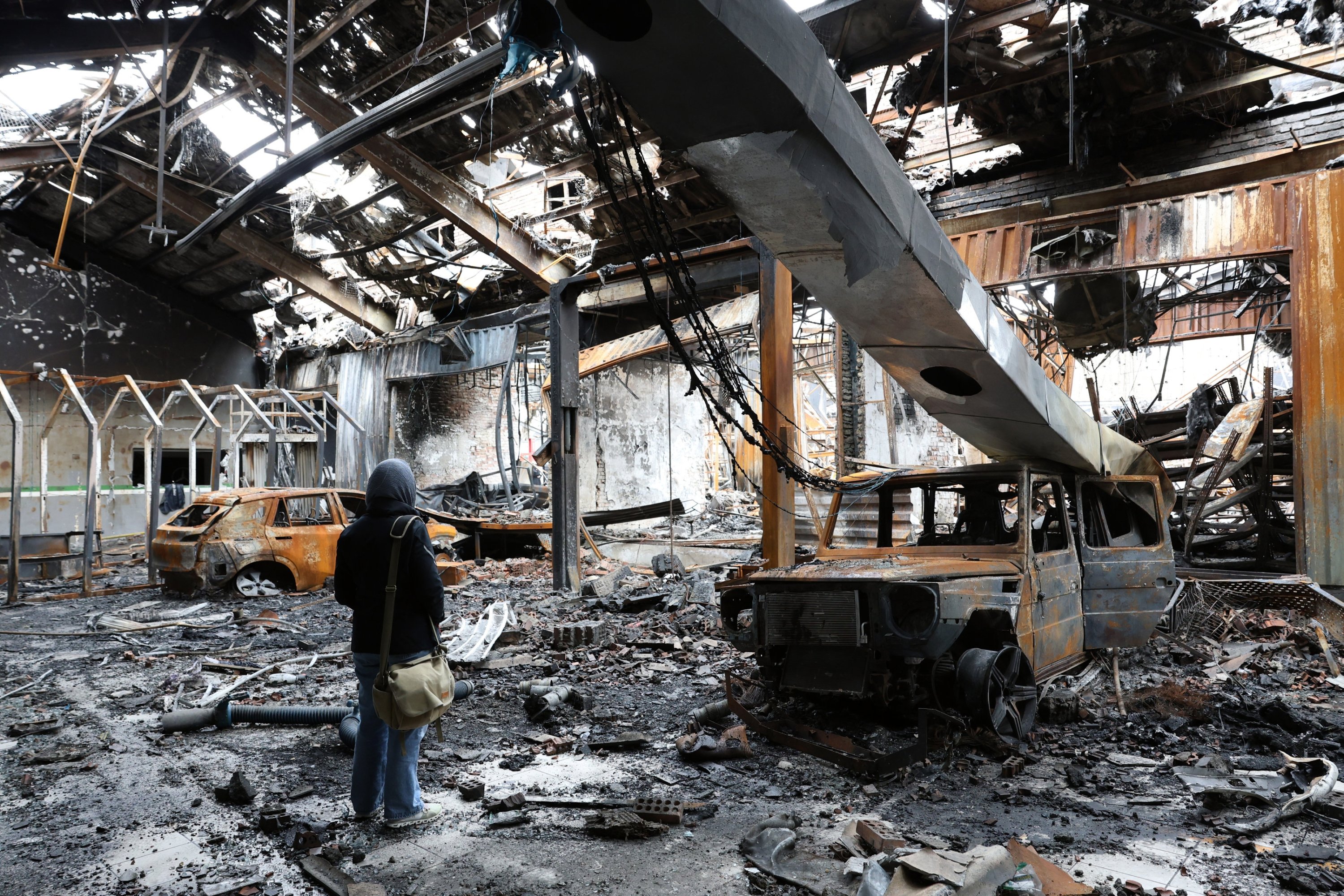
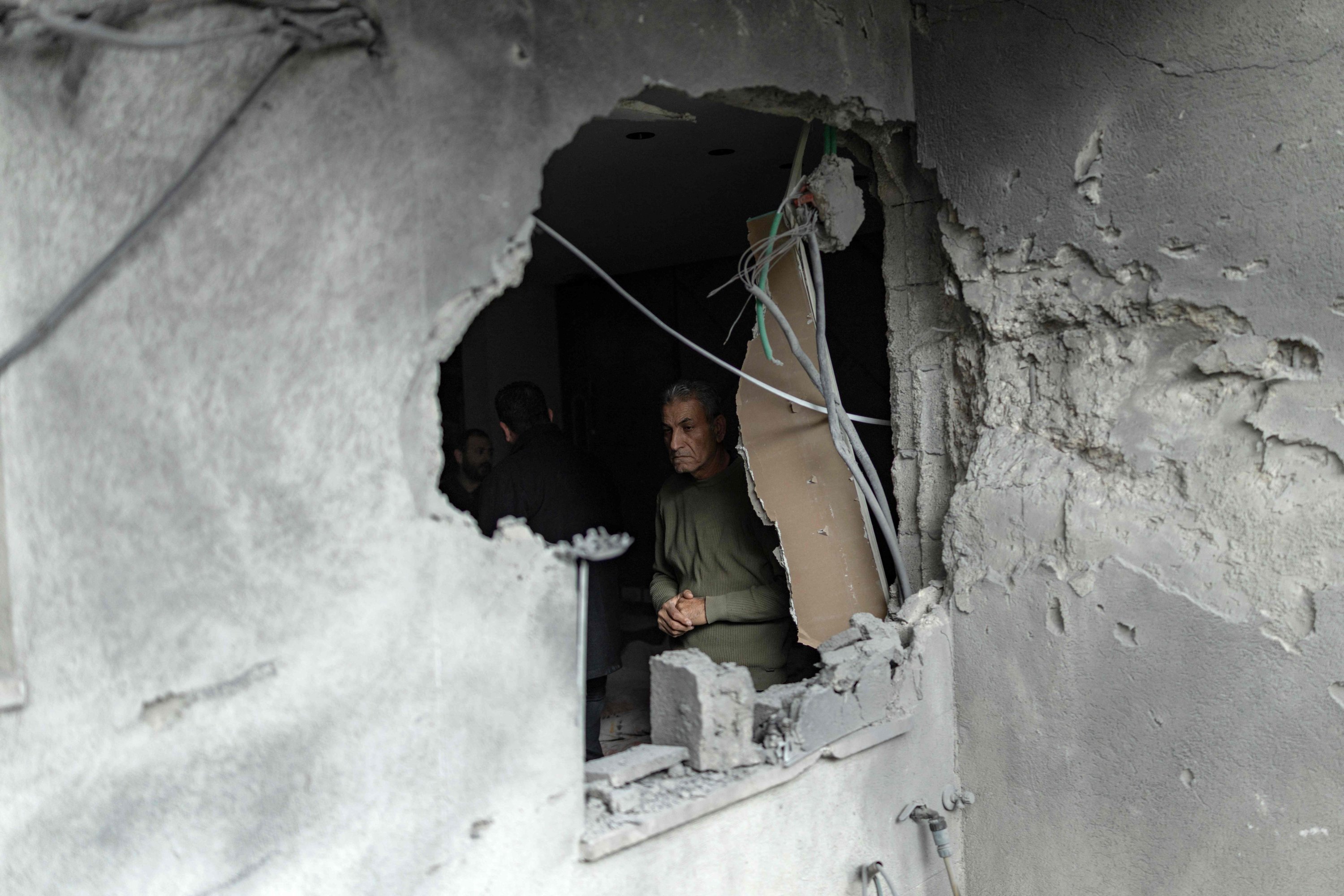
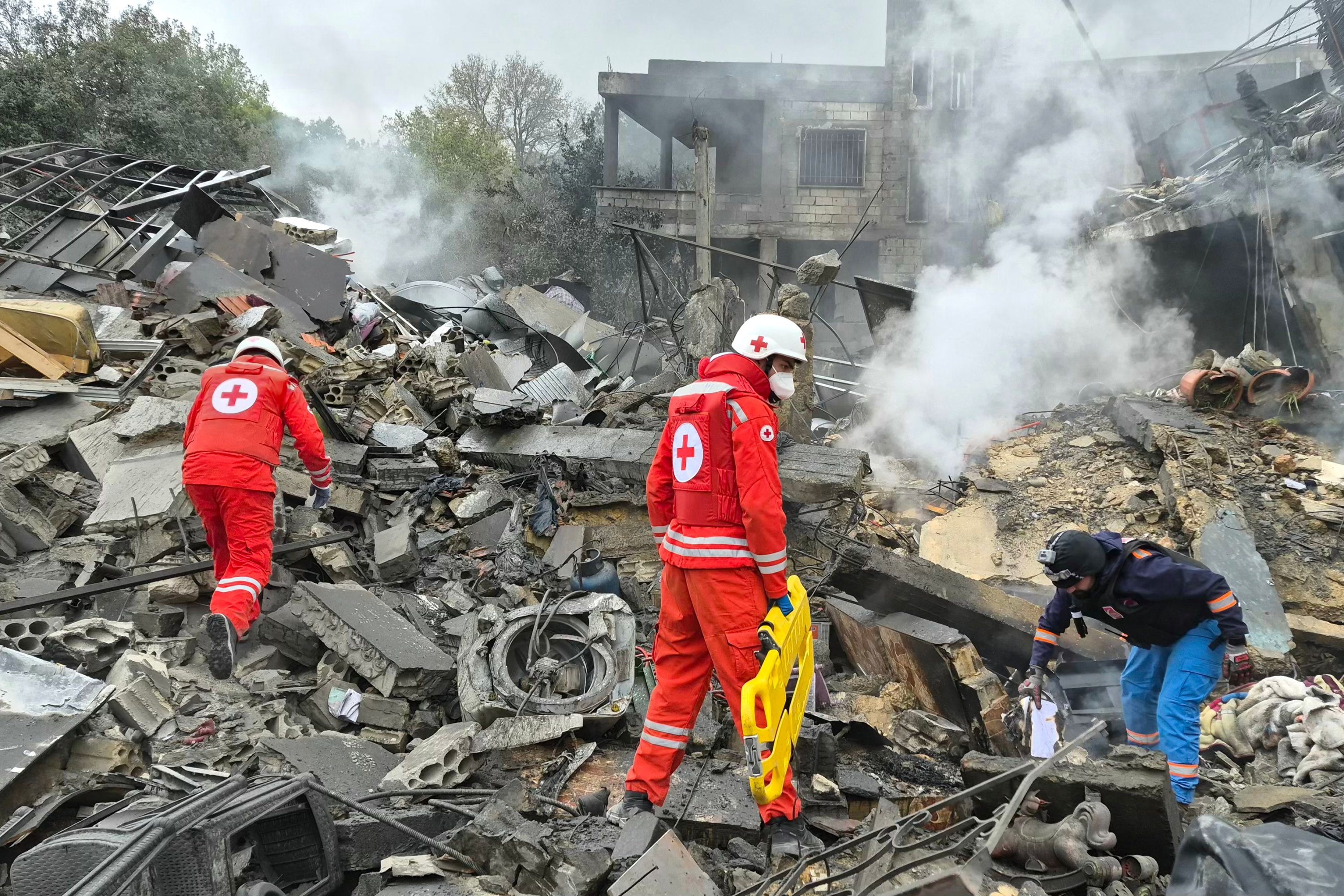
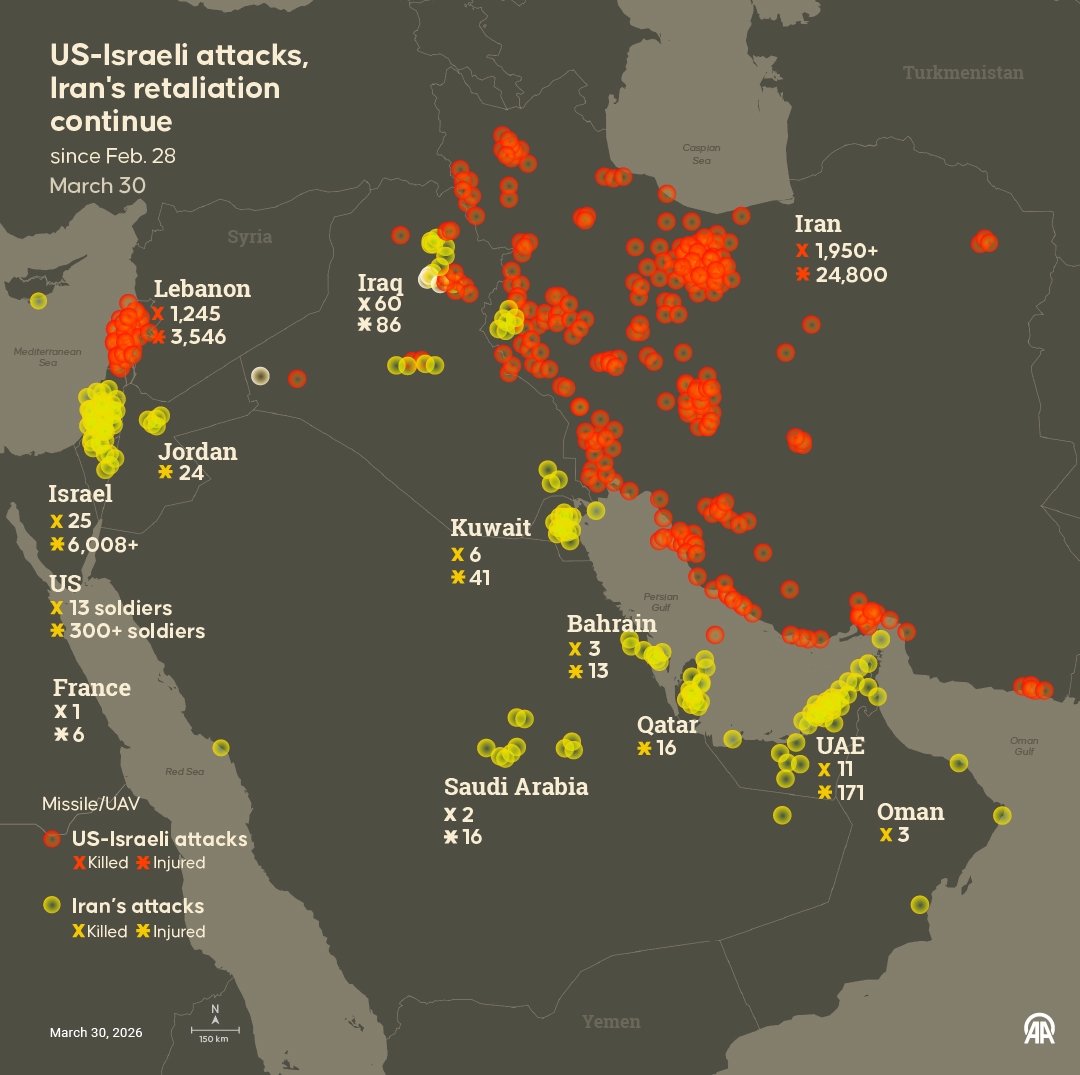
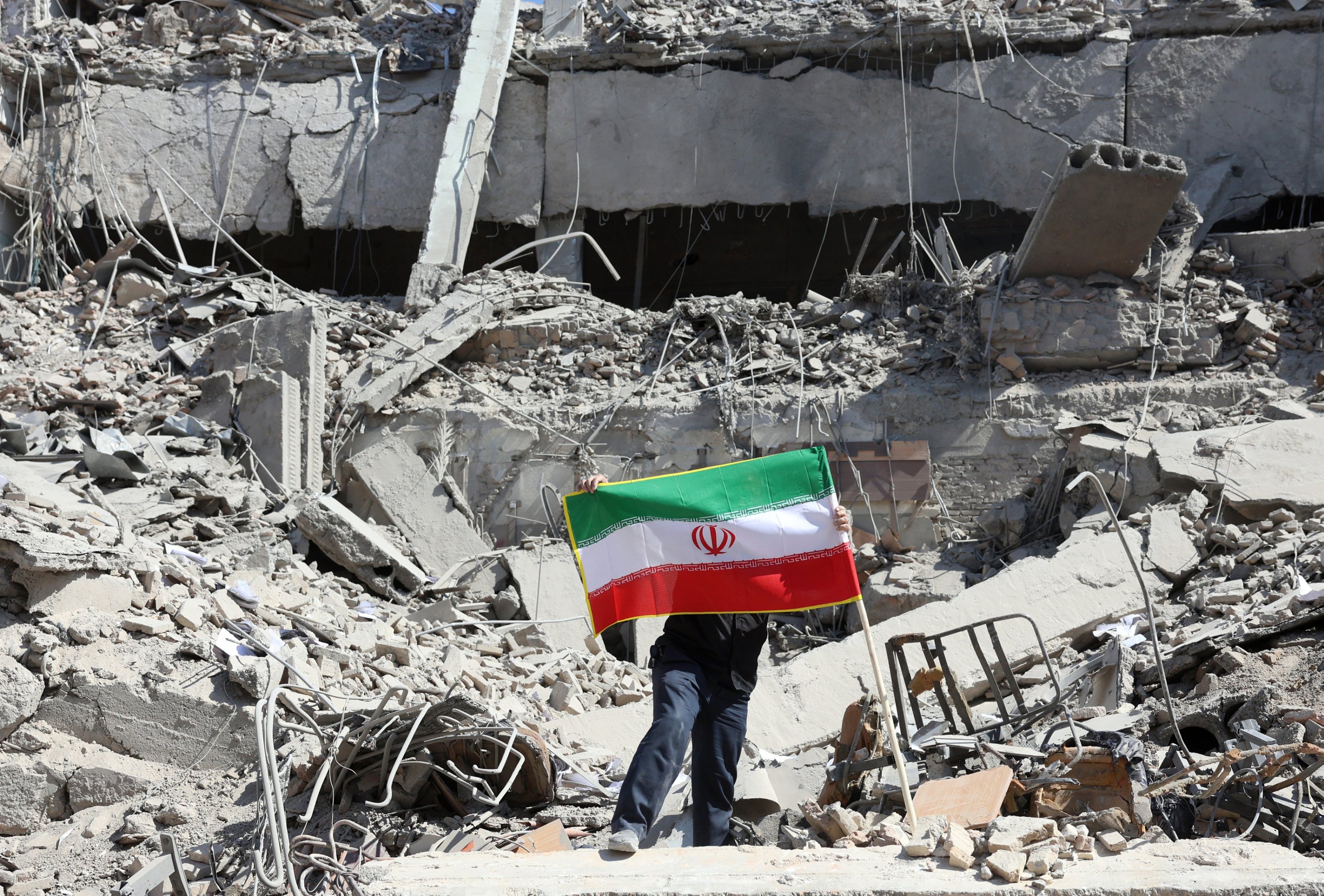
The United States and Israel launched a large-scale military campaign against Iran on Feb. 28, 2026, targeting the country’s leadership, nuclear program and military infrastructure, triggering a rapidly escalating regional conflict marked by sustained airstrikes, retaliatory attacks and mounting civilian casualties.
Now, into a second month, the war has transformed the Middle East with its severe human, political, and economic repercussions. Here’s a detailed timeline, tracing the major developments of the regional conflict.
Feb. 28, 2026 — War begins
The United States and Israel launch coordinated airstrikes across Iran, hitting nuclear facilities, military bases and leadership compounds.
Initial strikes reportedly kill senior Iranian officials, including Supreme Leader Ayatollah Ali Khamenei.
Civilian areas, including a school and sports hall, are hit, causing mass casualties.
Iran responds with missile and drone attacks across Israel and U.S. positions in the region.
March 1, 2026 — Escalation across Iran
Members of the media work amid the wreckage of a building destroyed in Israeli airstrikes in Tehran, Iran, March 28, 2026. (EPA Photo)
U.S. and Israeli forces conduct dozens of additional strikes across multiple provinces, targeting military and security infrastructure.
U.S. bombers and naval forces strike hardened missile facilities and command centers.
Civilian infrastructure, including hospitals and residential areas, is damaged.
Iran launches retaliatory strikes, including attacks on Israeli cities that kill civilians.
March 2–5, 2026 — Campaign expands
Continued U.S.-Israeli bombardment targets Tehran and key state institutions.
Iran retaliates by striking U.S. military bases across the Gulf region.
Regional tensions rise as neighboring countries begin intercepting missiles and drones.
March 6–8, 2026 — Regional spillover
Airstrikes intensify on Iran’s command centers and energy infrastructure, including oil facilities.
Iran and allied groups expand attacks to Israel and neighboring countries, widening the conflict.
Civilian casualties mount across Iran as strikes continue in urban areas.
March 9–11, 2026 — Humanitarian toll rises
Reports highlight large-scale civilian casualties and damage to hospitals and public infrastructure in Iran.
Global oil markets are disrupted as fighting threatens shipping through the Strait of Hormuz.
March 12–14, 2026 — Intensification
U.S. officials describe a peak in strike intensity, with continued attacks on missile production and military sites.
Additional U.S. forces are deployed to the region as the campaign broadens.
Iran continues missile barrages against Israel and U.S. assets.
Mid-March (March 15–20) — Sustained offensive
Thousands of strikes are recorded across most Iranian provinces, with Tehran heavily targeted.
U.S. and Israeli forces continue focusing on missile systems, nuclear infrastructure and energy facilities.
The conflict spreads across multiple countries, with attacks reported throughout the region.
Late March (March 21–27) — Leadership targeting
Israeli operations increasingly focus on targeted killings of Iranian officials, supported by U.S. intelligence and coordination.
Hundreds of Iranian officials are reported killed in precision strikes.
Keep up to date with what’s happening in Turkey,
it’s region and the world.
You can unsubscribe at any time. By signing up you are agreeing to our Terms of Use and Privacy Policy.
This site is protected by reCAPTCHA and the Google Privacy Policy and Terms of Service apply.