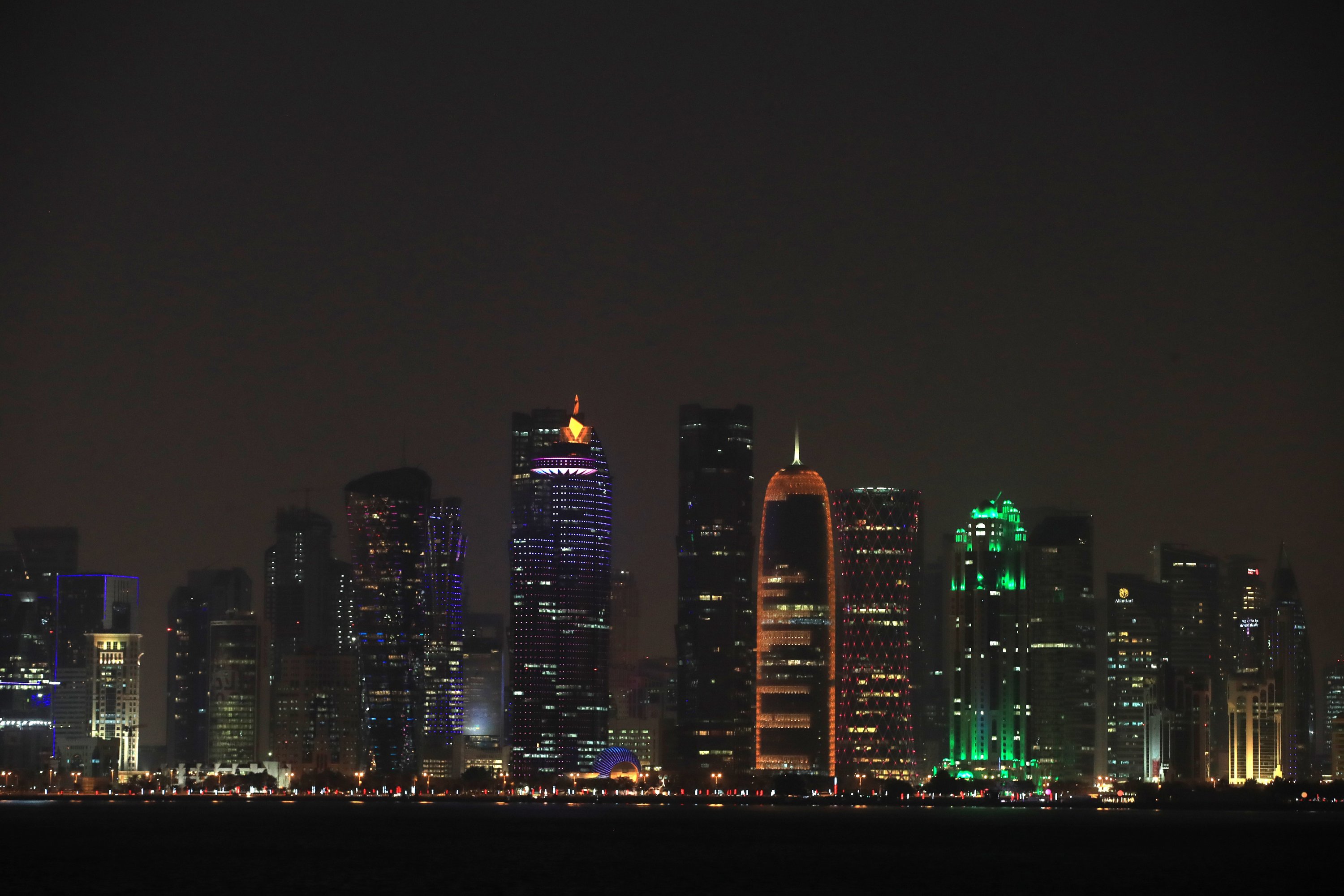
The three-year-old crisis pitting Qatar against several Middle East nations returns to the U.N.'s top court this week with hearings in a case between Doha and the United Arab Emirates (UAE).
Saudi Arabia, Bahrain, the UAE, Egypt and several other allies severed ties with Qatar in a shock move in 2017, accusing Doha of backing terrorism and siding with their regional rival Iran. The crisis between Qatar and the Saudi-led blockading nations shows no sign of relenting despite rising international pressure to end the feud. The alliance has issued a raft of terms Qatar must accept before it will lift the embargo that includes a ban on direct air, land or sea trade. Doha strongly denies the allegations and has refused to meet the demands that also stipulate the closure of its flagship state-run broadcaster Al-Jazeera.
Last June, the International Court of Justice (ICJ) rejected a request by the UAE for interim measures to be imposed on Qatar in a racial discrimination dispute. The case centers on the boycott of Qatar by Bahrain, Egypt, the UAE and Saudi Arabia, who accused Doha of supporting "terrorists" and being too close to Iran.
Qatar filed a case in 2018 against the UAE alleging that the boycott breaches an anti-discrimination convention, including the expulsion of Qataris and a maritime and air blockade. Qatar's case at the ICJ says that the UAE's actions breached the 1965 International Convention on the Elimination of All Forms of Racial Discrimination (CERD). In its case, Qatar accused the UAE of creating a "climate of fear" for Qataris living there. Judges issued an interim order that Qatari families separated by the UAE boycott must be allowed to reunite and Qatari students should be allowed to complete their education in the UAE. The ICJ also ordered the UAE to take emergency measures to protect the rights of Qatari citizens, pending the start of the full hearings in the case, which start Monday and last one week.
The ICJ was set up in 1946 after World War II to rule in disputes between member states of the United Nations. The court's judgments are binding, but it has no means of enforcing them. Any final ruling in the Qatar case could take years.