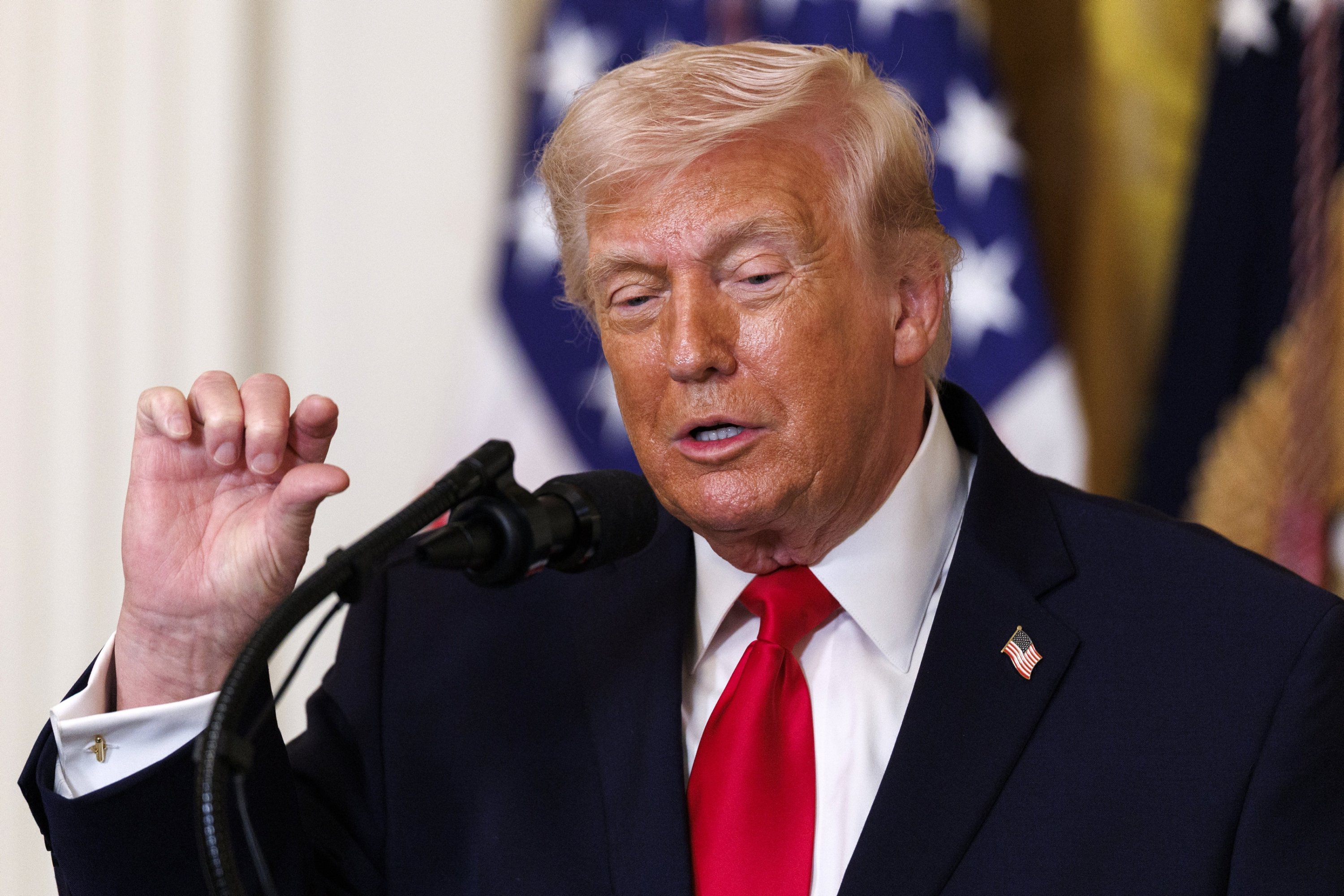
A fierce debate inside the White House is shaping how U.S. President Donald Trump presents the war with Iran, as advisers push competing strategies while the conflict ripples across the Middle East.
Nearly two weeks into the campaign, Trump’s messaging has shifted repeatedly, reflecting the tug of war among political, economic and national security voices around him.
The result is a narrative that has veered between claims of victory and calls to continue the fight.
At stake is not only the direction of the war but also its political and economic consequences at home.
According to people familiar with the discussions, the internal divide centers on how quickly the administration should declare success and wind down the operation.
Economic officials, including advisers from the Treasury Department and the National Economic Council, have warned that the biggest threat may not come from Tehran but from global energy markets.
A spike in oil prices and rising gasoline costs in the United States could erode domestic support for the war, they say.
Political advisers share that concern.
Chief of Staff Susie Wiles and deputy chief of staff James Blair have urged Trump to frame the operation as limited and largely complete, arguing that a clear end point could shield the administration from the political fallout of higher fuel prices ahead of congressional midterm elections.
But another camp wants the opposite.
Republican hawks, including Lindsey Graham and Tom Cotton, along with conservative media voices such as Mark Levin, are pressing Trump to sustain military pressure.
They argue the campaign must continue until Iran’s nuclear ambitions are permanently crippled and attacks on U.S. forces and shipping in the region are decisively answered.
A third influence comes from Trump’s populist base. Figures such as Steve Bannon and Tucker Carlson have urged caution, warning against another prolonged war in the Middle East.
The competing advice has produced a strategy that appears designed to satisfy multiple audiences at once.
“He is allowing the hawks to believe the campaign continues, wants markets to think it may end soon, and wants his base to believe escalation will stay limited,” one adviser said.
The shifting narrative has been reflected in Trump’s public remarks.
The war began on Feb. 28 with sweeping goals that ranged from stopping an imminent Iranian attack to crippling its nuclear program.
In recent days, Trump has increasingly described the conflict as a short campaign that has largely achieved its aims.
At a rally in Kentucky, he declared: “We won.” Moments later he pivoted, suggesting the fight might continue.
“We don’t want to leave early, do we? We’ve got to finish the job.”
The mixed messaging has unsettled markets. Oil prices have swung sharply as traders try to interpret whether the United States is nearing the end of the campaign or preparing for a longer confrontation.
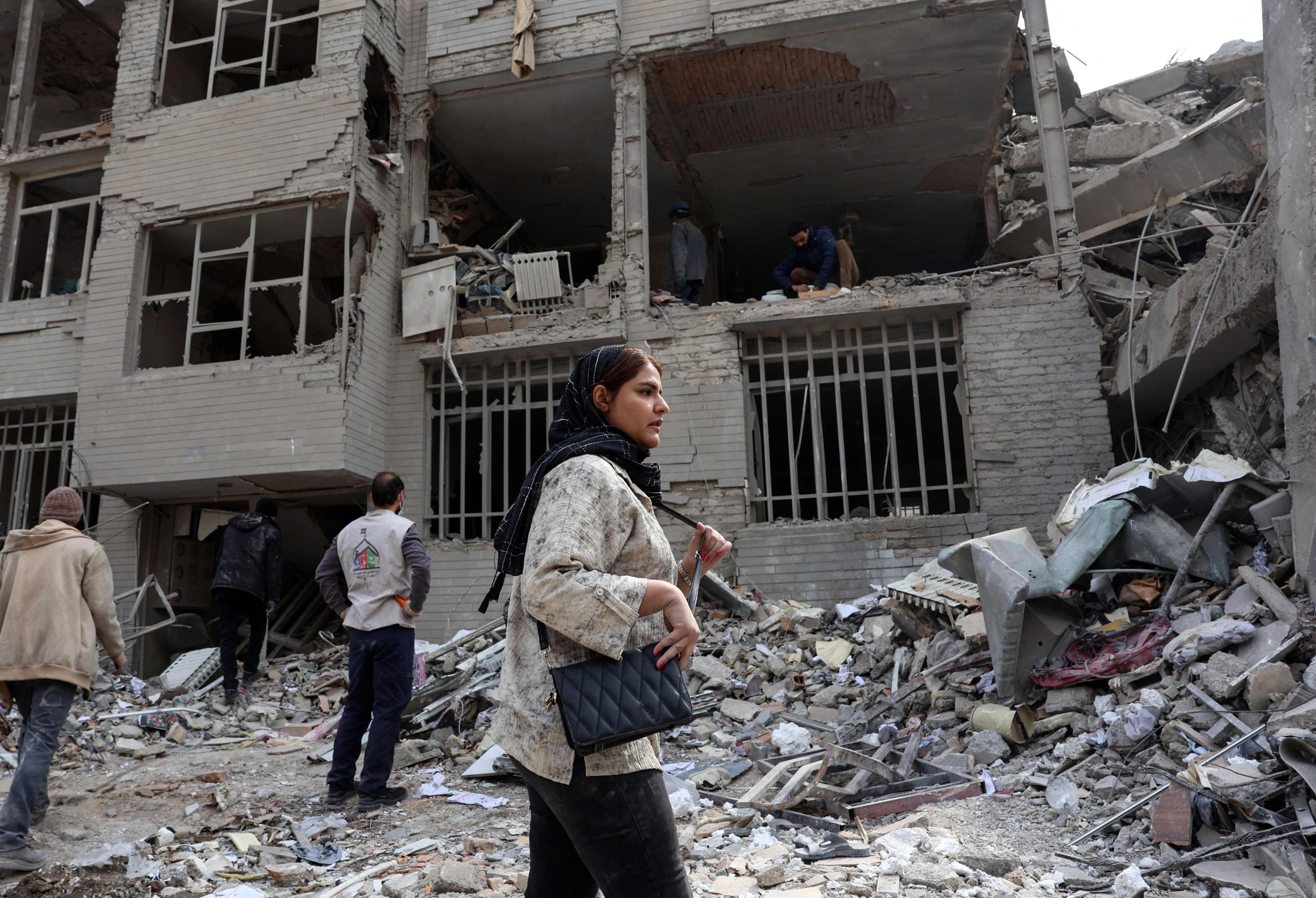
The war has produced significant military results. Waves of U.S. and Israeli airstrikes have killed senior Iranian commanders, degraded Tehran’s ballistic missile arsenal and damaged parts of its navy. The campaign has also weakened Iran’s network of regional proxy groups.
Roughly 2,000 people have been killed across the region, with strikes reaching targets as far away as Lebanon.
Yet the battlefield gains have been offset by Iran’s response in global energy lanes.
Iranian attacks on oil tankers and transport infrastructure in the Persian Gulf have driven crude prices higher and rattled shipping routes. The escalating disruption has underscored the strategic importance of the Strait of Hormuz, the narrow waterway through which roughly a fifth of the world’s oil normally flows.
Iran’s leadership, now under Supreme Leader Mojtaba Khamenei, has threatened to keep the strait closed, raising fears of prolonged supply shocks.
If gasoline prices surge in the United States, the political pressure on Trump to end the campaign could intensify quickly.
Behind the scenes, some aides are quietly urging the president to begin shaping a narrative that allows him to declare victory.
The idea would be to emphasize the military damage inflicted on Iran while avoiding the more ambitious goals originally suggested by the administration, including regime change in Tehran.
U.S. intelligence assessments indicate Iran’s leadership remains firmly in control and is unlikely to collapse in the near term.
Analysts say Tehran could also claim its own form of victory simply by surviving the U.S. and Israeli onslaught while demonstrating it can retaliate against Western interests.
Lessons from another conflict
Some of the early miscalculations within the administration appear tied to comparisons with a very different operation.
Earlier this year, a U.S. raid in Venezuela captured President Nicolás Maduro and swiftly shifted control of the country’s oil sector without prolonged fighting.
Some advisers initially hoped the Iran campaign might unfold in a similarly decisive way. Instead, Tehran has proven a far more entrenched and capable adversary with a complex military and political structure.
The war has already spilled into more than half a dozen countries across the region, complicating any clear path to a quick conclusion.
Political stakes at home
Despite criticism from some anti intervention voices within Trump’s coalition, the president’s core supporters have largely remained behind him.
Republican strategist Ford O’Connell said the president still has room to maneuver.
“The MAGA base is going to give the president wiggle room,” he said.
But that patience may not last indefinitely if American casualties rise or economic pressures grow.