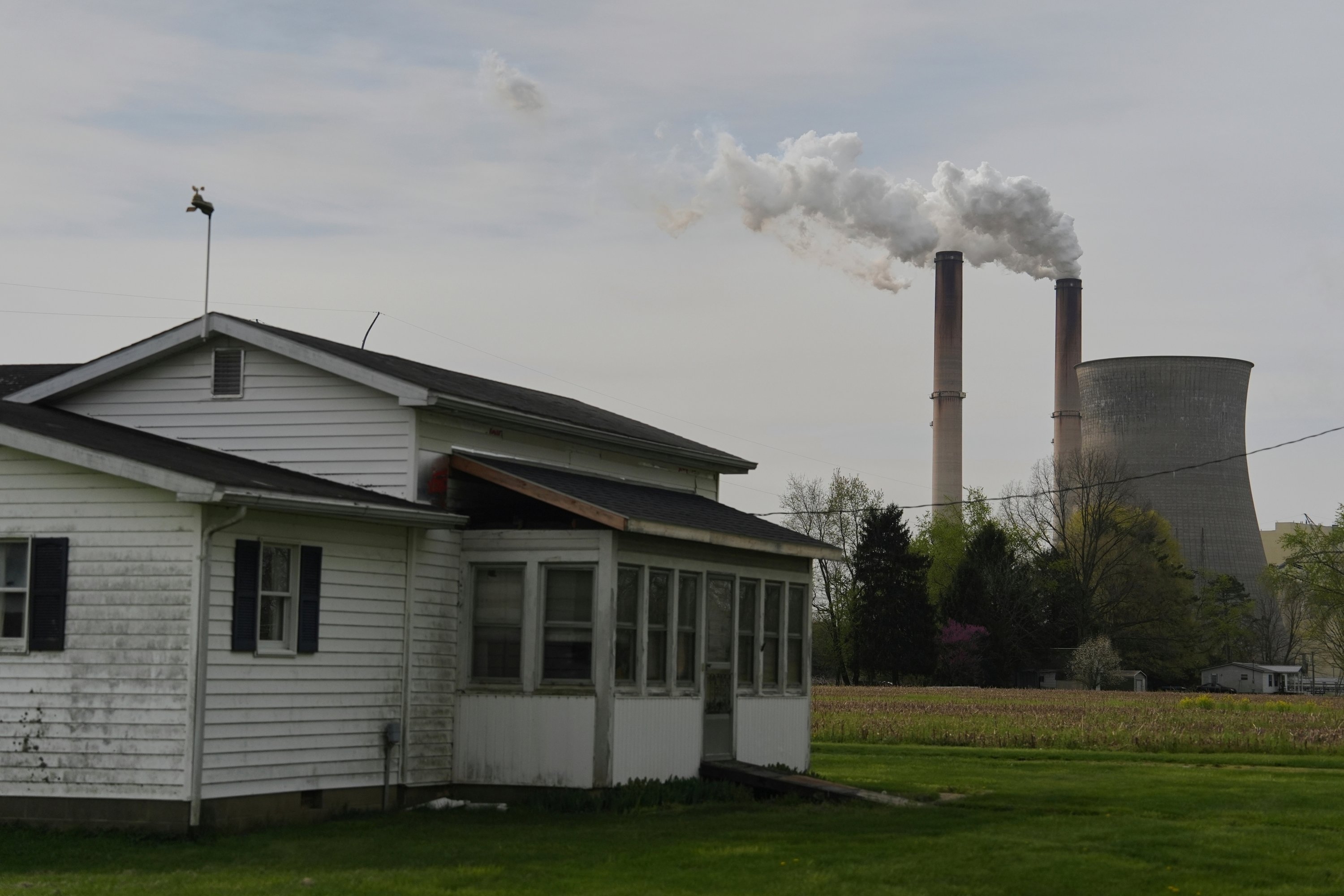
The world is heading toward an "irrecoverable overshoot" of the Paris Agreement’s 1.5-degree Celsius warming limit after five years in which progress on climate action was canceled out by setbacks, Climate Action Tracker (CAT) warned Thursday.
The independent monitoring group said unfulfilled plans and offsetting actions had left projected warming unchanged, despite a new round of national climate commitments submitted last year.
"Aggregated climate action has now essentially stalled for five consecutive years with positive and negative actions canceling each other out," the report said.
The assessment, released during a U.N. climate meeting in Antalya, Türkiye, contrasted the recent stagnation with progress during the first five years after the 2015 Paris Agreement.
Action during that earlier period lowered projected warming by an entire degree Celsius, or 1.8 degrees Fahrenheit, according to the report.
Since then, collective efforts have failed to significantly reduce global greenhouse gas emissions, leaving the world "headed toward an irrecoverable overshoot of 1.5 degrees Celsius" above preindustrial temperatures.
Even if countries fulfill all their climate promises, the report projects warming of 2.6 degrees Celsius by the end of the century. That is the same outlook as in 2024 and 2025.
The latest national pledges have therefore failed to change the projected warming trajectory, said lead author Sarah Heck, a climate policy analyst at CAT.
"This is still not enough," Heck said. "Countries really do need to strengthen their targets."
Countries set out their emissions reduction plans in commitments known as nationally determined contributions. Those plans differ in the speed and scale of proposed cuts and the measures governments intend to use.
But pledges must translate into substantial reductions in emissions, primarily from burning coal, oil and gas, to slow warming. The report’s warning underscored the gap between countries’ stated ambitions and their combined impact.
For island nations, exceeding the 1.5-degree limit threatens to compound dangers already evident in rising seas, damaged coral reefs and increasingly destructive extreme weather.
Leaders from those countries urged stronger action Wednesday, with more expected to address the Antalya meeting Thursday.
"Every new oil well drilled, every piece of coal extracted is a threat to my country’s future. The discovery of new fossil fuel resources is not something to celebrate, but something to fear," Marshall Islands President Hilda Heine said Wednesday.
"No one has the right to pollute their neighbors."
Heine described watching coral change from "bright and lush" to white as it bleached this year. She said the global response to the inevitability of exceeding the 1.5-degree limit "must be overwhelming or the world we know is over."
"It is time to wake up," she said.
Leaders from Tuvalu, the Bahamas, Antigua and Barbuda, Niue and other island nations were expected to make similar appeals Thursday.
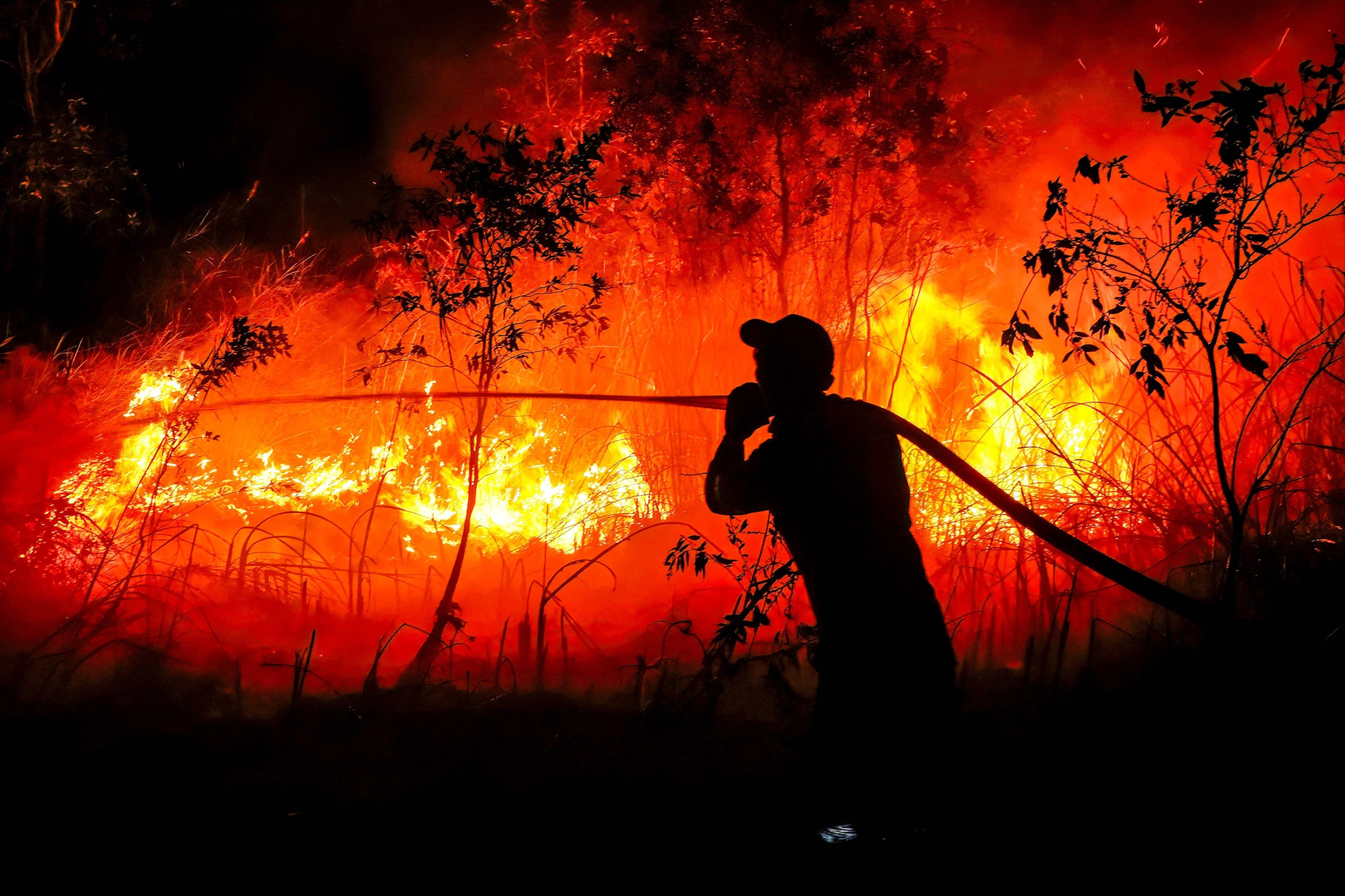
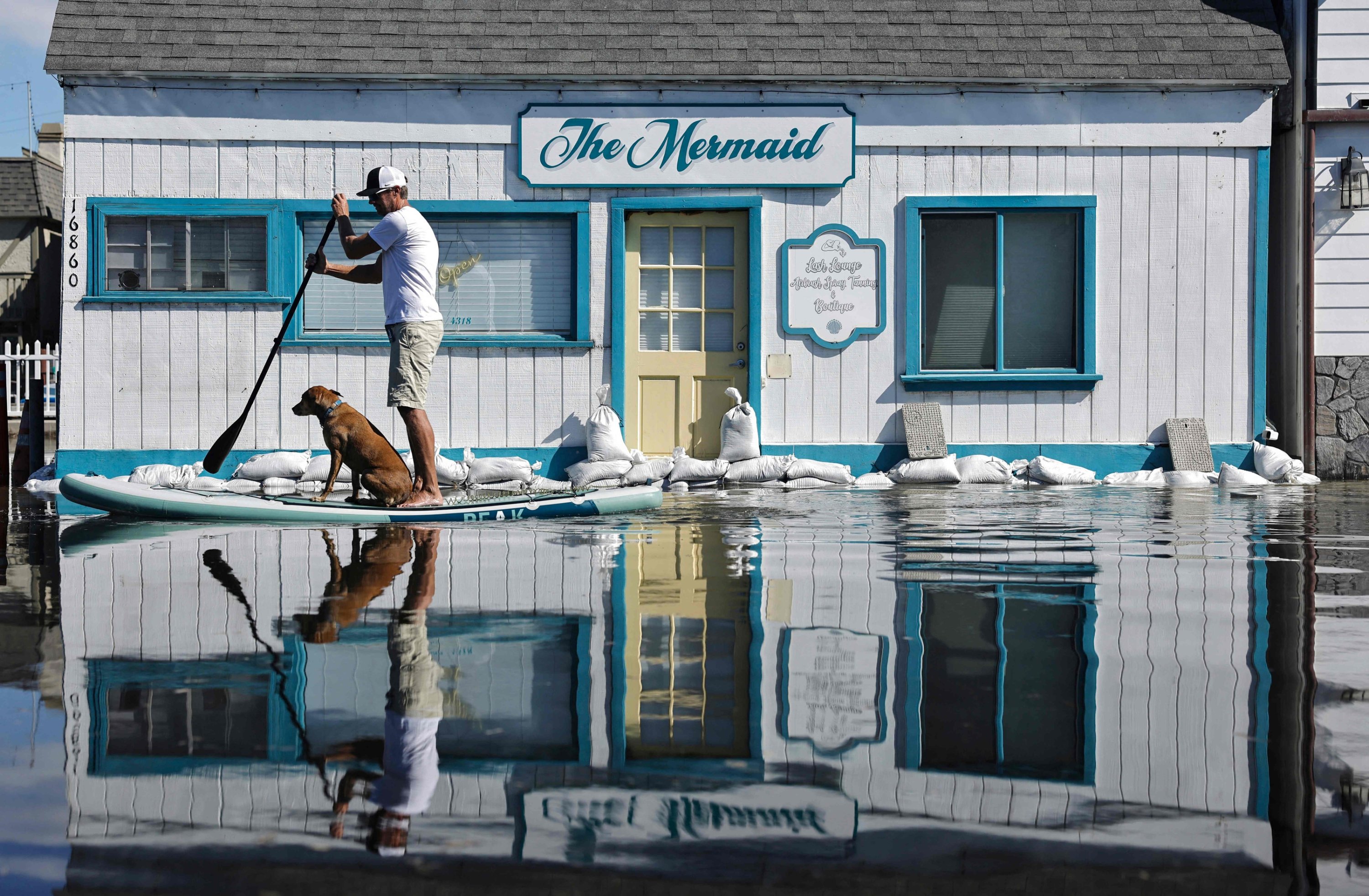
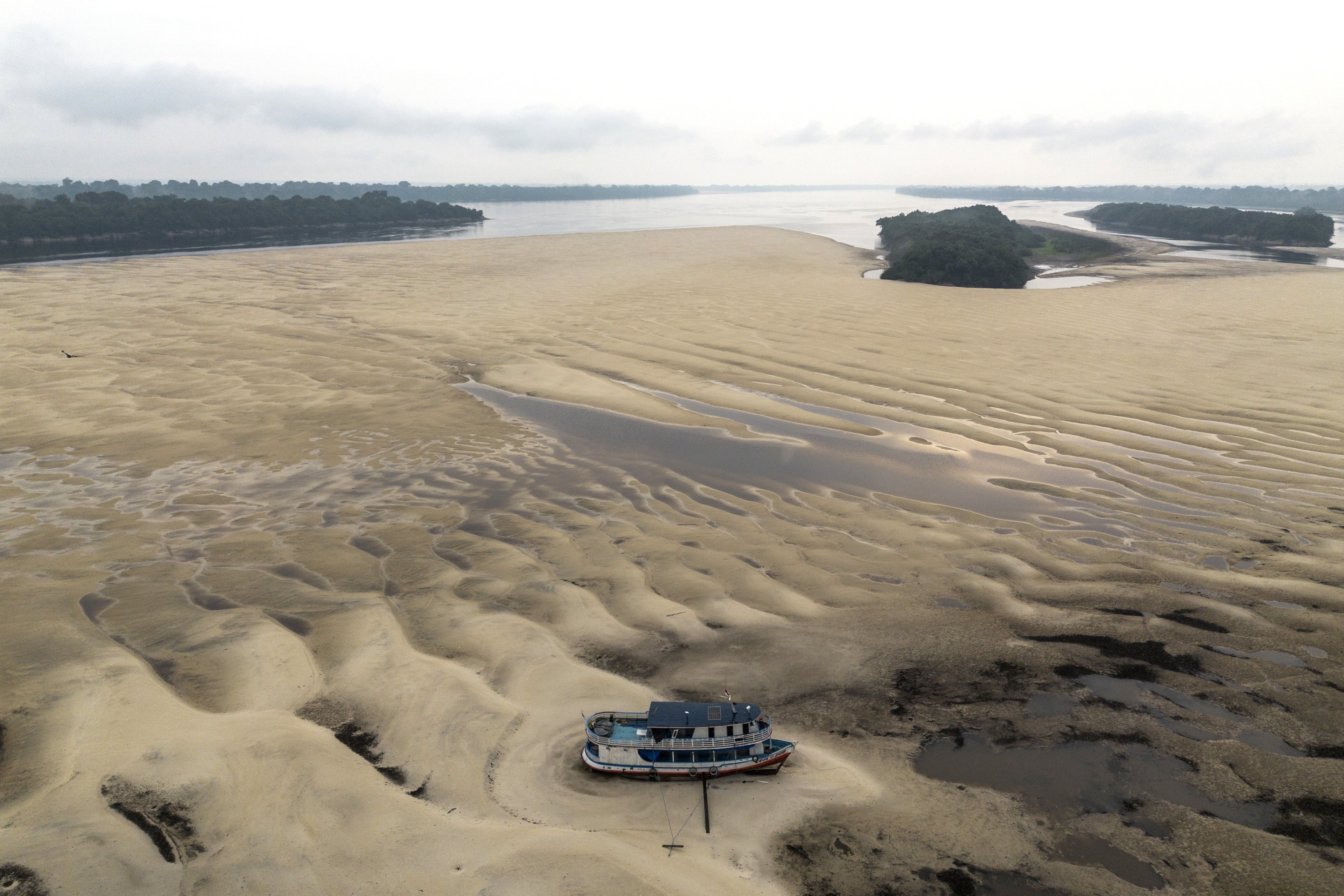
Alongside the worsening heat waves, storms, droughts and floods affecting countries worldwide, island nations face rising seas that threaten to swallow their land.
Barbados Prime Minister Mia Mottley said Wednesday that wealthy nations must deliver more funding to help poorer countries recover from climate damage and adapt to a warmer world.
"Pledges are not payments. But even the promised pledges are now 70% below previous levels," Mottley told fellow leaders.
"So the applause in this room, let us be clear, has never rebuilt a single home in any country," she added.