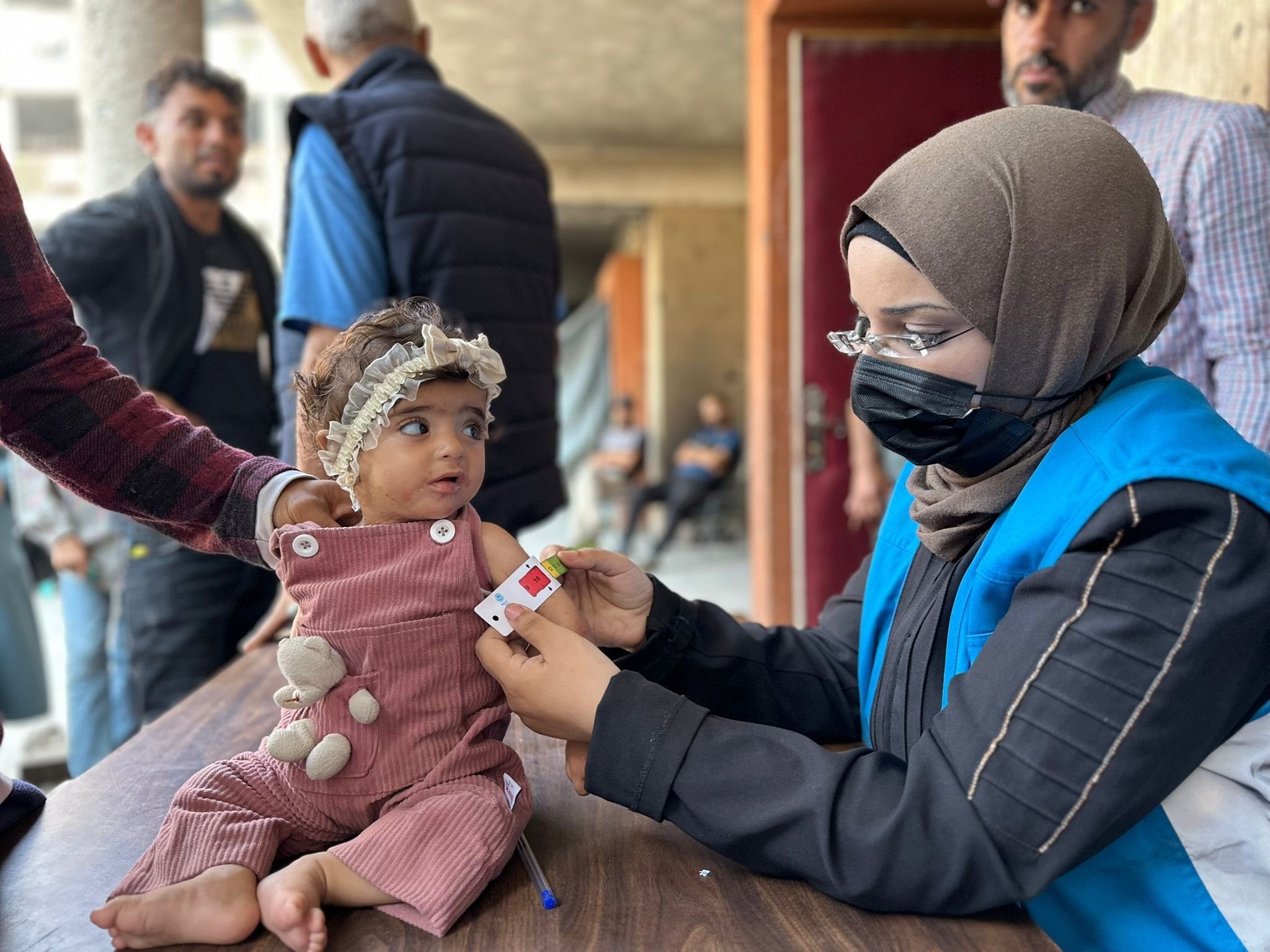
Amid the intensifying humanitarian crisis in the Gaza Strip, the United Nations Relief and Works Agency for Palestine Refugees in the Near East (UNRWA) continues to provide critical services, often under extraordinary danger.
In a recent interview with Daily Sabah, UNRWA Senior Communications Manager Jonathan Fowler detailed the organization’s ongoing operations, the challenges it faces and its unwavering commitment to supporting Palestine refugees, particularly children and other vulnerable groups, despite the devastating conditions on the ground.
“Our current projects focus on providing services to Palestinian refugees, as mandated by the United Nations General Assembly since 1949,” Fowler explained. “This mandate has been renewed roughly every three years, reflecting the consistent international support for our work. UNRWA is unique within the U.N. system because we provide services directly. Unlike other U.N. agencies, which work with local institutions, UNRWA delivers medical care through our own staff, educates children in our own schools and performs essential services in refugee camps, such as street sanitation and construction work. In scope, our operations are almost equivalent to governmental services.”
UNRWA operates across Lebanon, Syria, Jordan, the West Bank, including East Jerusalem and the Gaza Strip. Gaza remains a central focus due to the ongoing blockade, extreme poverty and the cumulative impact of repeated conflicts. Fowler said, “Over the decades, we have faced very challenging contexts, particularly in the Occupied Palestinian Territories. Our focus remains on serving people across five key fields, but Gaza is a central priority because of the ongoing humanitarian crisis, the decadeslong blockade and high poverty rates.”
Delivering aid in Gaza is fraught with obstacles. The long-term blockade has imposed severe restrictions on the entry of essential supplies, leaving the population in dire conditions. UNRWA remains the largest U.N. humanitarian organization on the ground, employing roughly 13,000 staff, all Palestinians, as international personnel cannot enter due to Israeli restrictions.
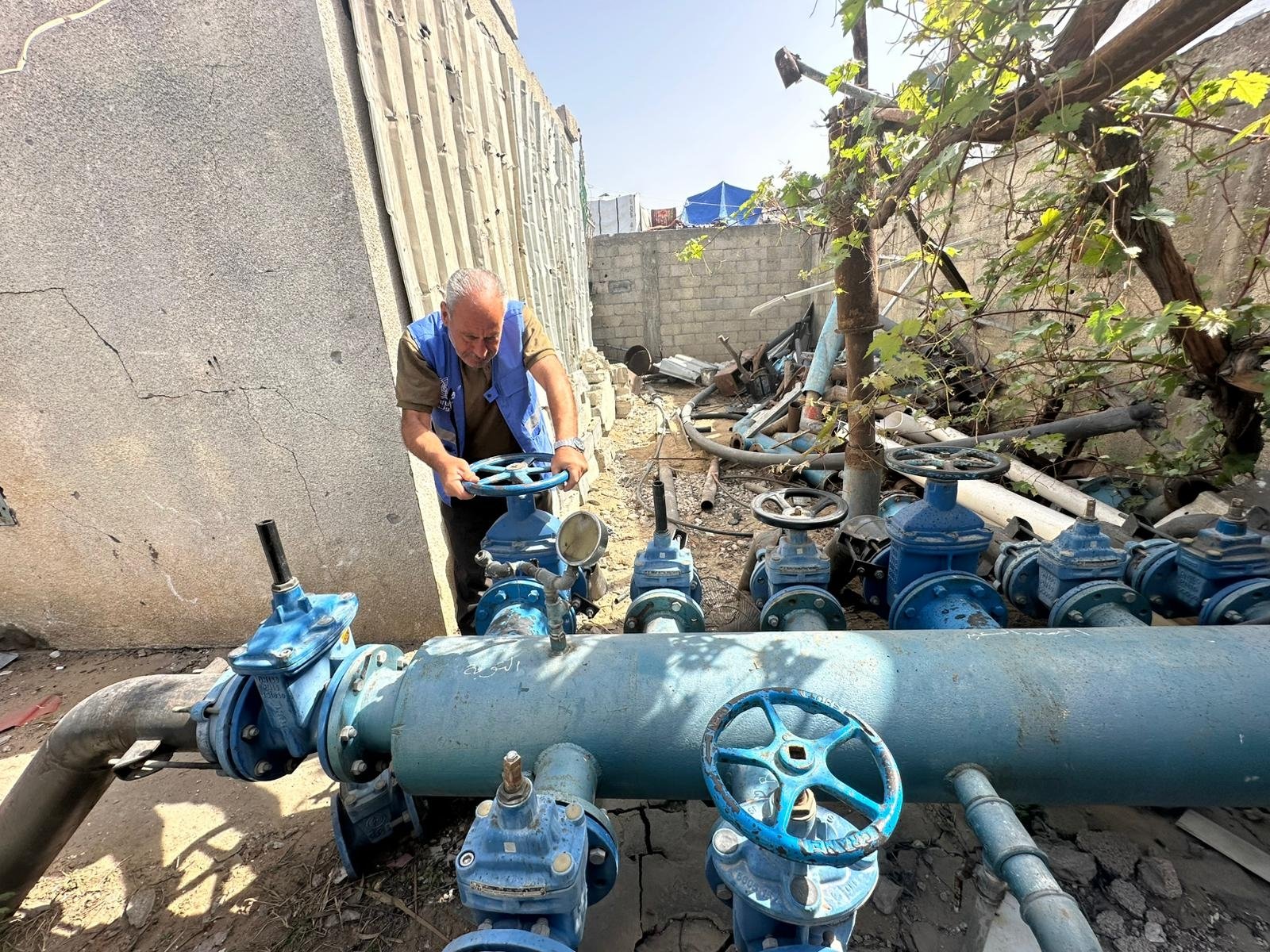
“Tragically, since the start of this war, around 360 of our colleagues have been killed, a level of loss unprecedented in the history of the U.N. during a single conflict,” Fowler revealed. “Some were killed while performing their duties; others died alongside their families. Additionally, around 50 staff members have been arbitrarily detained and some were reportedly tortured, complicating our efforts to assist.”
Despite these harrowing circumstances, UNRWA staff continue to serve the population. Fowler said, “Hundreds of thousands of people receive counseling from our staff and thousands of children continue to participate in learning programs, even though over a million children are out of school. Medical services are maintained, with about 14,000 patients seen daily, supported by four functioning health centers and around 20 medical points. It is almost miraculous that our teams can continue, but their commitment to their work is extraordinary.”
Human stories from the ground illustrate the profound sacrifices made by UNRWA staff. One member of the external relations and communications team was killed while seeking safety for his displaced family. Another colleague lost both legs in a drone strike. These losses underscore the dangers faced not only by civilians but also by humanitarian staff committed to saving lives.
Fowler added, “Those I’ve talked to, particularly colleagues on the communications side, are deeply committed to telling the story of what is happening on the ground. Over the last nearly two years, there were periods when Gaza’s situation disappeared from top news coverage, overshadowed by other conflicts or trivial stories and this actually strengthened their determination.”
He further explained that staff view continuing their work as a form of psychological survival, “Taking action becomes a way to cope mentally; pausing to dwell on the horrors would be unbearable. They’ve lost family members and colleagues and the emotional toll is immense. To imagine half your co-workers gone, killed, or children who have lost limbs or parents, it’s unimaginable. Yet, they persevere.”
Children in Gaza bear the heaviest toll of the conflict. The region now has the highest number of child amputees per capita in the world, with more than 4,000 children having lost one or more limbs. Around 17,000 children are unaccompanied, often forced to care for younger siblings in the absence of their parents.
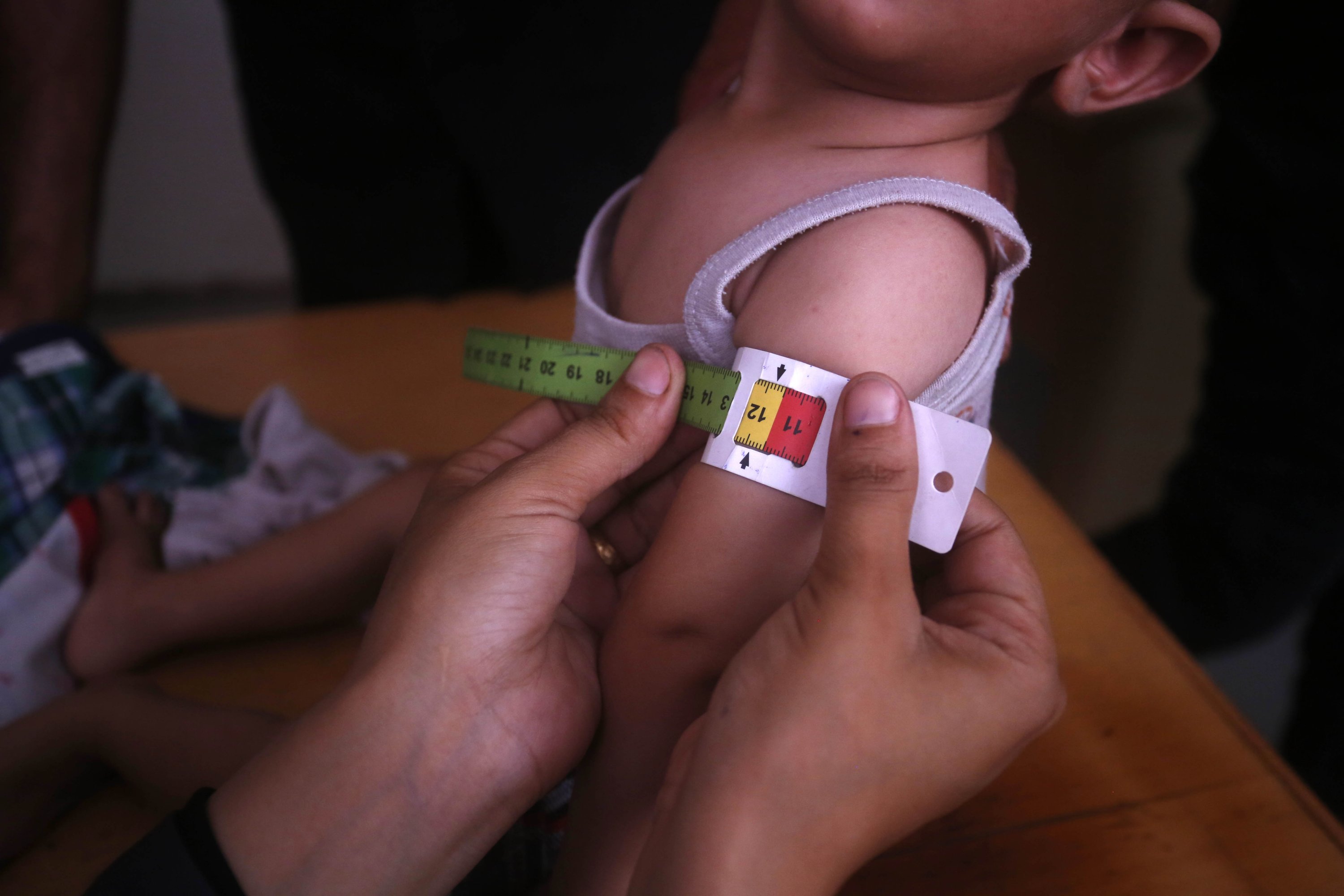
“These children, many of whom are suffering from malnutrition, have had to grow up too fast,” Fowler said. “UNRWA staff frequently interview them and hear perspectives that sound beyond their age, reflecting the forced maturity of these children.” Malnutrition rates have soared, with approximately 133,000 children under five suffering from acute malnutrition and nearly one in three children in Gaza City affected, six times higher than prewar levels. Malnutrition increases vulnerability to infections and delays both physical and mental development.
UNRWA’s programs for children with disabilities, including medical, social and educational services, remain central to their mandate. Fowler emphasized, “Our approach aligns with the U.N.’s ‘Leave No One Behind’ principle, ensuring that the most vulnerable members of the community are considered even under extreme circumstances.”
Education in Gaza has been severely disrupted for two years, with schools transformed into shelters for displaced families. Hundreds of thousands of children have lost access to schooling as facilities were damaged or directly hit by bombardments.
“Despite these circumstances, our teachers, who themselves were part of the displaced population, continued providing basic education in emergency shelters,” Fowler said. “Some teachers were actually living in the schools they previously worked at and offered unstructured educational and psychosocial support to children.”
UNRWA’s Back to Learning program, launched about a year ago, initially reached 60,000 children with literacy, numeracy, sports and psychological support. Currently, only around 12,000 children can be reached in person due to the ongoing conflict; yet, the program remains a lifeline for those who can attend. Vocational education continues, with some courses delivered online where internet access is available.
“Even though the scale is smaller, it’s better than nothing,” Fowler said. “UNRWA has never stopped fulfilling its mandate and the program is designed to scale up immediately when conditions allow.”
Psychological impacts on children are severe – exposure to violence, displacement, and loss of routine leaves deep scars. A young boy, displaced into a school-turned-shelter, reflects on how he once loved walking to school but now hates it, illustrating the profound disruption to his normal childhood experiences.
While Gaza represents the most acute crisis, UNRWA continues operations in the West Bank, East Jerusalem, Lebanon, Syria and Jordan. In the West Bank, ongoing military incursions have displaced over 30,000 people, destroying infrastructure and preventing safe returns. East Jerusalem has seen forced school closures affecting 2,000 children, while clinics operate under uncertainty.
In Lebanon, refugees rely almost entirely on UNRWA support amid political instability. Syria has seen some reconstruction, notably in Yarmuk Camp, with rebuilt clinics, schools and community spaces offering hope of recovery. Jordan provides more stable operations, though refugees continue to face poverty and limited economic opportunities.
Financial constraints remain a constant challenge. Some countries, including the U.S., Sweden and the Netherlands, have reduced or suspended funding due to political pressures. Yet, other donors, including Germany, Spain, Norway, Portugal and Ireland, have increased their support, with the European Union remaining the largest overall donor. New contributions from countries such as Iraq and Algeria, along with individual and private sector donations exceeding $100 million, highlight global solidarity.
Fowler emphasized, “All forms of global support matter. Keeping the spotlight on Gaza is crucial because attention wandering to other issues can worsen the situation. Donations to organizations like UNRWA directly support the people working on the ground, helping them continue their vital work.”
Israeli authorities’ approach to UNRWA is inconsistent. Some recognize the agency’s role in preventing humanitarian catastrophe, particularly through its clinics, while others obstruct operations, especially in the education sector. UNRWA staff must constantly adapt to these unpredictable restrictions to protect both staff and beneficiaries.
At the heart of UNRWA’s operations are the people who risk their lives every day to ensure others survive. From teachers providing makeshift education in shelters to medical staff tending to thousands of patients daily, the resilience, courage and determination of UNRWA employees are central to sustaining Gaza’s population under siege.
Fowler concluded: “UNRWA remains flexible, scaling operations up or down in response to conflict, displacement, and access restrictions across Gaza, the West Bank, East Jerusalem, Lebanon, Syria and Jordan. Financial support is critical to maintain operations, and global solidarity demonstrates that the world has not forgotten those who are suffering.”