Daily Sabah logo

Politics
Diplomacy Legislation War On Terror EU Affairs Elections News Analysis
TÜRKİYE
Istanbul Education Investigations Minorities Expat Corner Diaspora
World
Mid-East Europe Americas Asia Pacific Africa Syrian Crisis Islamophobia
Business
Automotive Economy Energy Finance Tourism Tech Defense Transportation News Analysis
Lifestyle
Health Environment Travel Food Fashion Science Religion History Feature Expat Corner
Arts
Cinema Music Events Portrait Reviews Performing Arts
Sports
Football Basketball Motorsports Tennis
Opinion
Columns Op-Ed Reader's Corner Editorial
PHOTO GALLERY
JOBS ABOUT US RSS PRIVACY CONTACT US
© Turkuvaz Haberleşme ve Yayıncılık 2025

Daily Sabah - Latest & Breaking News from Turkey | Istanbul

  • Politics
    • Diplomacy
    • Legislation
    • War On Terror
    • EU Affairs
    • Elections
    • News Analysis
  • TÜRKİYE
    • Istanbul
    • Education
    • Investigations
    • Minorities
    • Expat Corner
    • Diaspora
  • World
    • Mid-East
    • Europe
    • Americas
    • Asia Pacific
    • Africa
    • Syrian Crisis
    • Islamophobia
  • Business
    • Automotive
    • Economy
    • Energy
    • Finance
    • Tourism
    • Tech
    • Defense
    • Transportation
    • News Analysis
  • Lifestyle
    • Health
    • Environment
    • Travel
    • Food
    • Fashion
    • Science
    • Religion
    • History
    • Feature
    • Expat Corner
  • Arts
    • Cinema
    • Music
    • Events
    • Portrait
    • Reviews
    • Performing Arts
  • Sports
    • Football
    • Basketball
    • Motorsports
    • Tennis
  • Gallery
  • Opinion
    • Columns
    • Op-Ed
    • Reader's Corner
    • Editorial
  • TV
  • Arts
  • Cinema
  • Music
  • Events
  • Portrait
  • Reviews
  • Performing Arts

14th-century Ottoman hammam discovered in Assos, NW Türkiye

by Daily Sabah with AA

ISTANBUL Jan 07, 2025 - 10:35 am GMT+3
Edited By Ayşe Sena Aykın
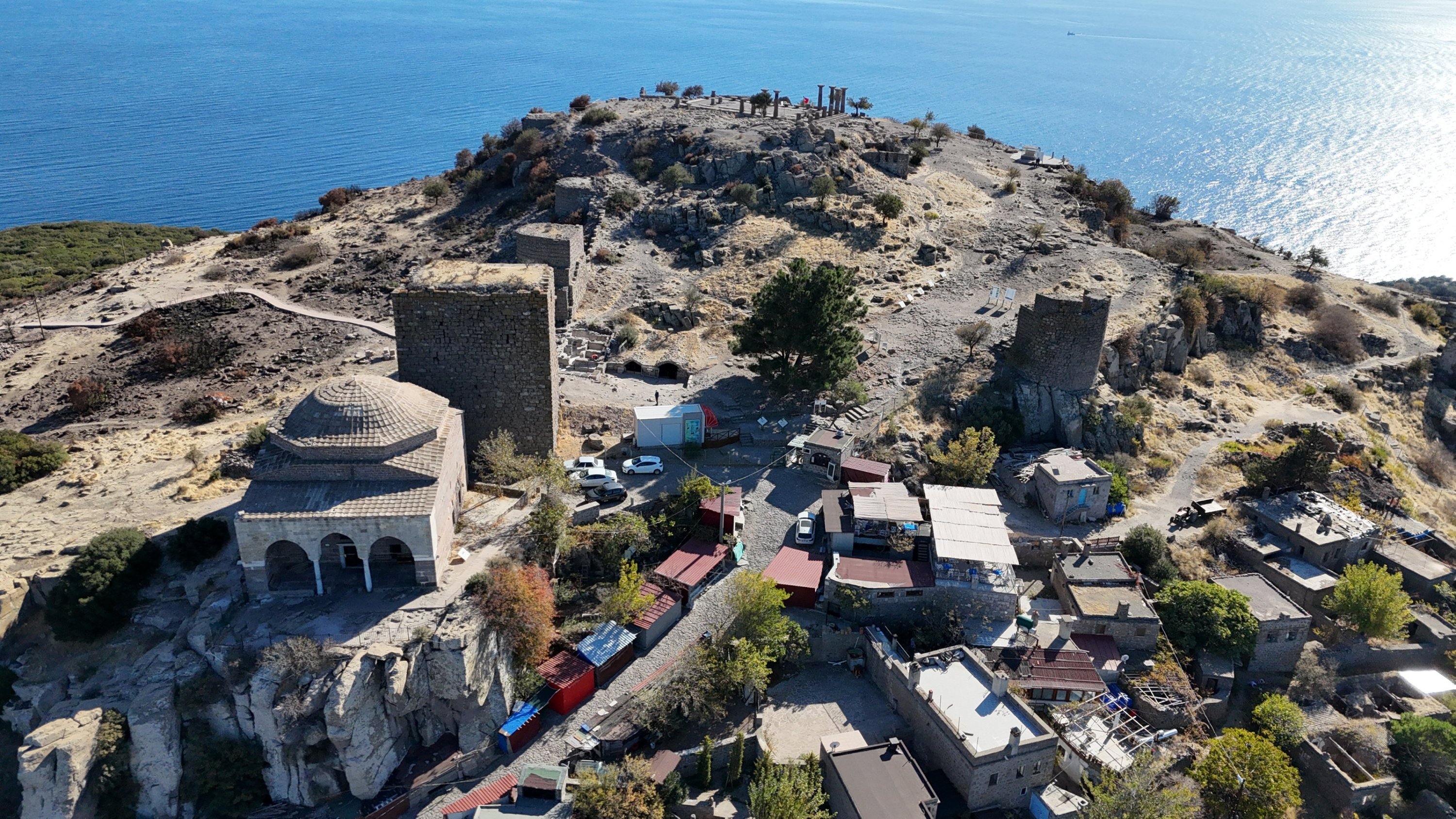
This undated aerial view shows the hammam discovered in Assos, Çanakkale, northwestern Türkiye. (AA Photo)
by Daily Sabah with AA Jan 07, 2025 10:35 am
Edited By Ayşe Sena Aykın

A well-preserved early Ottoman hammam has been uncovered in Assos, Çanakkale, shedding light on early Ottoman architecture and daily life

In the Behramkale village of the Ayvacık district, located within the borders of Çanakkale, northwestern Türkiye, a significant discovery has been made in Assos: a hammam dating back to the early Ottoman period.

Assos, an ancient city in the region historically known as "Alexandria Troas," was founded on the volcanic hill and slopes at the southern tip of the area, facing the island of Lesbos in Greece. The city hosted numerous civilizations over the centuries, making it a rich archaeological site.

Crossroads of civilizations

The region of Assos was a prominent cultural hub, particularly in the ancient Greek and Roman periods. Positioned at a strategic location, Assos was continuously inhabited by various civilizations through the centuries. Its rich historical layers have made it a key site for archaeological research. Assos was excavated for the first time by American archaeologists in the 19th century and after a long hiatus, excavations resumed in 1981 under Turkish leadership. Today, the site has been under excavation by Turkish scientists for over 44 years.
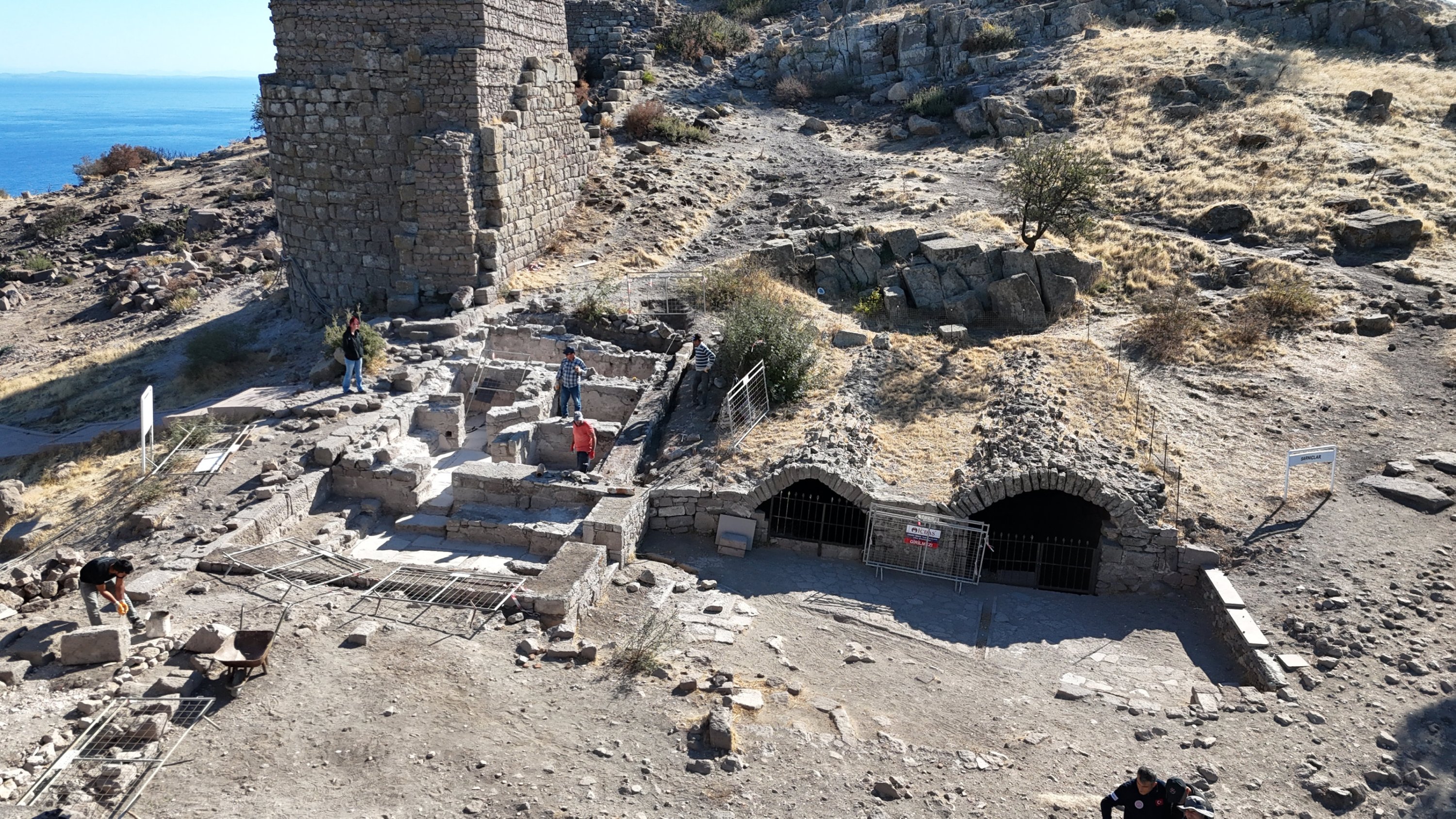
An aerial view of the archaeological site where the bathhouse was discovered in Assos, Çanakkale, northwestern Türkiye, Jan. 5, 2024. (AA Photo)

Ongoing excavations

Professor Nurettin Arslan, a faculty member from the Department of Archaeology at Çanakkale Onsekiz Mart University (ÇOMÜ) and the head of the Assos excavation team, shared updates on the ongoing work at Assos. The excavations continue with the support of the Ministry of Culture and Tourism and the main sponsorship of IÇDAŞ A.Ş. In 2024, under the ministry's "Future Heritage Project," the longest excavation season in Assos' history was completed, with the work extending through to the end of December.

Early Ottoman hammam

A key highlight of the recent excavations in Assos was the discovery of a small hammam located just behind the mosque in the Acropolis area. The structure is of particular significance due to its well-preserved state and technical features. According to Arslan, it offers valuable insight into early Ottoman architecture, especially with its so-called "hell" heating system (hypocaust) and water management techniques.

The bathhouse's location and construction techniques reflect typical early Ottoman designs. Arslan emphasized that, despite its modest size, the bathhouse is an excellent example of early Ottoman architectural practices. This discovery is especially significant for understanding the evolution of Ottoman bath architecture and its role in daily life.
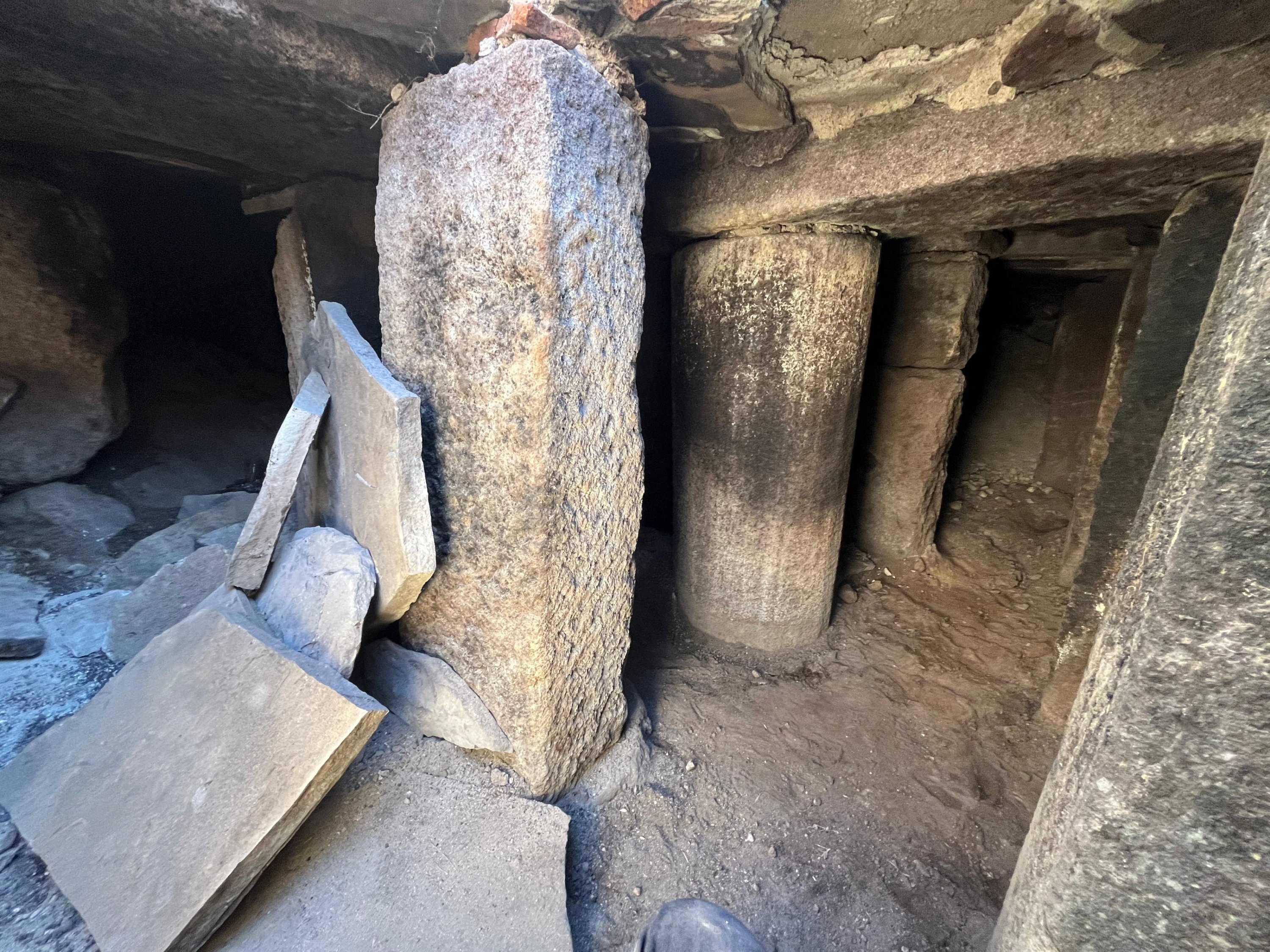
A view of the archaeological site of the bathhouse discovered in Assos, Çanakkale, northwestern Türkiye, Jan. 5, 2024. (AA Photo)

One of the most remarkable finds in the bathhouse is a marble fragment located in the changing room area. The inscription on the marble dates back to A.D. 480, during the reign of the Byzantine Emperor Zeno. This inscription provides valuable historical information on taxation, financial administration, legal practices and land ownership, reflecting the administrative and societal structure of the time. The process of decoding this inscription is still ongoing, and once fully analyzed, it will offer significant insights to the scientific community.

In addition to the inscription, several important artifacts were uncovered. These include coins from the reign of Ottoman Sultan Murad I and fragments of pottery. The finds indicate that the hammam was constructed in the 14th century, likely during the reign of Sultan Murad I, who ruled from 1362 to 1389. This period is known for the consolidation of Ottoman rule in the region and the structure is considered a well-preserved example of early Ottoman building techniques and cultural integration.


  • shortlink copied
  • Last Update: Jan 07, 2025 11:49 am
    KEYWORDS
    assos çanakkale excavation bathhouses archaeological sites ottoman era
    The Daily Sabah Newsletter
    Keep up to date with what’s happening in Turkey, it’s region and the world.
    You can unsubscribe at any time. By signing up you are agreeing to our Terms of Use and Privacy Policy. This site is protected by reCAPTCHA and the Google Privacy Policy and Terms of Service apply.
    No Image
    Gold medals, tears and great moments: Best of Tokyo 2020 Olympics
    PHOTOGALLERY
    • POLITICS
    • Diplomacy
    • Legislation
    • War On Terror
    • EU Affairs
    • News Analysis
    • TÜRKİYE
    • Istanbul
    • Education
    • Investigations
    • Minorities
    • Diaspora
    • World
    • Mid-East
    • Europe
    • Americas
    • Asia Pacific
    • Africa
    • Syrian Crisis
    • İslamophobia
    • Business
    • Automotive
    • Economy
    • Energy
    • Finance
    • Tourism
    • Tech
    • Defense
    • Transportation
    • News Analysis
    • Lifestyle
    • Health
    • Environment
    • Travel
    • Food
    • Fashion
    • Science
    • Religion
    • History
    • Feature
    • Expat Corner
    • Arts
    • Cinema
    • Music
    • Events
    • Portrait
    • Performing Arts
    • Reviews
    • Sports
    • Football
    • Basketball
    • Motorsports
    • Tennis
    • Opinion
    • Columns
    • Op-Ed
    • Reader's Corner
    • Editorial
    • Photo gallery
    • DS TV
    • Jobs
    • privacy
    • about us
    • contact us
    • RSS
    © Turkuvaz Haberleşme ve Yayıncılık 2021