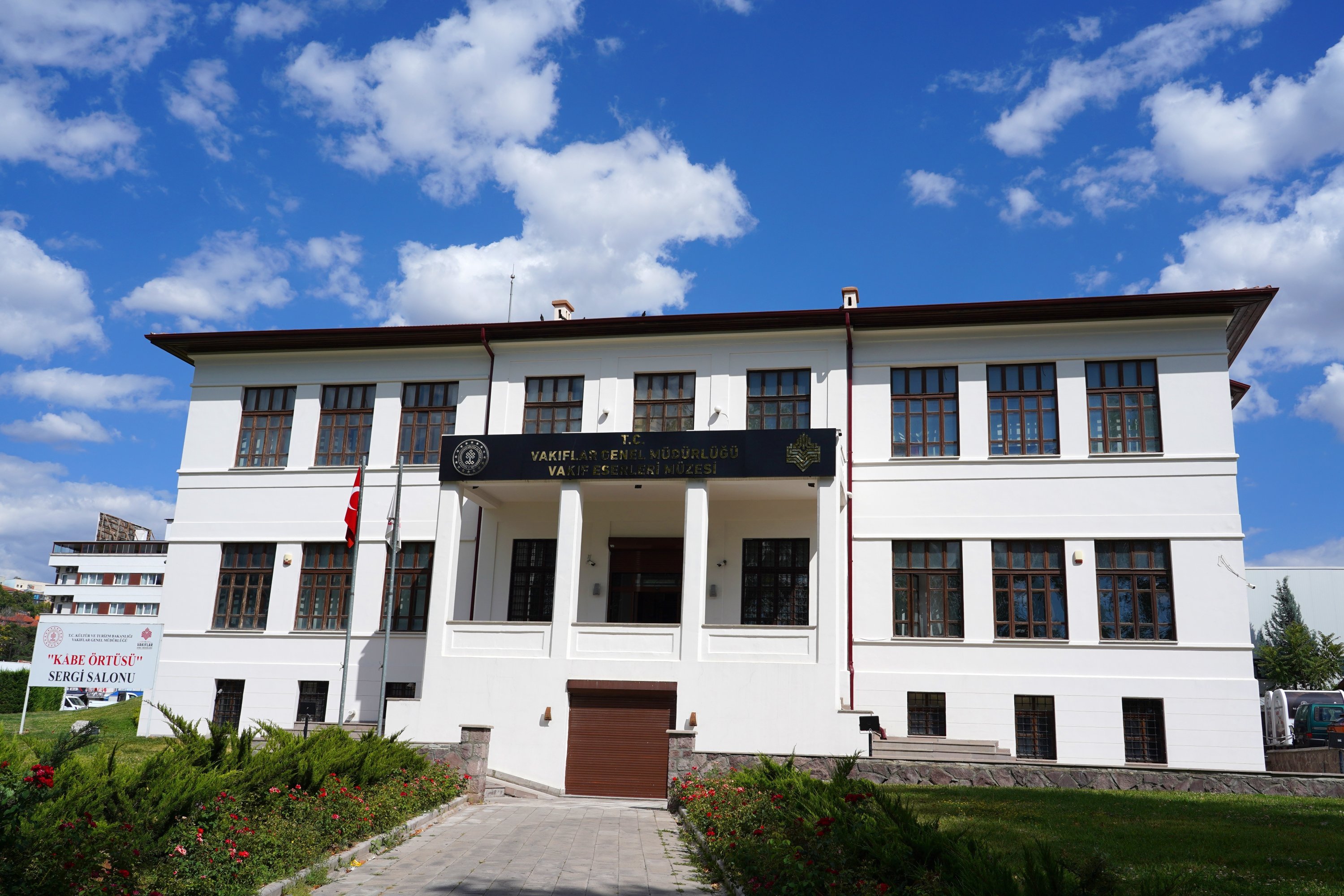
Located next to the Melike Hatun Mosque in Ulus, one of Ankara's historic centers, the Ankara Museum of Foundational Works opens the doors of history to its visitors with its valuable artifacts.
With its carpets, handwritten Qurans, calligraphy and wooden works, the museum attracts those interested in Anatolia's cultural richness. The venue is protected by the General Directorate of Foundations and brings together artifacts from different periods. It is not only a place where historical artifacts are exhibited, but also explains the importance of foundation culture in social life in the past.
The building that houses the Ankara Museum of Foundational Works also has a history as remarkable as the works exhibited in the museum. Featuring characteristics of the First National Architecture Period, it was among the important buildings of Ankara in the early years of the republic. The historic building, which was also used as a law school, was later restored and started to serve as a museum in 2007. The architectural features of the historic building offer visitors the opportunity to learn about not only the works on display but also Ankara.
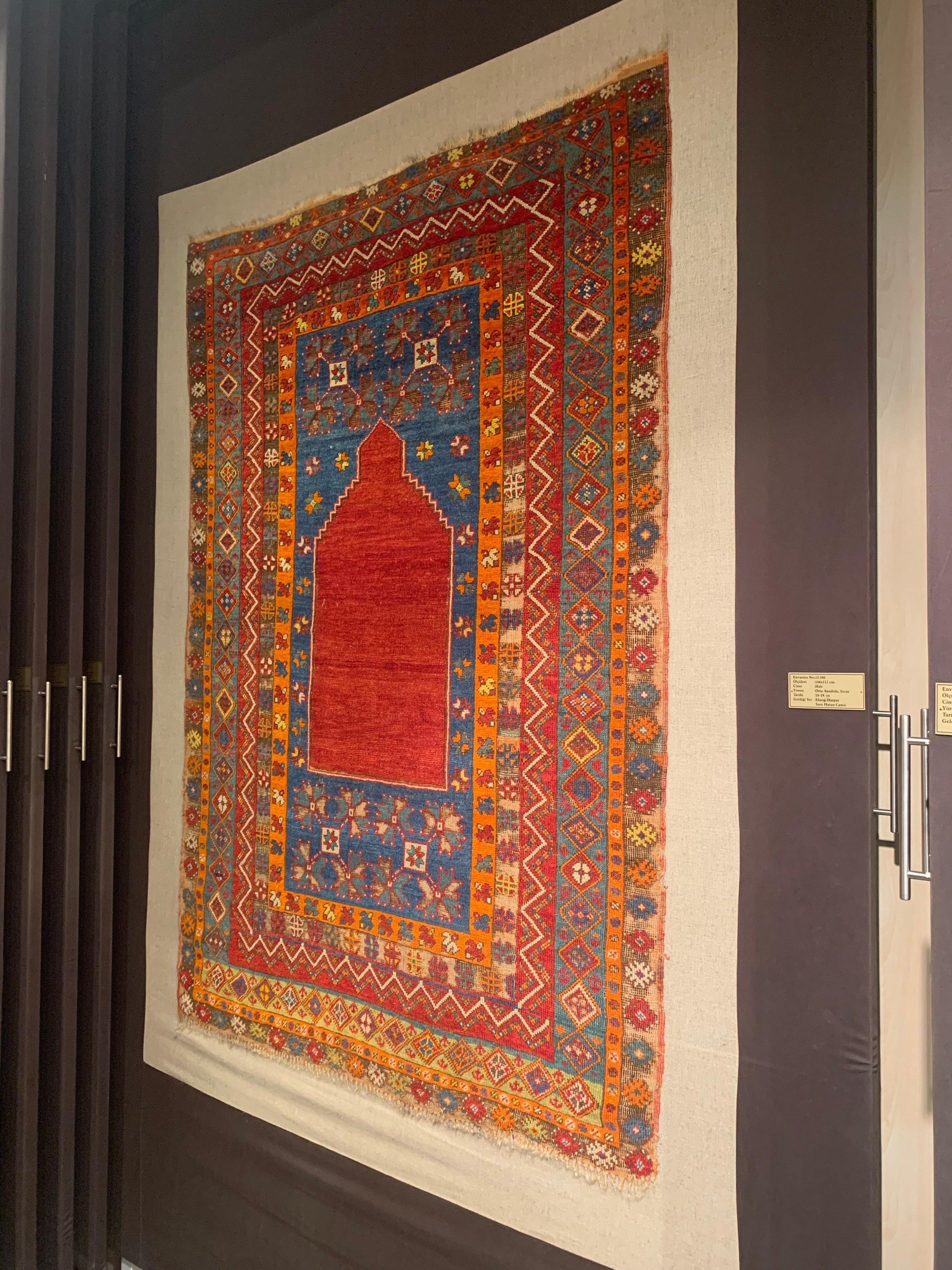
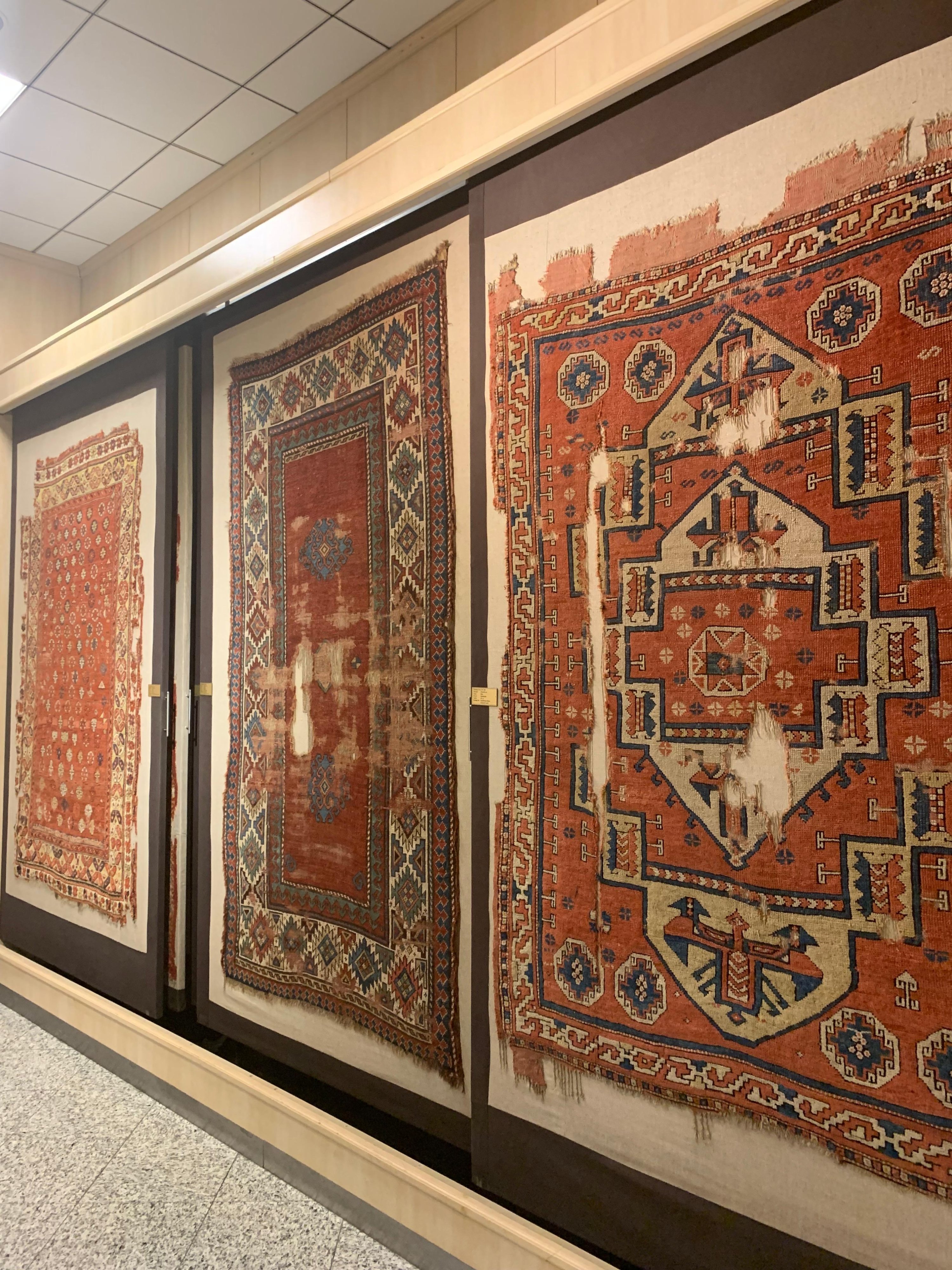
Among the items on display, carpets and rugs hold a particularly important place as cultural heritage that reflects the artistic sensibilities and daily lives of people from past eras. The patterns and motifs used in carpets and rugs also provide information about the cultural characteristics of different regions of Anatolia. The museum also exhibits handwritten Qurans and important examples of calligraphy. These carefully prepared works reveal the historic importance attached to the art of books and writing.
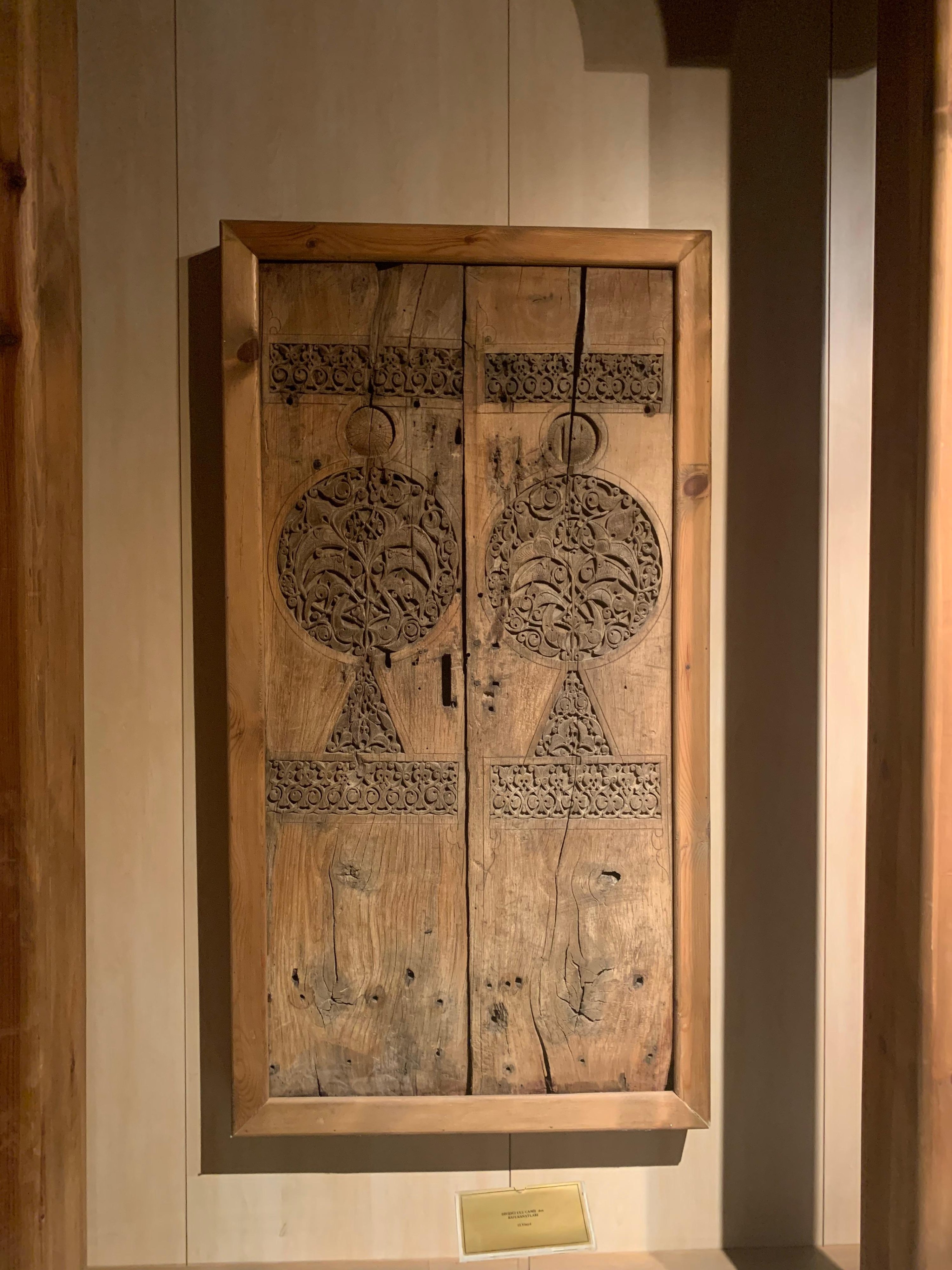
One of the museum's noteworthy sections consists of wooden artifacts. The wooden pieces used in mosques and other foundation buildings in the past attract the attention of visitors with their ornamentation. Tile panels, candlesticks, oil lamps and various decorative pieces are also part of the museum's collection, offering an aesthetic understanding of the Turkish-Islamic art tradition.
One of the museum's most important features is how it conveys the historic role of foundations for society. Foundations have played an important role throughout history in meeting the needs of society and strengthening solidarity. These organizations have traditionally provided services in many areas such as education, health, worship, social assistance and culture, enabled people to support each other and contributed to the development of social life in Anatolia. Today, foundations also contribute to the preservation of historical and cultural heritage and its transfer to future generations. For this reason, the works exhibited in the museum are important not only in terms of art history, but also in terms of social and cultural history. The foundation charters and other historical documents in the museum also give visitors an idea of how the organizations were established and for what purposes they served.
The Ankara Museum of Foundational Works contributes not only to the preservation of historical artifacts but also to their transmission to future generations.
Students and young people visiting the museum can better understand the historical and cultural information they have learned from books by seeing the actual artifacts. In this respect, the museum is also an important cultural center in terms of education.
Located in Ankara's Ulus district, the museum, along with other historical buildings in its vicinity, offers visitors the opportunity to take a comprehensive journey through history. Located in the city center, the museum is a cultural stop for both those living in Ankara and those visiting the city.
Each artifact exhibited in the museum brings the art, beliefs, daily life and social values of people who lived in the past into the present day. Therefore, the Ankara Museum of Foundational Works can be considered not only a museum but also a bridge between the past and the present.
The museum is open every day except Mondays from 9 a.m. to 5 p.m.