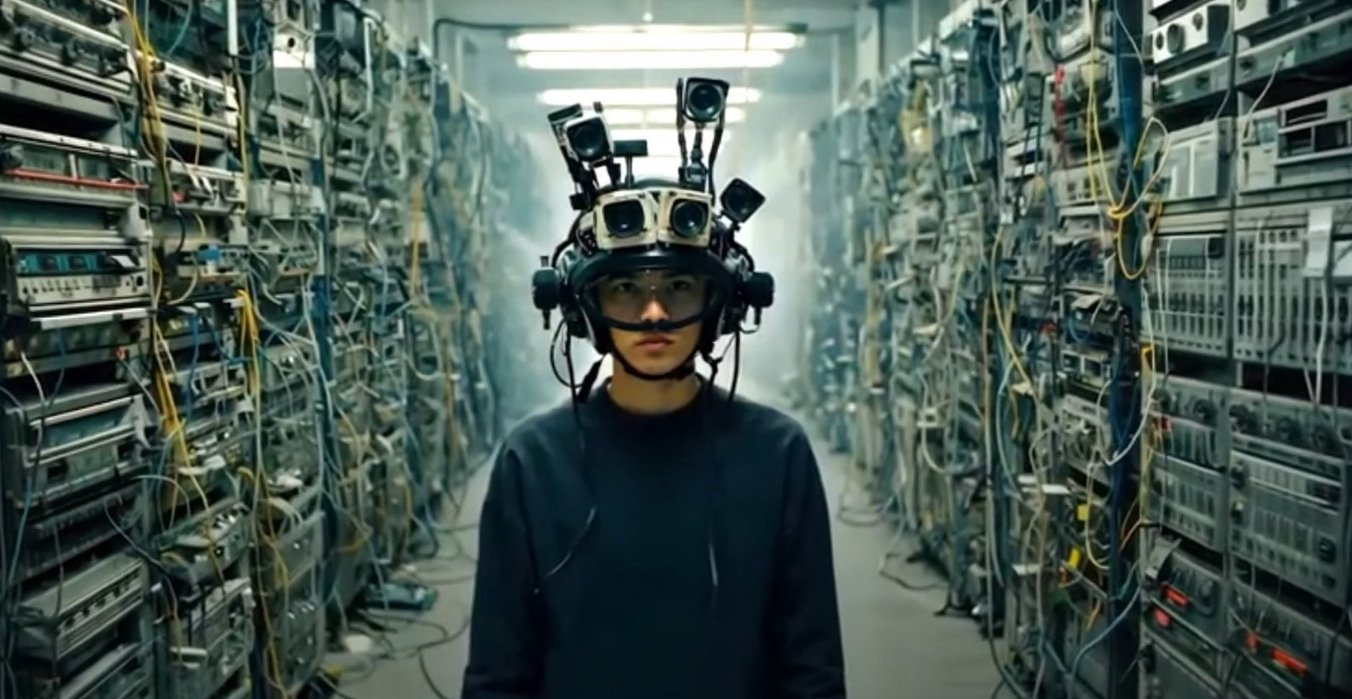
Alkan Avcıoğlu’s groundbreaking documentary "Post Truth," created entirely with artificial intelligence, made its festival debut at the 62nd International Antalya Golden Orange Film Festival on Oct. 27 at the Atatürk Cultural Center’s Perge Hall. The film, which had its world premiere at the Warsaw Film Festival, explores the increasingly chaotic relationship between humans and technology amid an unstoppable flood of information.
Following the screening, Avcıoğlu discussed his longstanding fascination with AI and his journey toward making a documentary using these tools. Reflecting on the inspiration behind the project, he explained: "I’ve been working with these tools for years, and I realized something: AI produces soulless images. Our era is becoming increasingly soulless as well, so it seemed perfect for a documentary. Or you could say 'our era is artificial' – again, ideal for a documentary. I decided to push the boundaries of what a documentary can be. As far as I know, no one has attempted a documentary entirely with AI; everything done so far has been fiction."
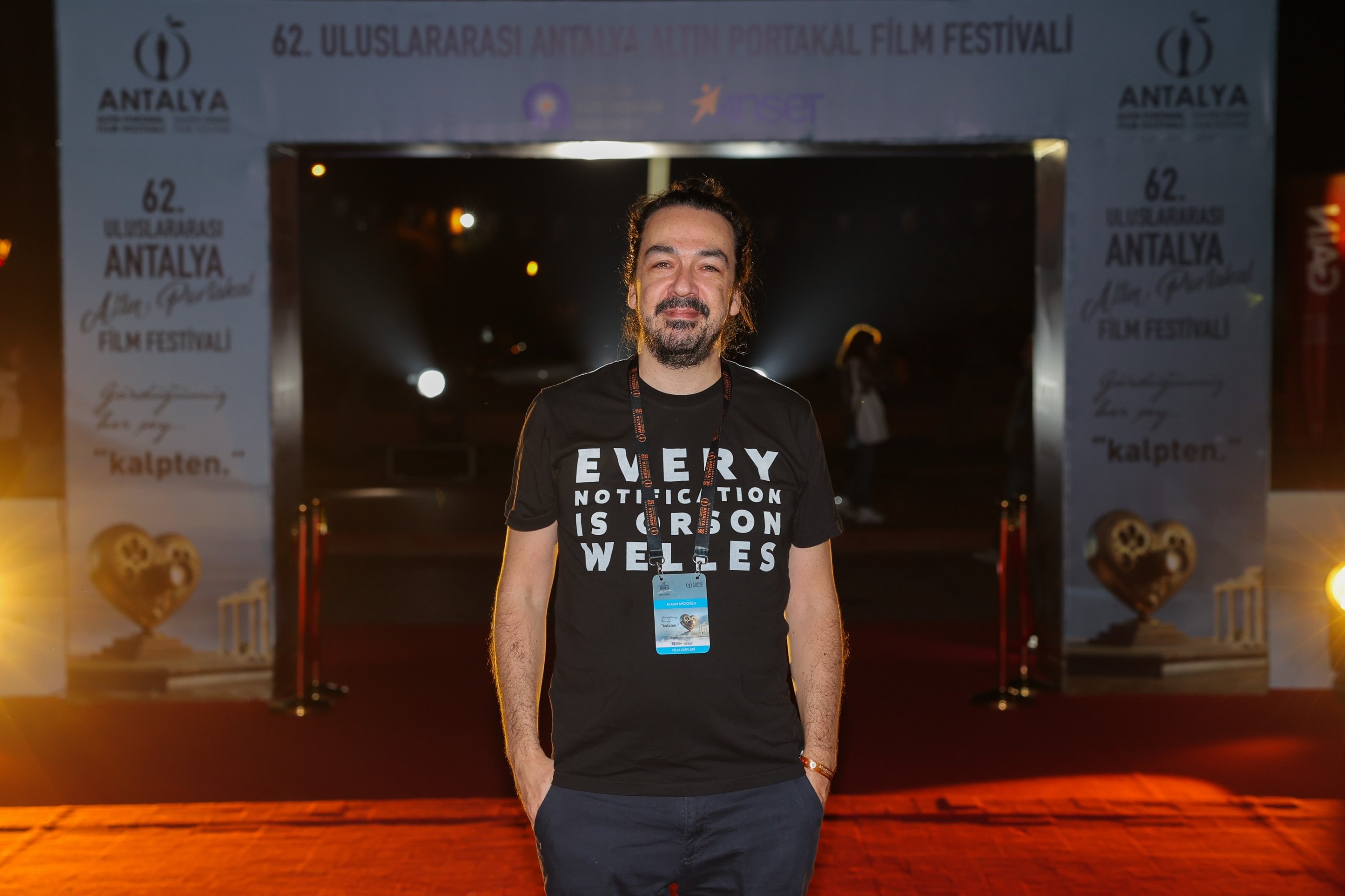
Avcıoğlu admitted that, like the rest of the world, he had been swept along by the overwhelming flow of information. “We live under an information bombardment,” he said. “The film itself acts as a mirror: it blurs the line between the real and the fake, while simultaneously immersing the audience in this overload. It doesn’t give viewers much time to pause and reflect.”
The filmmaker employed a wide array of AI tools in crafting "Post Truth," though he deliberately chose not to name them. “Some companies even offered me money to mention them in interviews. I can only say this: Compared to most AI artists, I use an excessive number of tools. My approach is eclectic. I don’t want to be tied to a single tool, nor do I want to be a slave to any of them. Each has its strengths; some are better for close-ups of faces, others for dynamic camera movements, others for distorted human forms. I’ve tried to exploit these advantages. I love the raw, imperfect quality of AI imagery because it reflects the exaggerated age we live in.”
Avcıoğlu approaches AI’s rapid development with a deliberately contrary philosophy. “Technology will inevitably produce more realistic images: so realistic that even I might not distinguish them from reality. But that realism will likely serve commercial cinema and advertising more than art. I believe that artistic language thrives in this broken, imperfect form. As Brian Eno once said, after a technology reaches perfection, we look back and turn its flawed period into a signature. Early computer games had primitive 8-bit sounds, now widely used in electronic music. Analog film produced grainy, snowy images; in post-production, we aim to replicate that aesthetic. I think AI, even if perfect in ten years, will offer its richest artistic potential in its current imperfect state.”
When asked about the film’s perspective, particularly its depiction of society caught in cycles of technological dependence, Avcıoğlu replied: "We are indeed dependent on technology, but the problem isn’t really with the devices or the companies behind them. It’s that we are mechanizing our own minds. If we can stop this mental mechanization, there is a way out of the cycle. The documentary doesn’t present this as an easy, short-term solution. Breaking free completely requires immense effort. In the long run, humanity might reach that point, but for now, we are likely to remain trapped in this cycle. The solution, in my view, lies in reclaiming our minds from mechanization."