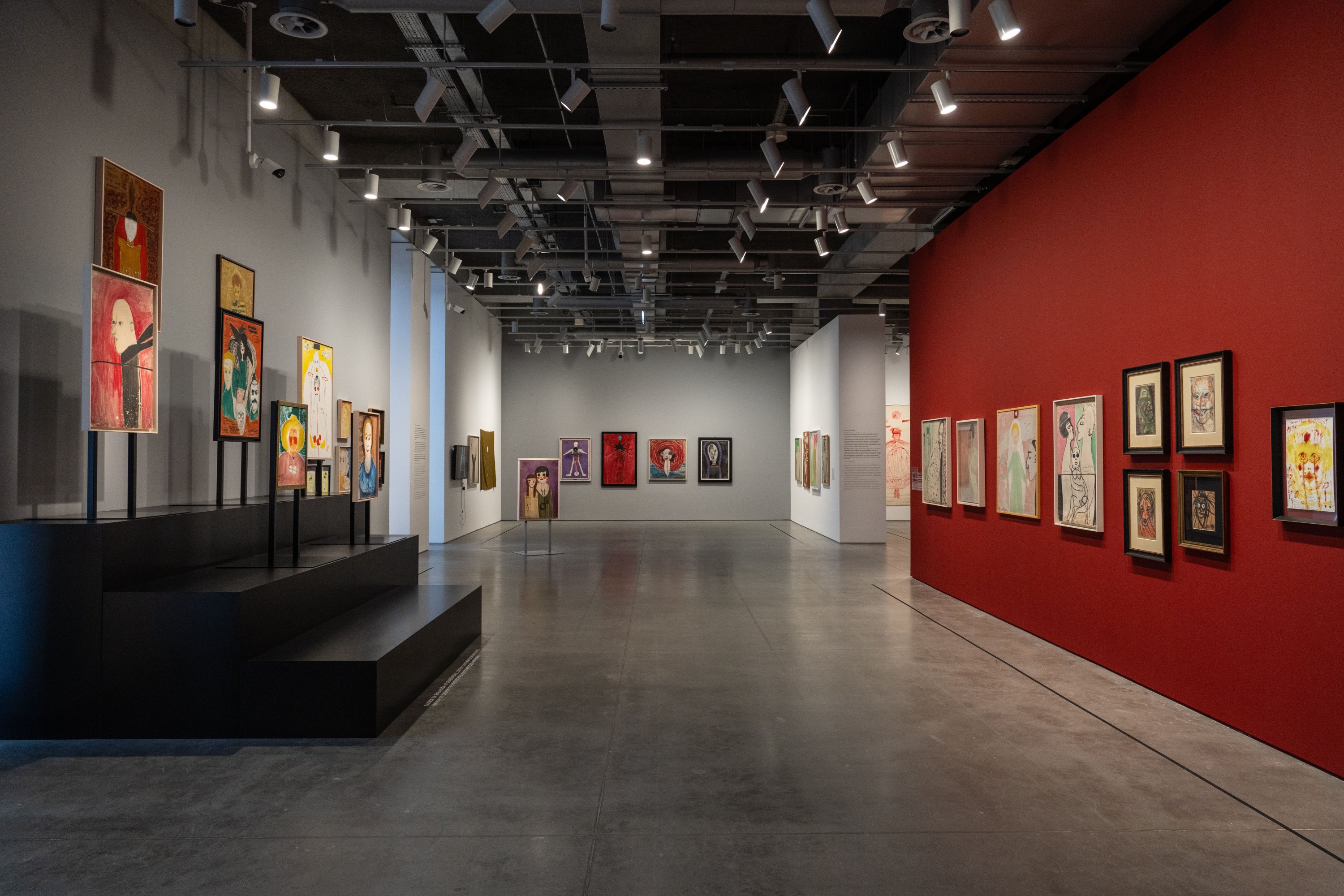
On Jan. 21, I visited “Semiha Berksoy: Aria of All Colors,” which has just opened at Istanbul Modern. From the moment one enters the exhibition, it becomes clear that this is not an attempt to explain Semiha Berksoy, nor to frame her neatly within art history. Instead, the exhibition allows her to exist exactly as she was: uncontained, emotional, excessive and profoundly free.
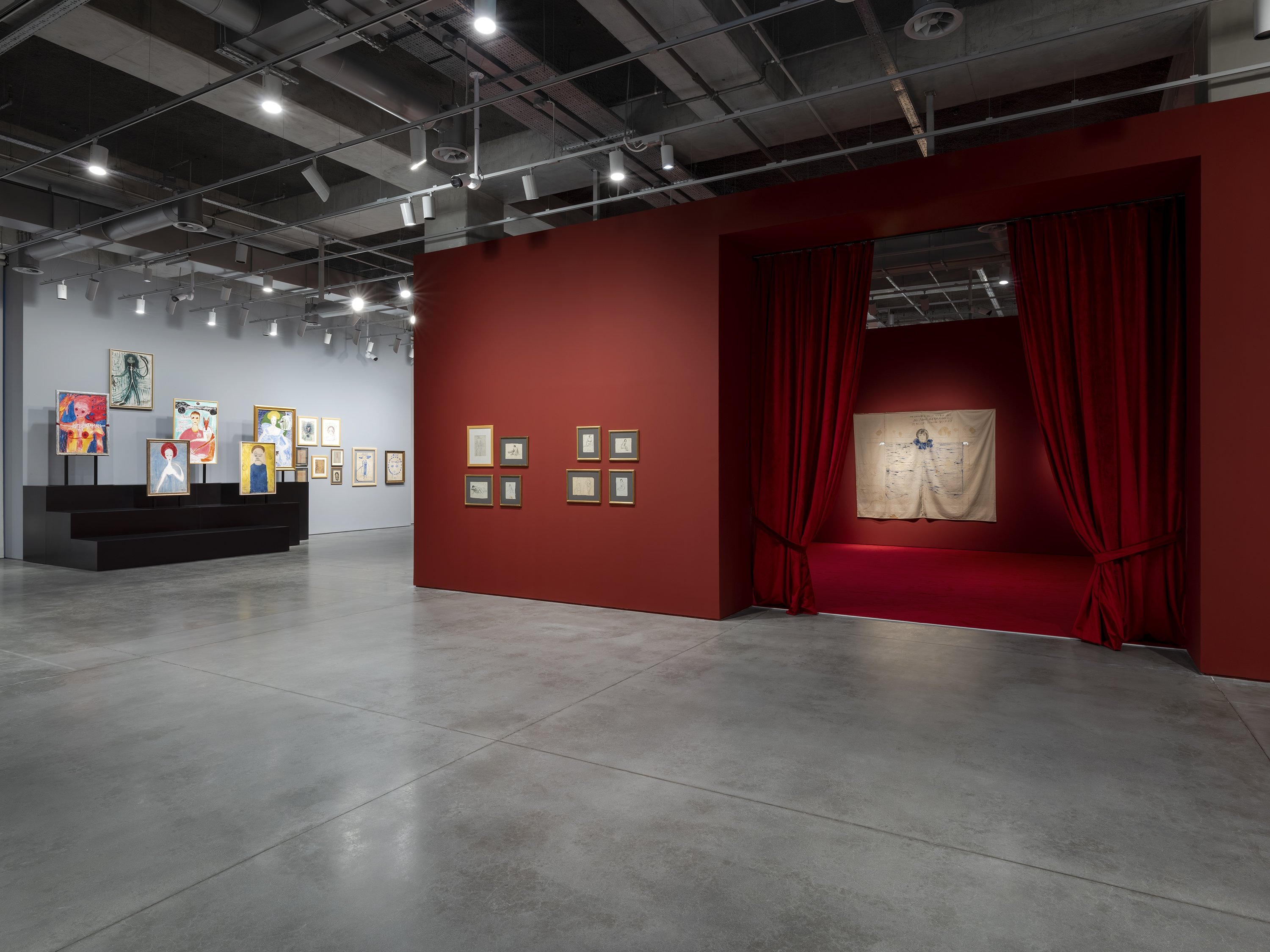
Berksoy occupies a singular place in Turkish cultural history. She was Türkiye’s first opera diva to perform on international stages, yet her legacy cannot be confined to music alone. She lived across disciplines - opera, painting, performance, writing - long before such hybridity was accepted or celebrated. For Berksoy, art was not a profession; it was a way of being.
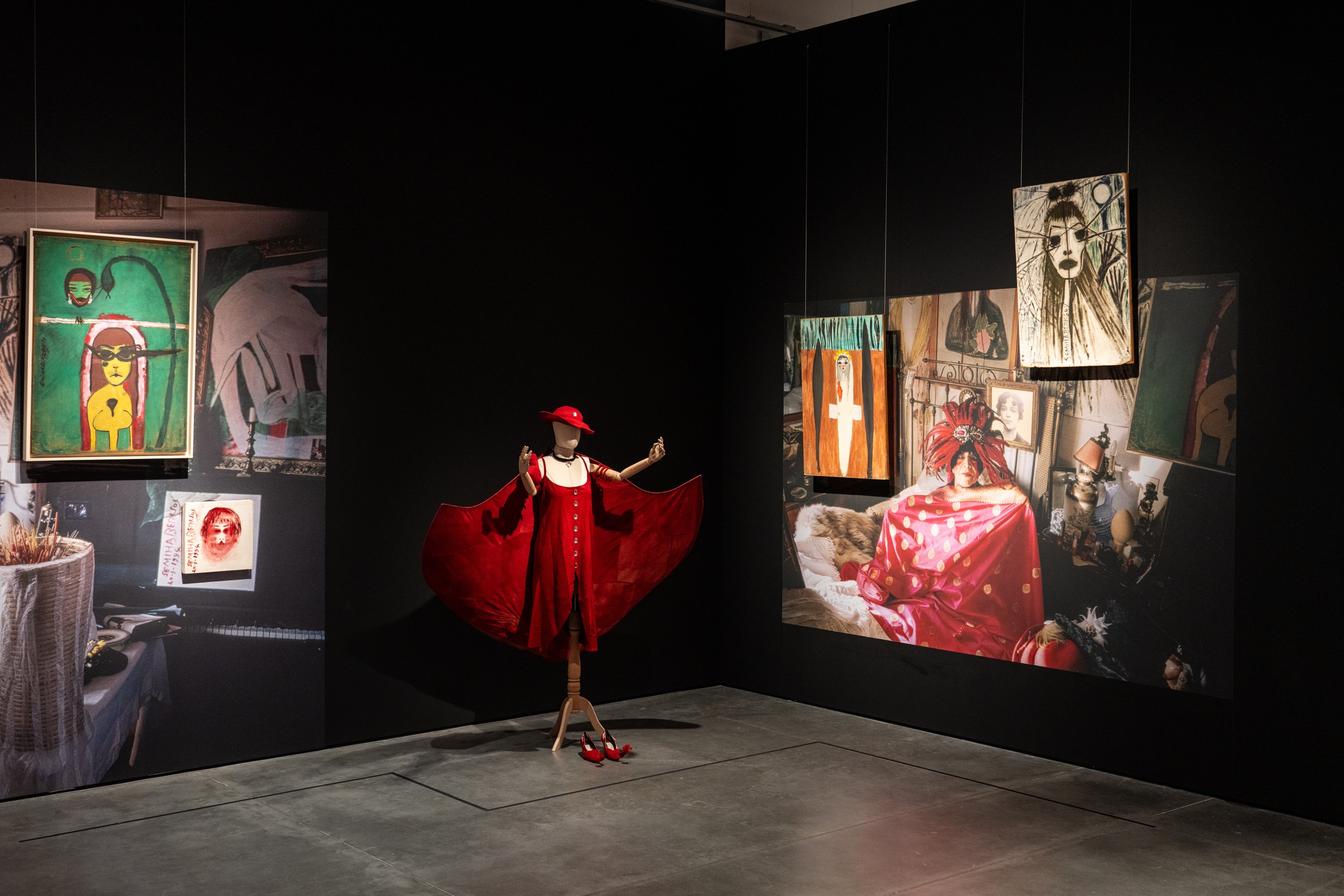
The exhibition unfolds almost like an opera itself, with acts rather than sections. There are drama, intimacy, repetition and crescendo. Her life and work are inseparable, and Istanbul Modern wisely embraces this by presenting her paintings not as isolated artworks, but as extensions of her inner world. Each room feels like a different emotional register: love, longing, loss, defiance, solitude.
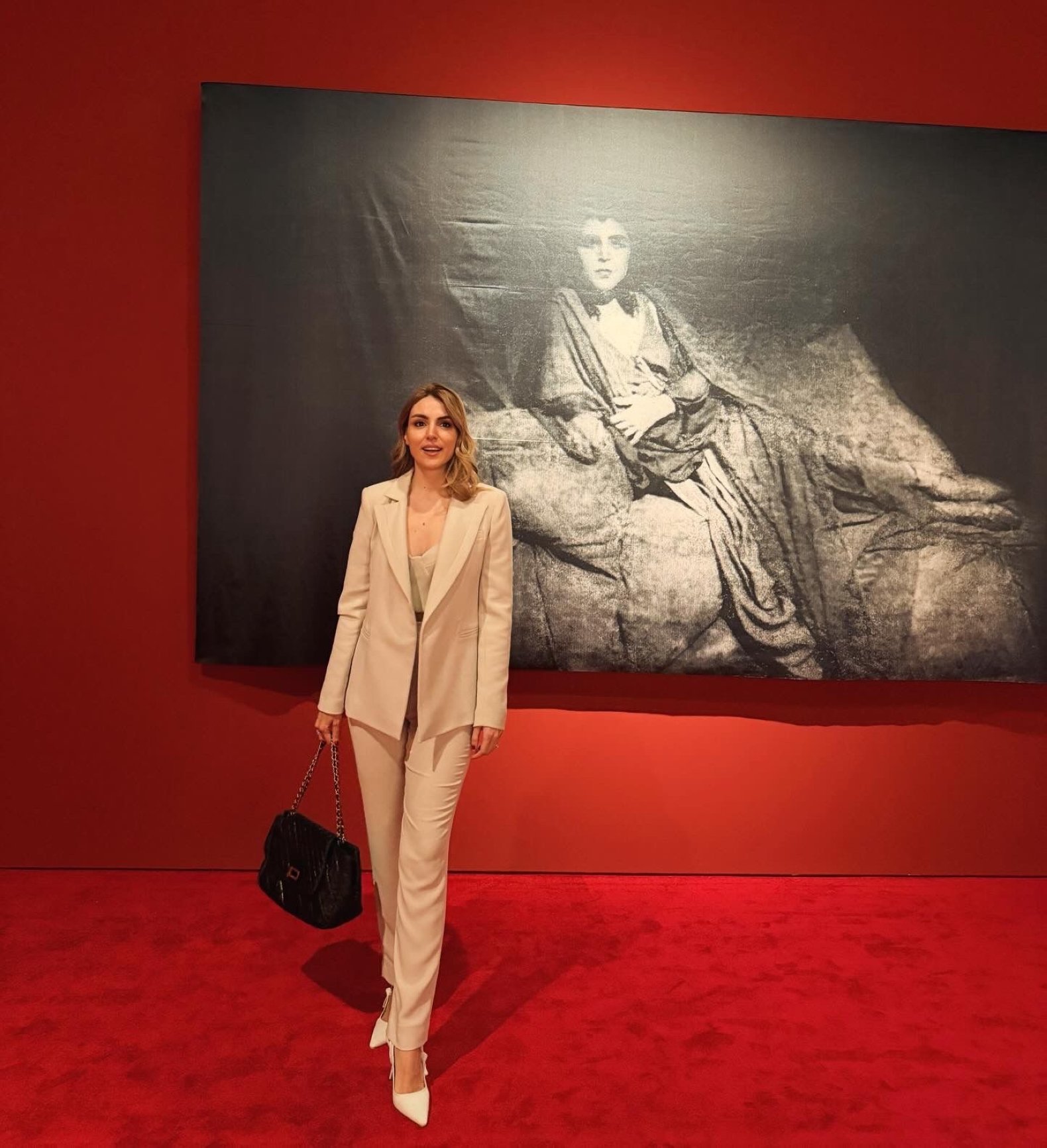
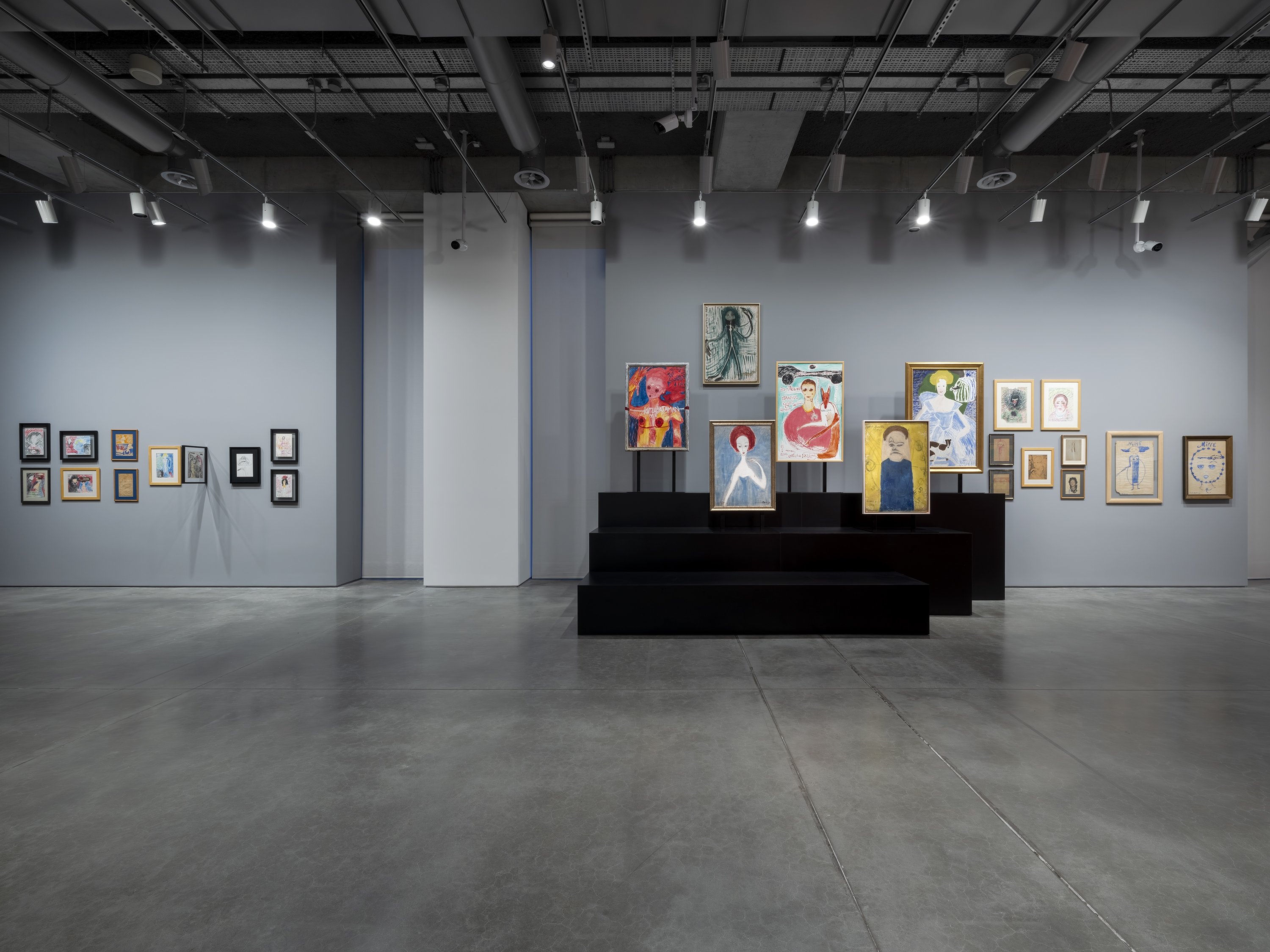
Her paintings are intensely autobiographical. Faces appear again and again; hers, her mother’s, her lovers’, her obsessions. Bodies are elongated, fragile, sometimes distorted, often floating in undefined spaces. Perspective is irrelevant; emotion is everything. These works do not aim for technical perfection, nor do they seek visual comfort. They demand emotional engagement.
Color plays a central role, not as decoration but as language. Reds feel feverish and urgent, blues carry mourning and distance, blacks feel confrontational rather than somber. Berksoy uses color the way a soprano uses voice, sometimes controlled, sometimes overwhelming, always expressive. One does not simply look at her paintings; one feels addressed by them.
What is striking is how unfiltered her expression is. Berksoy never softened her emotions for the viewer. Love appears obsessive, loss feels unbearable, solitude is exposed without shame. There is a rawness that feels almost uncomfortable at times, but that discomfort is precisely where her power lies. She allows herself to be seen fully, without protection.
This radical openness feels especially resonant today. In an era where personal expression is often curated, aestheticized and filtered, Berksoy’s work stands as a reminder of what authenticity truly looks like. Her vulnerability is not strategic; it is instinctive. She does not perform emotion, she inhabits it.
As a woman artist, her stance was quietly revolutionary. She refused to conform to expectations of femininity, elegance, or restraint. She embraced excess, intensity, and emotional visibility. At a time when women were expected to be contained, she chose to be expansive. Her work insists on presence; on taking up space emotionally, visually and historically.
Walking through the exhibition, one becomes aware of how contemporary her voice remains. Her questions - about identity, love, loneliness, freedom - have lost none of their urgency. She speaks directly to our moment, reminding us that originality is not a matter of novelty, but of truthfulness.
Leaving Istanbul Modern, I felt not only inspired, but recalibrated. "Aria of All Colors" is not simply a celebration of Berksoy’s legacy; it is an invitation. An invitation to listen to one’s own inner voice, to embrace emotional intensity, and to exist without dilution.
Semiha Berksoy does not belong quietly to the past.
She sings - still - into the present.