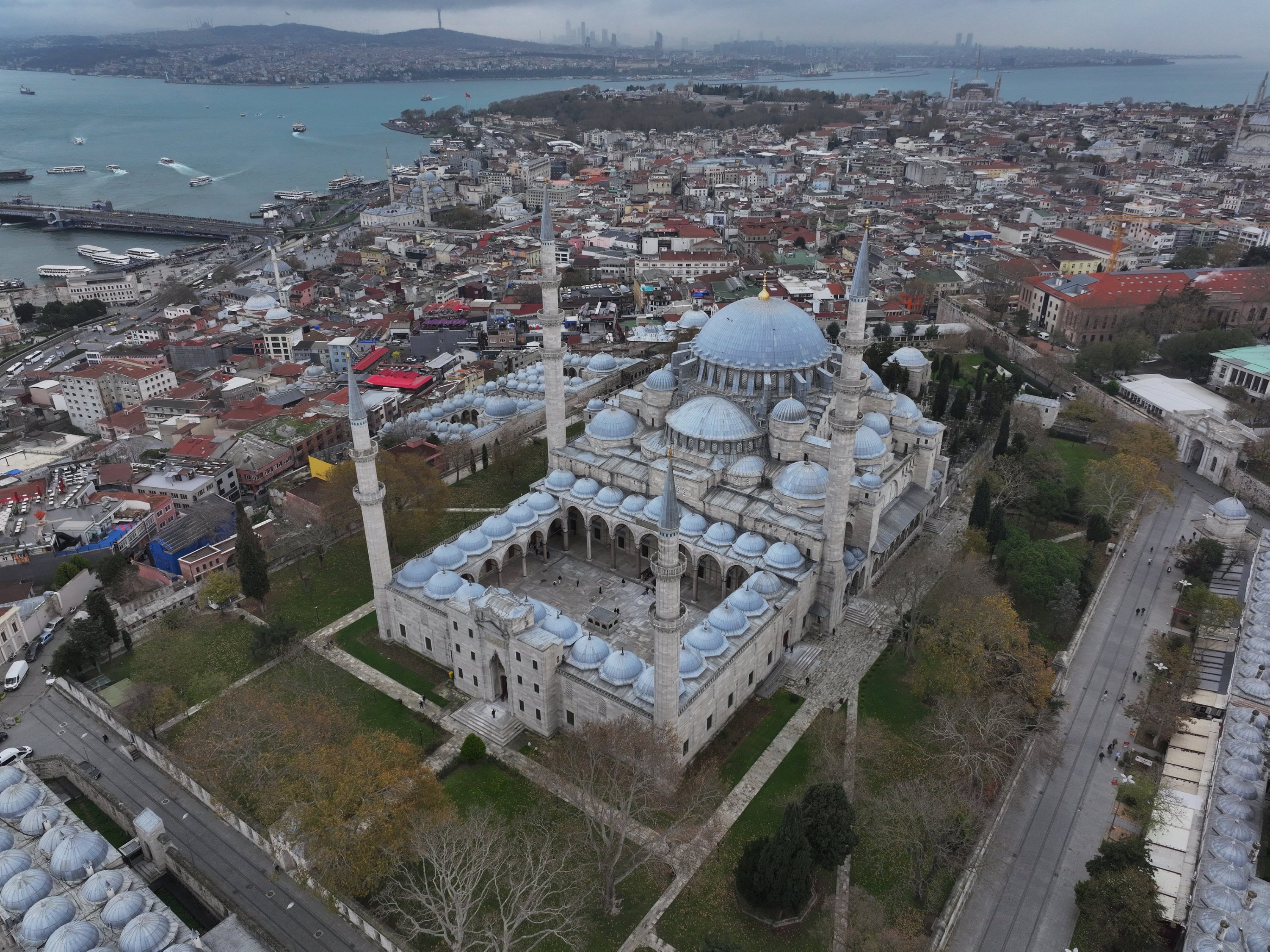
Experts say that the evolution of mosque architecture in Türkiye has been shaped over centuries by geography, aesthetic trends and the needs of each era. They emphasize that restoration efforts of historic mosques should follow the principles of Ottoman master architect Mimar Sinan.
Turkish mosque architecture reflects a rich historical accumulation, showcasing the political, cultural and aesthetic priorities of different periods. Today, restoration work plays a critical role in preserving this heritage, maintaining the original character of structures and correctly interpreting the architectural layers added over time.
Architectural historians note that understanding both the historical transformation of forms and the limits of “authenticity” in restoration is essential for appreciating mosque architecture.
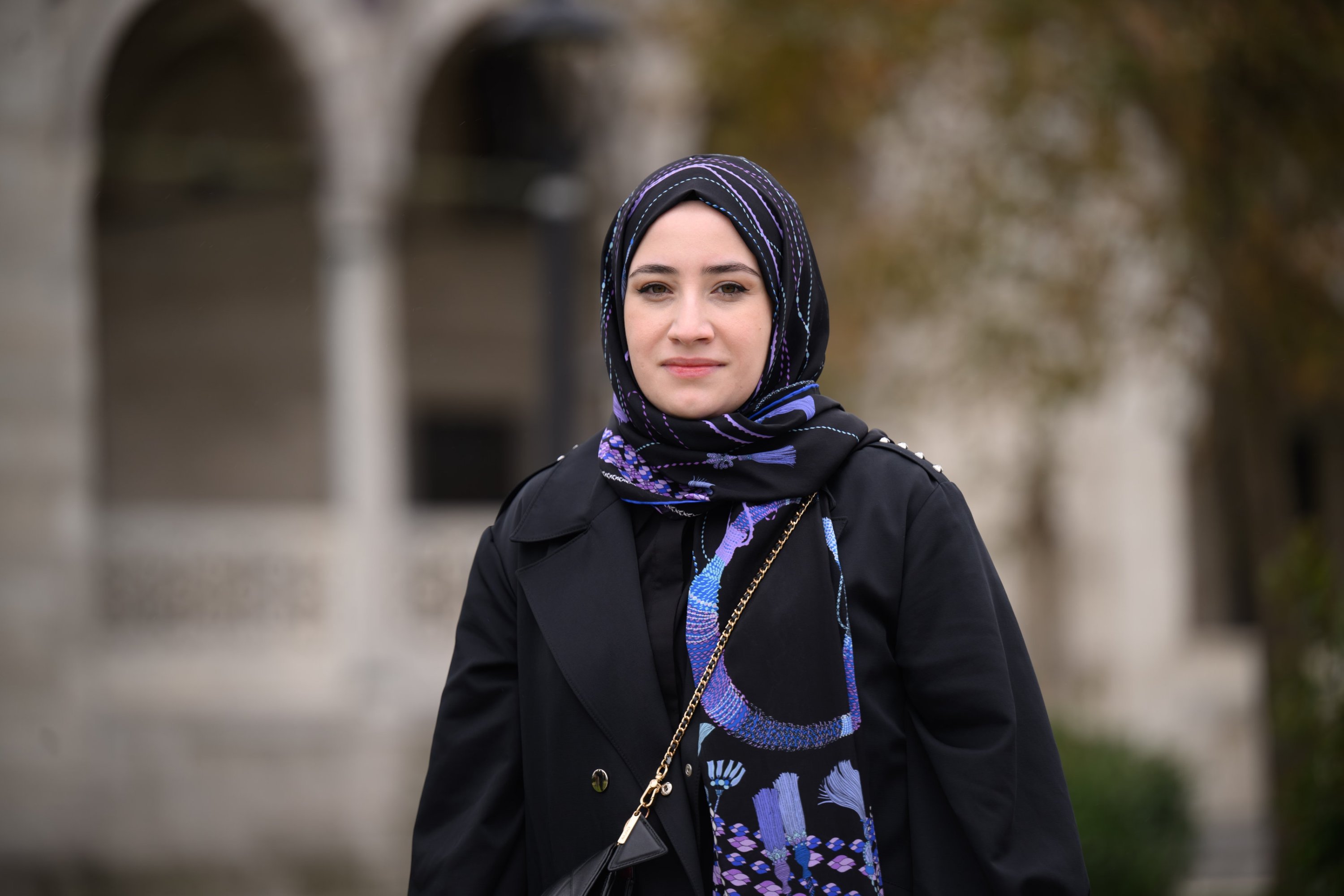
Hanife Bıyıklıoğlu Balgan, a senior architect, told Anadolu Agency (AA) that mosque architecture cannot be described as continuous. “Its development is shaped by the geography where the building is located, the materials available, political powers using architecture as a symbol, imposed limitations and aesthetic concerns,” she said. “Mosques are not just places of worship; they reflect the cultural and political codes of their time.”
Balgan explained that once the logic, structure and principles behind traditional forms are understood, more informed interpretations can be made. She noted that while some traditional forms are partially preserved today, others are superficially imitated or infused with symbolic elements. In contrast, some modern approaches reject tradition entirely, adopting a globalized mosque architecture.
Authenticity in restoration
Balgan highlighted that the concept of authenticity in restoring historic mosques is highly debated. “It varies from person to person. Is authenticity the building’s original form? Or does it include all layers added over its historical course? We cannot determine this definitively,” she said. “In my view, restoration should prioritize preserving both the building and its unique historical values for future generations. Each era has different priorities, which sometimes leads to structures gradually losing their original identity.”
She added that examining contemporaneous structures helps inform restoration practices. “I compare a building’s ‘spirit’ to its birth, considering the time, era and society in which it was created,” Balgan said.
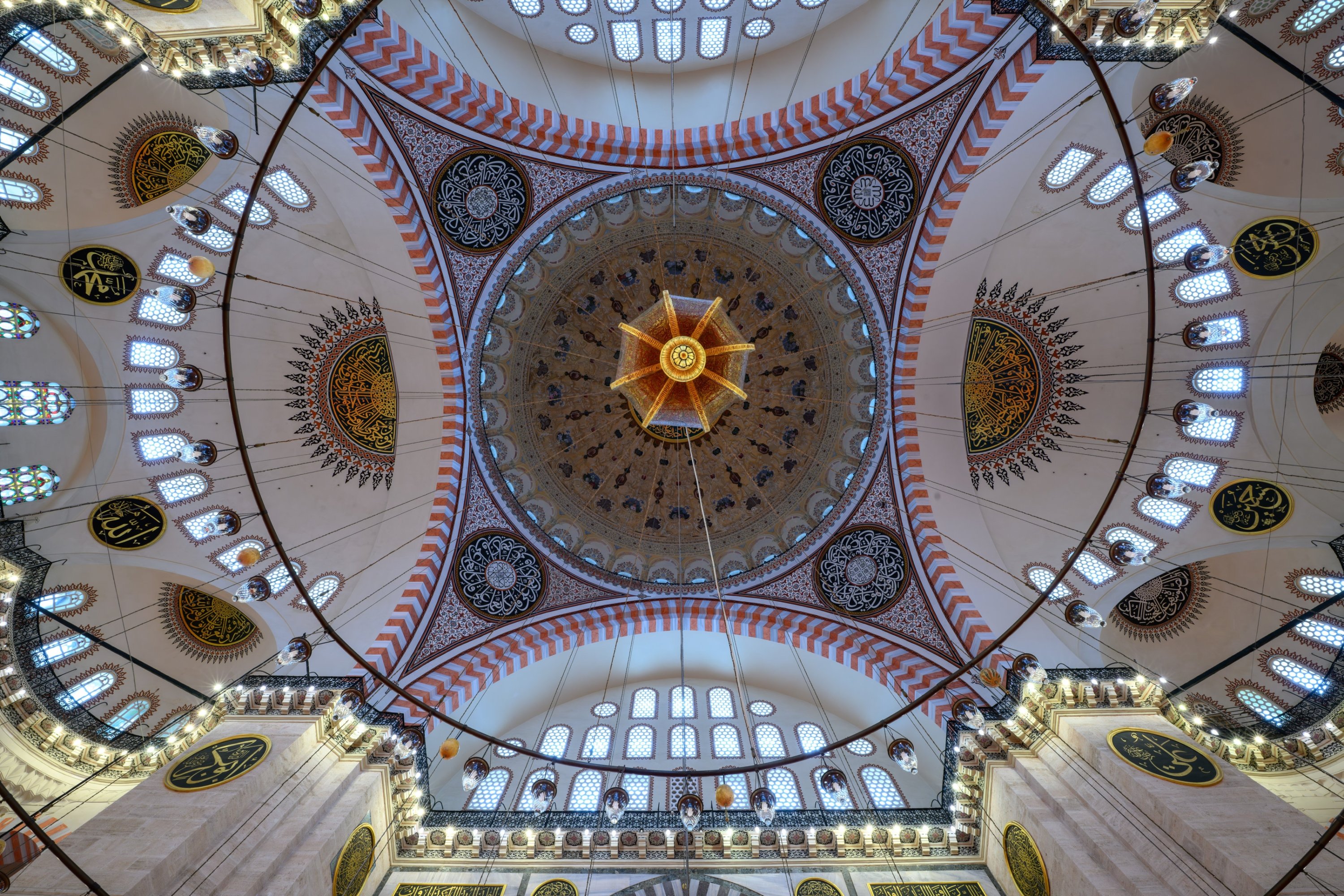
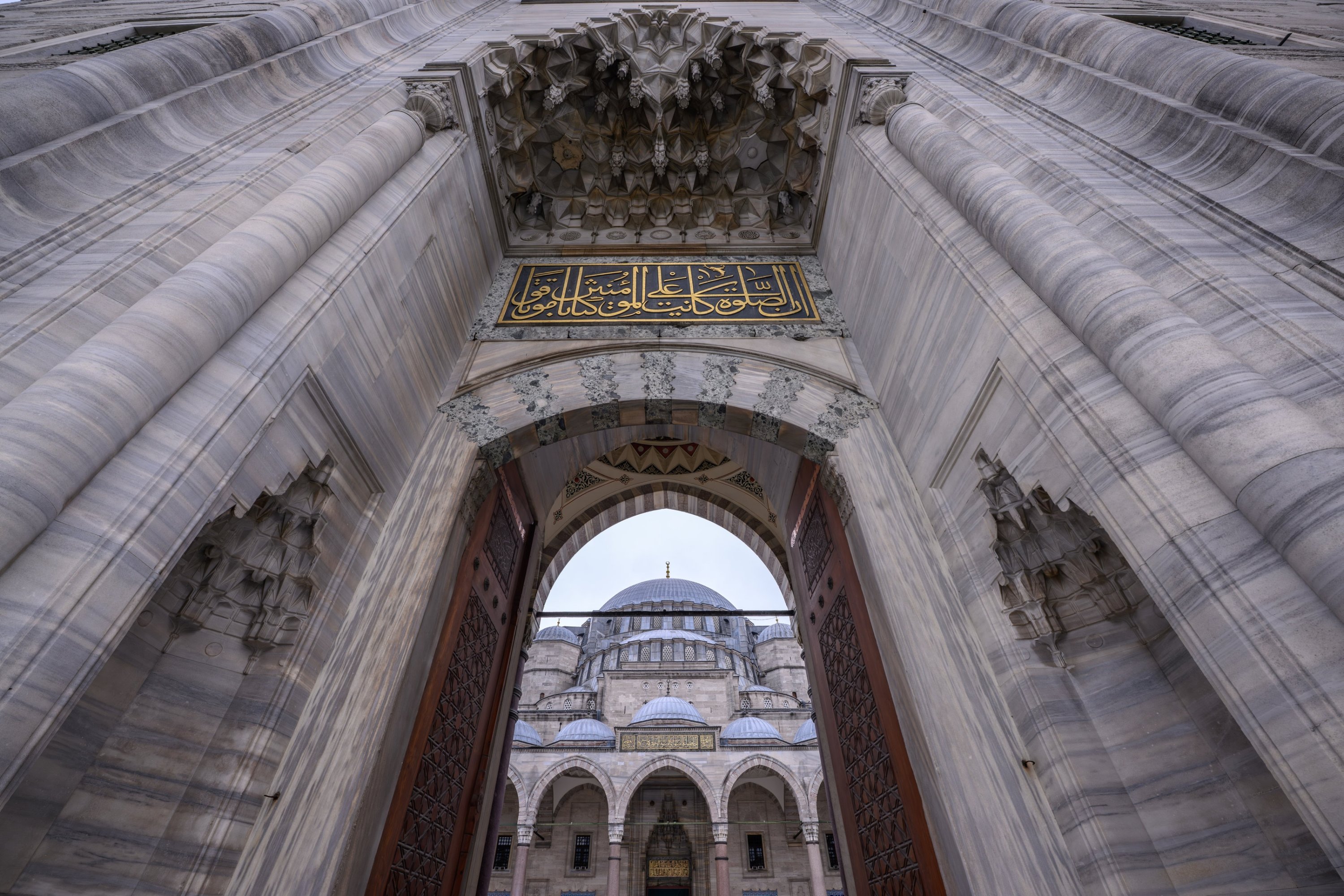
Balgan also discussed newly discovered drawings by French architect and traveler Charles Texier, which document not only the Süleymaniye Mosque but also Edirnekapı Mihrimah Sultan, Sultanahmet and Hagia Sophia mosques. She noted that all 108 of Texier’s plates are digitally accessible and highly accurate, emphasizing the deliberate prominence of structural systems over decorative programs in classical Ottoman mosques – the traditional forms developed under architects like Sinan.
“Decorative elements highlight the architectural form rather than overshadow it,” Balgan said. She noted that while the window designs of Süleymaniye’s main dome reflect Sinan’s period, the colors were altered in subsequent centuries. Texier’s 1830s drawings remain a valuable yet incomplete record requiring additional verification.
Texier’s drawings not only document historical forms but also guide modern restoration efforts, such as those at Selimiye Mosque. Balgan said that every restoration at world heritage sites like Edirne’s Selimiye Mosque elicits public concern. She attributed controversies to limited understanding of restoration principles, public resistance to visual change, and manipulative social media influence.
She detailed that Selimiye’s current decorative scheme dates to Nikola Kalfa’s 1883 repair, when baroque elements were added to the dome. “The contemporary decoration being revived today was originally criticized as a ‘black mark’ by the period’s leading architect, Tosyavizade Rıfat Osman,” she said. Despite criticism, these changes have remained part of the mosque for over 140 years.
Balgan emphasized growing public interest in cultural heritage and the importance of transparent restoration practices. “People start questioning every intervention. Transparency and public information can prevent many crises,” she said.
Art historian Altay Bayatlı of Trakya University highlighted that interventions to Selimiye’s central dome in the 19th century have distanced it from Sinan’s original aesthetic. “The current decoration does not reflect Sinan’s artistic signature,” he said.
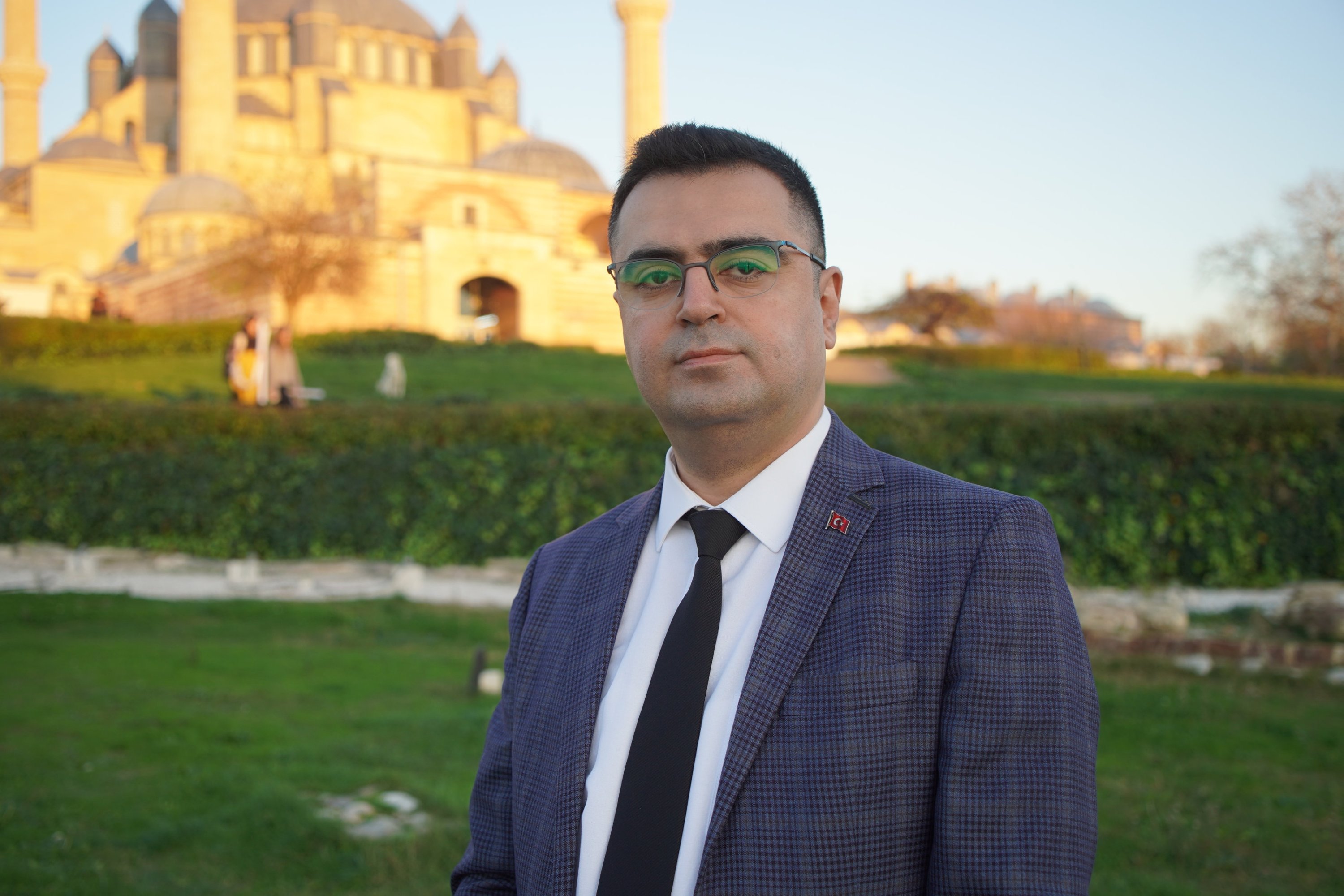
Bayatlı pointed to Texier’s recently uncovered drawings of the Süleymaniye dome as crucial visual evidence of Sinan’s original approach. “Previously, scholars inferred Sinan’s preference for restrained ornamentation through analogical comparisons. Texier’s drawings now provide direct visual proof of Sinan’s balanced, light-focused style,” he said.
He added that while Selimiye lacks pre-19th-century interior drawings, Texier’s work offers a reliable basis for understanding Sinan’s treatment of the central dome. “This document is a cultural key that allows us to reinterpret Sinan’s artistic language,” Bayatlı said.