With the invitation of the "Dünya Mirası Kastamonu Inisiyatifi (DMKI)" ("World Heritage Kastamonu Initiative"), I had the chance to explore Kastamonu – a city that often escapes the spotlight of Türkiye’s cultural tourism yet unfolds as a hidden treasure. From its food and the warmth of its people to its deep history, Kastamonu feels like a place waiting to be rediscovered. In this article, however, I will focus on the city’s lesser-known cultural heritage, which deserves much greater recognition.
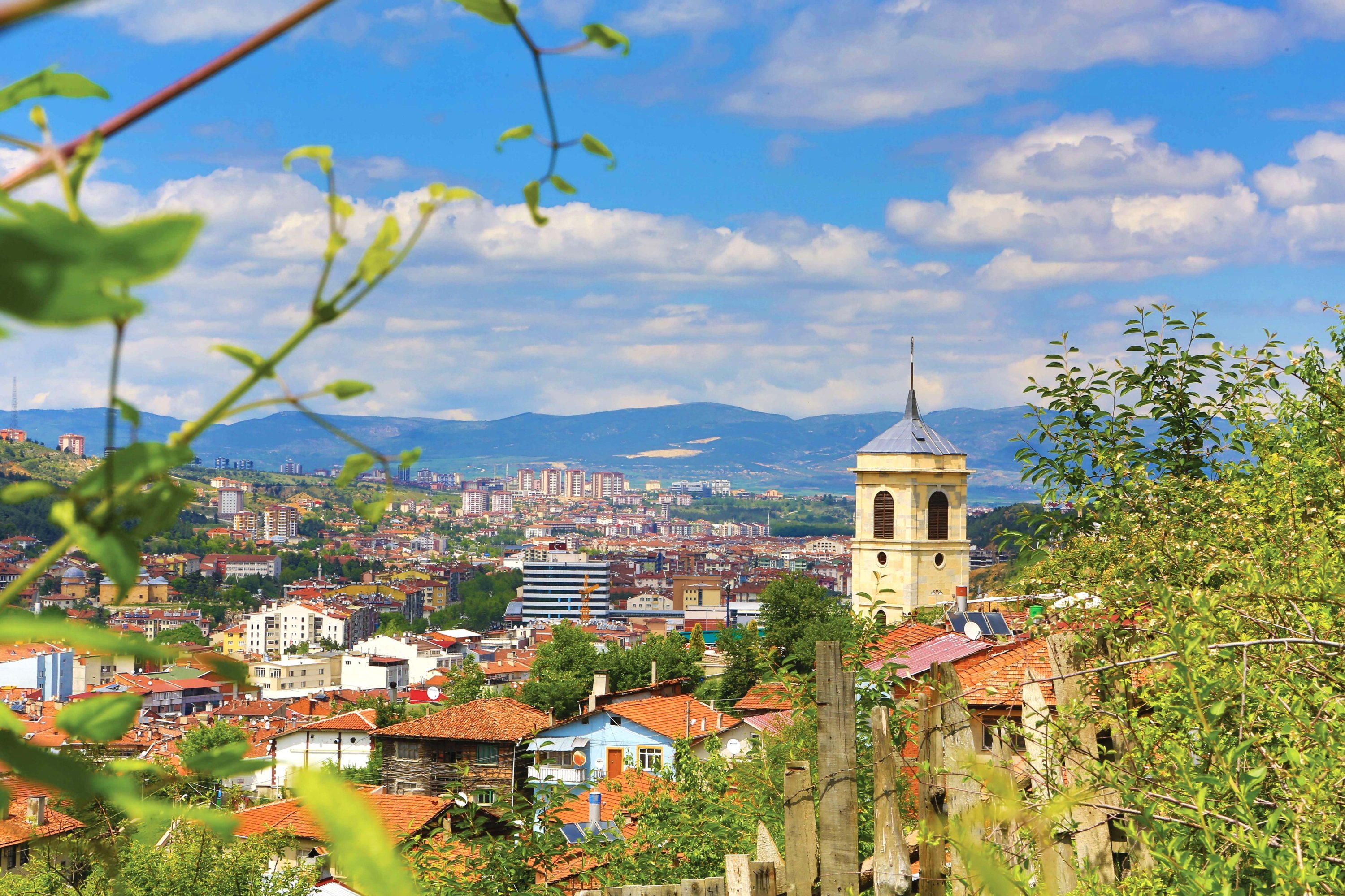
Kastamonu is frequently overshadowed by better-known destinations such as Istanbul and Cappadocia in terms of cultural tourism in Türkiye. The city’s remote location in northern Anatolia, combined with limited infrastructure and marketing, contributes to its relative obscurity. However, Kastamonu’s hidden status has allowed it to retain its authentic past in ways that other tourist destinations have not. Increasing awareness through focused cultural marketing, improving visitor amenities and promoting local community involvement could help Kastamonu become a must-see destination while also ensuring that its ancient assets are properly protected and funded.
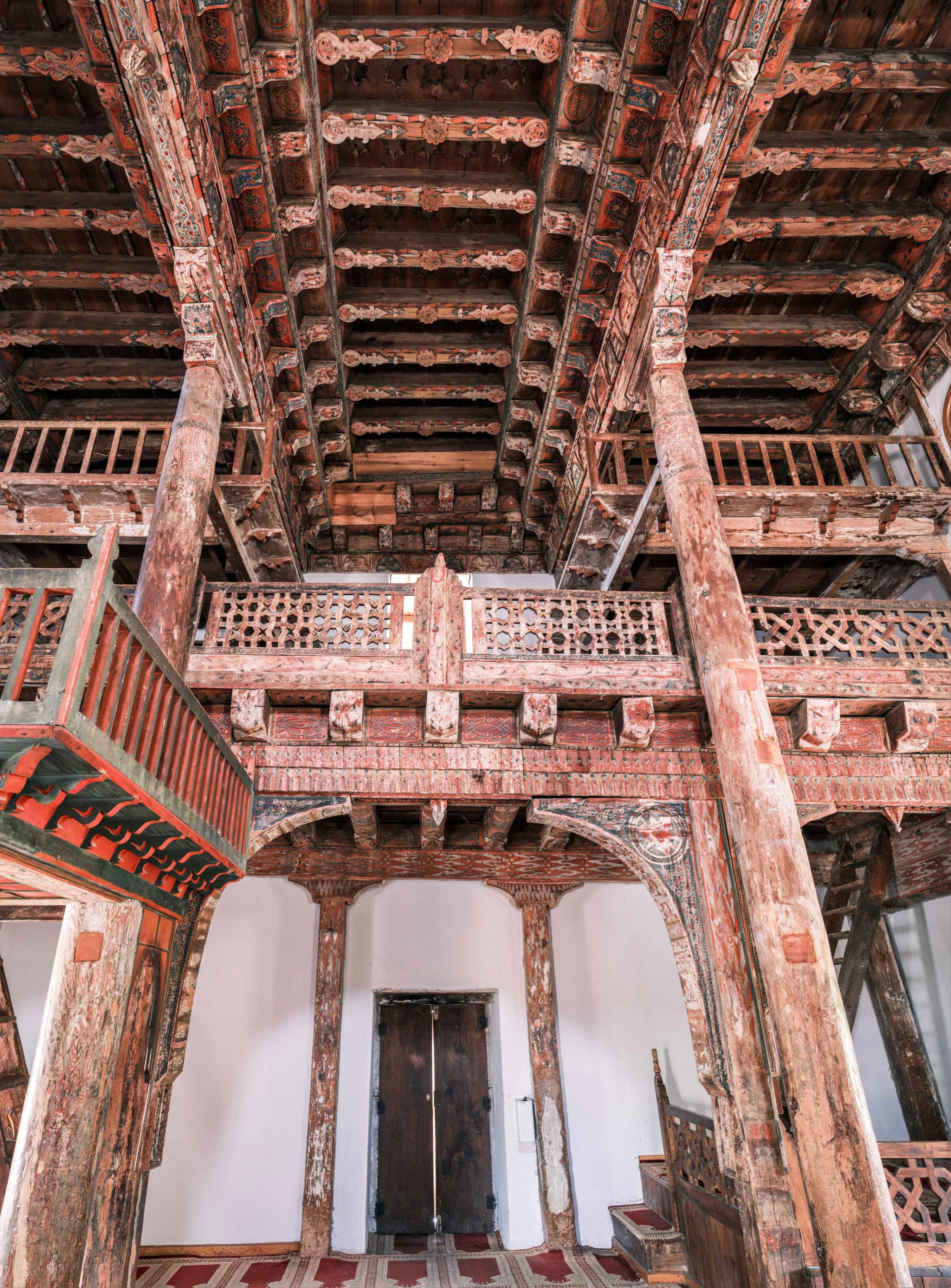
The journey began in Kasaba Village, home to the Mahmut Bey Mosque, famously known as the “mosque without nails.” Constructed in 1366 during the Candar Dynasty period, the mosque defies expectations. Nestled within the forest, its exterior offers little hint of the intricate artistry inside. The interior, entirely wooden, showcases hand-painted decorations in earthy reds, yellows and browns, while the marble inscriptions and carved entrance reflect meticulous craftsmanship.
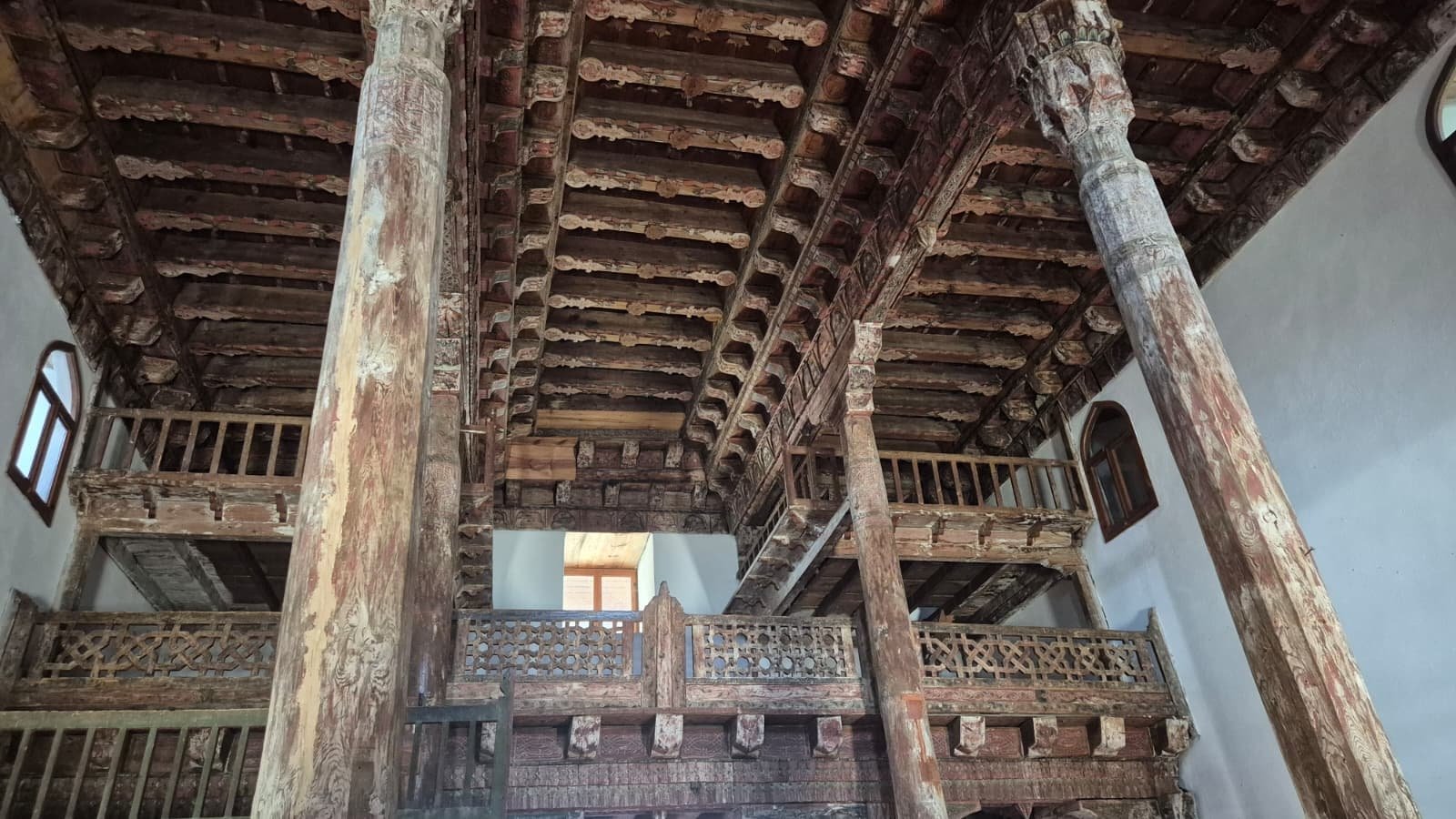
Walking inside, I was struck by how the mosque seemed to glow, even from afar, as though its presence was meant to be both seen and felt. Recognized by UNESCO as part of the “Wooden Hypostyle Mosques of Medieval Anatolia,” Mahmut Bey Mosque represents a singular cultural achievement where material, technique and spirituality harmonize seamlessly.
From Kasaba, the journey continued to Daday, a serene Cittaslow town known for its Ottoman heritage and equestrian traditions. The Mimar Vedat Tek Culture and Art Center, inaugurated in 2008, adds an unexpected layer of cultural richness. Named after Vedat Tek, one of the pioneers of Turkish national architecture and the architect of the Kastamonu Governor’s Office, the center hosts diverse collections: the 75th Year Republic Museum, the Hat and Lace Museum (the first of its kind in Türkiye), the Atatürk Exhibition Hall, a Doll House and an Art Gallery.
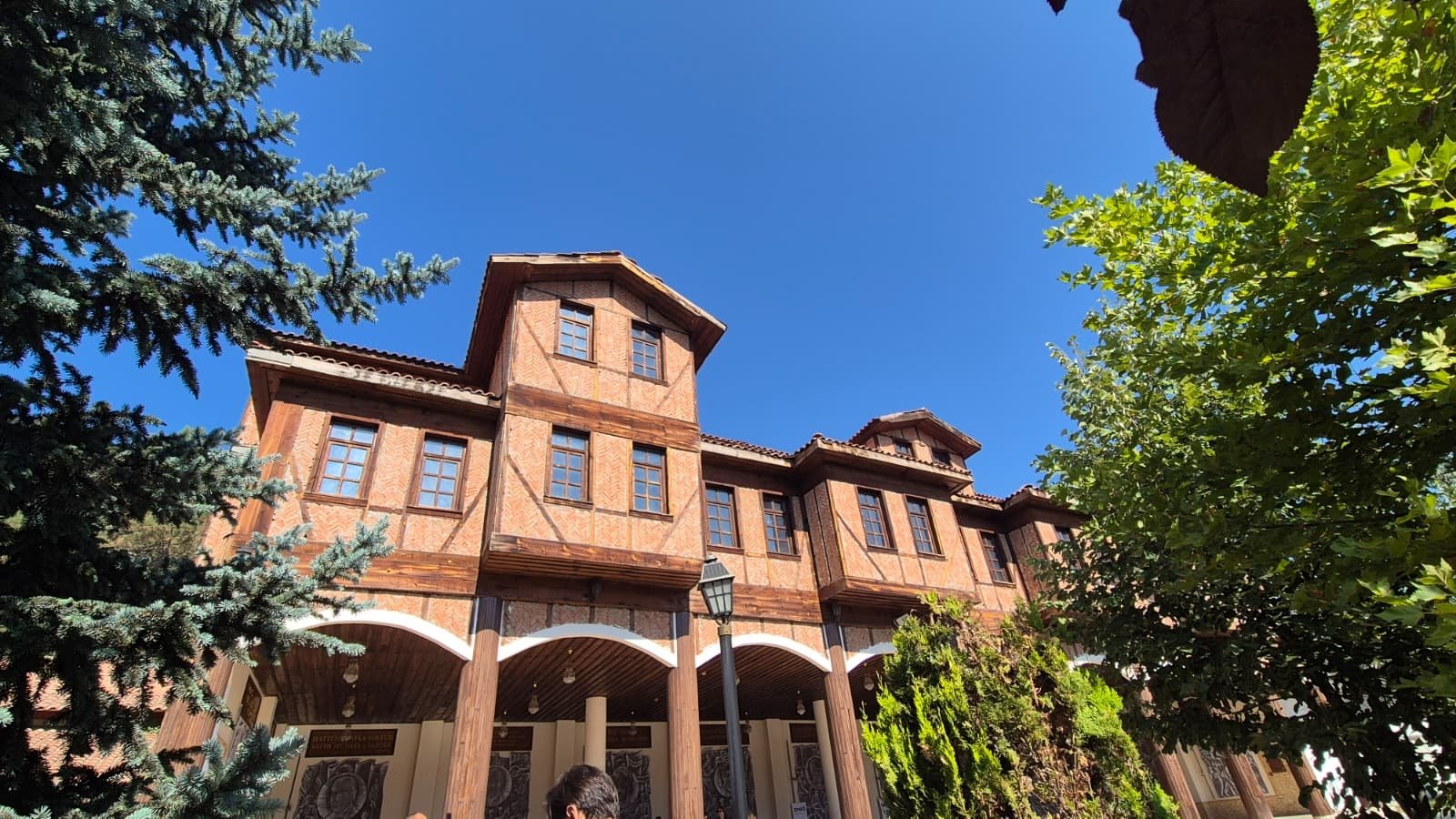
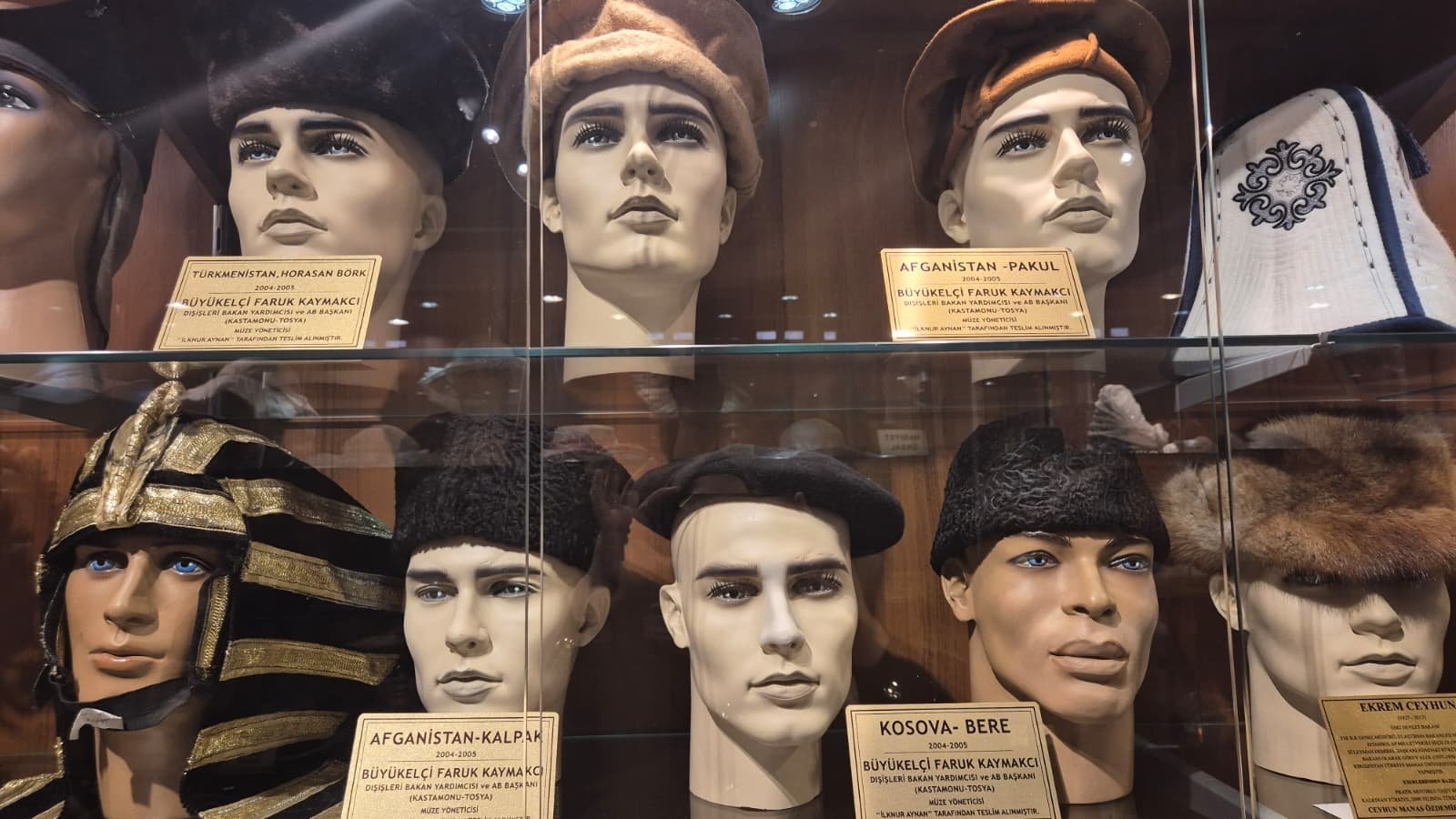
The Hat Museum, in particular, fascinates with pieces donated by actors, politicians, soldiers and ordinary citizens, creating a mosaic of personal and collective histories. The Atatürk Hall stands out with documents and photographs of his 1925 Kastamonu visit, where he launched the Hat Reform, highlighting the city’s role in the early Republican era. Together, these collections underscore Kastamonu’s deep connection to both tradition and modern identity.
While Daday’s museums capture the personal and artistic expressions of Kastamonu’s past, the Kastamonu City Museum offers a broader glimpse into the daily lives, trades and traditions that have shaped the city over centuries. Housed in a building constructed in the 1830s - originally serving as the Commandership Headquarters for the Aged Soldiers Battalion - the three-floor museum displays natural history, ethnography and local celebrity exhibits.
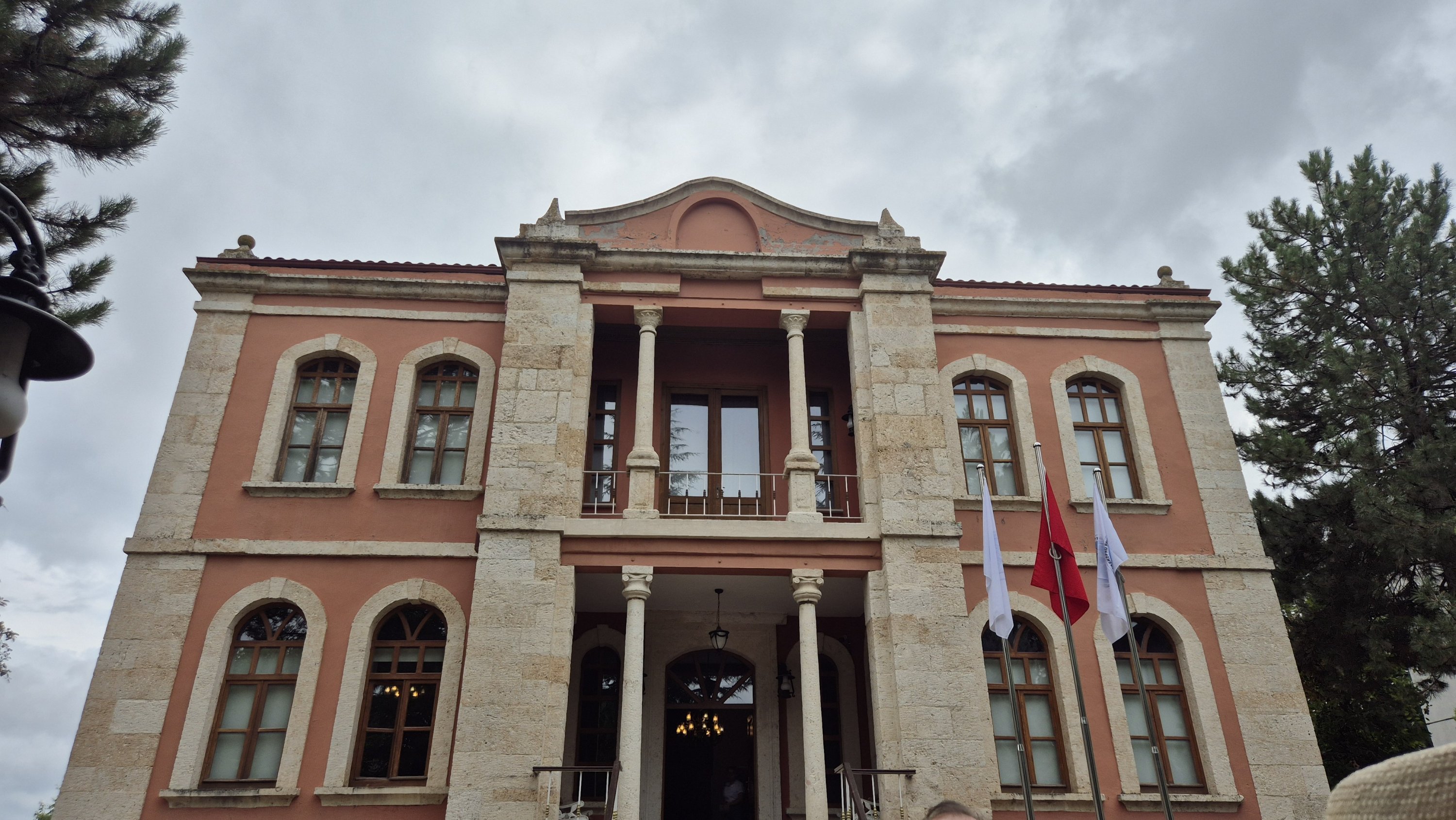
It reflects not only the city’s architectural endurance but also its role as a custodian of memory, linking past lives and trades to the present.
Yet it is in Taşköprü where Kastamonu’s historical depth reaches its peak – at the Pompeiopolis Ancient City. Founded by the legendary Roman general Pompeius Magnus after his victory over King Mithridates VI in 66 B.C., the city was one of seven established in the inland Black Sea region. Among them, Pompeiopolis rose as the most significant, strategically positioned along military and trade routes shaped by the Amnias River (today’s Gökırmak).
In the second and third centuries A.D., it served as the metropolis of Paphlagonia, later becoming an episcopal center after the Council of Nicaea (325 A.D.) and a suffragan bishopric after the Council of Constantinople (533 A.D.). Though devastated during the Persian wars of the seventh century, its remains still reveal the grandeur of its past.
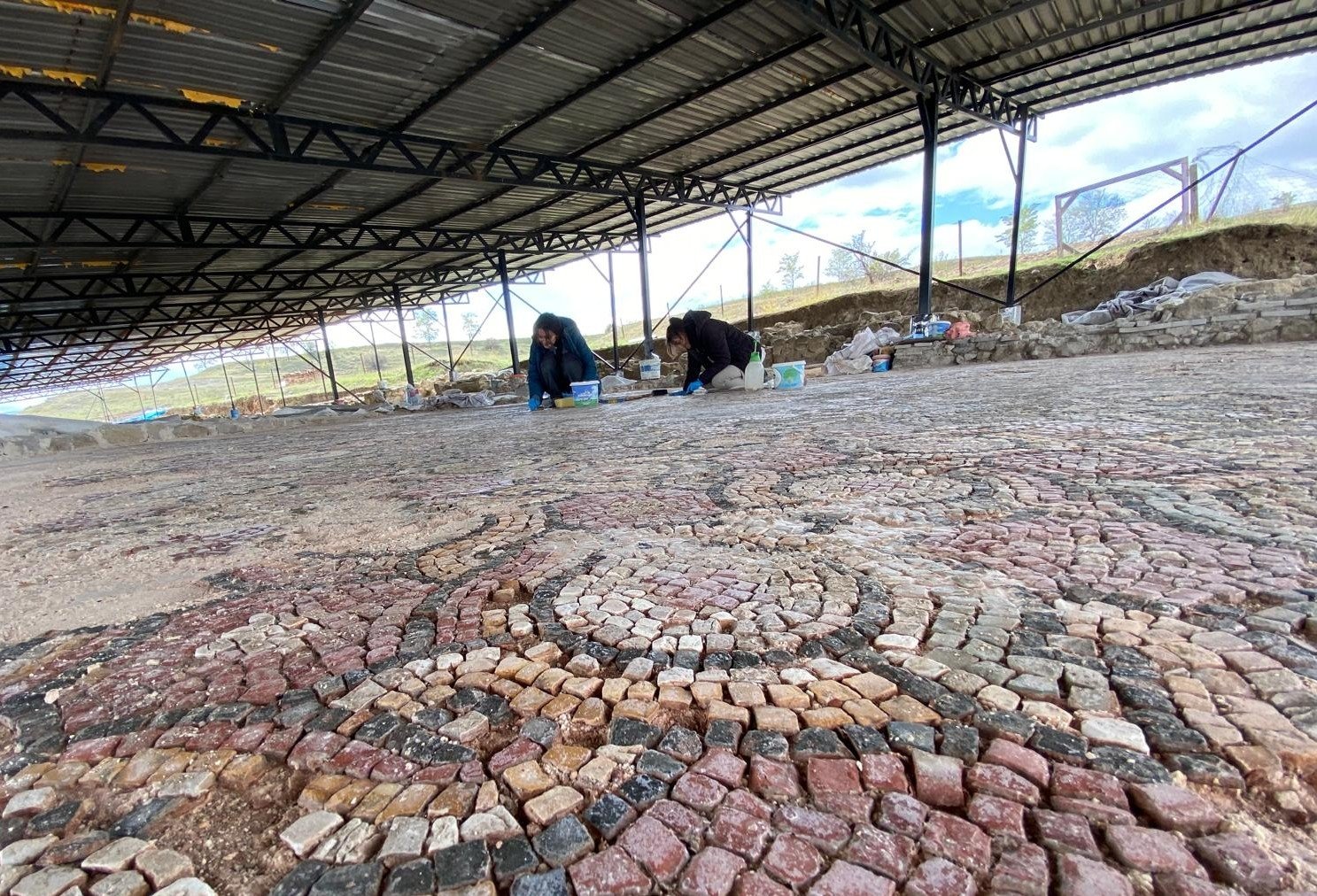
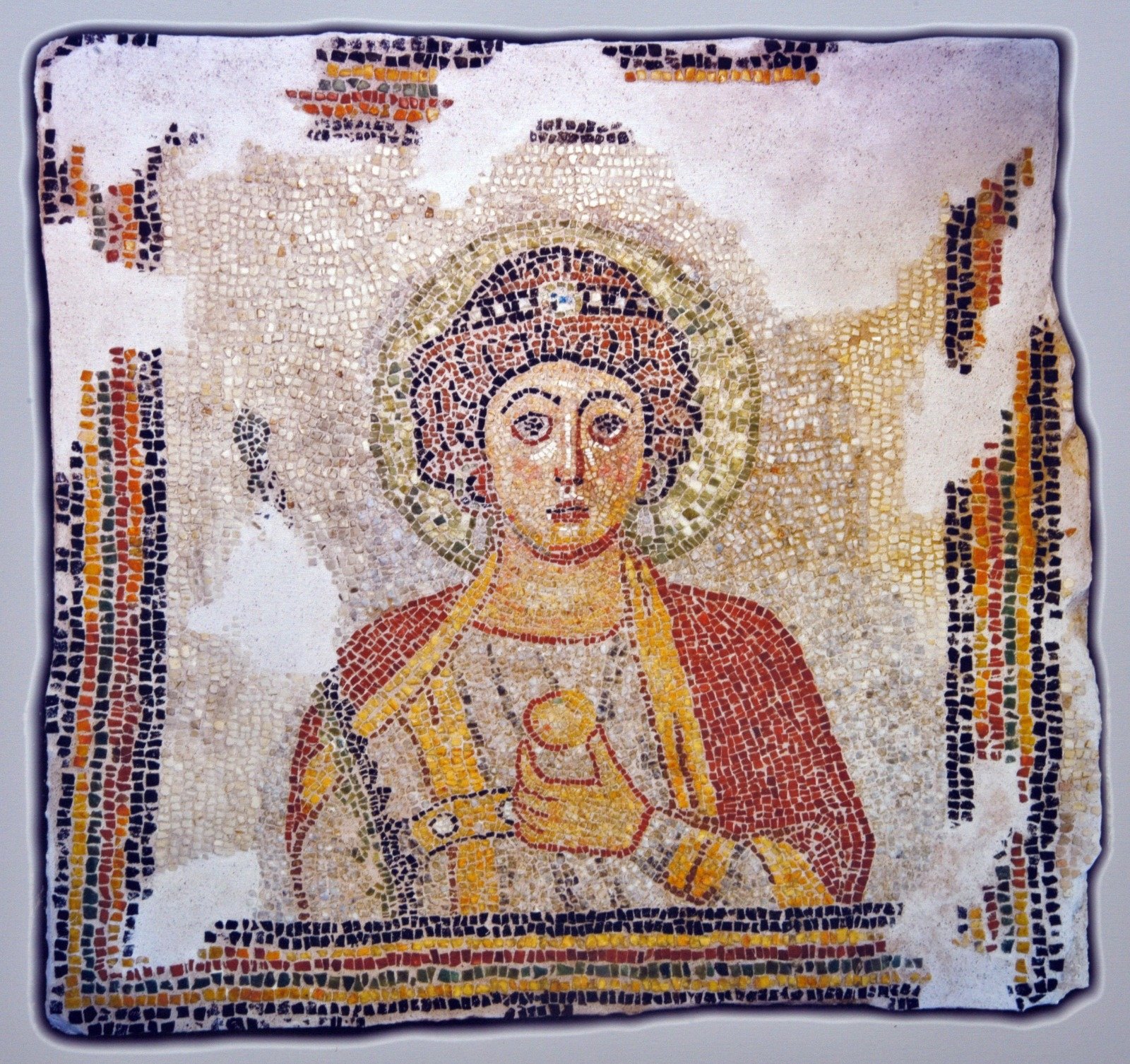
Excavations, carried out in collaboration with Turkish and international experts, have brought to light remarkable finds: intricate mosaics such as the swastika meander and the goddess – Saint Mosaic, the remains of a basilica, an odeon, Roman villas, and even a sundial.
Guided personally by Mevlüt Eliüşük, the excavation director, I was struck by his detailed explanation of how festivals, music, theater and sports once defined the city’s civic life – a cultural heartbeat that resonates through the ruins even today. Eliüşük emphasized the urgency of financial support: protecting Pompeiopolis is not only an academic task but a responsibility to future generations. Without adequate resources, these treasures risk further decay and centuries of cultural memory could be lost.
What impressed me most about this journey was not only the richness of Kastamonu's cultural past but also how little it is known beyond its borders. Standing before a brilliant wooden mosque in the forest, wandering among Roman mosaics in Taşköprü, or entering a museum filled with hats once worn by actors and politicians, I felt the city unfurl like a secret. Kastamonu is a hidden cultural treasure whose significance deserves recognition far beyond Türkiye's Black Sea region.