In terms of its exhibition calendar, 2025 in Istanbul is not only a busy year, but also a thematically intriguing one. The city's museums, historic buildings and contemporary art venues have invited art lovers to reflect with powerful exhibitions centered around themes such as memory, testimony, identity, migration and aesthetic heritage. The exhibitions that stood out this year took their place in Istanbul's cultural and artistic memory as exhibitions that were not only viewed but also read and discussed.
The exhibition “Taste and Art: Delicious Paintings” at the Iş Bank Museum of Painting and Sculpture presented a unique selection that established the relationship between art and everyday life through the senses. Reminding us that food is not just a necessity but also a cultural narrative and an aesthetic issue, the exhibition addressed the concepts of taste, table and ritual in painting from a historical perspective.
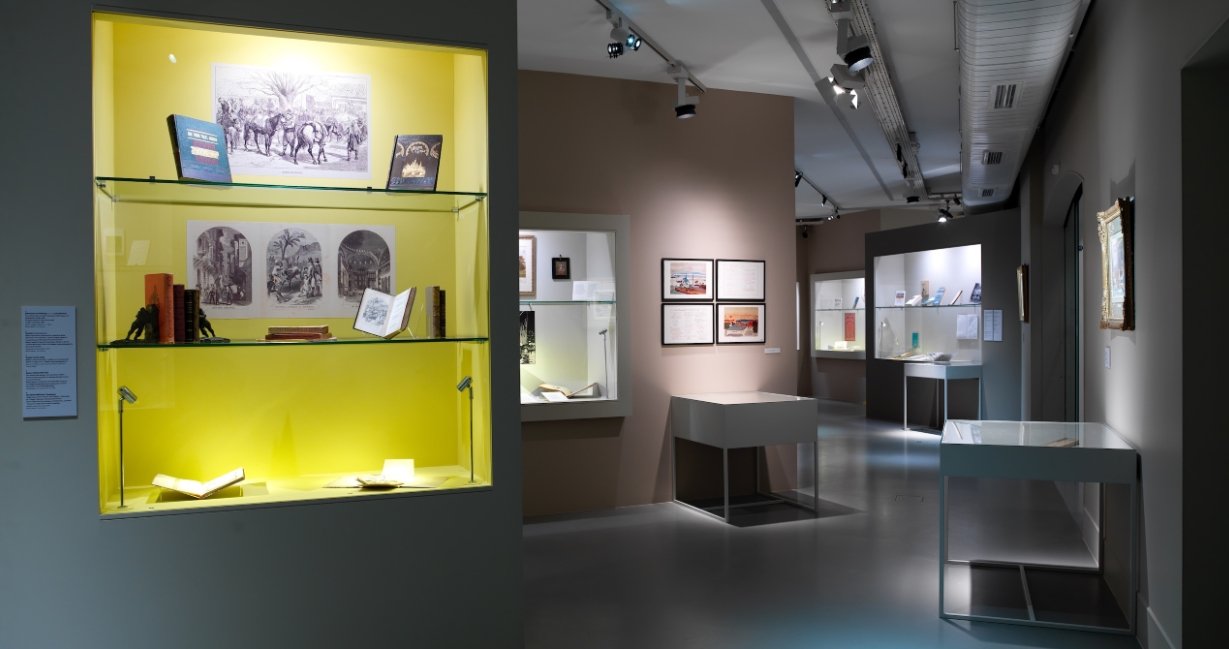
The exhibition “The Story Unfolds in Istanbul” at Meşher transformed the city from a backdrop into a direct narrator. The language of the exhibition, built through literature, visual culture and personal memories, made Istanbul's multilayered structure visible through texts, documents and images.
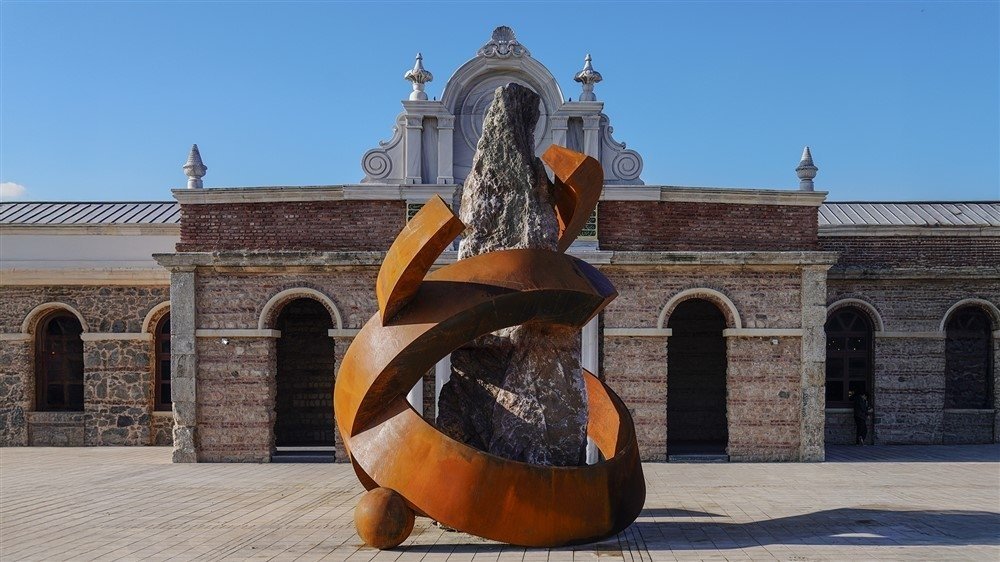
This year, the Yeditepe Biennial has left with two powerful themes: "Where There is Shadow, There must be Light" and “Behind the Shadows: Palestine.” The exhibition focused particularly on Palestine and showcased an aesthetic yet conscientious stance that centered on the power of contemporary art to bear witness. The Biennial transformed Istanbul's historical places into active narrative elements by bringing together traditional art forms and contemporary modes of expression.
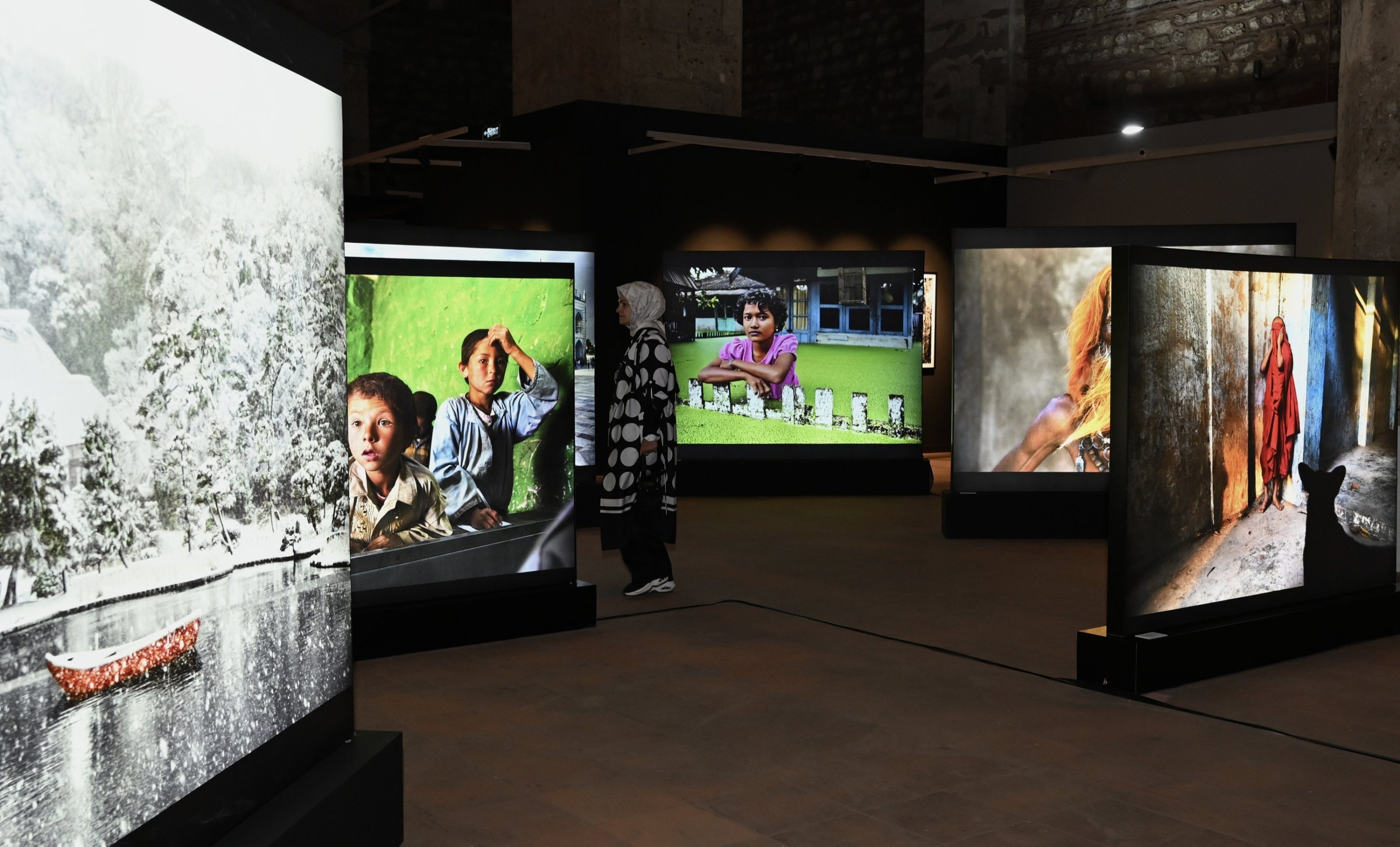
Steve McCurry's exhibition, “The Haunted Eye,” which met viewers at Tophane-i Amire, reminded us of the universal language of photography. Bringing together portraits from different geographies, the exhibition focused on human stories through the concept of gaze and emphasized that photography is not only a document but also a powerful narrative tool.
The "Şakir Paşa Family Collection" and the "Matisse" and "Salvador Dali" exhibitions, presented as part of the Istanbul Culture Route Festival, offered an opportunity to explore the concept of collection alongside modern art history. These exhibitions demonstrated the relationship between collecting and cultural heritage in Turkey and how Western art is repositioned in a local context.
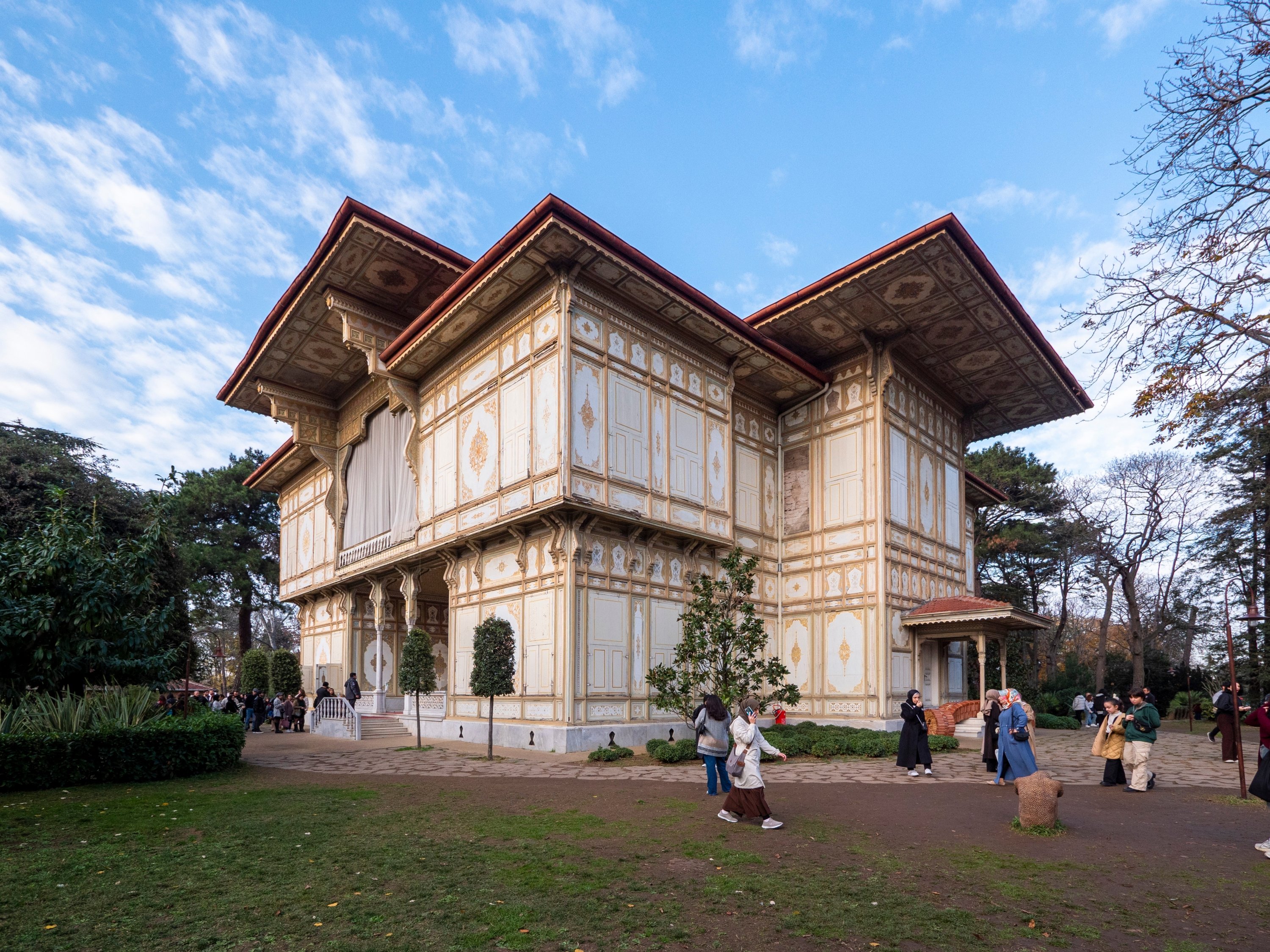
The “Folia” exhibition, opened at the Abdulmecit Efendi Mansion, presented an elegant narrative by bringing together the themes of nature, cycle and fragility with the historical memory of the space. Meanwhile, “A Cloud in My Hand” at the Gaza Biennial Istanbul Pavilion stood out as a quiet but bone-shaking exhibition, making visible the resilience of art amid war and destruction.
“Elisa Zonaro's Istanbul,” located at the Kazlıçeşme Art Gallery, conveyed the daily life of the Ottoman period through the artist's perspective, while also prompting reflection on the role of visual representation in historical writing. In the same venue, Istanbul's historical face was discussed again within a nostalgic yet critical framework.
Ahmet Güneştekin's “The Lost Alphabet” at the Feshane Culture and Exhibition Area became one of the most talked-about exhibitions of the year with its themes of memory, identity, and cultural erasure. The large-scale works made the viewer part of not only a visual but also a mental experience.
İlhami Atalay's “Tak Takıştır Yap Yakıştır” exhibition, which was held at the Dolmabahçe Palace Collections Museum, attracted attention with the balance it struck between traditional aesthetic understanding and contemporary interpretation. The “From Past to Present: Bird's Eye View of Palestine” exhibition at Koç University ANAMED offered an aerial yet intimate perspective on the geography of Palestine through archival documents and visual materials.
At Arter, Maaria Wirkkala's “Landing Prohibited” and Koray Ariş's “The Skin We Live In” exhibitions strengthened the intellectual dimension of contemporary art by exploring themes of body, space and existence through sculpture and installation.
Suzanne Lacy's exhibition “Togæther” at the Sakıp Sabancı Museum focused on participatory art practices. Meanwhile, the reopened Book Arts and Calligraphy Collection section at Atlı Köşk offered a contemporary perspective on traditional arts.
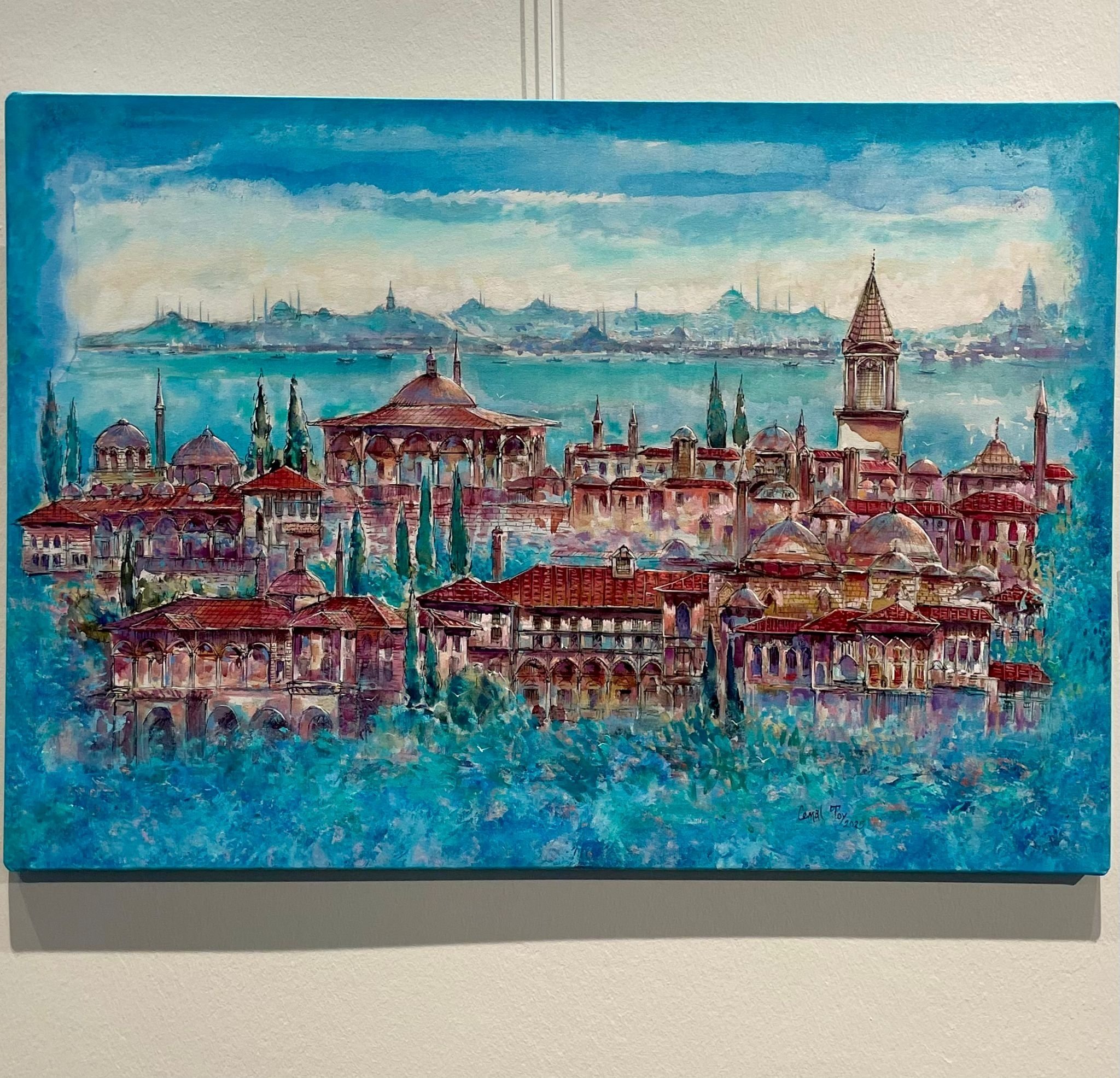
Cemal Toy's exhibition “At Heart Level” at the Atatürk Cultural Center (AKM) was one of the surprise stops of this year. The artist, known as the “Istanbul painter,” presented his previously unseen abstract works alongside pieces produced in recent years and which offered a different perspective on Toy's creative practice. The exhibition transported the narrative of Istanbul from outdoor spaces to an internal memory space.
As it does every year, Artweeks brought together numerous galleries in two different venues this year too, offering art lovers an effortless space for discovery and the opportunity to connect with young artists.
The year went down in the history of Istanbul as a year in which art was not only exhibited, but also remembered, discussed and rethought.