This year, with Trump’s second term in power, has truly been the year of the unravelling of the American dream. The U.S. has been causing havoc in the world with its international policy for decades but this year it has gone one further and started hunting people down on U.S. soil, with what is practically a militia group which has the fancy name of ICE.
As America is a nation that has been selling its lifestyle as something to aspire to to all corners of the world through cinema, one is tempted to look at contemporary American films to understand why and how the system is disintegrating. A number of films have recently been talked about as being "state of the nation" stories – among them "Eddington" and "One Battle After Another" being the most popular.
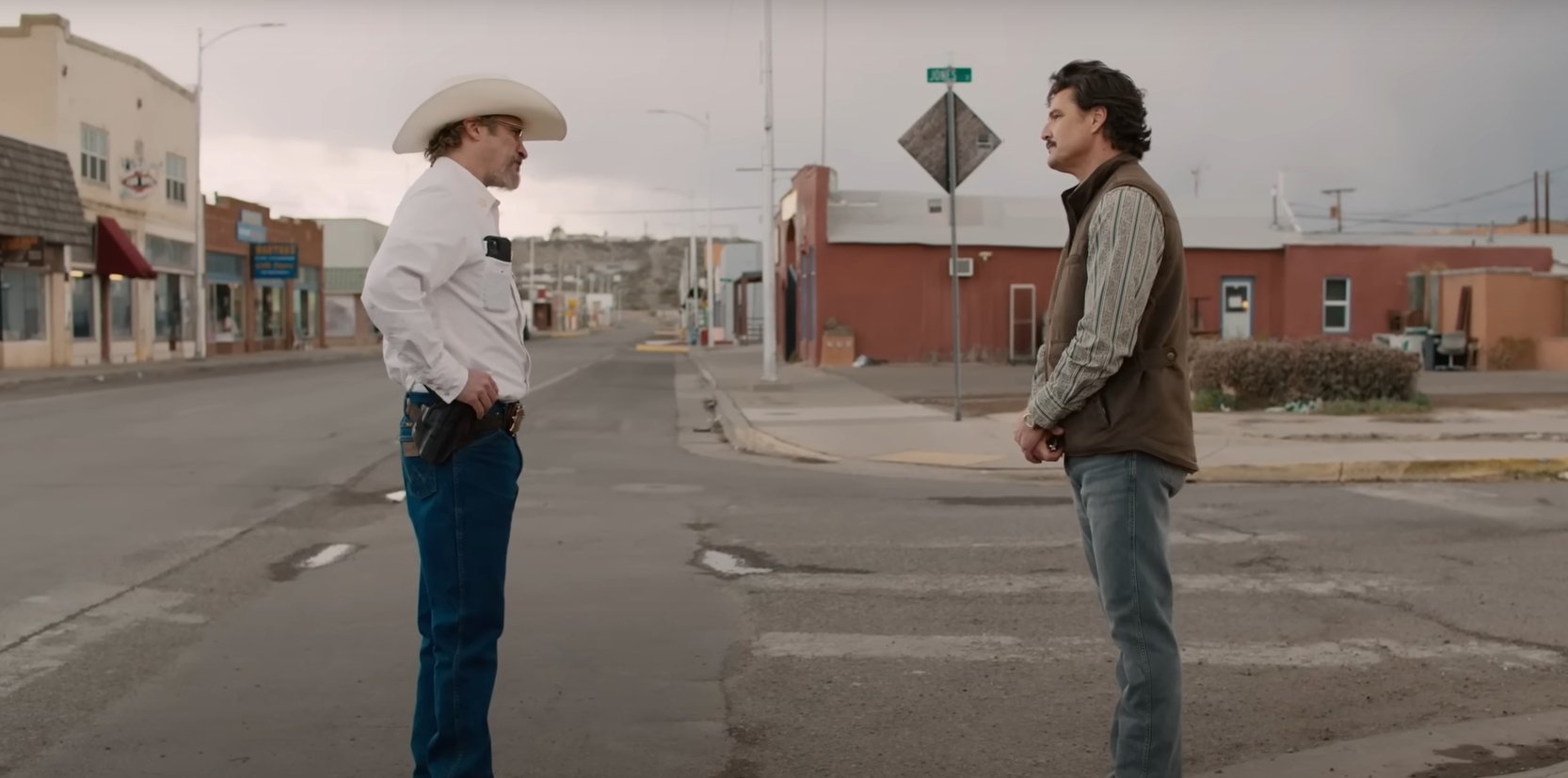
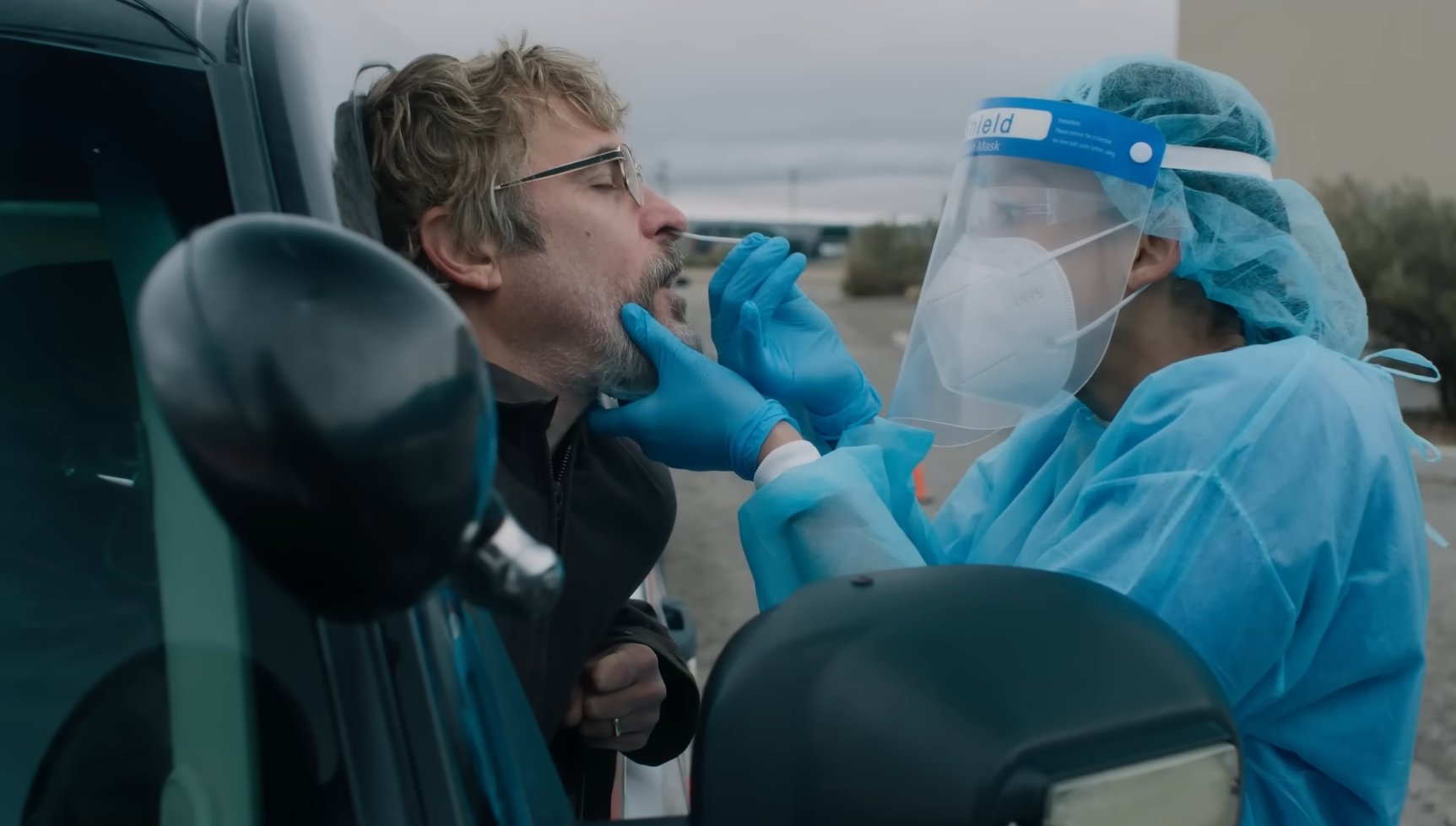
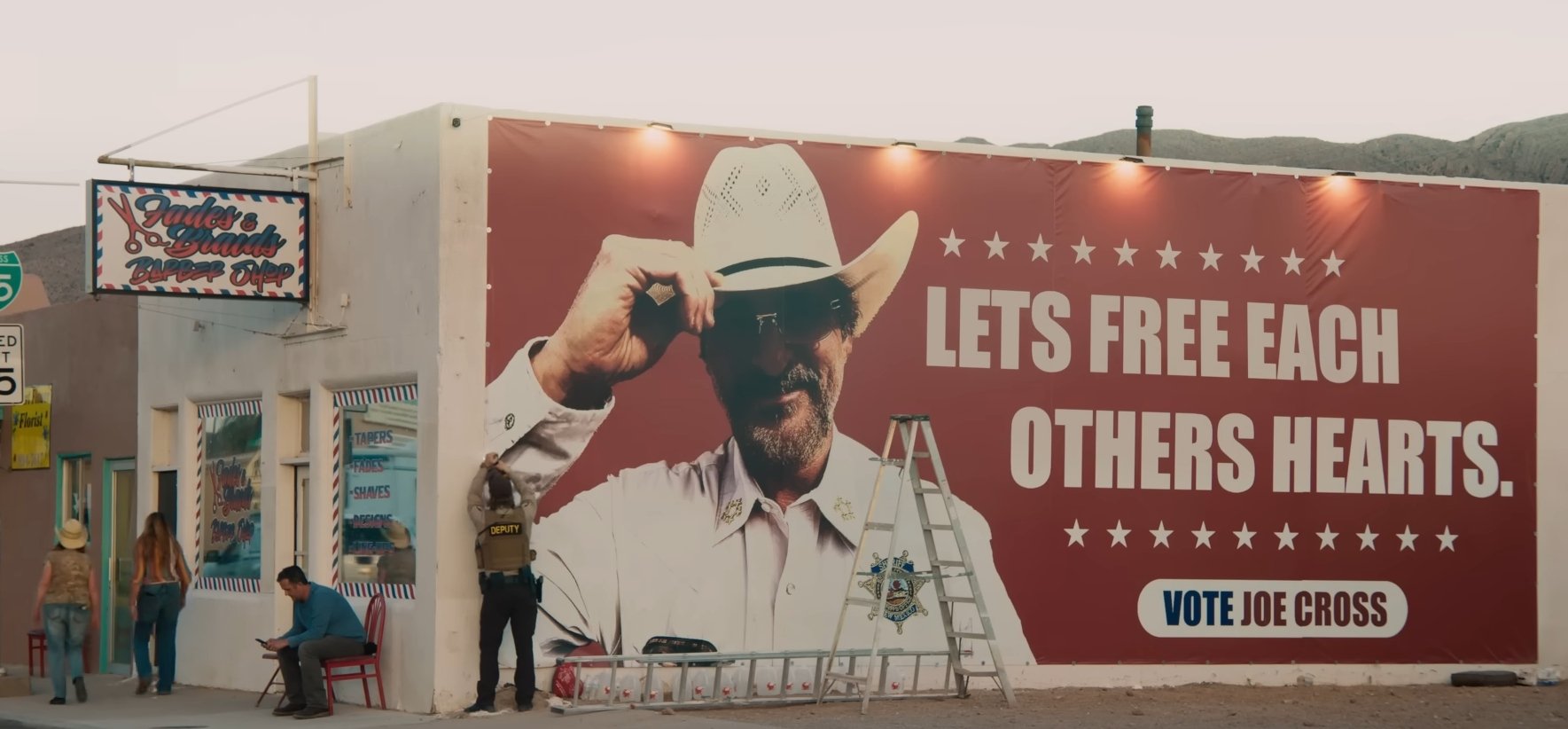
"Eddington" was released in May 2025, and many critics looked to it to tell us about what exactly America was suffering from. Ari Aster’s film is set during the height of the COVID-19 pandemic and is the story of a town called Eddington near the Mexican border and of its feuding sheriff and mayor. Films about the effects of COVID-19 on social life not just in America but throughout the world have been very slow in coming and so Aster’s offering is very welcome indeed. He sets the scene of a very tense society, people telling each other to keep a distance and mask up. We follow our asthmatic sheriff who refuses to wear one and the script, at the beginning at least, seem to take his side, criticizing those – including the mayor – who are very strict about the masking. Everyone has their own reasons for acting the way they do and Aster seems to tell us that there is no way of reconciling these reasons or ways of life.
The social distancing, we are made to understand, heightens people’s dependence on social media. One such addict is the sheriff’s wife, who seems to be working a childhood trauma by making eerie looking dolls and who keeps watching conspiracy theory videos. Living as they do by the Mexican border there are not many African Americans and yet the young people of the town want to be a part of the Black Lives Matter movement. They try to pick a fight with the local police force, which is basically the sheriff himself and his African American sergeant. At the protest a handful of white kids make proclamations about Black Lives and one of them says: ‘This speech which I am not even supposed to make on stolen ground...’
There is more to to this scene than black humor because the town really is next to a "reservation" and we have the Native American patrols inspecting crime scenes and getting into arguments (naturally they are right) about under whose jurisdiction they fall. When a very "American" political crime is committed, it is the Native American patrols who can see through the smoke and mirrors the culprits are trying to pull. I had really placed my bets on them solving the crime, but Aster puts an end to that as the story spirals into more violence. Still, the character of Officer Butterfly Jimenez left me holding my breath for a film or a series about a Native American detective looking into white-on-white crime.
"Eddington" was received in a lukewarm manner when it came out in May, but when the gun propogandist Charlie Kirk was assassinated in September, people identified the film as having foretold what would happen. Toward the end of "Eddington" there is a computer-game like shooting scene and someone gets it in the neck just like Kirk. What is extremely American and true to life though, is the way the officials respond to the event, saying that Americans love their guns, will hold on to their guns, and will hug their guns even closer to themselves after the senseless shooting.
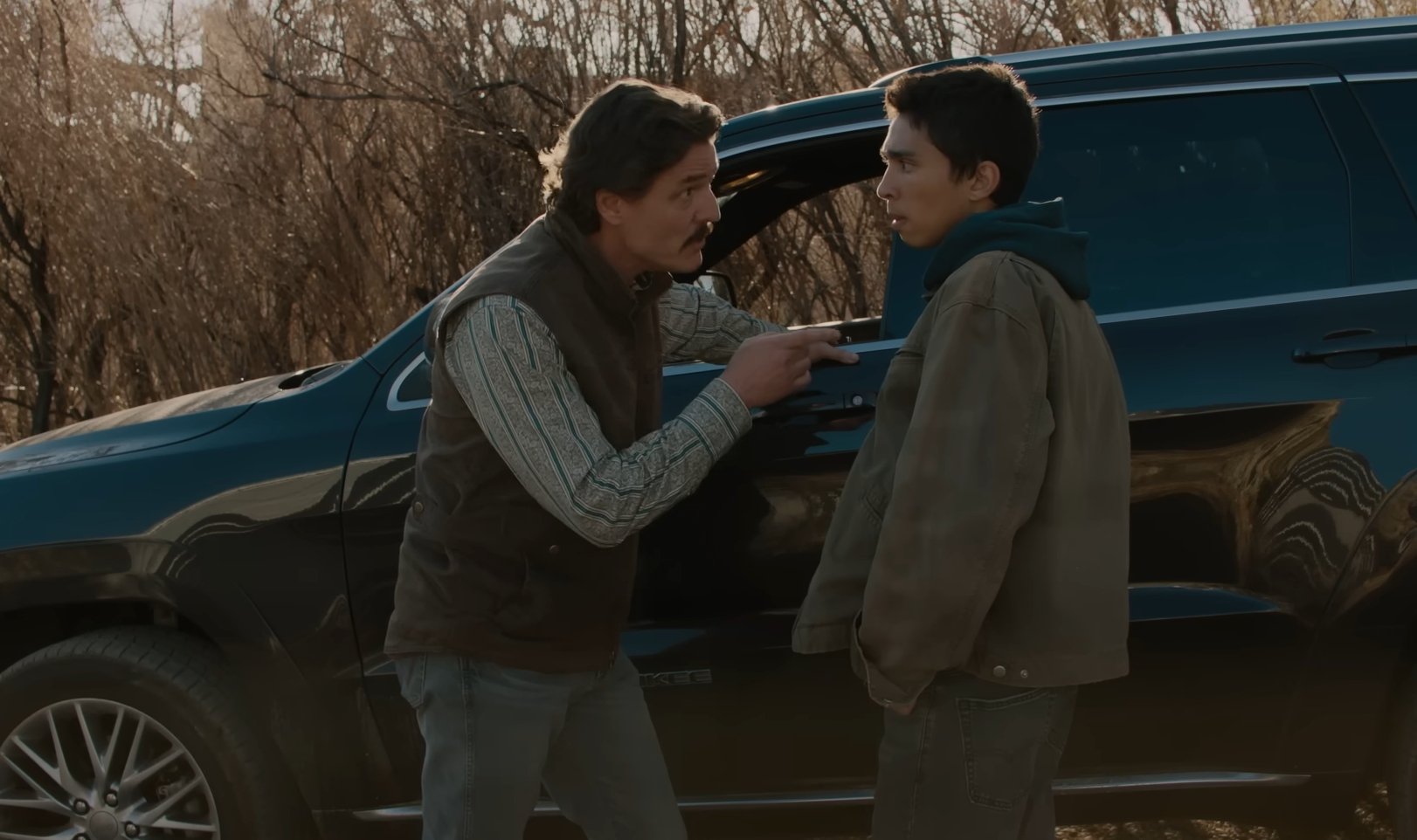
And while Americans are busy shooting one another, what is happening in the background – and this has been pointed out as being the background that is really the foreground – is that a data centre is being set up in the outskirt of town, sucking up the water resources in an already arid landscape.
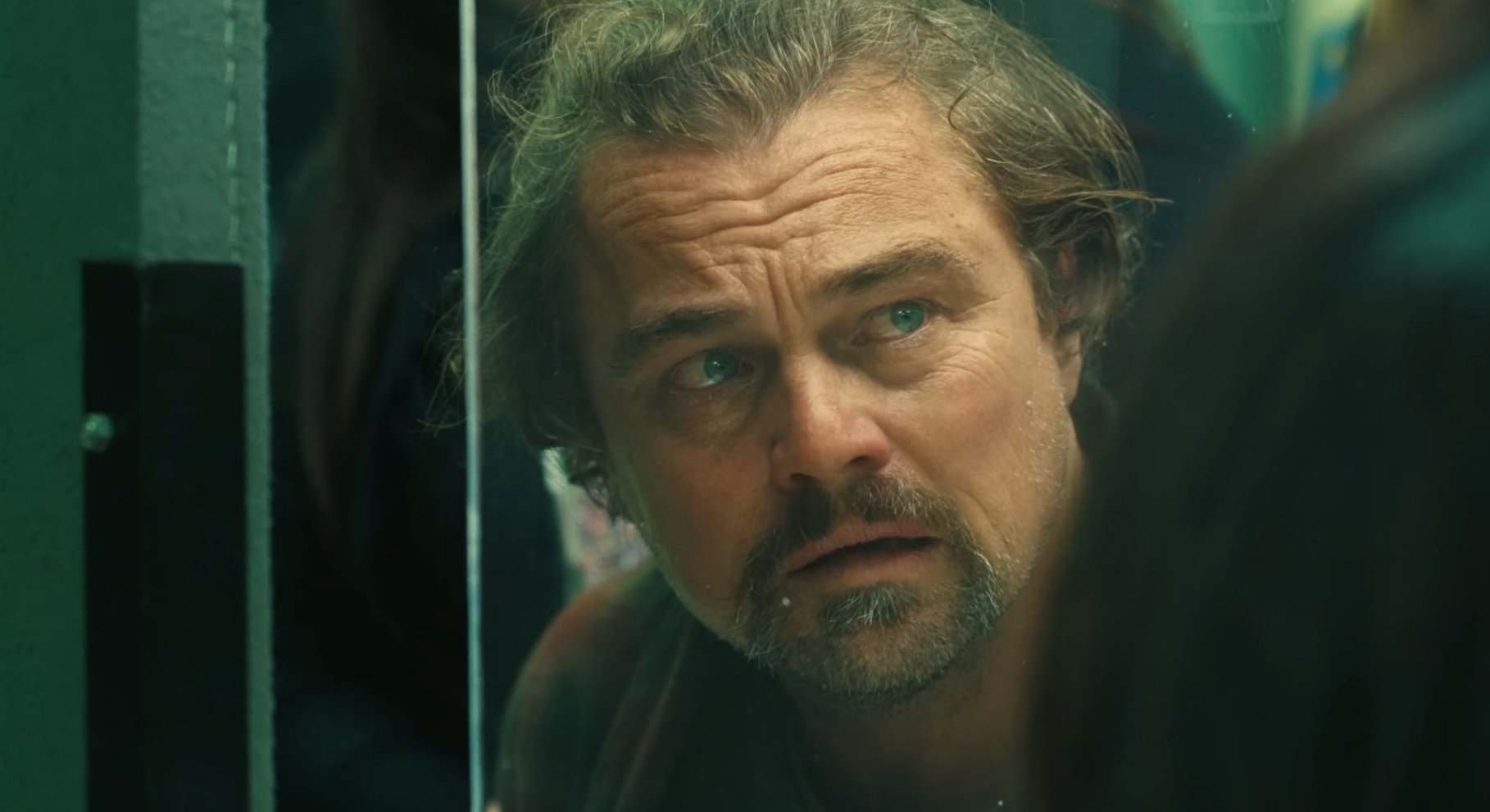
While viewers who are interested in end-of-American-times films were trying to process all the various messages of "Eddington," there came along "One Battle After Another" in September and many seasoned critics hailed it as the film that accomplished what "Eddington" only attempted to do. Having my own reservations about Paul Thomas Anderson, I suspected this was an exaggeration and when I finally found a three-hour slot in my schedule I went to see the film: my suspicions were confirmed. And when it was revealed that Anderson had cast a real CIA agent as an ICE officer, the politics of the film became murkier than ever.
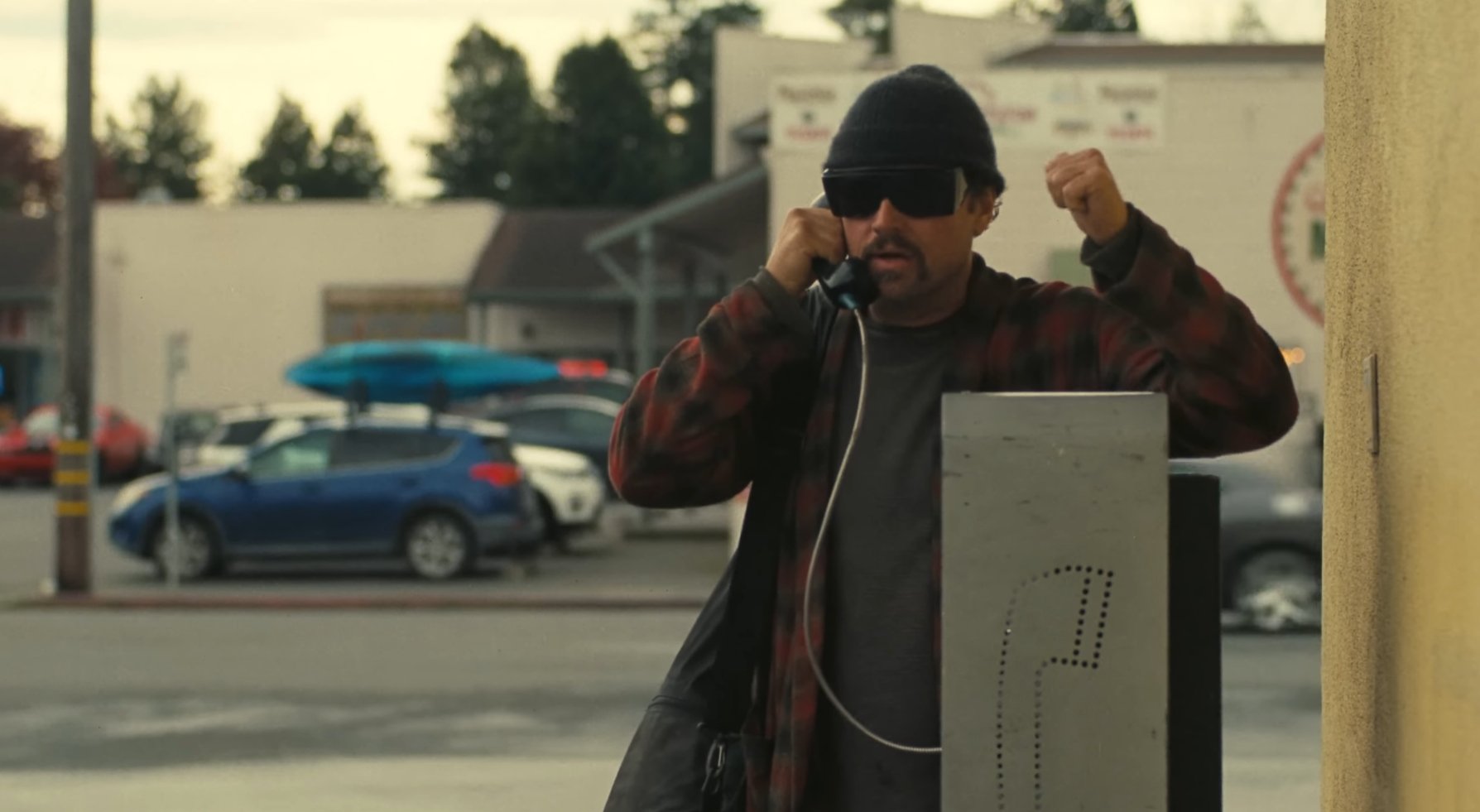
Both films are that type of western which is set close to the border and remind us about the very foundation of the United States, when the south of the country could easily have been Mexico. But before we get to that geographical aspect of the film, we are introduced to a band of radical activists whose main aim is to free people who are kept in what look like ICE camps. To fund this activity, they also break into banks like in any good western and then snitch on their comrades when arrested by the police. And this is where the discourse surrounding the film and the film part ways. The "radicals" that the audiences have enjoyed watching as some ersatz rebellion against Trump’s fascist regime turn out to be fakes and wimps. Anderson nips any rebellion that might flourish in the bud: the people who want change are deranged and, in any case, our wonderful army and police force will make sure that resistance will come to nothing.
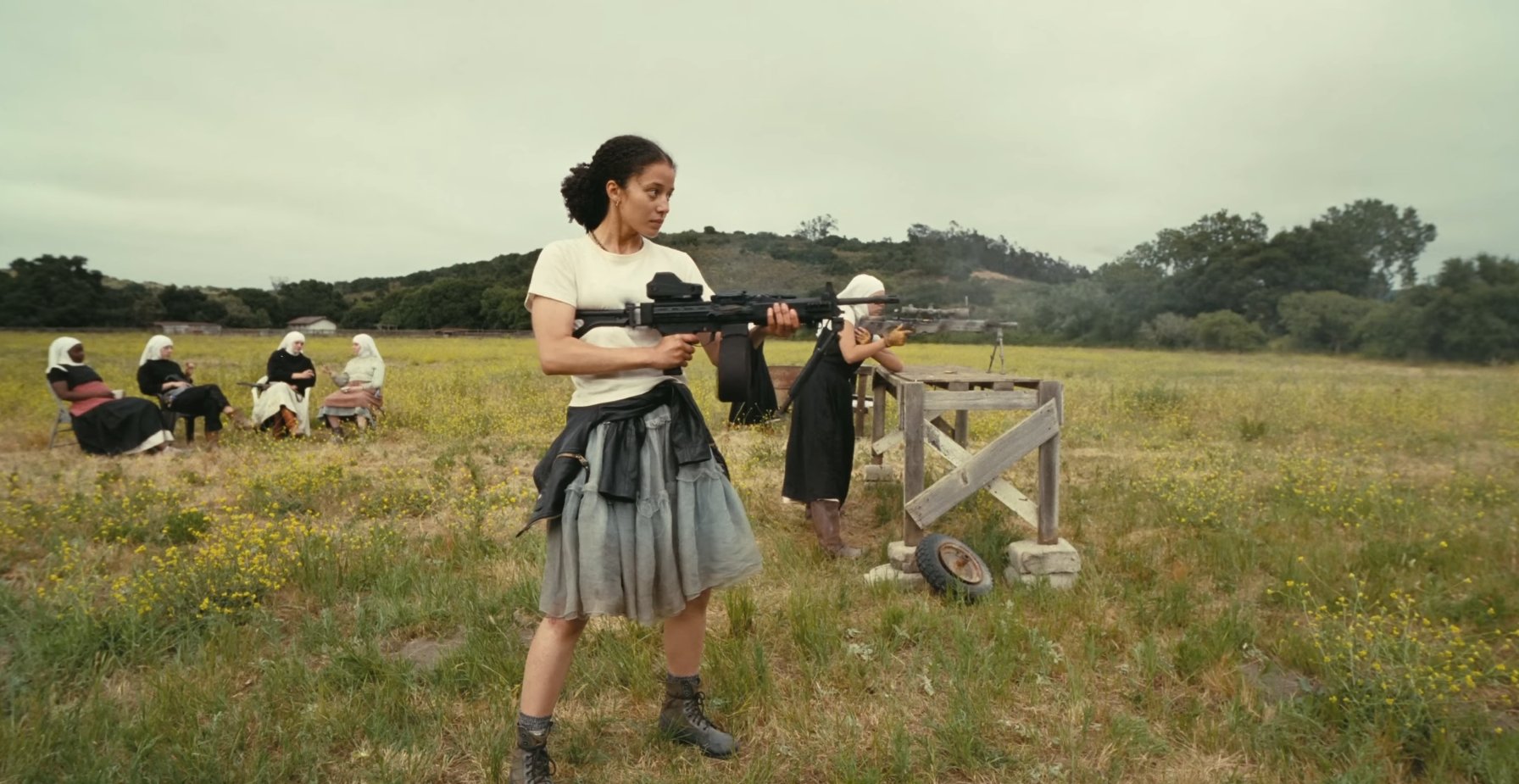
While "Eddington" is set in one community, "One Battle After Another" moves more like a Western as our (anti)heroes travel about the American landscape leaving a trail of dead bodies. And after all that violence, we end up in a cozy American home, an American dad telling his daughter to ‘be safe’ as she’s leaving home. The only difference from the American family films we’ve been spoon-fed all our lives, the daughter is not going to the prom (though she actually has been in prom clothes throughout the film) but to a demonstration that has already been lampooned in "Eddington."
"Protesting?" Anderson seems to be asking at the end of the film, "as American as apple pie; we do it bigger and better and drive to it in our bigger cars." Even given that this is an American film that has been pushed on the viewers from all corners of the chattering classes, this was the falsest note a film could ended on.