The Berlin International Film Festival, known as the Berlinale, has long been a festival where politics are at the forefront. The most scandalous incident in recent years must have been Claudia Roth’s statement that she was clapping only for the Israeli filmmakers involved in the making of "No Other Land" when it won the Berlinale Documentary Award in 2024. Since then, the silence of the festival concerning the genocide in Gaza has been the source of constant criticism, and after having been largely boycotted in 2025, Berlinale seems to be back on the agenda of film people who are against genocide.
The discourse about Gaza this year seems to have been largely instigated by the journalist Tilo Jung, who has made it his business to be at all press briefings to ask several versions of the question, "The Berlinale has been vocal about political events in the past, like the war in Ukraine and women’s rights in Iran. What do you think about its stance concerning Palestine?," to which this year’s jury’s president Wim Wenders, the wunderkind of German cinema, answered that art should stay out of politics. And thus, a whole life’s work dedicated to depicting the new Germany that rose out of the ashes of the fascist past was undone in one briefing.
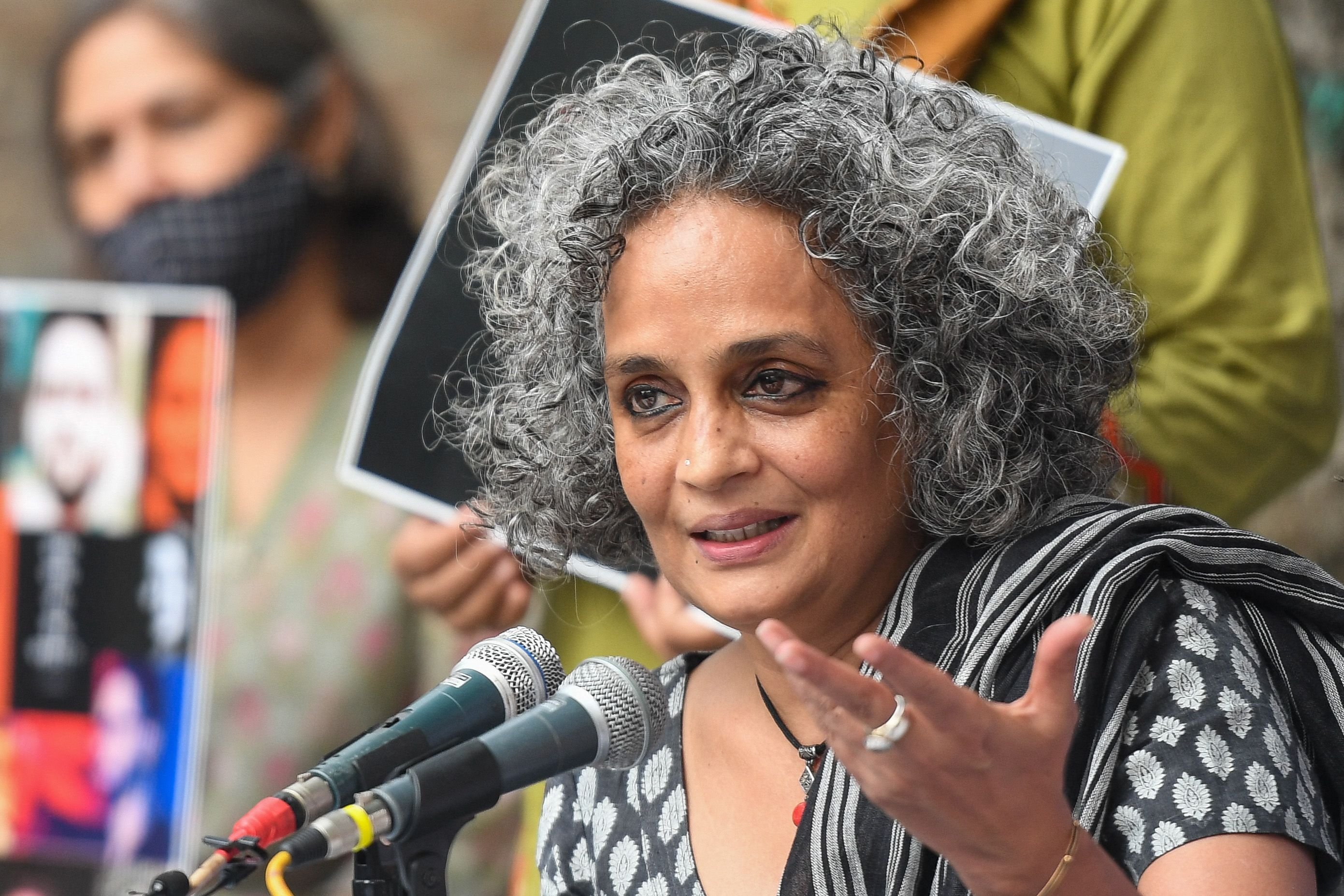
Everyone present who thought that Berlinale had moved on from aiding and abetting Israel’s genocide in Gaza was thoroughly disappointed, not least Arundhati Roy, who was there for the screening of her 1989 documentary "In Which Annie Gives It Those Ones." The fact that the festival had invited someone staunchly pro-Palestine like her was one of the reasons why people expected the 2026 Berlinale to be anti-genocide. Roy pulled out of the festival immediately, and this was followed by other interviews with filmmakers who spoke in solidarity with the Palestinians.
The claim that Berlinale is a festival that should or could stay out of politics is naive at best and complicit at worst – as a brief look at the list of films will reveal. The opening film was Shahrbanoo Sadat’s beautifully conceived "No Good Men," about a female camera operator who is trying to make a living at a Kabul TV station just before the Taliban took over the country again in 2021. Our German friends’ eternal interest in Turkish interior affairs was made evident in the presence of not one but two Turkish films in the competition: One about the oppressive society in the east of Türkiye and the other about academics and artists who were removed from their jobs with accusations of disturbing public order. Spare a thought for Wenders, who has had to watch both these very political films as the president of the jury.
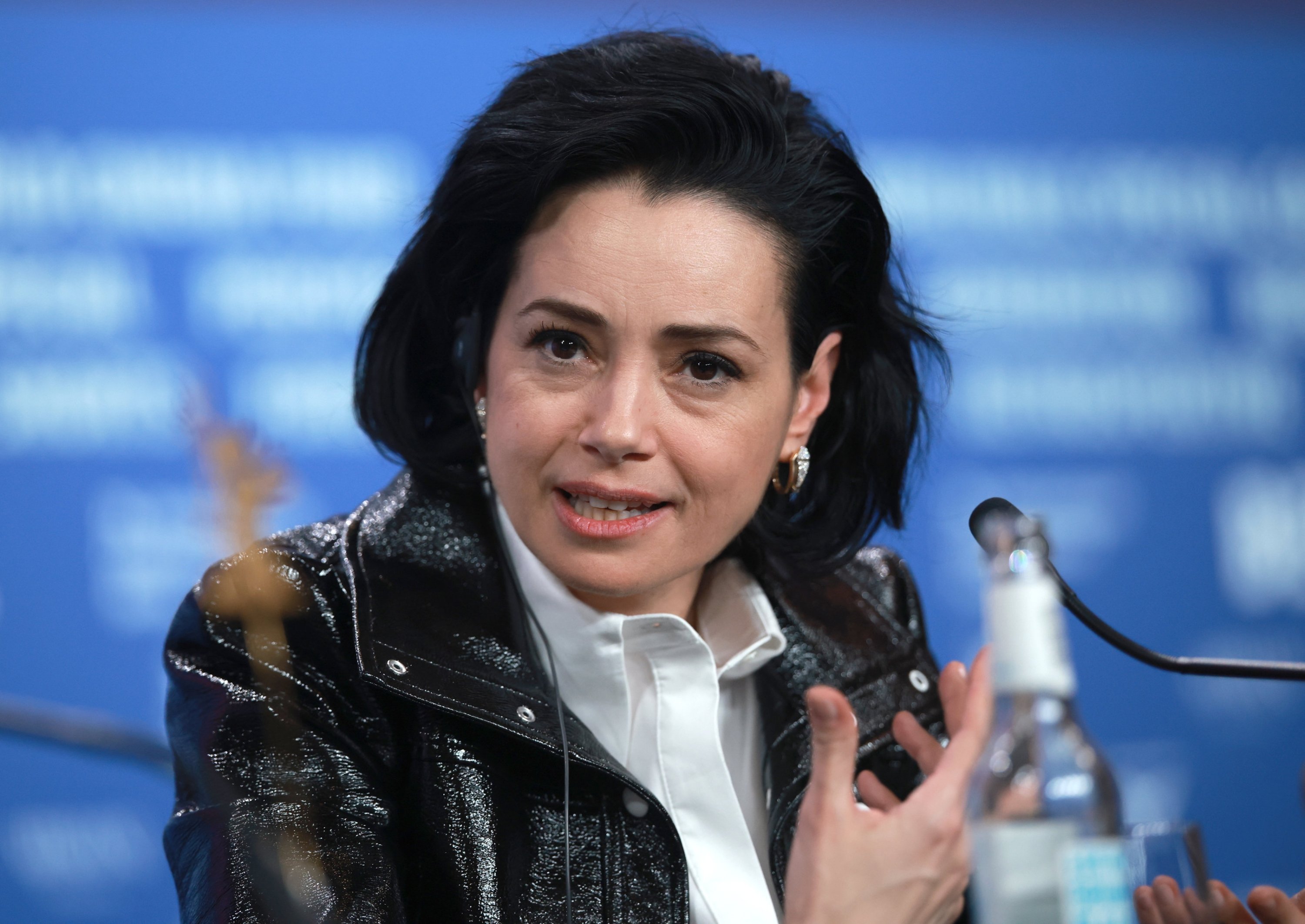
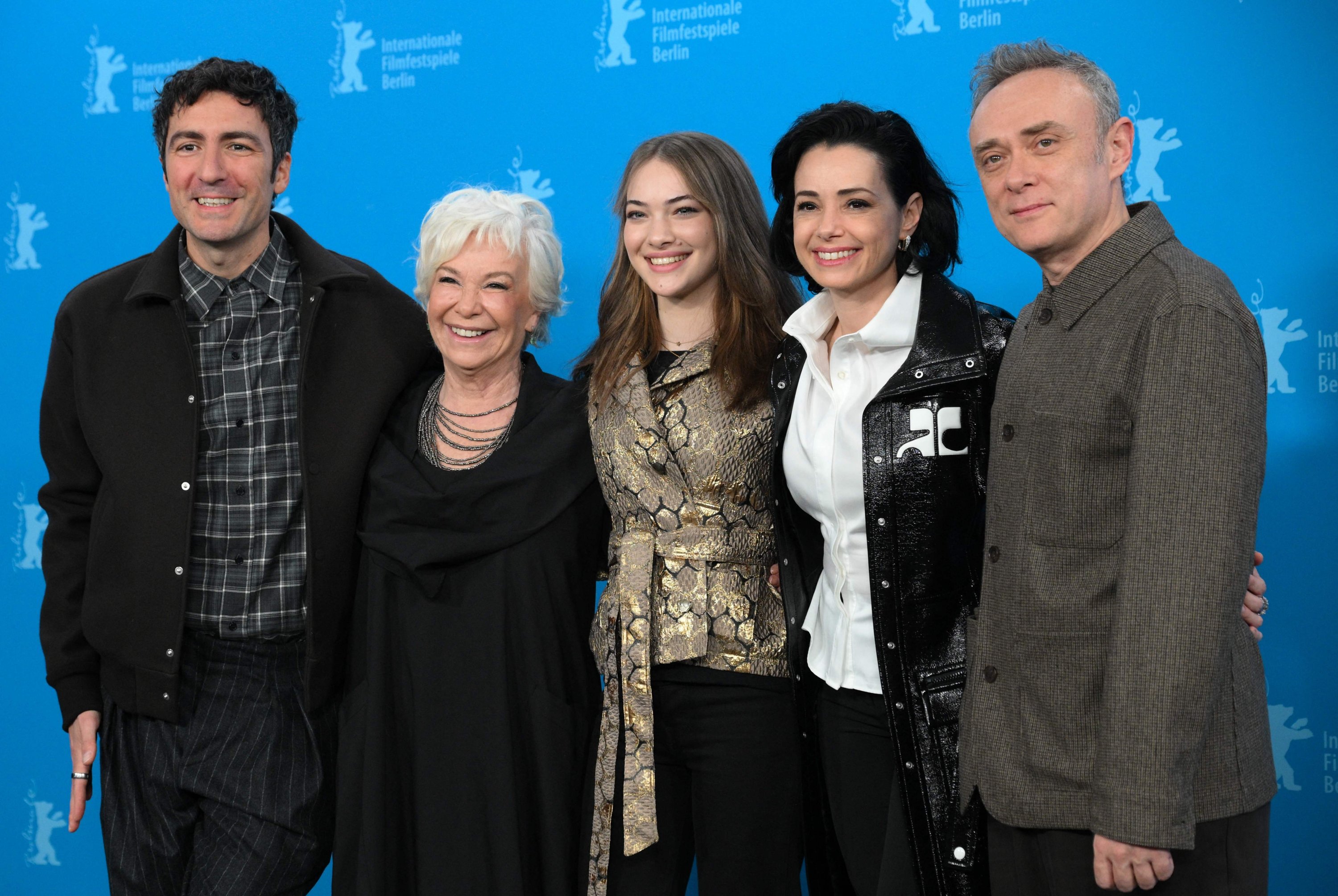
The second of these films, "Yellow Letters," was made by the Turkish-German director Ilker Çatak, who shot the film in Turkish but in Germany. You can bet that every single question at the press briefing was political, and the questions and reviews seemed to revolve around the following concern: "Could this film have been shot in Türkiye?" When one journalist asked "Kurtlar Vadisi" ("Valley of Wolves") veteran Özgü Namal how it influenced her performance, having to shoot this film in Berlin because it could not be shot in Türkiye, Namal replied by saying that the film was not shot in Berlin because it could not be shot in Türkiye. "If you pay attention," she said, "Hamburg and Berlin are also characters. It’s a work that was chosen to be made here." This response, understandably, went viral on Turkish social media. So, the answer to the question is definitely a no, because the script demands something completely different. Not only could "Yellow Letters" not have been shot in Berlin, only Ilker Çatak, with his Turkish and German allegiances, could have shot it, because the film treats Berlin and Ankara, Hamburg and Istanbul as mirrors to one another.
The film opens with a theater performance, not unlike the one in "Sentimental Value," and then we go backstage and into the lives of the performers. Before the camera moves to the "outside" world, Çatak does one of the most exciting coup de theaters I have witnessed and shows us a panorama of Berlin, with the caption "Berlin as Ankara." This is such a good idea that one wonders why it has not occurred to anyone else before.
It becomes even a joke for me because of an incident at passport control. My plane arrived from Istanbul at the same time as a British flight, so it was a dozen Turks and a couple dozen British school kids in line (I was able to suppress my urge to make Brexit jokes). I found out later that lines have been pretty bad this year, with even Berlinale celebrities having to wait more than one hour. This explains why a member of the ground staff approached each Turkish passenger, asking whether they had some kind of documentation that would allow them to pass through the German lines. She had luck with one, and insisted a lot with me, and in the end, I had to confess I had once studied in Germany, but that my student days were well behind me. Clearly, everyone is aware that Istanbul-Berlin is a domestic flight.
In "Yellow Letters," Çatak shows protests on the streets of Ankara (played by Berlin), and then we go into a university classroom where the professor encourages the students to join the protests outside, saying that, "The state does not always give you the opportunity to partake in this theater." The protest we saw on the screen had a lot of Palestinian flags, so consider my surprise when I read in a review in "Berlin Morgenpost" that the protests in the film were about the war in Ukraine. The German inability to see Gaza is truly astounding. Setting aside this German misreading (of the whole world), what war are the students encouraged to protest in the film? The one against the Palestinians or a war the Turkish state is involved in? This is a great conceit, wrongfooting the audience about the meaning of the signifiers, but Çatak does not explore this aspect of the film after the first half hour. During the rest of the film, we are invited to take Berlin as Ankara, and Hamburg as Istanbul, at face value. This is why some of the online reviews have faulted the film, saying that the "replacements" distracted from the core story about academic and artistic liberties in Türkiye. Whereas I would have liked more of the play of these mirror-spaces, others wanted the film to be more political.
And Tilo Jung did ask this political question of this very political film to Çatak as well, and it was quite painful to see Çatak falter when answering, seeking help from German words, lost in his own moral maze, not able to bring himself to even say the word Palestine, only able to utter, or stutter, the word "solidarity." This reaction stands in stark contrast to Namal and Emin Alper, the director of the second Turkish film in the competition, who was very vocal about Palestine. Maybe this is why I must revise my claim about "two Turkish films" in the competition. Çatak clearly remains very German, answerable to German "staatsraison," which means supporting Israel even when it commits genocide. This was Çatak’s moment to take part in the theater that the German state provided, to be one of the protestors that condemned genocide, as his own script in "Yellow Letters" would encourage him to do. He missed his cue this time. One hopes there will be others where he can rise to the occasion.